Understanding 10 tips for dog care mediprime in Everyday Pet Care
Navigating the daily responsibilities of pet ownership requires a solid blend of veterinary science and compassionate observation. When implementing 10 tips for dog care mediprime, modern pet parents must look beyond basic feeding and walking to address their canine companion’s holistic well-being. According to guidelines from the American Animal Hospital Association (AAHA) and the American Veterinary Medical Association (AVMA), proactive preventive care and structured daily habits directly correlate with longer, healthier lives. Understanding the biological and behavioral drivers behind your dog’s daily routines helps you anticipate needs, reduce stress, and catch subtle signs of discomfort before they evolve into costly medical conditions. Related guide: Boarding For Unneutered Male Dogs.
💡 Pet Care Key Takeaways:
- Core Focus: Practical health, nutrition, and wellness guidelines for 10 Tips For Dog Care Mediprime.
- Target Scope: Pet owners, animal caregivers, and veterinary support staff.
- Best Recommendation: Maintain consistent daily routines and consult an accredited veterinarian before introducing major diet or medical changes.
Signals & Patterns Owners Should Watch
Dogs communicate their internal states through subtle shifts in body language, vocalization, and daily patterns. Recognizing these shifts allows you to adjust your approach to 10 tips for dog care mediprime long before an issue escalates. Applied principles from the International Association of Animal Behavior Consultants (IAABC) emphasize that sudden changes in resting heart rate, appetite, or environmental reactivity are often the first indicators of physiological or emotional distress.
| Observed Sign | Likely Underlying Trigger | Best Owner Response |
|---|---|---|
| Mild pacing or shifting sleep spots | Minor environmental warmth, noise, or normal evening restlessness | Provide a cool, quiet resting area and maintain a calm household atmosphere. |
| Repetitive paw licking or lip smacking | Underlying anxiety, mild gastrointestinal upset, or boredom | Engage in positive mental enrichment and monitor digestive output closely. |
| Sudden lethargy paired with altered gum color | Systemic illness, acute pain, or internal distress requiring intervention | Contact your veterinarian immediately for professional clinical evaluation. |
Daily Routine Adjustments & Supportive Care
Integrating 10 tips for dog care mediprime into your household requires consistency and environmental enrichment tailored to your dog’s specific needs. For more targeted guidance, explore our resources on Dog Care and Dog Training to refine your daily management strategies. Establishing predictable feeding schedules, interactive puzzle toys, and positive reinforcement sessions helps satisfy your dog’s natural foraging and problem-solving instincts. Furthermore, maintaining regular physical exercise aligned with your dog’s age and breed helps prevent obesity and reduces destructive behaviors rooted in pent-up physical energy.
When Home Observation Is Not Enough
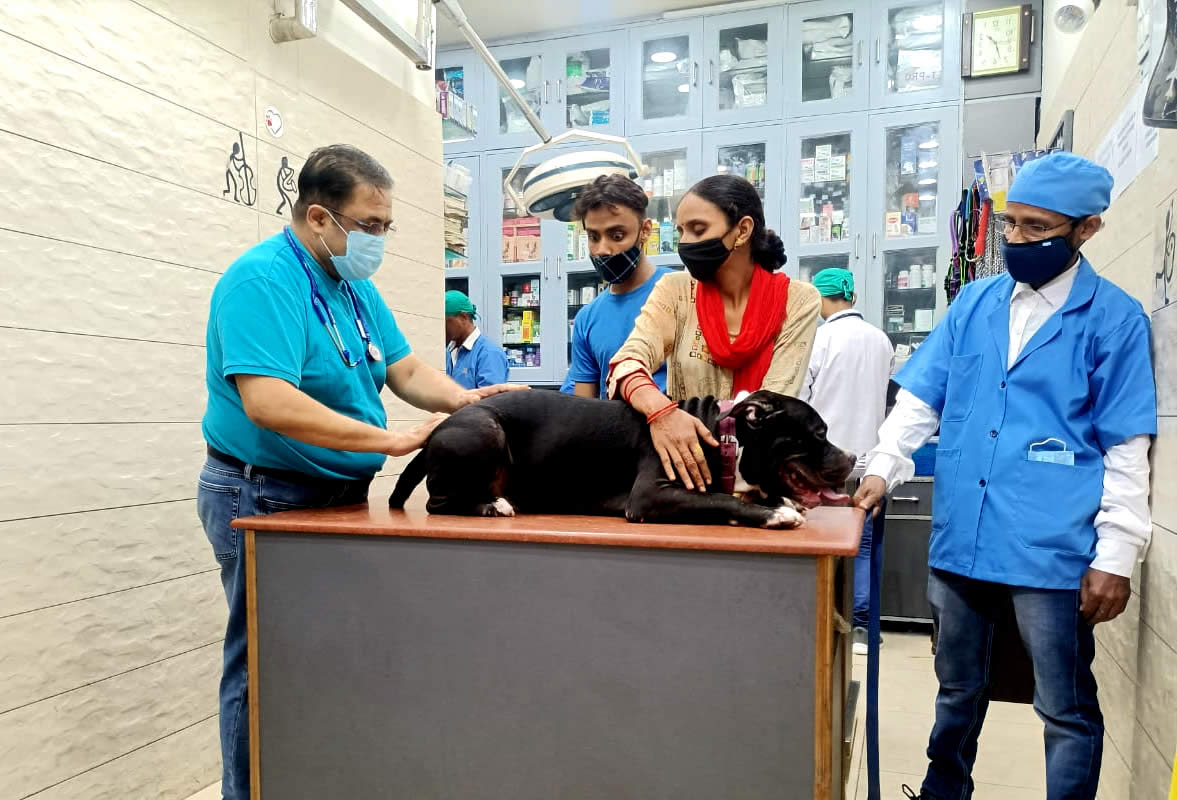
While structured daily routines and preventive measures form the backbone of responsible pet guardianship, home care has strict limits. If your dog exhibits persistent vomiting, labored breathing, disorientation, or pain unresponsive to standard environmental adjustments, it is time to seek professional veterinary care. For further clinical insights, review our comprehensive guides on Dog Health. When visiting your veterinarian, bring a detailed log of symptom timelines, recent diet changes, and short video clips of unusual behaviors to help your clinical team make an accurate diagnosis quickly.
Pet Parent Q&A
How often should I review my dog’s daily wellness routine?
It is best to evaluate your dog’s complete daily schedule and wellness habits at least every six months, or whenever you notice significant changes in age, weight, or activity levels. Regular reviews ensure your care strategies evolve alongside your dog’s changing biological needs.
Can daily enrichment replace physical walks for high-energy dogs?
While mental enrichment games and puzzle feeders are fantastic for cognitive stimulation, they cannot entirely replace the physical conditioning and sensory exploration of outdoor walks. A balanced approach combining both physical exercise and mental tasks yields the best behavioral outcomes.
What is the best way to track my dog’s daily health metrics at home?
Maintaining a dedicated physical or digital journal tracking daily food consumption, water intake, stool quality, and exercise duration is extremely effective. This objective data makes it much easier to identify subtle health trends and communicate accurately with your veterinary team.
More Pet Health & Behavior Guides on PetsAnimalsWorld
Staying informed is the greatest tool a pet parent can have when managing daily health and wellness routines. Explore more expert-backed insights, behavioral breakdowns, and preventive care advice right here at PetsAnimalsWorld.com to ensure your canine companion lives their happiest, healthiest life.
Visual Reference Gallery