Understanding terra nova dog in Everyday Pet Care
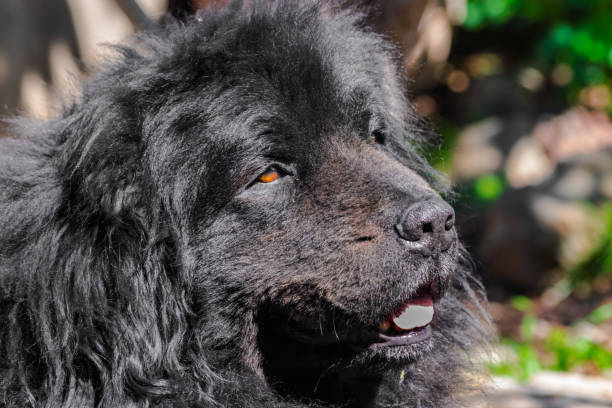
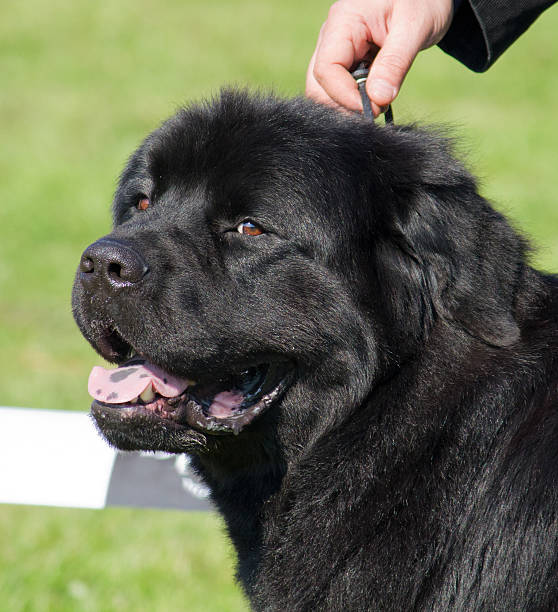
Welcoming a gentle giant into your household is an extraordinary experience, particularly when you embrace the historical roots and unique biological requirements of the terra nova dog. Renowned for their majestic stature, webbed feet, and innate water rescue instincts, these magnificent dogs combine immense physical power with a remarkably sweet temperament. According to guidelines outlined by the American Animal Hospital Association, understanding the specific environmental and physiological needs of giant breeds is essential for long-term wellness. Because their growth plates close later than smaller breeds and their joints carry substantial weight, providing appropriate care from puppyhood through their senior years prevents chronic discomfort. Grounding your daily management in sound dog care practices ensures that your gentle companion thrives both mentally and physically in a modern domestic environment.
💡 Pet Care Key Takeaways:
- Core Focus: Practical health, nutrition, and wellness guidelines for Terra Nova Dog.
- Target Scope: Pet owners, animal caregivers, and veterinary support staff.
- Best Recommendation: Maintain consistent daily routines and consult an accredited veterinarian before introducing major diet or medical changes.
Signals & Patterns Owners Should Watch
Interpreting canine communication requires paying close attention to subtle shifts in posture, vocalization, and daily routines. While these dogs are naturally calm and patient, they still display stress or physical vulnerability through nuanced body language. Recognizing the difference between a normal resting posture and an indicator of distress allows pet parents to intervene early. Certified behaviorists emphasize that watching for changes in enthusiasm, gait, and social engagement helps maintain optimal health and prevents minor behavioral habits from escalating into complex issues. Explore more in our Dog Behavior category.
| Observed Sign | Likely Underlying Trigger | Best Owner Response |
|---|---|---|
| Occasional heavy panting after moderate indoor play | Thick double coat retaining body heat in warm indoor environments | Provide a cool, tiled resting surface, fresh water, and air-conditioned shelter |
| Reluctance to climb stairs or jump onto furniture | Early joint fatigue, stiffness, or unfamiliarity with footing | Assess joint comfort, install non-slip runners, and consult clinical dog health resources |
| Persistent pacing, excessive drooling, or unproductive retching | Potential onset of gastric dilatation-volvulus, a serious emergency | Immediately contact a veterinarian for emergency clinical triage without delay |
Daily Routine Adjustments & Supportive Care
Managing the daily life of a terra nova dog involves striking a balance between protecting their joints and providing adequate mental stimulation. Because of their working heritage, these dogs benefit immensely from structured tasks, interactive puzzle feeders, and low-impact swimming sessions that protect their developing or aging skeletal systems. When structuring training sessions, positive reinforcement methods recommended by the International Association of Animal Behavior Consultants foster a trusting bond while keeping motivation high. Owners should also implement measured feeding strategies to prevent rapid ingestion of food, which helps safeguard against dangerous digestive complications. Incorporating these balanced routines supports a well-adjusted companion who feels secure and mentally fulfilled every single day.
When Home Observation Is Not Enough
Even with meticulous daily management, giant breed dogs can experience rapid shifts in health status that require professional veterinary intervention. Knowing when to transition from home observation to clinical care is a vital responsibility for every pet parent. The American Veterinary Medical Association advises maintaining a proactive health log that tracks appetite consistency, water intake, stool quality, and mobility changes over time. If you notice sudden lethargy, persistent lameness, unexplained swelling, or breathing difficulties, schedule a clinical examination immediately. Bringing detailed written logs, videos of gait anomalies, and precise timelines of symptom onset enables your veterinary team to diagnose and treat underlying conditions with exceptional accuracy.
Pet Parent Q&A
How much daily exercise does a terra nova dog actually need?
While they appreciate long, leisurely walks and swimming opportunities, they do not require high-intensity running. Moderate daily strolls combined with mental enrichment are usually sufficient to keep them physically fit and emotionally balanced.
What is the best way to manage heavy shedding in a double coat?
Regular weekly brushing with an undercoat rake during normal periods, combined with daily sessions during seasonal coat blowouts, prevents painful matting. Keeping their skin clean and dry also wards off moisture-trapped dermatitis.
Are there specific dietary considerations for giant breed puppies?
Yes, puppies require specialized large-breed growth formulas designed to regulate calcium and phosphorus ratios. Controlled growth rates prevent skeletal abnormalities and protect developing joints from excessive mechanical stress.
More Pet Health & Behavior Guides on PetsAnimalsWorld
Explore our complete library of expert veterinary insights, behavior strategies, and breed profiles to help your companion live a vibrant life. Discover more trusted resources by visiting PetsAnimalsWorld.com today.
Visual Reference Gallery