Introduction
Comprehensive dog care enfield involves a structured combination of preventive veterinary medicine, canine behavioral oversight, and balanced nutritional programming tailored to local municipal guidelines and regional environmental exposures. According to the American Animal Hospital Association (AAHA), routine wellness evaluations and proactive parasite control significantly extend canine longevity and minimize preventable systemic diseases. Maintaining optimal companion animal health within the Enfield locale requires strict adherence to vaccination schedules, municipal leash laws, and structured socialization frameworks. Readers seeking broader perspectives on canine management can review foundational principles outlined in Dog Care.
Pet Wellness & Behavior Snapshot:
- Core Focus: Comprehensive dog care enfield encompassing regional veterinary standards, nutritional balance, and behavioral safety protocols.
- Target Scope: Canine health maintenance, local park regulations, and preventative veterinary management for resident pet guardians.
- Key Recommendation: Implement bi-annual veterinary wellness examinations alongside tailored local parasite prevention regimens.
Core Principles and Detailed Overview
Optimal dog care enfield integrates clinical healthcare protocols with environmental enrichment to address both physical vulnerabilities and psychological needs specific to urban and suburban settings. Veterinary oversight ensures early detection of chronic conditions through routine blood panels, fecal analyses, and orthopedic screenings. Concurrently, behavioral management strategies must address common stressors such as high-traffic environments, local wildlife encounters, and domestic boundary training. Maintaining a strict diet aligned with developmental life stages supports immune resilience and metabolic stability. Detailed insights regarding dietary formulation can be explored via Dog Nutrition.
Key Specifications and Breakdown
| Observed Indicator / Factor | Veterinary & Behavioral Explanation | Actionable Management Protocol |
|---|---|---|
| Environmental Reactivity | Overstimulation from urban noises and local foot traffic triggers cortisol spikes and defensive canine behaviors. | Implement desensitization protocols and maintain safe geographical distances from high-stress triggers during walks. |
| Seasonal Parasite Risk | Regional humidity and green spaces elevate exposure rates to ticks, fleas, and gastrointestinal nematodes. | Administer year-round broad-spectrum parasiticides prescribed by a licensed veterinarian. |
| Nutritional Imbalance | Inappropriate caloric intake relative to daily exercise leads to metabolic strain and joint degradation. | Calculate precise daily kilocalorie requirements and utilize measured feeding schedules rather than free-feeding. |
Comprehensive parasite prevention and core vaccination protocols remain the absolute cornerstone of domestic companion animal health management. — American Veterinary Medical Association (AVMA). Related guide: 10 Tips For Dog Care Mediprime.
Step-by-Step Practical Application and Guidelines
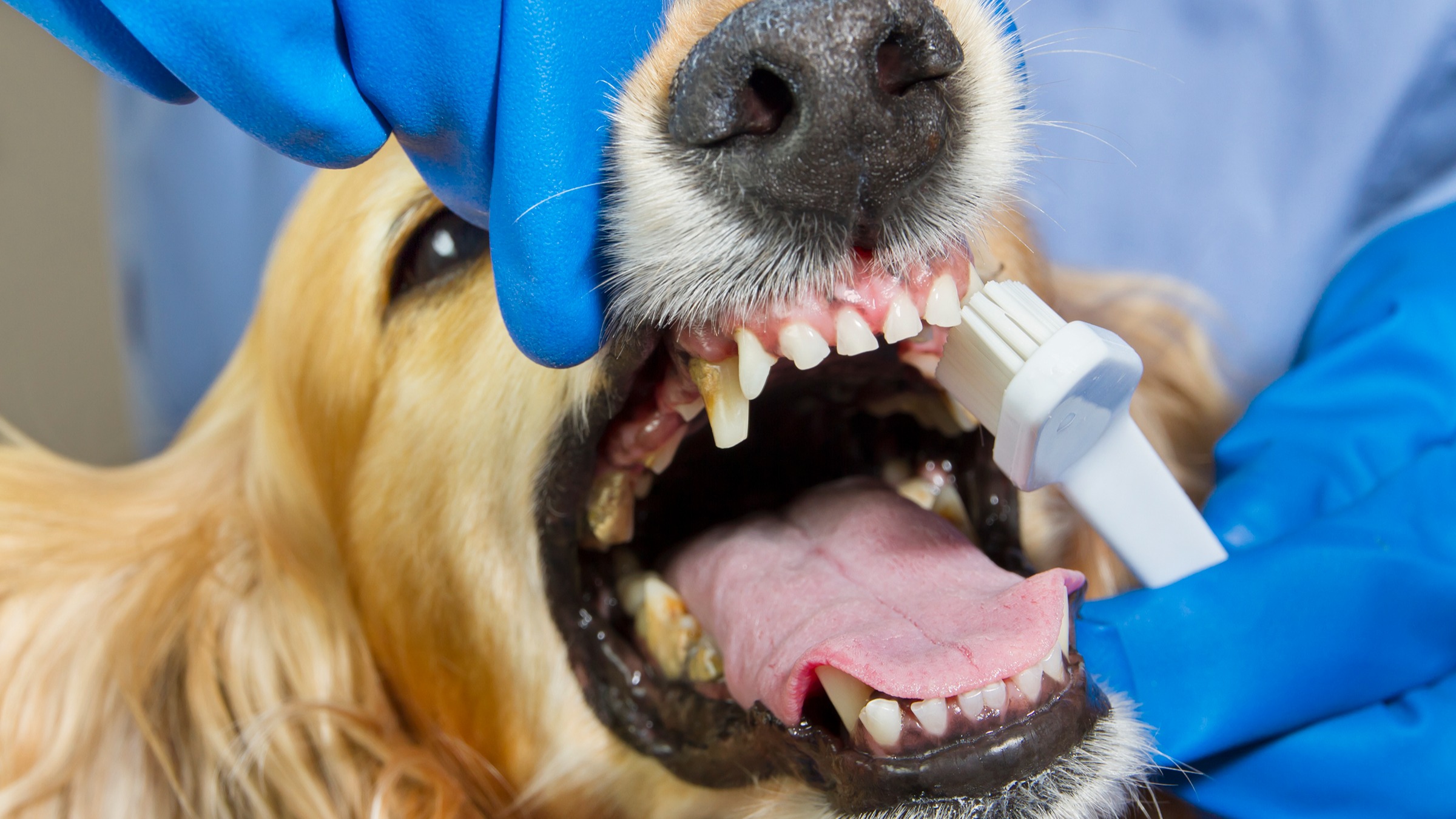
Executing effective daily dog care enfield requires establishing a predictable routine that addresses physical exercise, mental stimulation, and physiological monitoring. Begin each morning with a structured leash walk through designated municipal green spaces, allowing sufficient time for olfactory exploration while reinforcing fundamental obedience cues. Follow exercise sessions with measured feedings utilizing high-grade formulations that meet Association of American Feed Control Officials (AAFCO) nutrient profiles. Dedicate brief evening intervals to coat brushing, dental inspection, and tactile body checks to identify ticks, epidermal masses, or localized joint discomfort early. For advanced methods on modifying canine responses, consult the guidance provided at Dog Training.
Common Challenges and How to Avoid Them
Neglecting preventative parasite control and overlooking subtle behavioral stress signals represent the most frequent pitfalls encountered by domestic pet caregivers in populated municipal districts. Failure to administer year-round vector-borne disease prophylaxis exposes animals to tick-borne pathogens, while ignoring early indicators of canine anxiety often escalates into destructive reactivity or aggression. Guardians must avoid sporadic veterinary visits, ensuring that annual physical exams are never skipped even in the absence of obvious illness. Consistent observation of bodily posture, appetite fluctuations, and elimination habits prevents minor physiological shifts from advancing into complex medical emergencies.
💬 Frequently Asked Questions
Explore More Pet Care and Animal Health Guides on PetsAnimalsWorld
Maintaining high standards of canine wellbeing demands continuous education across all facets of companion animal husbandry, pathology, and behavioral science. Readers are encouraged to expand their expertise by reviewing specialized literature and clinical guides available directly through the primary portal at Pets Animals World, supporting optimal lifelong health for domestic companions.
Visual Reference Gallery