Introduction
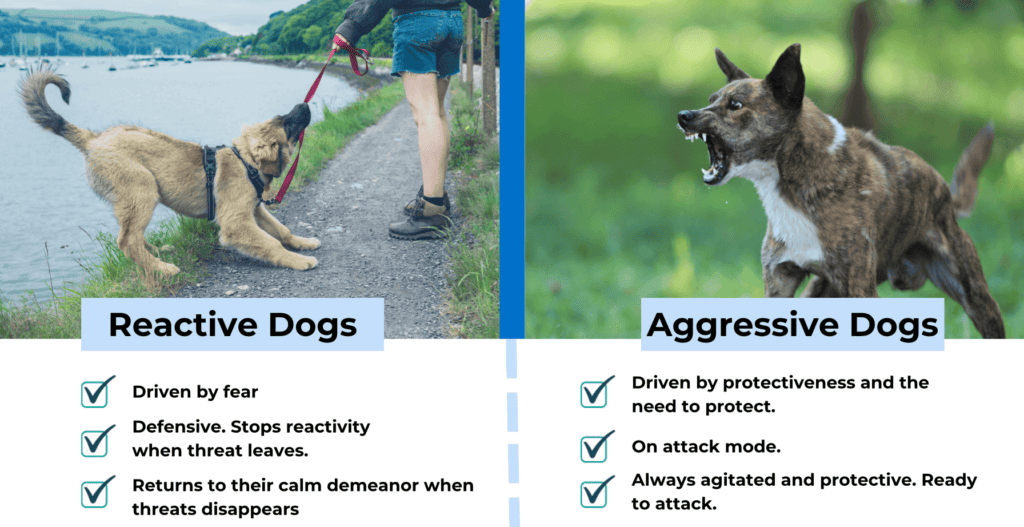
Dog care for reactive dogs requires a specialized, methodical approach focused on minimizing environmental triggers and implementing positive behavioral modification strategies. According to the International Association of Animal Behavior Consultants (IAABC), reactivity in domestic canines frequently stems from underlying fear, frustration, or over-arousal rather than unprovoked aggression, demanding structured management from pet parents and animal health caregivers. Implementing effective Dog Care protocols ensures that animals experiencing hyper-responsiveness to everyday stimuli receive the physical safety and psychological support necessary to thrive in a domestic setting. Understanding canine behavioral cues is the foundational step toward mitigating distress, preventing accidental bites, and establishing a predictable daily routine that fosters long-term emotional stability across diverse Dog Breeds.
Pet Wellness & Behavior Snapshot:
- Core Focus: Systematic management of environmental triggers and emotional arousal in reactive canines.
- Target Scope: Companion animal caregivers managing fear-based or barrier frustration responses.
- Key Recommendation: Prioritize threshold management and positive reinforcement desensitization techniques.
Core Principles and Detailed Overview
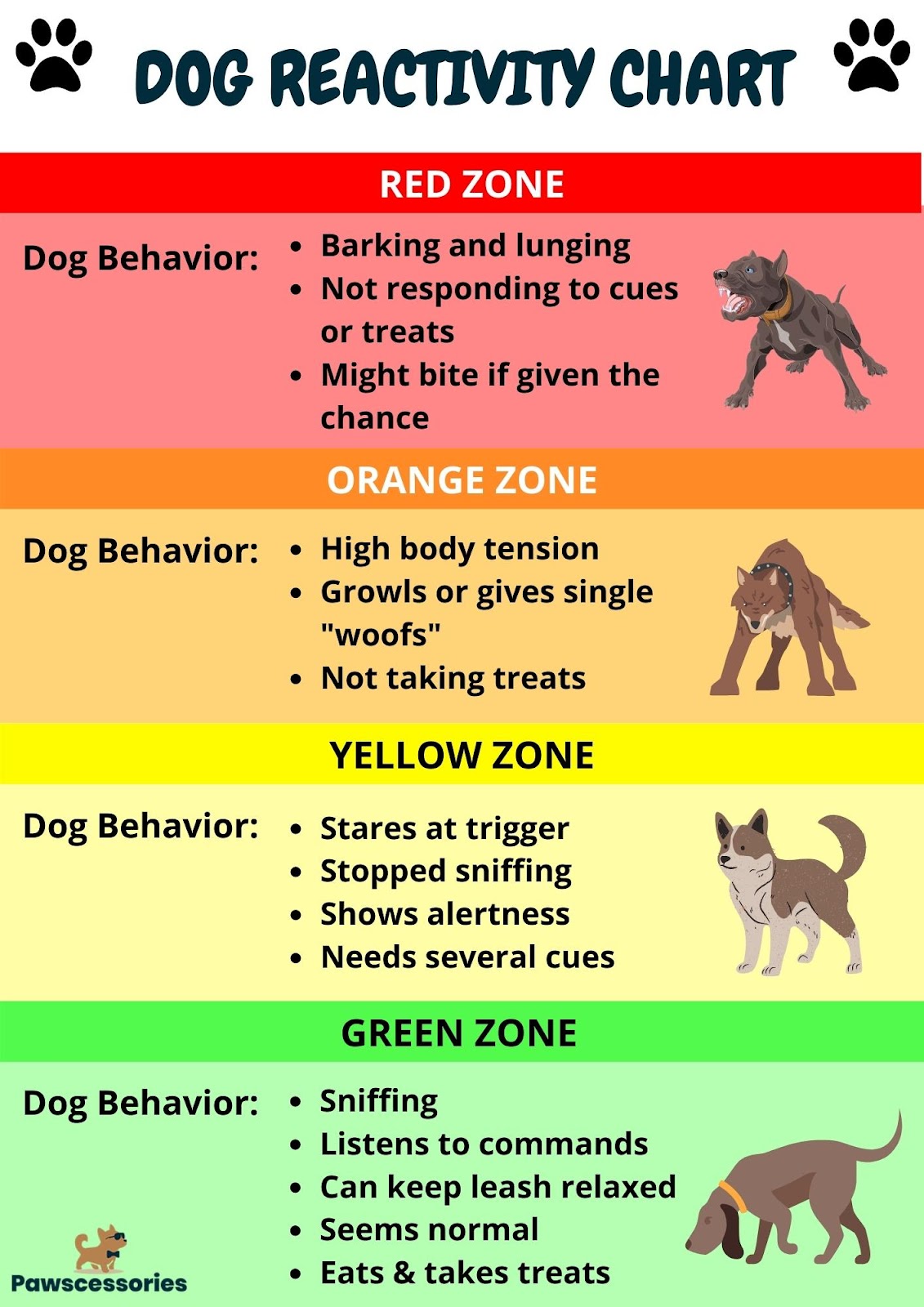
Reactivity management hinges on identifying exact physiological thresholds where a dog transitions from a calm state to an over-aroused, hyper-vigilant reaction. Detailed insights regarding canine psychology are continuously updated within resources dedicated to Dog Behavior, highlighting the direct link between chronic stress and autonomic nervous system activation. When caring for reactive animals, pet health professionals must evaluate concurrent medical conditions, because pain, discomfort, or sensory decline often exacerbate defensive reactions. Furthermore, balanced nutrition plays a critical role in neurochemical regulation, making careful dietary selection through Dog Nutrition guidelines an essential component of comprehensive behavioral management plans. Daily routines must incorporate predictable exercise, mental enrichment, and strict avoidance of known triggers to lower baseline cortisol levels and improve overall cognitive resilience.
Key Specifications and Breakdown
| Observed Indicator / Factor | Veterinary & Behavioral Explanation | Actionable Management Protocol |
|---|---|---|
| Stiffening Posture and Fixed Stare | Sympathetic nervous system activation indicates the animal has reached its stress threshold. | Increase physical distance from the trigger immediately before barking or lunging occurs. |
| Gastrointestinal Sensitivity | Chronic anxiety triggers the gut-brain axis, altering digestion and nutrient absorption. | Consult veterinary guidance for specialized diets available through Dog Health resources. |
| Leash Tugging and Barrier Frustration | Physical restraint prevents natural flight responses, amplifying frustration into explosive vocalizations. | Utilize front-clip harnesses and engage in cooperative handling training found via Dog Training frameworks. |
Behavioral modifications for reactive companion animals must prioritize safety, humane handling, and gradual desensitization without the application of aversive punishment or fear-inducing stimuli. — American Veterinary Medical Association (AVMA). Related guide: Boarding For Unneutered Male Dogs.
Step-by-Step Practical Application and Guidelines
Executing a successful desensitization and counter-conditioning program requires meticulous attention to spatial distance, timing, and high-value reinforcement rewards. Caregivers must establish safe operating zones where the animal notices a trigger without reacting defensively, allowing the brain to associate the stimulus with positive outcomes rather than perceived danger. During walks, handlers should maintain wide clearance from cyclists, unfamiliar dogs, and dense crowds, utilizing visual barriers such as parked cars or natural foliage to block line-of-sight when necessary. Consistency in cue delivery, calm handler body language, and predictable reward timing reinforce emotional regulation. Veterinary oversight remains paramount throughout this process, particularly when behavioral medications are warranted to lower profound anxiety baselines and accelerate learning potential.
Common Challenges and How to Avoid Them
Averting common setbacks in reactive dog management involves avoiding flooding, punishment, and unrealistic expectations regarding sudden behavioral transformations. Caregivers frequently commit the error of exposing the animal to overwhelming environments prematurely, which triggers sympathetic nervous system overload and erodes previous training progress. Punishment must be strictly avoided, because physical corrections elevate stress hormones and intensify defensive associations with triggers. Consistent record-keeping regarding daily triggers, successful threshold distances, and environmental stressors helps prevent accidental regression. Integrating structured support from Pets health professionals ensures that underlying medical issues remain addressed while behavioral modification plans evolve safely.
💬 Frequently Asked Questions
Explore More Pet Care and Animal Health Guides on PetsAnimalsWorld
Empowering companion animal caregivers with verified, science-based protocols remains the core mission of Pets Animals World. Continued education regarding canine behavioral health, preventive veterinary medicine, and optimal nutritional strategies ensures that every pet experiences a safe, balanced, and enriched life. Review additional expert-reviewed guides to stay informed on modern veterinary standards and compassionate animal husbandry practices.
Visual Reference Gallery