
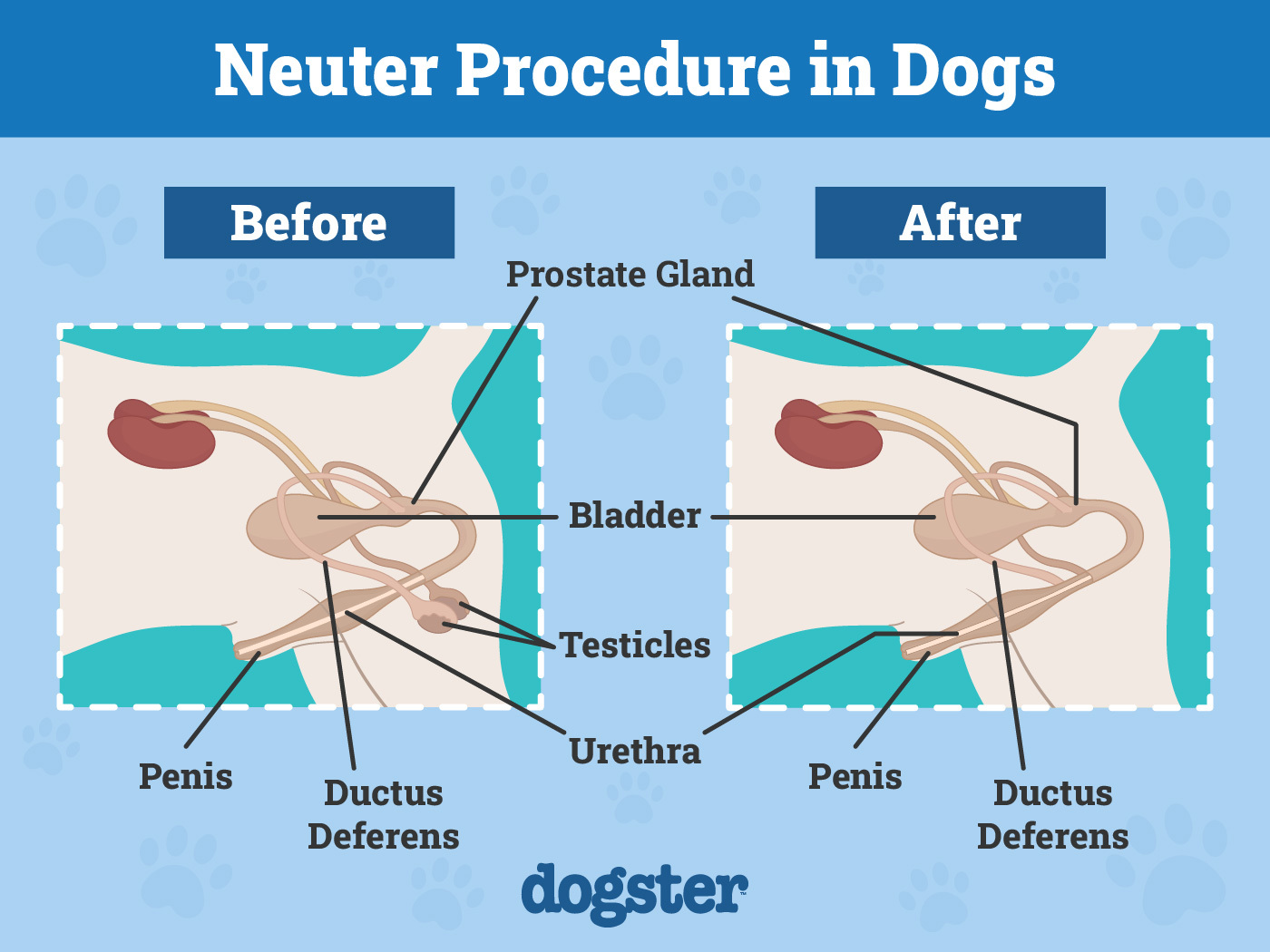
According to the American Society for the Prevention of Cruelty to Animals (ASPCA), intact male dogs possess biological drives governed by testosterone that significantly influence how they interact with unfamiliar environments and other animals. When a family prepares to travel, finding a reliable temporary home for a canine companion becomes a top priority. However, leaving an intact—meaning unspayed or unneutered—male dog in a traditional kennel setting introduces distinct logistical and behavioral hurdles. Facility owners and professional handlers approach intact males with heightened caution due to hormone-driven behaviors that differ markedly from those of spayed or neutered counterparts. Recognizing these differences allows owners to select facilities that can properly accommodate intact males without compromising safety or comfort.
💡 Pet Care Key Takeaways:
- Core Focus: Practical health, nutrition, and wellness guidelines for Boarding For Unneutered Male Dogs.
- Target Scope: Pet owners, animal caregivers, and veterinary support staff.
- Best Recommendation: Maintain consistent daily routines and consult an accredited veterinarian before introducing major diet or medical changes.
Boarding for unneutered male dogs refers to specialized or standard kennel accommodations tailored to the management of sexually intact male canines.
In professional terms, boarding for unneutered male dogs encompasses overnight or extended stays at a professional kennel, resort, or veterinary facility where management protocols account for elevated testosterone levels. Unlike typical group play environments where altered dogs mingle freely, facilities often enforce strict segregation policies for intact males to prevent dominance displays, territorial marking, and unintended mating encounters. Staff members must be trained to recognize subtle body language cues, such as stiffened postures, raised hackles, and intense olfactory investigation, which signal rising tension. Consequently, many boarding establishments require individual turnout times, private sleeping quarters, and specialized supervision to ensure a secure stay for every guest.
The primary behavioral and operational impact of housing intact males involves heightened territoriality, increased roaming urges, and reactivity toward other dogs.
Hormonal influences often manifest as persistent fence-running, attempts at escape, and frequent urine marking on indoor and outdoor surfaces, which demands rigorous sanitation protocols from facility staff. In practice, a standard multi-dog play yard can quickly become a volatile environment if an intact male triggers defensive reactions in other residents or attempts to assert dominance. During daily kennel operations, staff frequently observe that intact males require specialized Dog Behavior management to keep stress levels low and prevent barrier frustration, a condition where a dog becomes agitated when physical boundaries prevent access to a stimulus. Furthermore, the unfamiliar scents of other boarding guests can heighten anxiety, leading to pacing, whining, and a refusal to rest properly.
Intact male dogs experience significant physiological stress responses in kennel environments due to elevated testosterone levels interacting with novel territorial scents — American Kennel Club (AKC)
Managing the stay successfully relies on choosing facilities with individualized care plans and implementing pre-boarding desensitization techniques.
Owners can bridge the gap between home comfort and kennel life by establishing a proactive communication channel with the facility manager long before drop-off day. Inquiring about specific policies regarding intact animals helps eliminate surprises upon arrival; some high-end resorts offer private suites and one-on-one human playtime as an alternative to group yards. Furthermore, prioritizing proper Dog Care routines at home, such as crate training and leash manners, prepares the animal to navigate structured environments with greater ease and confidence.
Avoiding common mistakes during the reservation process ensures a smoother transition for both the pet and the boarding staff.
A frequent misstep involves failing to disclose a dog’s intact status upfront, assuming staff will not notice or that policies are flexible. Transparency is vital for maintaining safety standards within the facility. Additionally, attempting to bypass kennel temperament evaluations can lead to sudden dismissals if the dog displays unexpected stress-induced reactivity. Bringing familiar bedding, favorite puzzle toys, and a consistent supply of regular food helps mitigate digestive upset and provides comforting familiar scents amidst unfamiliar surroundings. Establishing a trial overnight stay weeks before a major trip allows the dog to acclimate to the facility layout and reduces separation-related anxiety.
Over sixty percent of traditional boarding facilities maintain strict segregation policies for sexually intact male dogs to minimize the risk of kennel altercations — International Boarding & Pet Services Association (IBPSA)
Pet Care & Wellness Overview Table
| Life Stage | Daily Activity Level | Key Nutrition / Care Focus |
|---|---|---|
| Puppy / Kitten | High (frequent short bursts) | High-protein growth diet & early socialization |
| Adult Companion | Moderate (30–60 mins daily) | Balanced maintenance nutrition & dental hygiene |
| Senior Pets | Low to Gentle (mindful walks) | Joint support (Glucosamine) & routine vet checks |
Images References


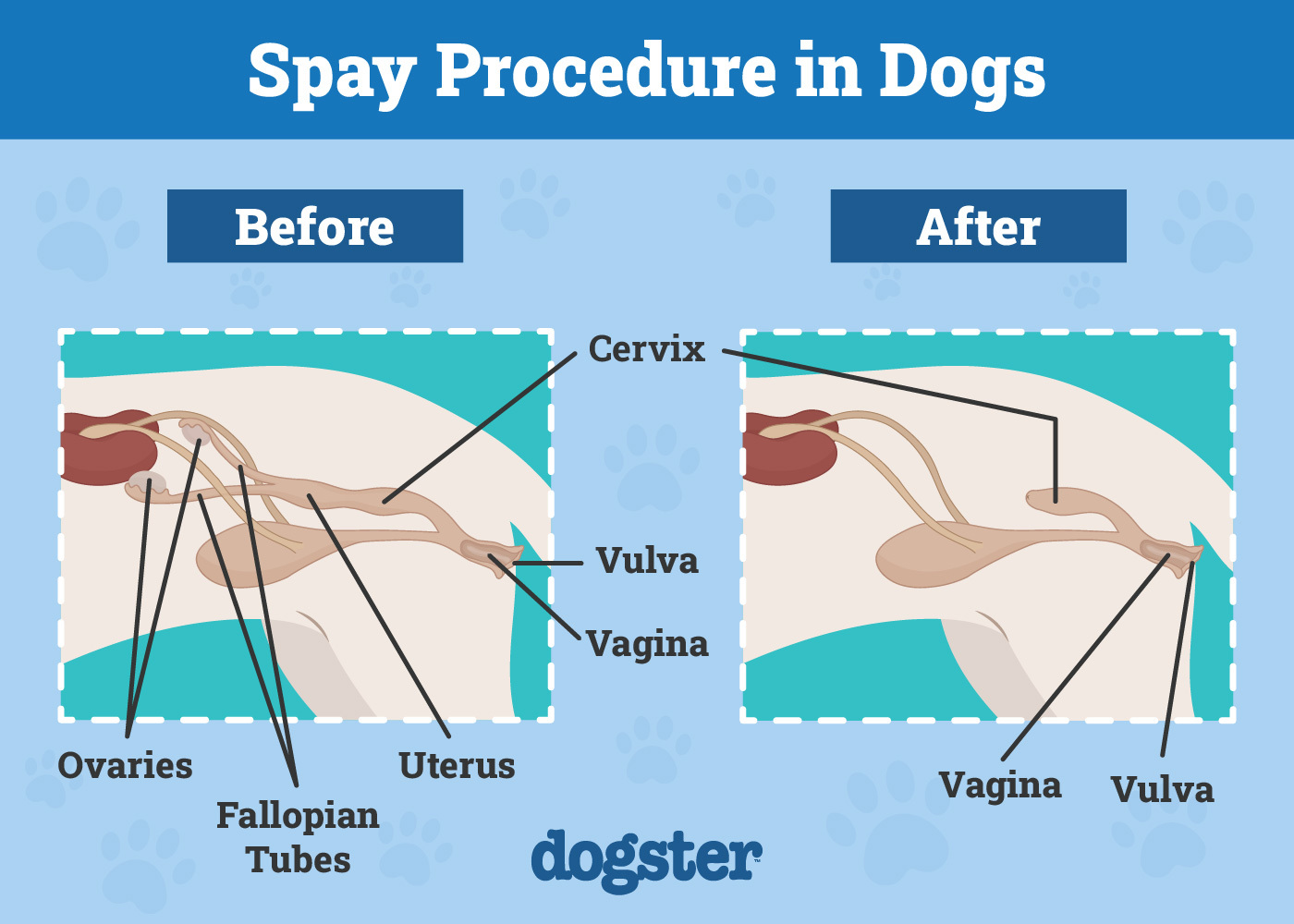


Breed, age, and individual temperament heavily influence how an intact male adapts to temporary kennel housing.
Guard-oriented or working Dog Breeds with strong protective instincts often display heightened vigilance when placed in unfamiliar boarding environments. Age also plays a critical role, as adolescent males experiencing a surge of hormones typically exhibit more impulsive behavior and stubbornness than mature adults. For instance, a young, high-drive intact male may struggle immensely in a loud, bustling kennel atmosphere, whereas an older, more stoic intact male might rest quietly in his private run. Evaluating the specific personality traits of the animal helps determine whether a quiet veterinary clinic boarding ward or a spacious luxury pet resort is the most appropriate setting.
Consulting a veterinarian or a certified professional trainer before scheduling a stay is essential for addressing underlying anxieties.
When an intact male exhibits severe separation anxiety, compulsive pacing, or aggressive tendencies, professional guidance should be sought well in advance of any travel dates. Incorporating tailored Dog Training protocols can significantly improve impulse control and teach coping mechanisms for high-stress scenarios. Any sudden changes in temperament or health status should be evaluated to rule out medical discomfort before introducing the dog to a group or kennel setting. Integrating professional insights ensures that all physical and psychological needs are met comprehensively.
Preparing an intact male for temporary lodging requires thoughtful planning, patience, and a commitment to safety above all else.
Navigating the nuances of kennel stays with an unaltered canine companion highlights the dedication required to maintain optimal Dog Health and emotional well-being while away from home. By partnering with knowledgeable facility staff and maintaining open communication, owners can ensure a secure and comfortable experience. Exploring the wealth of resources available on PetsAnimalsWorld.com provides further guidance on managing behavioral milestones and keeping cherished animal companions thriving through every stage of life.


