Introduction
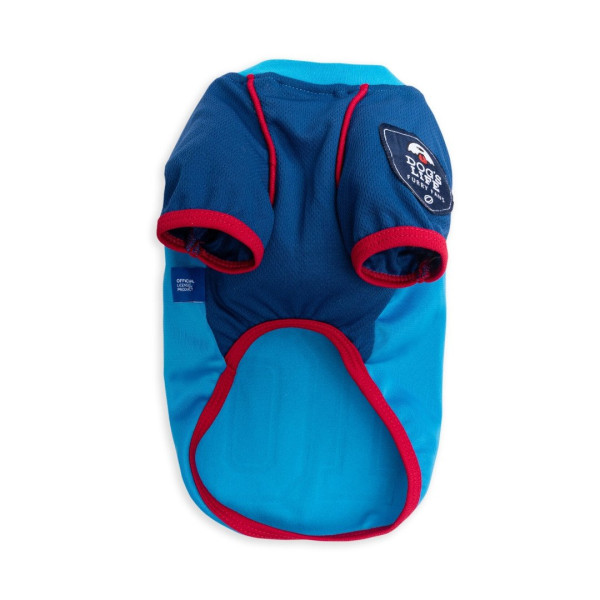
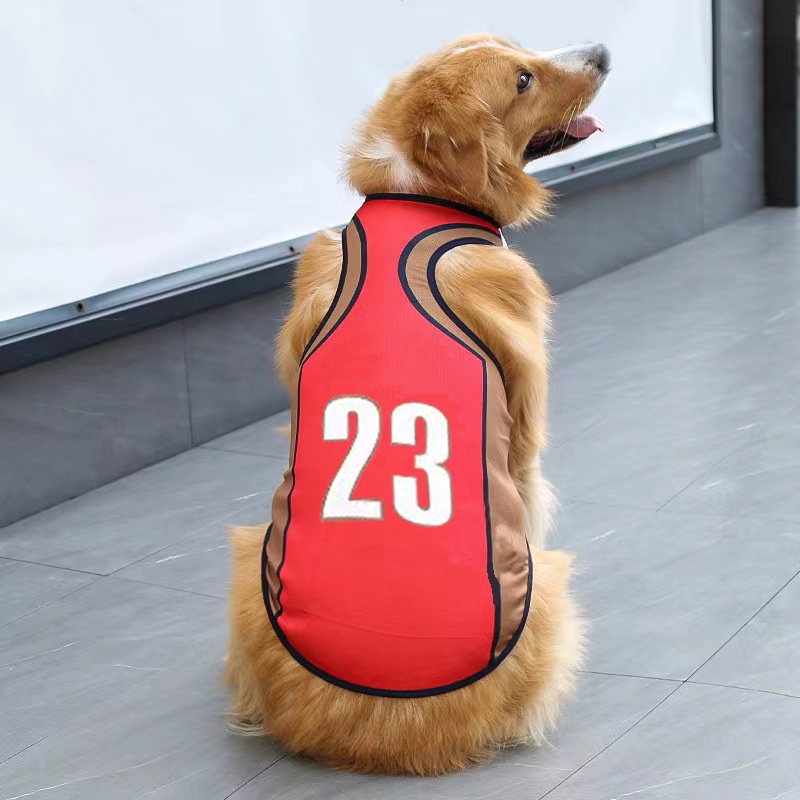
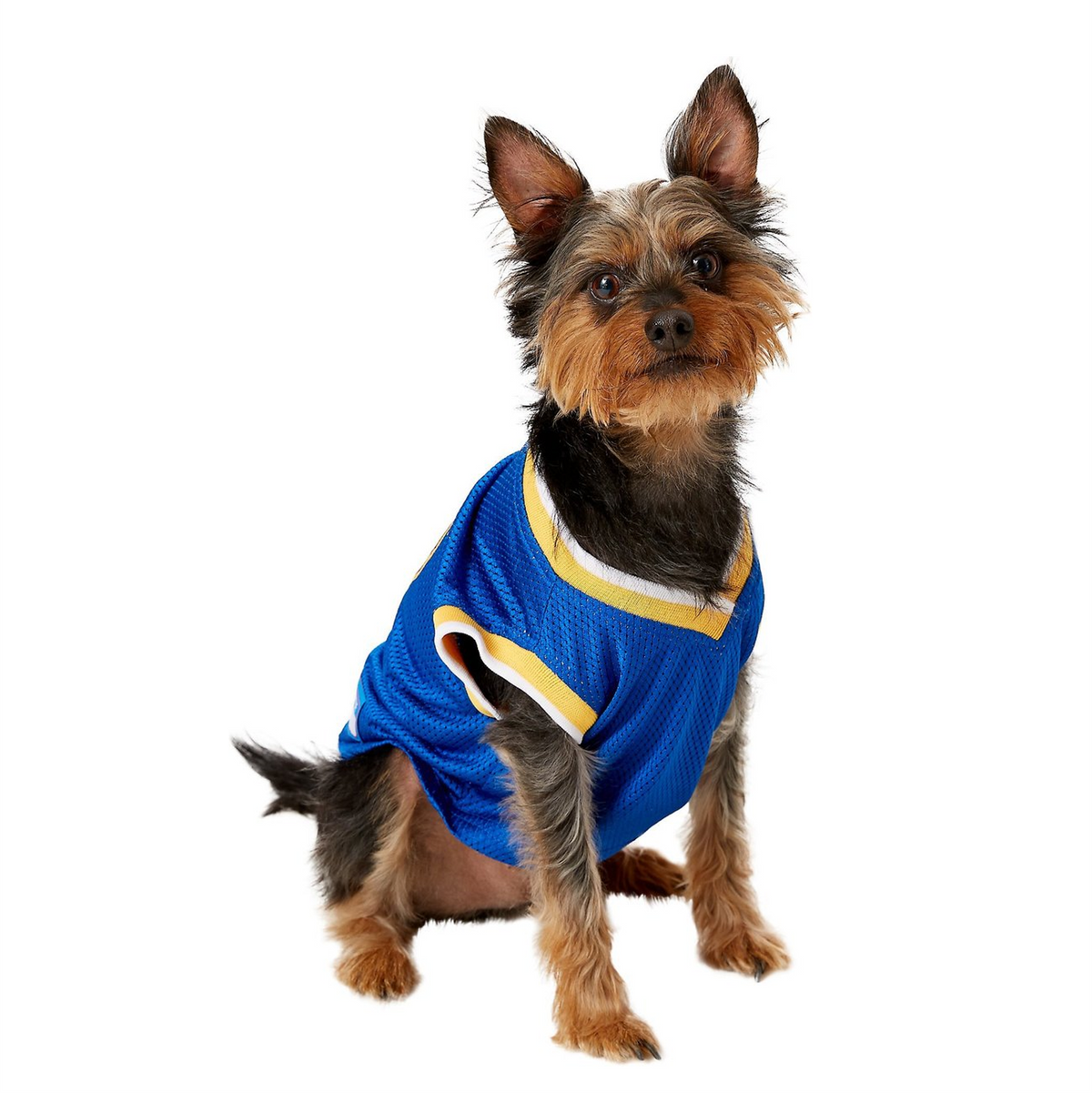
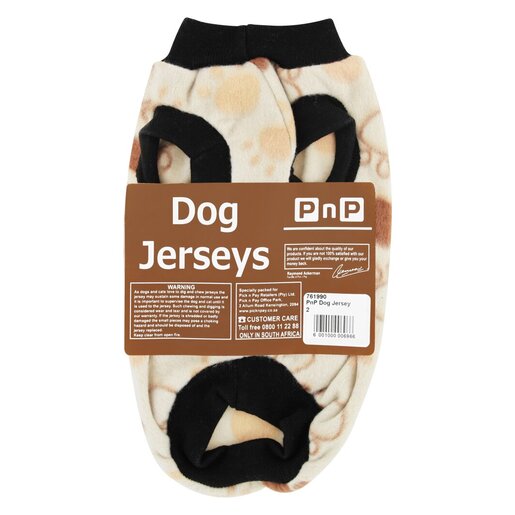
Dog care jersey encompasses specialized therapeutic garments, regional veterinary health protocols, and tailored apparel management designed to protect canine well-being across diverse climates and activity levels. According to the American Animal Hospital Association (AAHA), proactive environmental and physical management strategies significantly improve overall canine health outcomes and reduce chronic stress. Integrating appropriate protective garments requires balancing material breathability, proper thermal regulation, and structural fit to prevent skin irritation while safeguarding sensitive skin or surgical sites. Maintaining optimal physical health relies heavily on understanding how specialized accessories, such as medical jerseys or seasonal coats, interact with canine anatomy and behavioral indicators. Related guide: Boarding For Unneutered Male Dogs.
Pet Wellness & Behavior Snapshot:
- Core Focus: Professional utilization of protective canine garments and localized pet wellness protocols.
- Target Scope: Clinical recovery support, seasonal thermal regulation, and behavioral anxiety mitigation.
- Key Recommendation: Select breathable, properly fitted garments to eliminate friction-induced dermatological complications.
Core Principles and Detailed Overview
Selecting an appropriate dog care jersey involves evaluating textile composition, postural mechanics, and the specific therapeutic objective behind its application. Breathable cotton blends and moisture-wicking synthetic fabrics prevent heat buildup and moisture entrapment, which otherwise foster bacterial or fungal dermatitis beneath the fabric layer. Furthermore, garments intended for behavioral anxiety—such as compression wraps—must apply gentle, continuous pressure across major muscle groups without restricting thoracic expansion or natural respiratory mechanics. Caregivers must regularly inspect the dermis beneath any clothing item to detect early signs of chafing, matting, or contact dermatitis. Comprehensive protocols within Dog Health emphasize that any wearable item should be introduced gradually using positive reinforcement techniques to prevent the escalation of situational phobias.
Key Specifications and Breakdown
| Observed Indicator / Factor | Veterinary & Behavioral Explanation | Actionable Management Protocol |
|---|---|---|
| Restricted limb movement or stiffness | Garment armholes cut too high can cause friction against the axillary region, altering natural gait. | Measure chest girth and back length carefully to ensure unrestricted range of motion. |
| Excessive licking or scratching at fabric | Indicates localized sensory overload, thermal discomfort, or underlying dermatological irritation. | Remove the garment immediately, inspect the skin for redness, and consult a professional. |
| Freezing behavior upon outfit placement | Reflects acute freeze responses linked to improper garment introduction or sensory sensitivity. | Pair dressing rituals with high-value treats and limit initial wear durations to brief intervals. |
Routine physical examinations and environmental modifications are foundational standards for mitigating chronic canine health issues and preventing secondary infections. — American Veterinary Medical Association (AVMA)
Step-by-Step Practical Application and Guidelines
Implementing a safe garment management routine requires systematic measurement, gradual desensitization, and daily hygiene maintenance. Begin by measuring the canine subject from the base of the neck to the base of the tail, alongside the widest part of the ribcage, referencing guidelines found within Dog Care to ensure precise sizing. Introduce the clothing item by placing it nearby and rewarding calm investigative behaviors with palatable treats before attempting placement. When sliding the fabric over the head, keep movements slow and deliberate while offering verbal praise to reinforce a relaxed emotional state. Once fitted, monitor the animal continuously for the first thirty minutes to ensure the material does not twist, bunch, or restrict natural bodily functions. Wash the garment frequently using hypoallergenic, unscented detergents to eliminate accumulated dander, pollen, and natural oils that irritate sensitive skin.
Common Challenges and How to Avoid Them
Overlooking proper textile maintenance and ignoring subtle behavioral warning signs represent the most frequent pitfalls encountered by pet caregivers utilizing canine garments. Leaving a protective jersey on continuously without daily skin inspections creates an ideal microenvironment for moisture retention, leading rapidly to hot spots and bacterial proliferation. Caregivers must schedule mandatory apparel-free intervals daily to allow the coat to air out and enable thorough dermatological checks. Additionally, selecting garments with decorative accessories, dangling buttons, or loose threads introduces severe gastrointestinal foreign body hazards if the animal chews the fabric. Proper oversight combined with structured insights from Dog Behavior ensures that wearable management tools support rather than hinder overall psychological and physical well-being.
💬 Frequently Asked Questions
Explore More Pet Care and Animal Health Guides on PetsAnimalsWorld
Sustaining a high quality of life for companion animals requires continuous education spanning specialized husbandry, behavioral science, and preventive health maintenance. Expanding knowledge bases through targeted resources helps caregivers make informed decisions tailored to individual animal requirements. Discover comprehensive advice, expert-backed strategies, and extensive educational libraries across all animal categories by visiting Pets Animals World.
Visual Reference Gallery