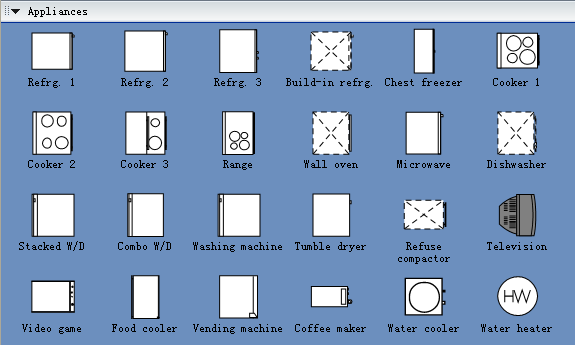
Understanding appliance wiring diagram symbols in Everyday Pet Care
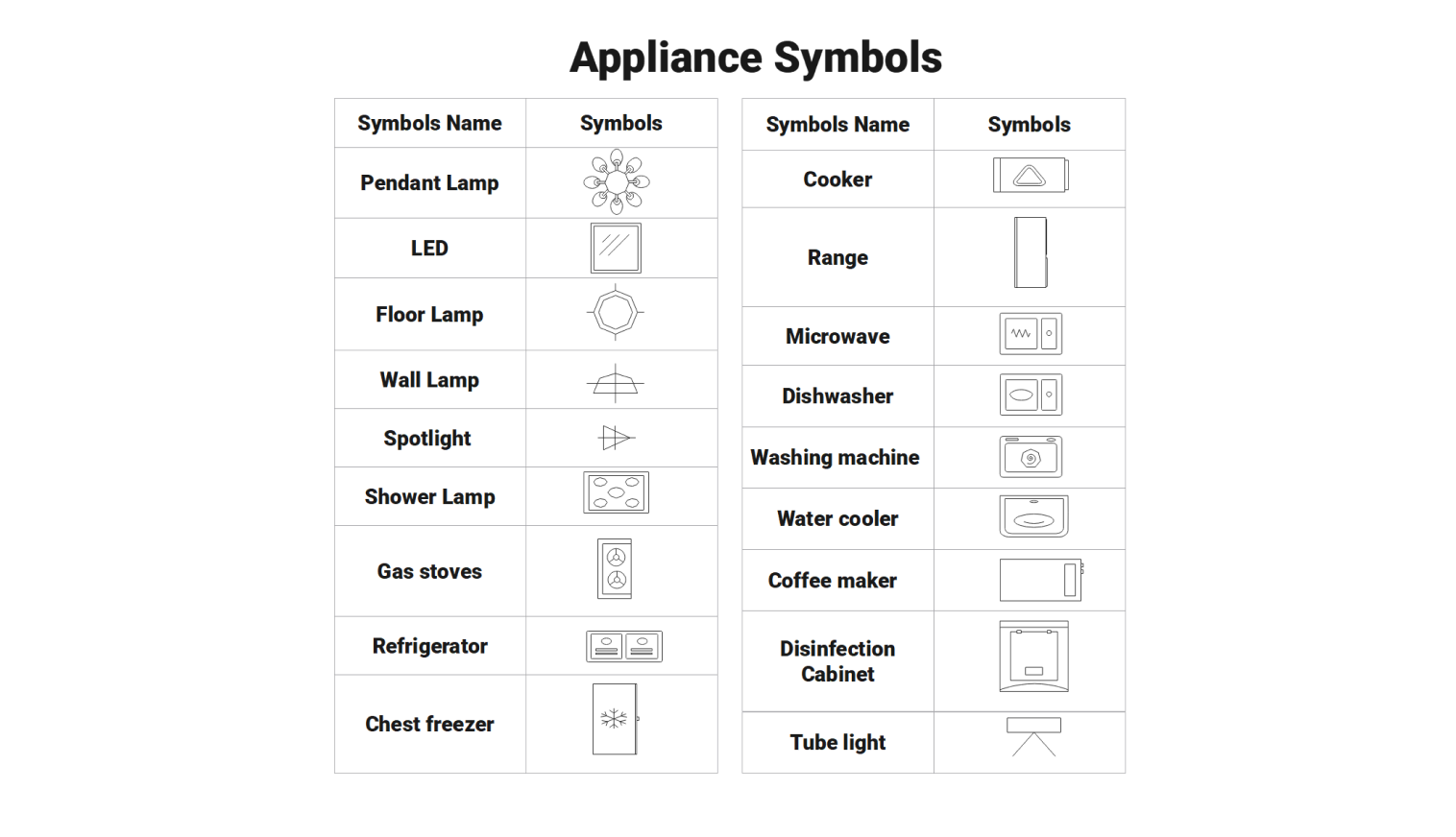
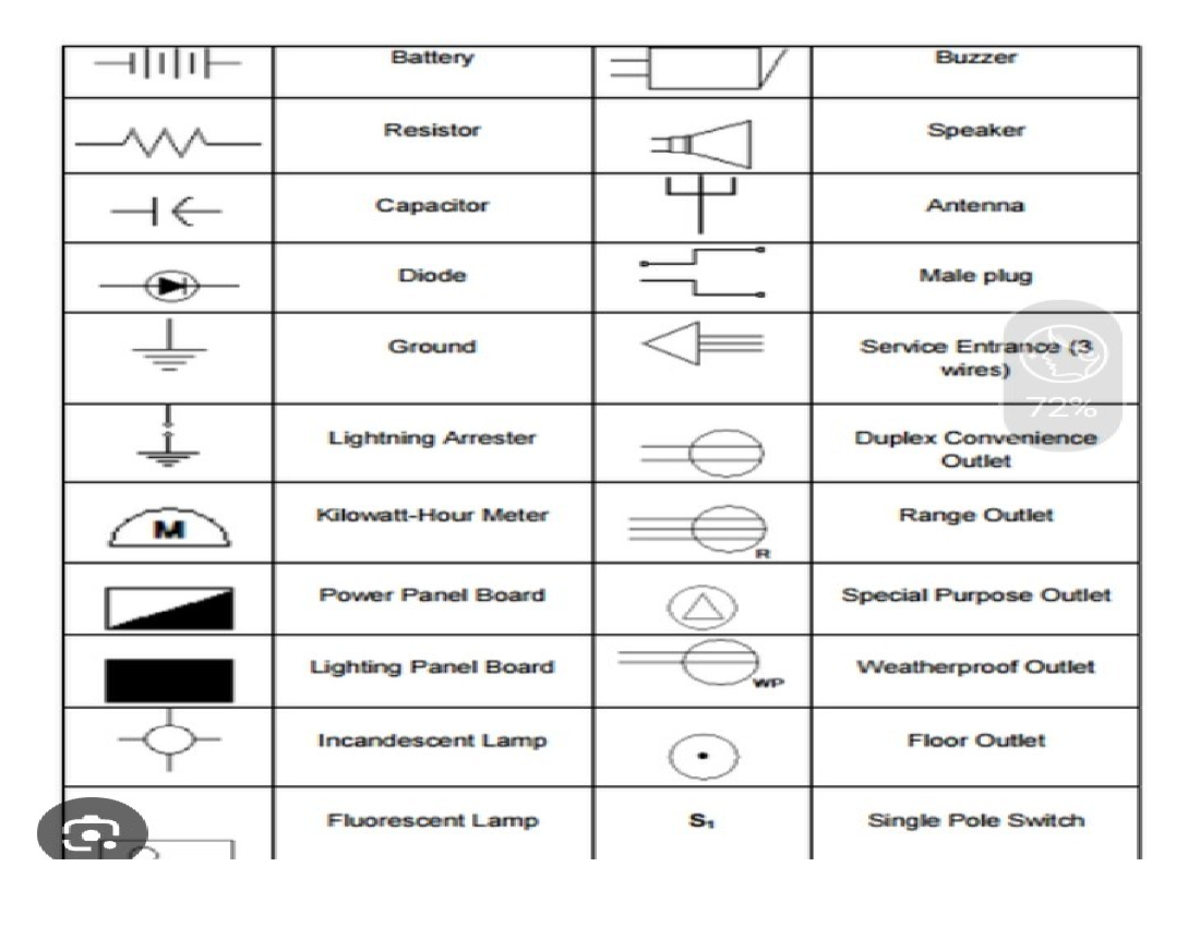
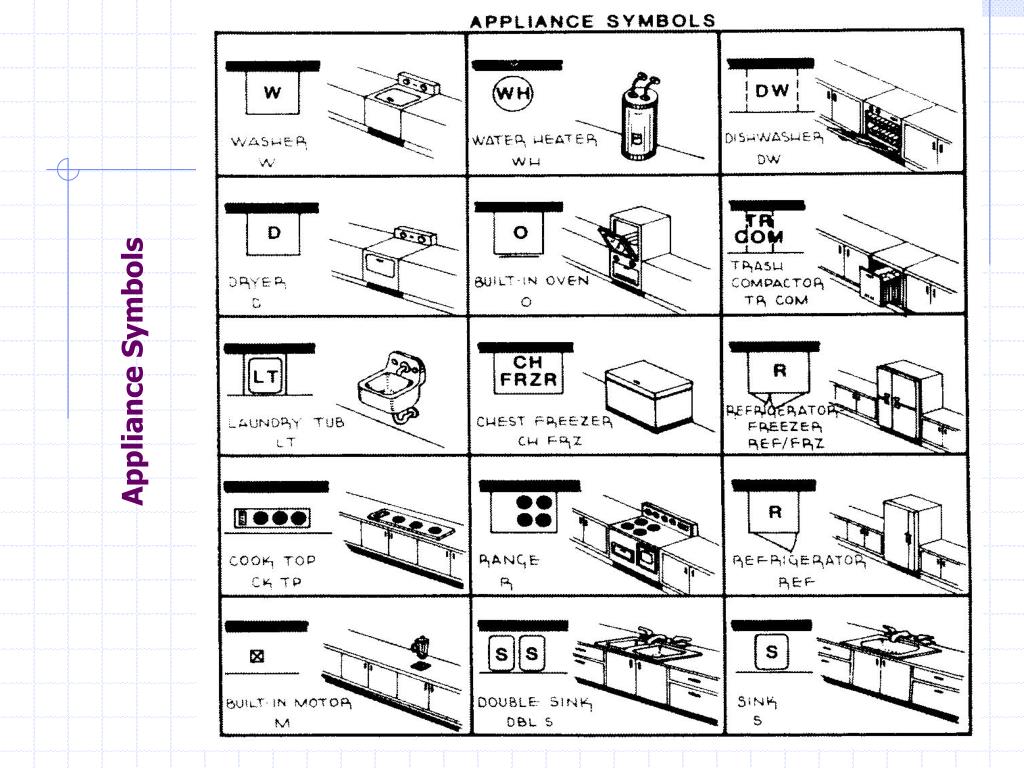
When sharing our homes with companion animals, we rarely think about the complex electrical language hidden behind our household appliances. However, according to clinical behaviorists and guidelines from the American Animal Hospital Association, a pet’s natural curiosity can intersect with household infrastructure in unexpected ways. Whether you are reconfiguring your entertainment center or troubleshooting a malfunctioning laundry unit, keeping pets safe requires looking at your home layout through a preventative lens. Understanding appliance wiring diagram symbols helps owners identify hidden electrical hazards, prevent destructive chewing behaviors, and protect our pets from preventable household accidents.
💡 Technical Key Takeaways:
- Core Focus: Diagnostic schematic and terminal connection layout for Appliance Wiring Diagram Symbols.
- Target Scope: Field technicians, automotive DIYers, and residential/commercial electricians.
- Safety Rule: Always disconnect the primary power source/battery terminal and verify zero voltage with a multimeter before touching wires.
Signals & Patterns Owners Should Watch
Animals often communicate environmental stress or physical discomfort through subtle shifts in their daily routines. Guided by principles from the International Association of Animal Behavior Consultants, we know that repetitive chewing or obsessive licking near baseboards and appliance cords is rarely random. It can stem from underlying dental irritation, separation anxiety, or exploratory boredom. Recognizing these early warning signs allows you to intervene before a minor behavioral habit transforms into a dangerous electrical emergency.
| Observed Sign | Likely Underlying Trigger | Best Owner Response |
|---|---|---|
| Mild sniffing or brief interest in exposed cords during room reorganizations. | Natural exploratory curiosity regarding novel textures and spatial changes. | Redirect attention immediately with a sturdy chew toy and apply pet-safe cord protectors. |
| Persistent chewing, scratching, or pacing behind kitchen and laundry appliances. | Behavioral stress, separation anxiety, or lack of environmental enrichment. | Consult our Dog Behavior guides to introduce interactive puzzle feeders and structured daily exercise. |
| Sudden lethargy, localized burns on the lips or paws, or reluctance to eat. | Acute electrical shock or severe oral trauma requiring immediate medical triage. | Safely disconnect power sources if possible and transport your pet to an emergency veterinary hospital immediately. |
Daily Routine Adjustments & Supportive Care
Mitigating environmental hazards goes hand in hand with meeting your pet’s physical and mental needs. If an animal is driven to chew on hidden cords outlined in your home maintenance manuals, they may simply be seeking sensory stimulation or relief from teething pain. To combat this, review our comprehensive tips found in Dog Care articles to establish robust physical barriers like heavy-duty cord management tubing, bitter-apple deterrent sprays, and heavy furniture placement. Providing appropriate chew alternatives fulfills their natural predatory and gnawing instincts safely away from dangerous electrical circuits.
When Home Observation Is Not Enough
While preventative proofing protects most pets, accidents can still occur. The American Veterinary Medical Association emphasizes that electrical shocks can cause delayed internal injuries, such as pulmonary edema or cardiac arrhythmias, which may not show symptoms immediately. If you suspect your companion animal has investigated live wires or chewed through protective insulation, do not wait for visible distress. Keep a detailed log of any unusual drooling, coughing, or behavioral withdrawal, and bring these notes alongside photos of the compromised appliance area directly to your veterinarian.
Pet Parent Q&A
Why are young pets so attracted to appliance cords and electrical wires?
Puppies and kittens explore the world primarily through their mouths, and the rubbery texture of electrical insulation mimics the feel of natural prey. Additionally, teething discomfort drives them to seek out cool, firm surfaces to chew on.
How can I safely secure complex appliance wiring setups in multi-pet homes?
Use rigid PVC conduit channels or heavy-duty braided cord sleeves to completely encase any accessible wires behind refrigerators, televisions, and washing machines. This physical barrier prevents teeth and claws from puncturing the protective plastic insulation.
Are certain pets more prone to chewing on household electrical infrastructure?
High-energy working breeds and young animals experiencing high levels of boredom or separation anxiety are statistically more likely to engage in destructive chewing behaviors. Proper mental enrichment and physical exhaustion significantly reduce this risk.
More Pet Health & Behavior Guides on PetsAnimalsWorld
Keeping your household safe for furry family members requires continuous learning and proactive home management. Explore more expert-backed tips, nutrition advice, and safety manuals by visiting PetsAnimalsWorld.com today.
Wiring Diagram Schematics & Details