Understanding holiday care of pet sitter explanation in Everyday Pet Care
The holiday season brings a whirlwind of travel, festive gatherings, and altered household schedules. For our companion animals, these disruptions can trigger significant anxiety unless managed with care. According to the International Association of Animal Behavior Consultants (IAABC) and clinical guidelines from the American Veterinary Medical Association (AVMA), maintaining biological predictability is essential for emotional stability in dogs and cats. When owners must travel or work late during festive weeks, a thorough holiday care of pet sitter explanation ensures that a professional steps into a predictable routine rather than creating chaos. Grounding our preparation in these clinical and behavioral principles helps protect our pets from acute stress responses while keeping their physical health stable.
💡 Pet Care Key Takeaways:
- Core Focus: Practical health, nutrition, and wellness guidelines for Holiday Care Of Pet Sitter Explanation.
- Target Scope: Pet owners, animal caregivers, and veterinary support staff.
- Best Recommendation: Maintain consistent daily routines and consult an accredited veterinarian before introducing major diet or medical changes.
Signals & Patterns Owners Should Watch
Companion animals communicate discomfort long before they show overt signs of distress. Recognizing subtle behavioral shifts allows you to adjust your holiday planning early. Whether you are consulting resources on Dog Behavior or discussing plans with a professional caregiver, keeping a close eye on your pet’s baseline habits prevents minor anxieties from escalating into destructive behavior or physical illness.
| Observed Sign | Likely Underlying Trigger | Best Owner Response |
|---|---|---|
| Mild pacing or waiting by the door | Anticipatory anxiety from early packing cues | Maintain a calm demeanor and provide a comforting interactive puzzle toy. |
| Whining, clinginess, or refusal to eat regular meals | Disrupted household routines or unfamiliar sitter scent | Schedule a pre-holiday meet-and-greet so the sitter feels familiar to your pet. |
| Persistent vomiting, diarrhea, or self-trauma | Severe separation distress or accidental toxin ingestion | Contact your veterinarian immediately for a clinical assessment and guidance. |
Daily Routine Adjustments & Supportive Care
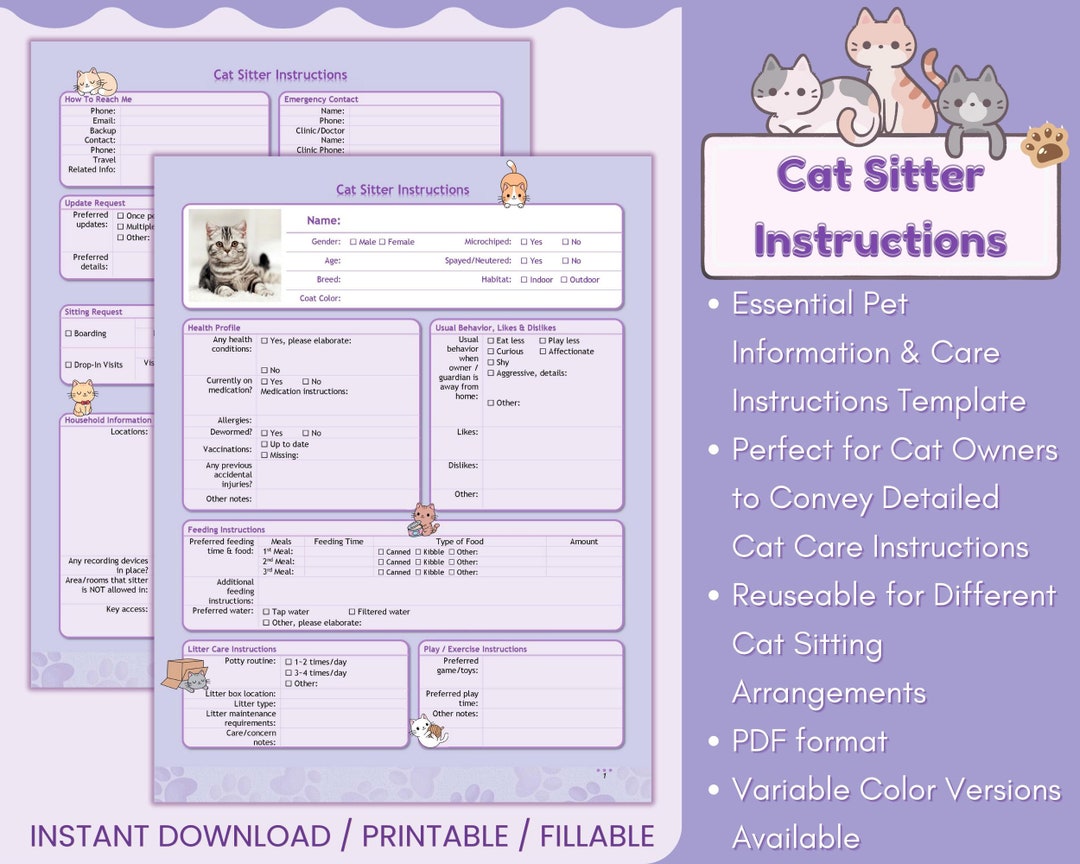
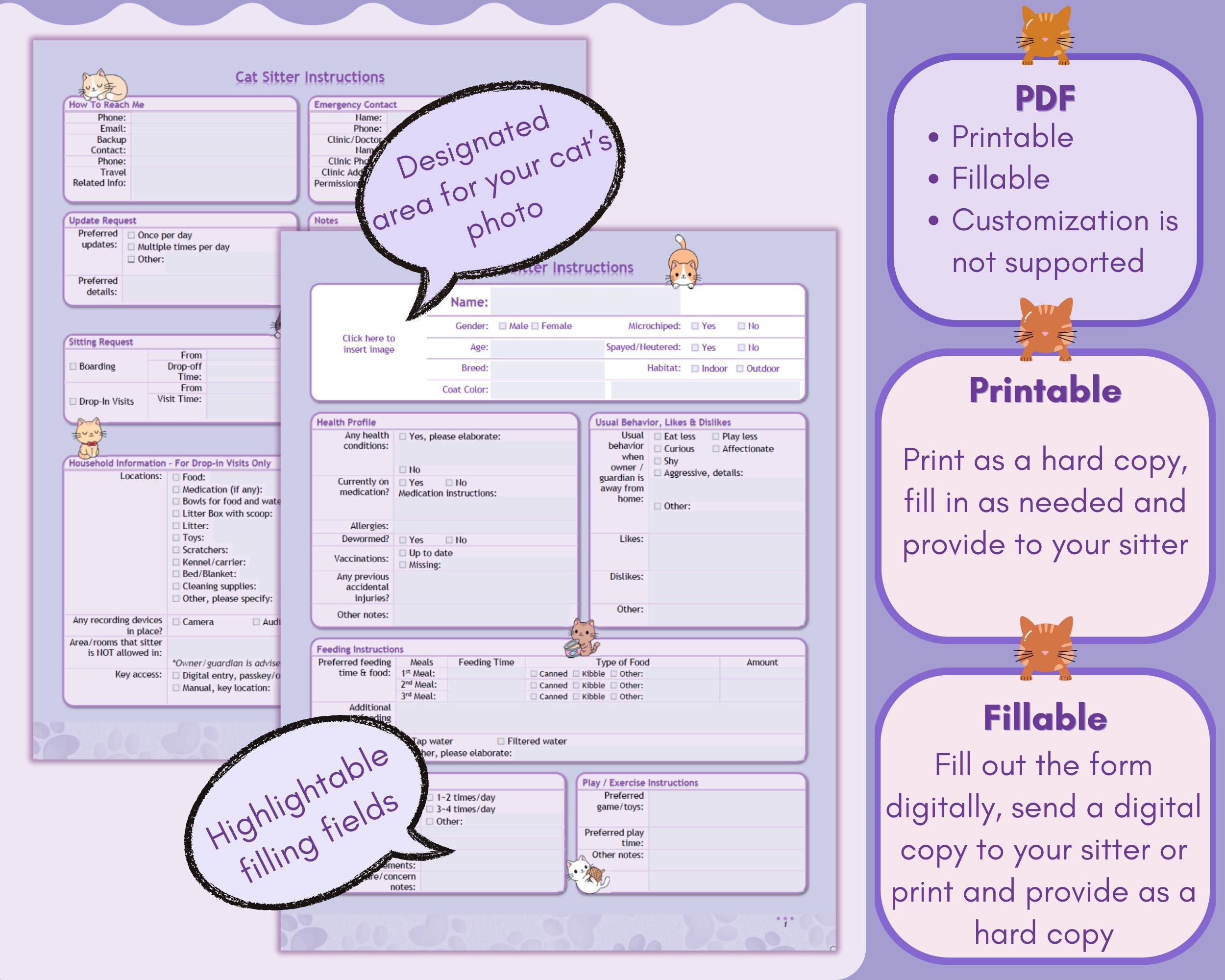
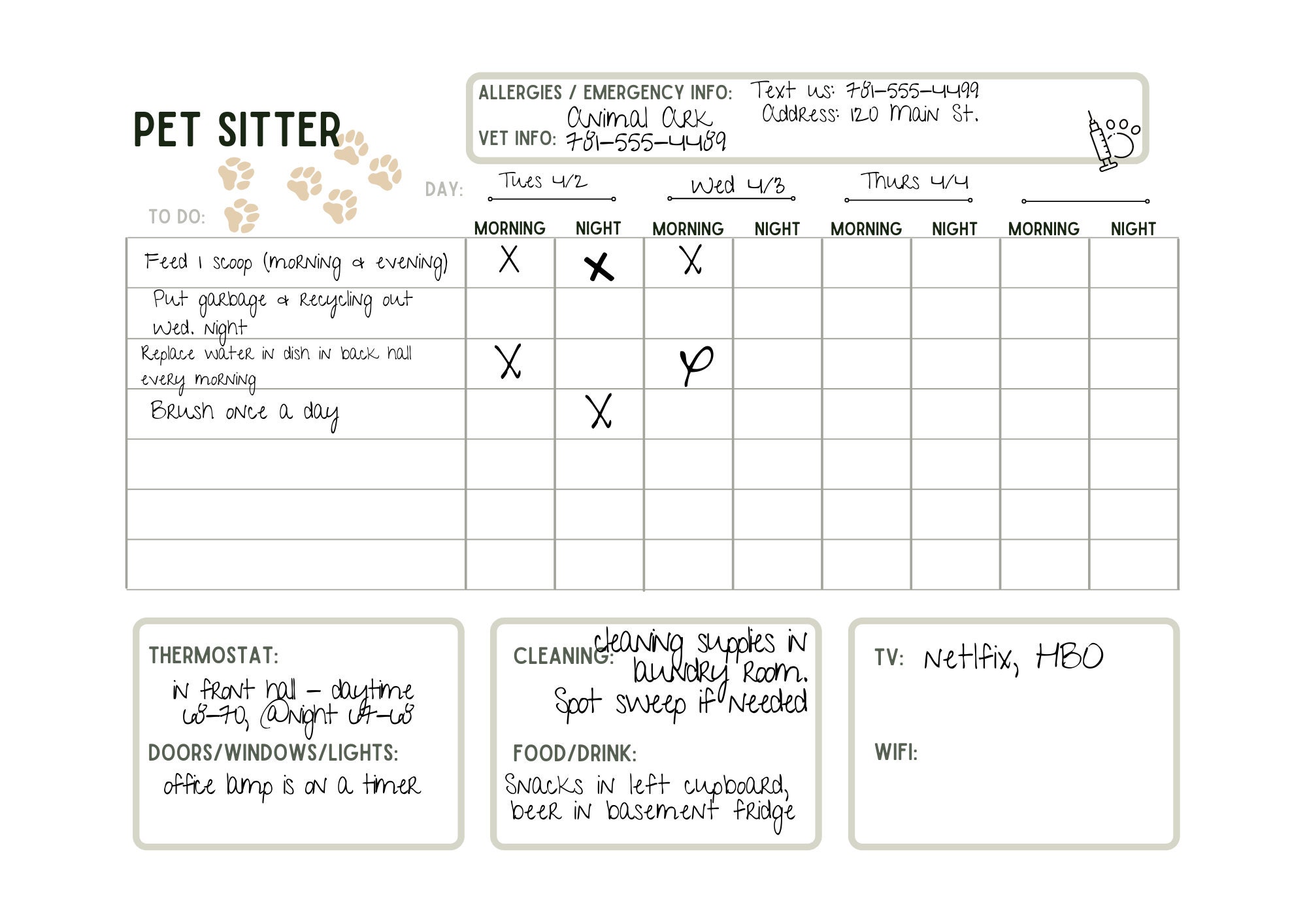
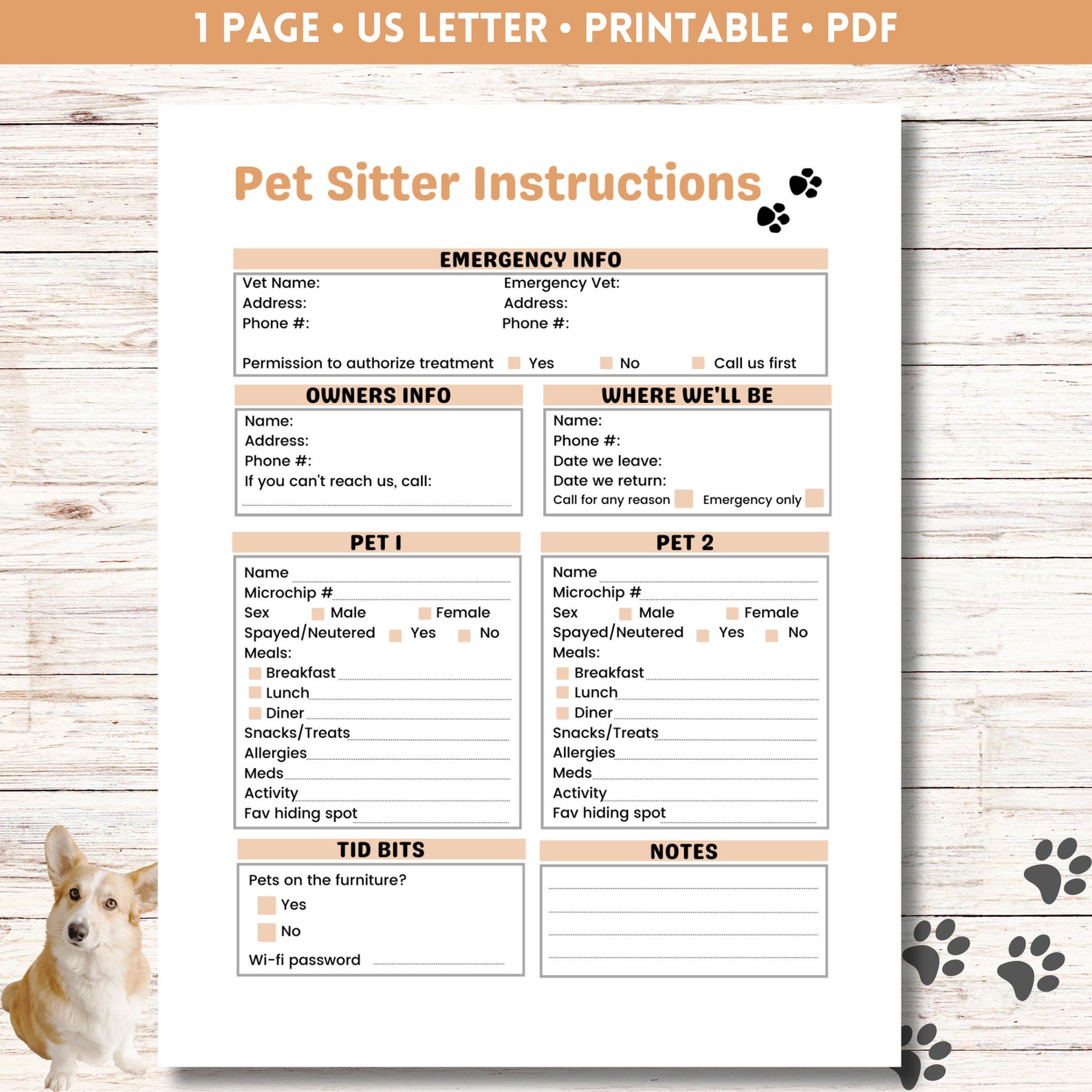
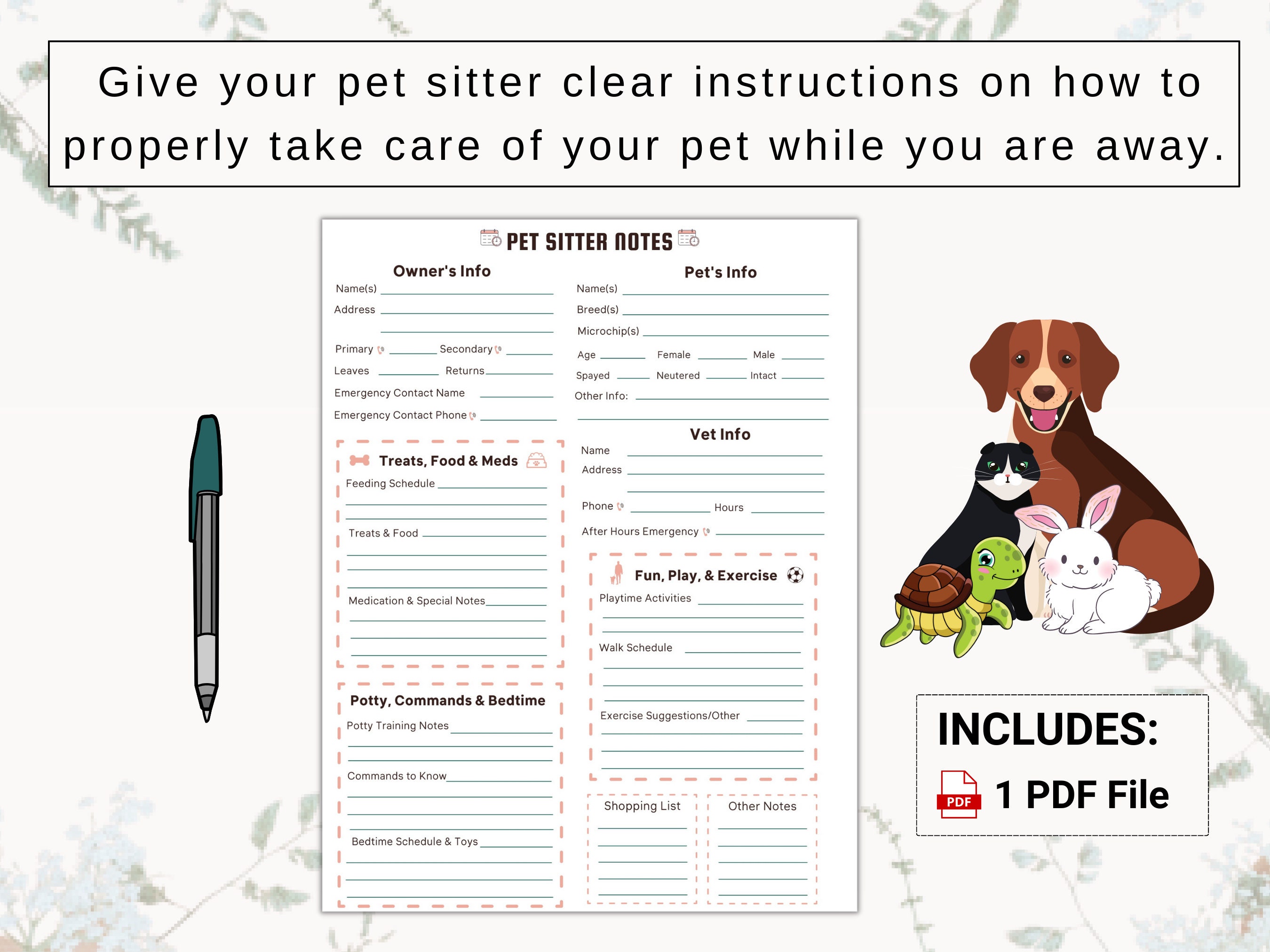
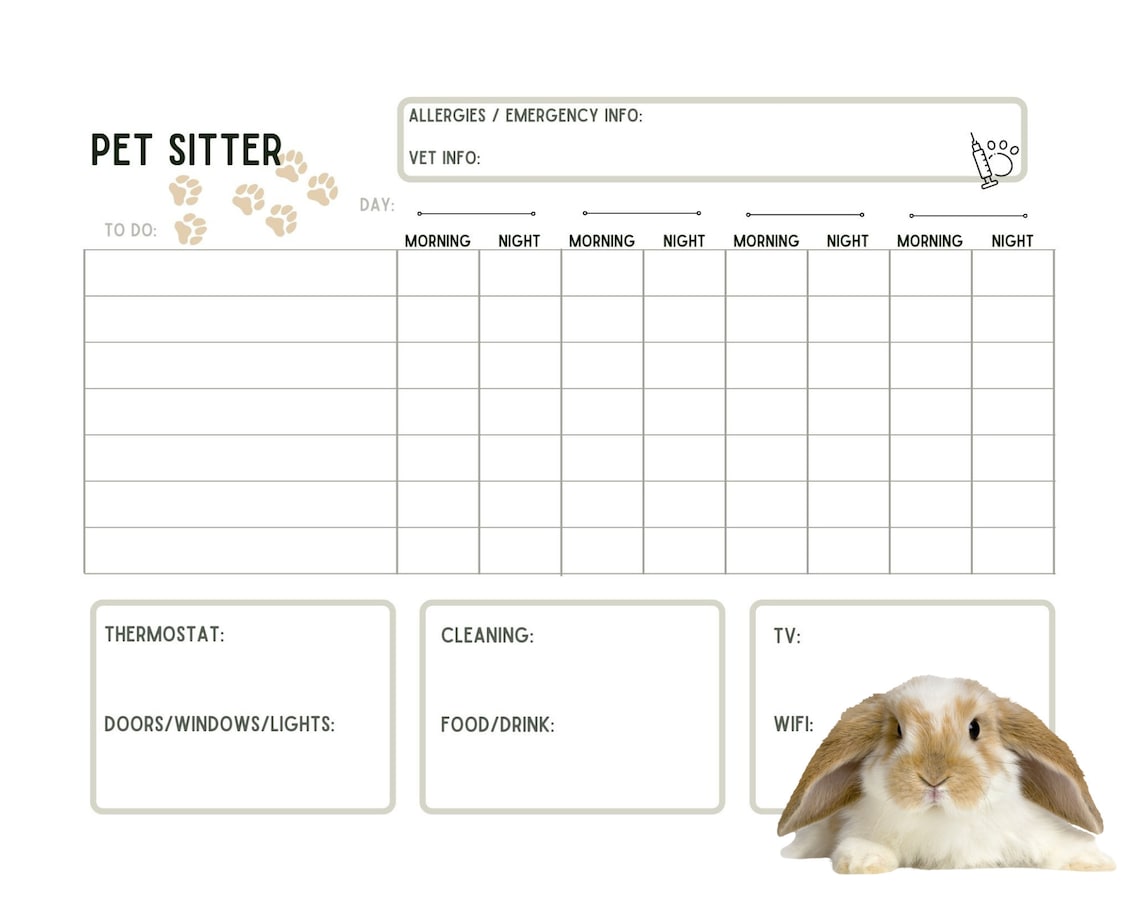
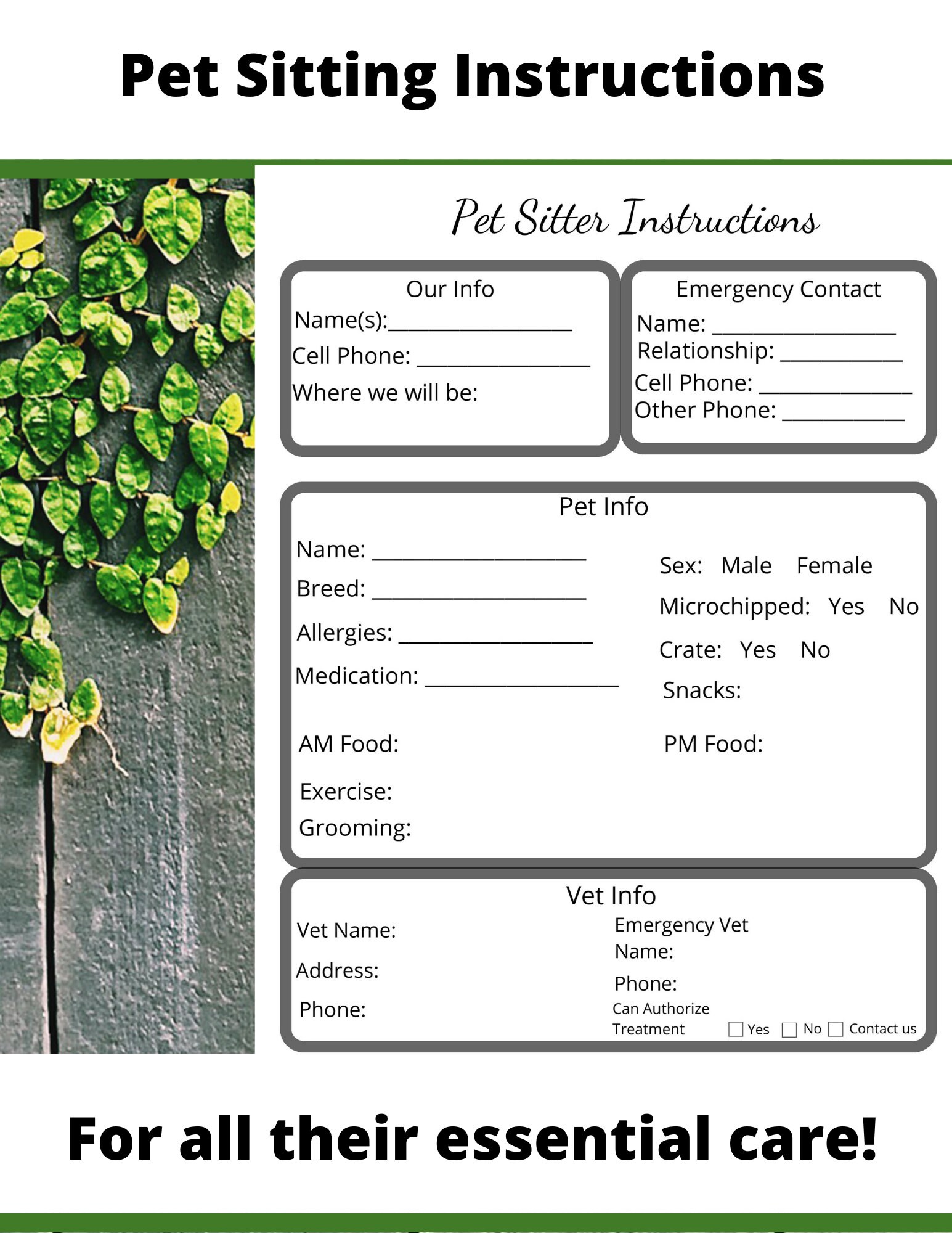
Preparing your home and your chosen caregiver requires more than just leaving a key and a bag of food. American Animal Hospital Association (AAHA) protocols emphasize that environmental enrichment and clear communication are vital when introducing temporary caretakers. Before your departure, write out a detailed schedule covering exact feeding portions, medication administration times, and preferred walking routes. If you are refining your overall pet management strategy, reviewing guides on Dog Care can help you establish reliable feeding and exercise frameworks. Equip your sitter with puzzle feeders, safe chew items, and designated resting zones to ensure your pet’s cognitive needs are met while you are away.
When Home Observation Is Not Enough
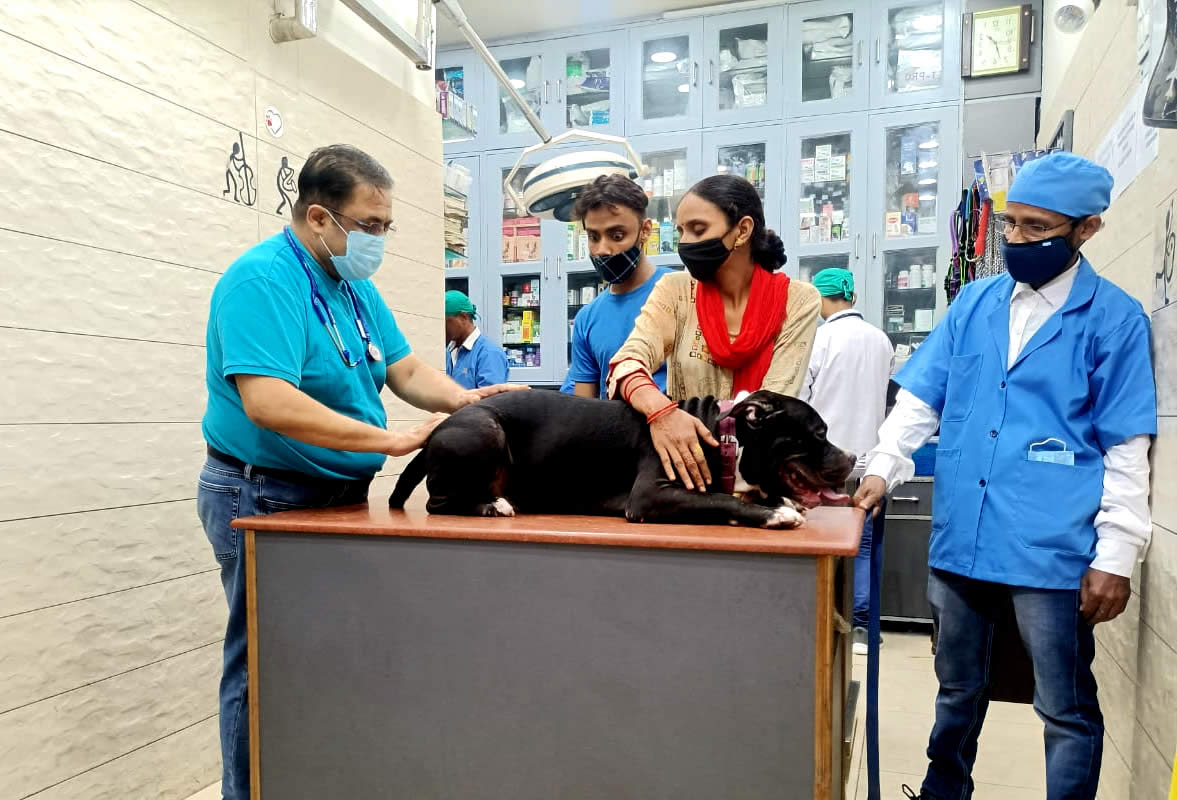
Even the most comprehensive holiday care of pet sitter explanation cannot prevent medical emergencies or severe behavioral distress. It is important to know when home-based soothing techniques are no longer sufficient. If your pet exhibits continuous vomiting, profound lethargy, severe shivering, or inability to settle down for more than twelve hours, professional veterinary intervention is required. When visiting the clinic, bring a detailed log of the timeline, any observed trigger events, and short video clips of the behavior to help your veterinary team diagnose the underlying cause quickly and accurately.
Pet Parent Q&A
How early should I introduce my pet to a new holiday pet sitter?
It is best to arrange a supervised introduction at least two weeks before your trip. This allows your pet to associate the sitter with positive experiences, treats, and calm play rather than sudden abandonment.
What detailed information must I include in my written care instructions?
Always list exact feeding measurements, precise medication schedules, emergency veterinary clinic contact numbers, microchip details, and your pet’s specific fear triggers or favorite hiding spots.
How can I prevent digestive upset caused by holiday treats while using a sitter?
Clearly instruct your sitter to feed only pre-measured regular meals and approved daily treats. Remind them to keep human holiday foods securely locked away to avoid pancreatitis or toxicity.
More Pet Health & Behavior Guides on PetsAnimalsWorld
Ensuring your companion animal stays safe, healthy, and emotionally balanced during the busiest times of the year takes preparation and expert insight. For more practical tips on keeping your furry family members thriving year-round, visit PetsAnimalsWorld.com.
Visual Reference Gallery