Understanding blue baffalo dog nutritional label in Everyday Pet Care
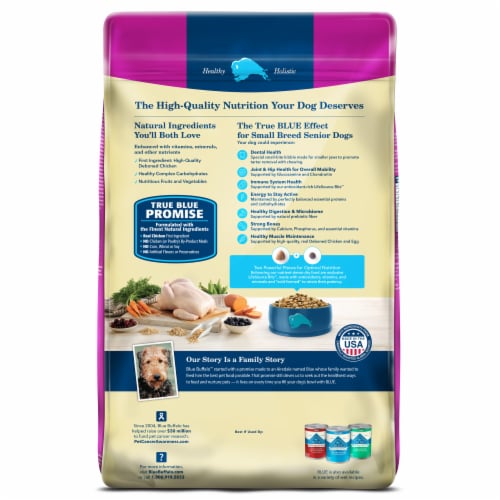
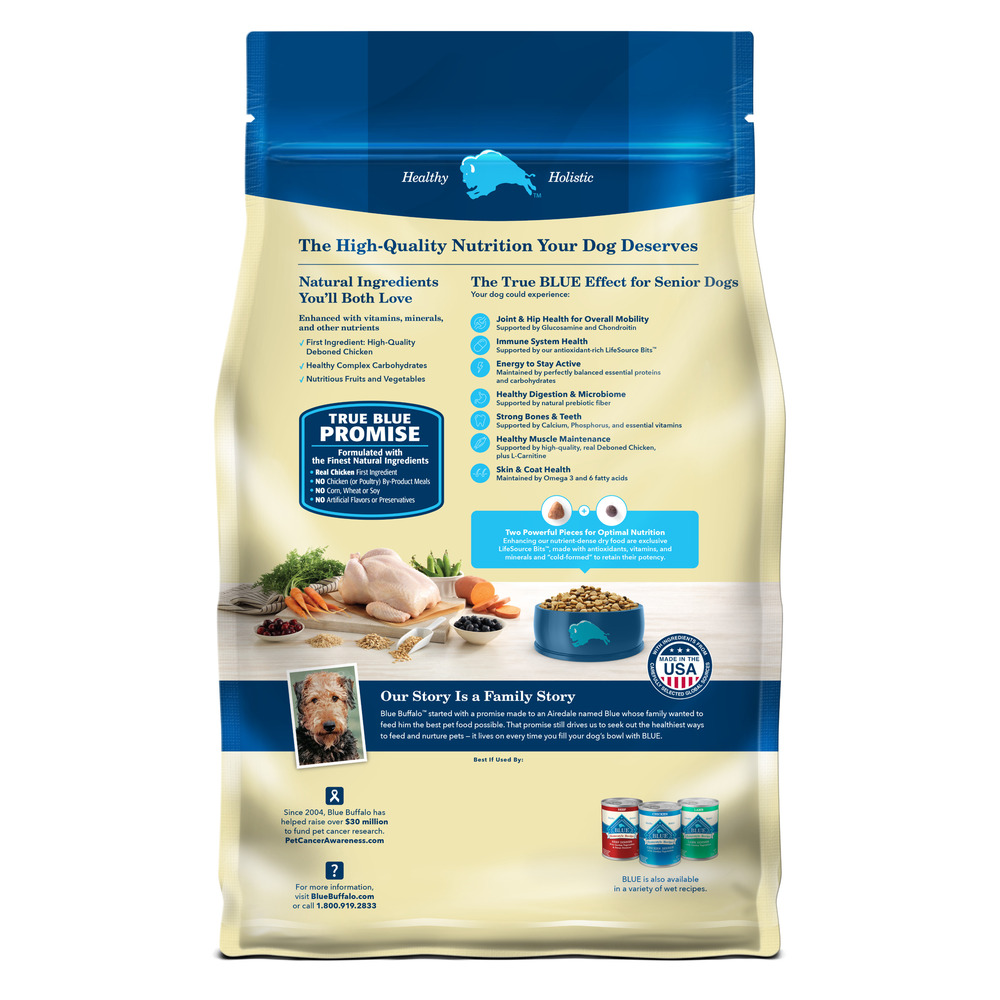
Navigating the aisles of pet supply stores can feel overwhelming, especially when you are trying to decode what your canine companion actually needs in their bowl. Grounded in clinical insights from veterinary organizations like the American Veterinary Medical Association, understanding a blue baffalo dog nutritional label is an essential skill for modern pet parents. Every bag or can of food tells a detailed story about protein sources, life stages, and caloric density. By looking past the bold marketing claims on the front of the packaging and focusing on the regulated panels on the back, you ensure your dog receives complete and balanced nourishment tailored to their biological requirements.
💡 Pet Care Key Takeaways:
- Core Focus: Practical health, nutrition, and wellness guidelines for Blue Baffalo Dog Nutritional Label.
- Target Scope: Pet owners, animal caregivers, and veterinary support staff.
- Best Recommendation: Maintain consistent daily routines and consult an accredited veterinarian before introducing major diet or medical changes.
Signals & Patterns Owners Should Watch
When transitioning your dog to a new formula or assessing their current diet, your dog’s daily habits, stool quality, coat condition, and energy levels serve as the ultimate report card. Veterinary nutritionists emphasize that subtle physical shifts often reveal how well a canine body is metabolizing specific ingredients. Keeping a close eye on these everyday indicators helps you catch minor sensitivities before they escalate into chronic issues requiring medical intervention.
| Observed Sign | Likely Underlying Trigger | Best Owner Response |
|---|---|---|
| Firm, well-formed stools and steady energy | The diet matches your dog’s caloric and digestive capacity | Maintain current feeding schedule and portion measurements |
| Mild gas or brief stool softening during transition | Sudden shift in fiber sources or protein percentages | Slow down the transition timeline over 7 to 10 days |
| Persistent itching, chronic loose stool, or lethargy | Potential food intolerance or underlying clinical allergy | Schedule a veterinary evaluation and pause new treats |
Daily Routine Adjustments & Supportive Care
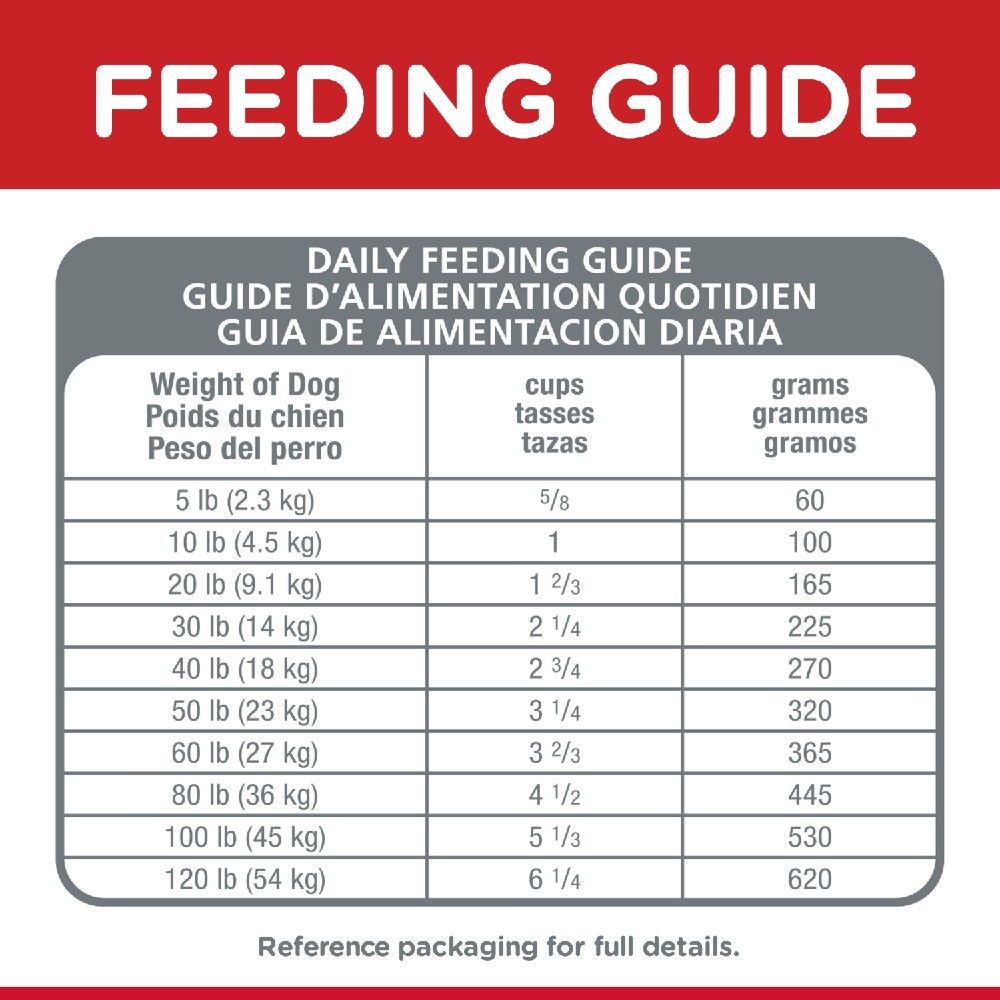
Reading pet food panels effectively goes hand in hand with how you manage daily feeding routines and Dog Nutrition at home. Instead of free-feeding, use a digital kitchen scale to measure daily portions based on the calorie statement found on the packaging. To support mental stimulation, consider incorporating puzzle feeders or snuffle mats using a portion of their measured kibble. According to professional guidance in Dog Behavior, turning mealtime into a foraging game satisfies natural scavenging instincts, reduces boredom, and prevents rapid eating that can lead to digestive discomfort.
When Home Observation Is Not Enough
While diet adjustments solve many routine health hiccups, certain clinical signs demand professional veterinary oversight. If your dog experiences sudden weight loss, projectile vomiting, blood in the stool, or a complete refusal to eat for more than twenty-four hours, home monitoring is no longer safe. When you visit your veterinarian, bring a clear photograph of the blue baffalo dog nutritional label alongside a log of recent food or treat changes. This data empowers your clinical team to diagnose gastrointestinal distress or nutritional imbalances accurately and quickly.
Pet Parent Q&A
What does the guaranteed analysis section actually tell me?
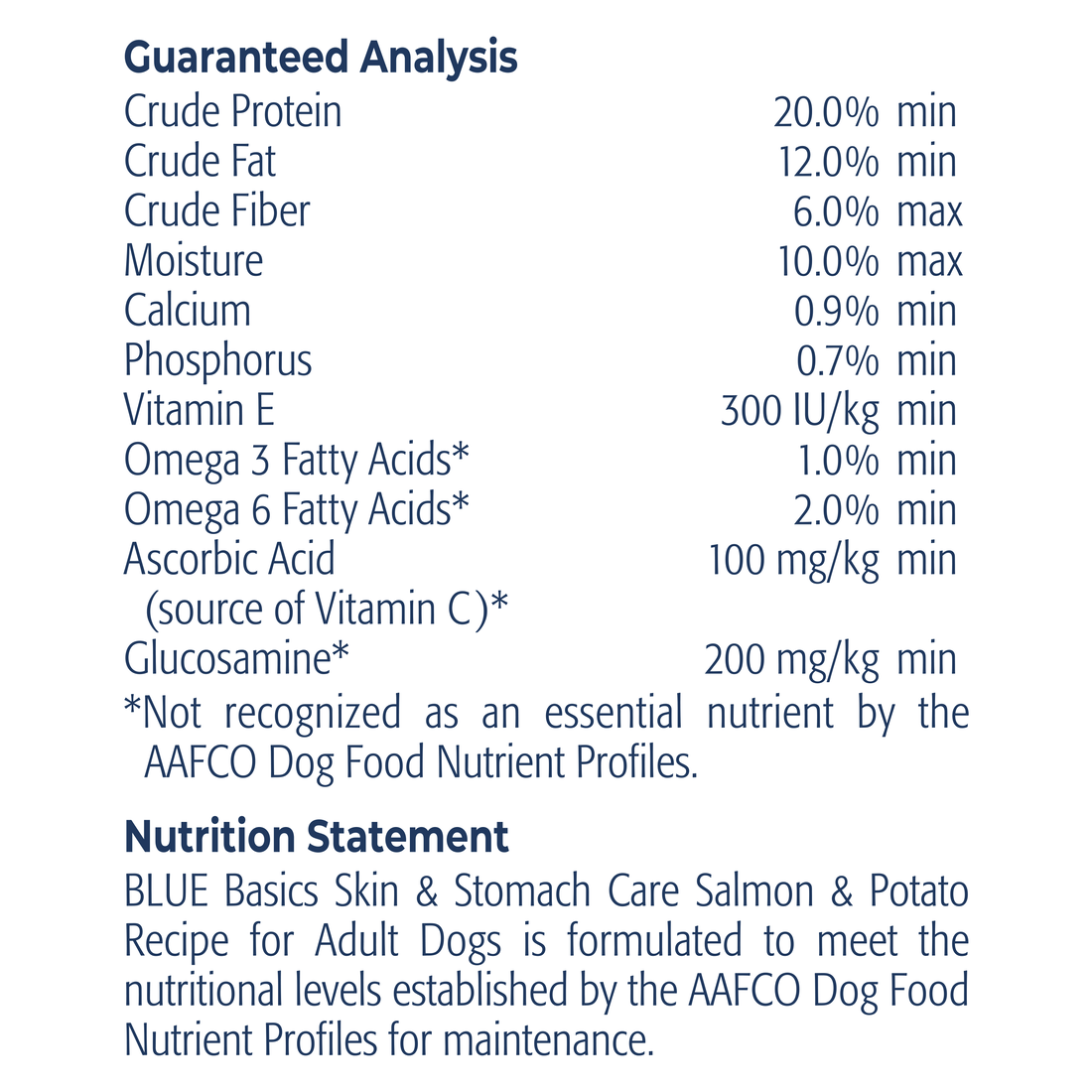
The guaranteed analysis lists the minimum percentages of crude protein and crude fat, alongside maximum percentages of moisture and fiber. While it provides baseline metrics, remember that these figures are measured on an as-fed basis rather than a dry matter basis, meaning moisture content heavily influences the percentages.
How do I interpret the ingredient list order?
Ingredients are listed in descending order by weight before cooking, which includes their natural water weight. Reviewing specialized insights in Dog Health highlights why looking past the first two items matters; splitting similar ingredients can alter how high a particular protein ranks on the list.
Are life stage statements important when choosing a formula?
Yes, AAFCO nutritional adequacy statements verify whether a recipe is formulated for growth, reproduction, adult maintenance, or all life stages. Selecting a food specifically designated for your dog’s current life stage prevents developmental deficiencies or excessive caloric intake.
More Pet Health & Behavior Guides on PetsAnimalsWorld
Mastering pet nutrition is just one pillar of lifelong canine wellness. To explore more expert-backed resources covering training techniques, breed profiles, and preventive care, visit us anytime at PetsAnimalsWorld.com.
Visual Reference Gallery