

Introduction
Understanding and addressing canine behavioral challenges is a crucial aspect of responsible pet ownership. Among these, the concept of separation anxiety training stands out as a vital approach to support dogs struggling with distress when left alone. This specialized form of training focuses on alleviating the intense stress, fear, and panic that some dogs experience in the absence of their human companions. Far more than simple misbehavior, separation anxiety is a genuine panic disorder for affected canines, manifesting through a range of disruptive and often self-destructive actions. Recognizing the significance of this training is paramount, as effective intervention not only improves a dog’s overall well-being and emotional stability but also fosters a more harmonious relationship between the dog and its family. By equipping dog owners with the knowledge and tools to implement appropriate training strategies, the quality of life for countless dogs can be profoundly enhanced, transforming anxious departures into calm, confident waiting.
💡 Pet Care Key Takeaways:
- Core Focus: Practical health, nutrition, and wellness guidelines for Separation Anxiety Training.
- Target Scope: Pet owners, animal caregivers, and veterinary support staff.
- Best Recommendation: Maintain consistent daily routines and consult an accredited veterinarian before introducing major diet or medical changes.
Common Causes and Key Factors
The origins of separation anxiety in dogs are multifaceted, often stemming from a combination of genetic predispositions, environmental influences, and specific life experiences. While individual temperament plays a significant role, certain key factors are frequently observed in cases requiring separation anxiety training. Dogs adopted from shelters or rescue organizations, particularly those with a history of abandonment or multiple home changes, may be more susceptible due to early trauma or inconsistent attachment experiences. Similarly, sudden changes in a dog’s routine, such as a shift in an owner’s work schedule, a move to a new home, or the loss of a household member (human or animal), can trigger or exacerbate anxiety. For more related activities, check out our Dog Uti Behavior Change.
A lack of early socialization or insufficient practice with alone time during puppyhood can also contribute to a dog’s inability to cope with solitude. Some research suggests that certain breeds, particularly those bred for companionship or close working relationships, might have a higher propensity for developing separation-related distress. Furthermore, underlying medical conditions that cause discomfort or confusion, such as pain or cognitive dysfunction, can sometimes mimic or worsen anxiety symptoms, making a comprehensive understanding of a dog’s health essential before beginning separation anxiety training. The intensity of the bond between a dog and its primary caregiver can also be a factor, where an overly dependent relationship, without sufficient encouragement of independent behavior, may set the stage for distress when that bond is temporarily broken.
Signs and Symptoms to Observe
Identifying the signs of separation anxiety is the first critical step toward implementing effective separation anxiety training. The manifestations of this distress typically occur exclusively or primarily when a dog is left alone or believes it is about to be left alone. One of the most common indicators is destructive behavior, often directed at exit points like doors and windows, or items heavily scented with a human’s presence, such as furniture or personal belongings. Dogs may chew, scratch, dig, or tear at these objects in an attempt to escape or alleviate their stress.
Vocalizations are another prominent symptom, including excessive barking, howling, or whining that persists for extended periods after a human’s departure. House soiling, where a dog urinates or defecates indoors despite being reliably house-trained, can also be a clear sign, particularly if it occurs only when left unattended. Other observable behaviors include pacing back and forth, drooling excessively, panting, or attempting to escape the confinement of a crate or room. Some dogs may engage in self-mutilation, such as licking or chewing their paws to the point of injury, or display subtle signs like a loss of appetite or refusal of treats when alone. These behaviors can vary in intensity and specific presentation based on the dog’s age, breed characteristics, and the severity of their anxiety. Careful observation of a dog’s actions during the initial moments of solitude and throughout the period of absence is essential for accurate diagnosis and tailored separation anxiety training.
Practical Solutions and Management Strategies
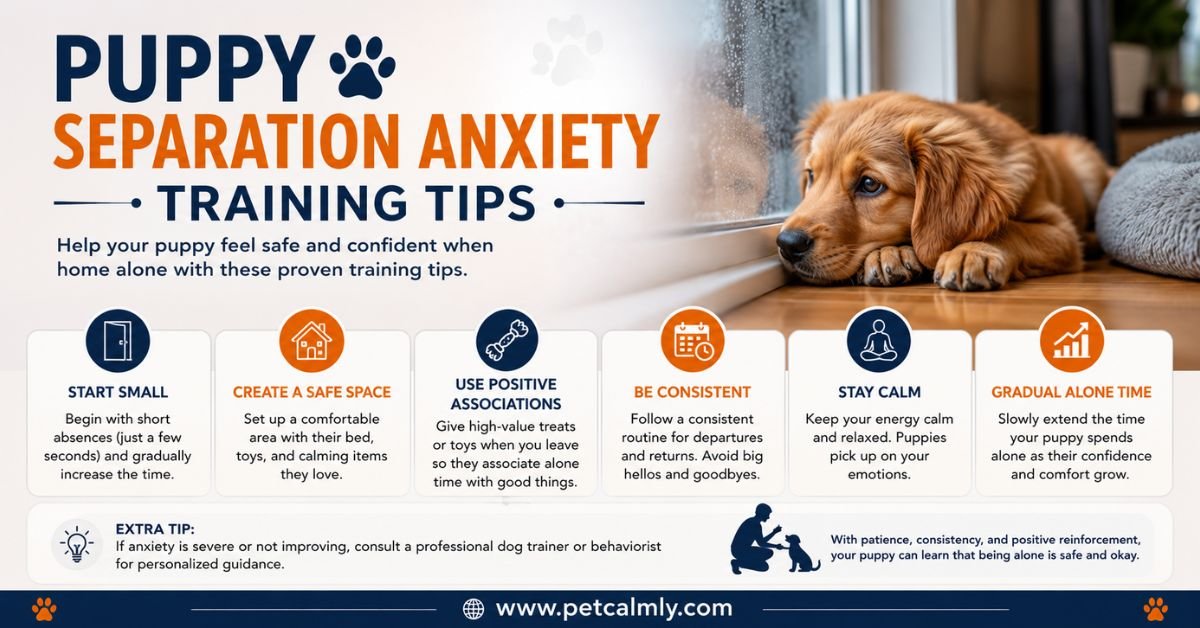
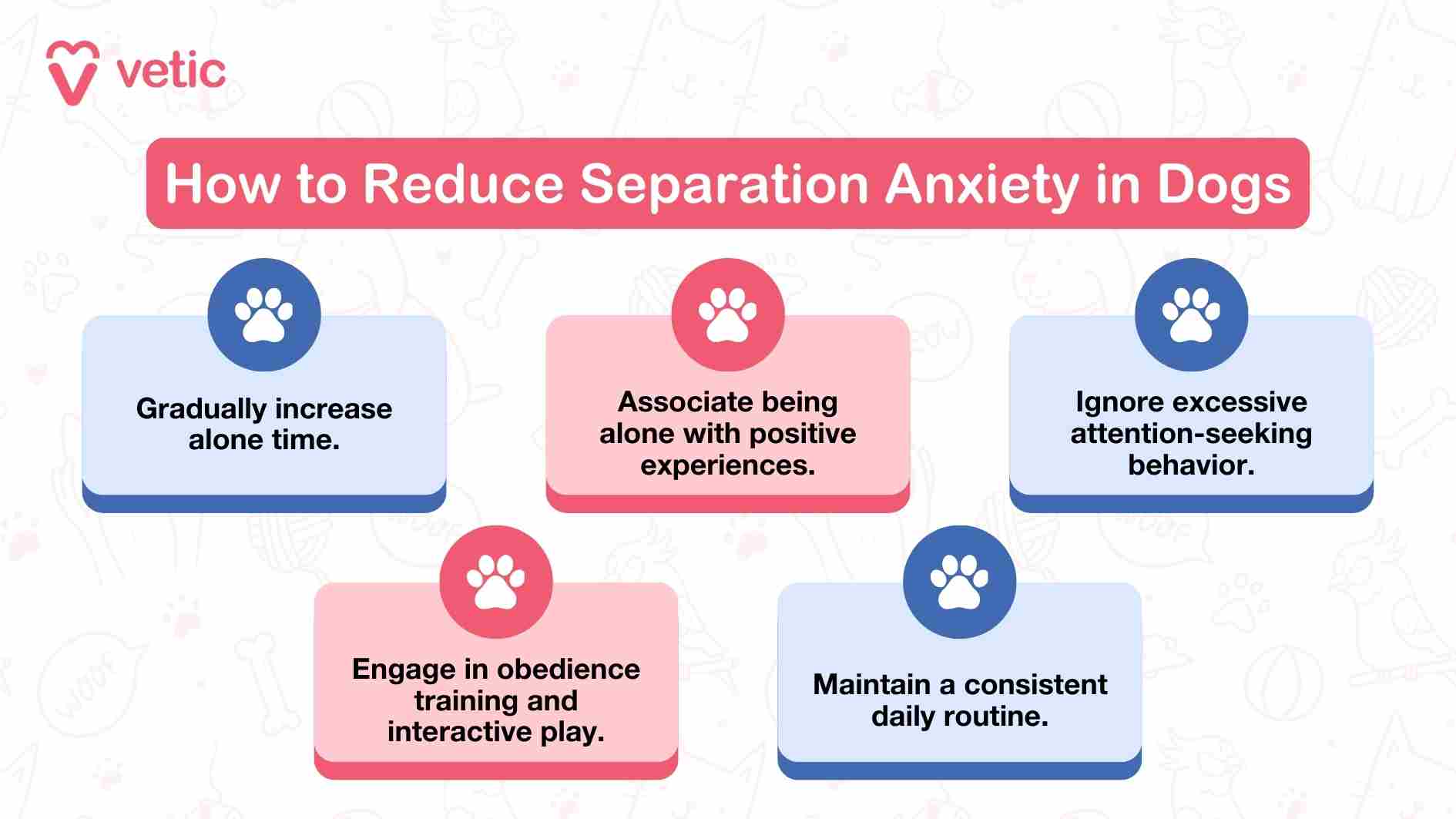
Effective separation anxiety training relies on a structured, patient, and consistent approach, primarily focused on desensitization and counter-conditioning. The core principle involves gradually acclimating a dog to periods of solitude, starting with very short durations and slowly increasing the time as the dog demonstrates comfort. This process often begins with pre-departure cues, where typical departure rituals (grabbing keys, putting on a coat) are performed without actually leaving, followed by a period of calm before the human returns. This helps to break the association between these cues and impending anxiety.
Environmental enrichment plays a vital role. Providing engaging puzzle toys filled with high-value treats just before departure can create a positive association with alone time and distract the dog during the initial moments of solitude. A comfortable, safe space, such as a crate (if the dog is already comfortable with it) or a designated room, can offer security. Calming music or white noise can also help mask external sounds that might trigger anxiety. Establishing a consistent daily routine for exercise, feeding, and play helps create predictability and reduces overall stress levels.
Building a dog’s independence while human companions are present is also crucial. This can involve encouraging a dog to settle in a different room or area for short periods even when a human is home, thereby fostering a sense of security in various locations. For some dogs, a balanced diet rich in essential nutrients and, in specific cases, veterinary-approved calming supplements, might support the overall training efforts by promoting a more relaxed state. Physical and mental exercise before periods of solitude can help tire a dog out, making it more likely to rest calmly during an absence. The combination of these strategies, applied diligently and with understanding, forms the bedrock of successful separation anxiety training.
When Professional Help May Be Needed
While many cases of mild separation anxiety can be managed with dedicated at-home separation anxiety training, certain situations warrant the involvement of professional expertise. If a dog’s anxiety is severe, manifesting in extreme destructive behavior that poses a risk to its safety or to the home, or if symptoms include self-harm such as excessive licking or chewing that leads to wounds, professional intervention becomes critical. Similarly, when house soiling, persistent vocalizations, or escape attempts continue despite consistent application of training techniques, it indicates a need for more advanced strategies.
A veterinary consultation is always recommended initially, as some medical conditions can mimic or exacerbate anxiety symptoms. A veterinarian can rule out underlying health issues and, in some severe cases, discuss pharmaceutical interventions that can complement behavioral separation anxiety training by reducing the dog’s overall anxiety levels and making them more receptive to learning. For specialized behavioral guidance, a certified professional dog trainer with experience in separation anxiety or, ideally, a veterinary behaviorist, can provide a comprehensive assessment and develop a tailored treatment plan. These professionals can offer advanced techniques, monitor progress, and adjust strategies as needed, ensuring the most effective and humane approach to resolving this challenging behavioral issue.
Conclusion
Addressing separation anxiety in dogs through targeted separation anxiety training is a journey that requires patience, consistency, and a deep understanding of canine behavior. By recognizing the signs of distress, exploring the underlying causes, and implementing structured management strategies, dog owners can significantly improve their dog’s ability to cope with solitude. The key takeaways emphasize the importance of gradual desensitization, positive reinforcement, environmental enrichment, and fostering a dog’s independence. While many foundational techniques can be applied at home, understanding when to seek professional veterinary or behavioral guidance is crucial for the most severe or persistent cases. Ultimately, a proactive and empathetic approach to separation anxiety training not only alleviates a dog’s suffering but also strengthens the bond between dogs and their human companions, contributing to a calmer, happier, and more well-adjusted life for these beloved animals.
Pet Care & Wellness Overview Table
| Life Stage | Daily Activity Level | Key Nutrition / Care Focus |
|---|---|---|
| Puppy / Kitten | High (frequent short bursts) | High-protein growth diet & early socialization |
| Adult Companion | Moderate (30–60 mins daily) | Balanced maintenance nutrition & dental hygiene |
| Senior Pets | Low to Gentle (mindful walks) | Joint support (Glucosamine) & routine vet checks |
Images References


).png "Separation Anxiety Training • Detail 4")



For more expert pet care tips and advice, check out our dedicated Dog Behavior guides to keep your companions healthy and happy.




