

Introduction
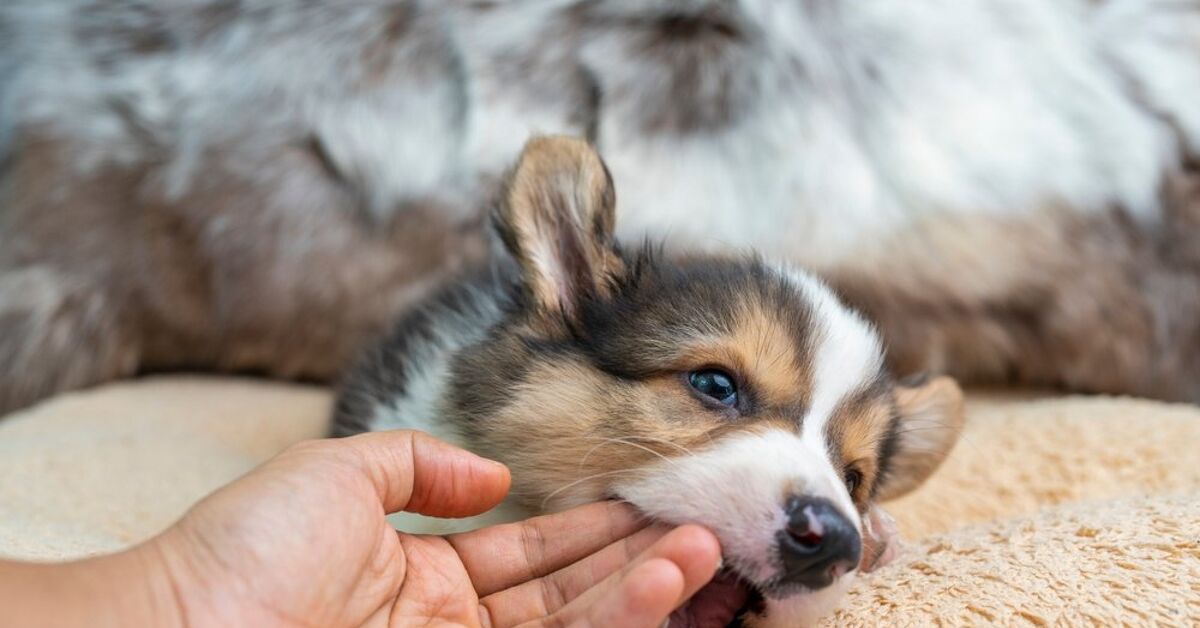
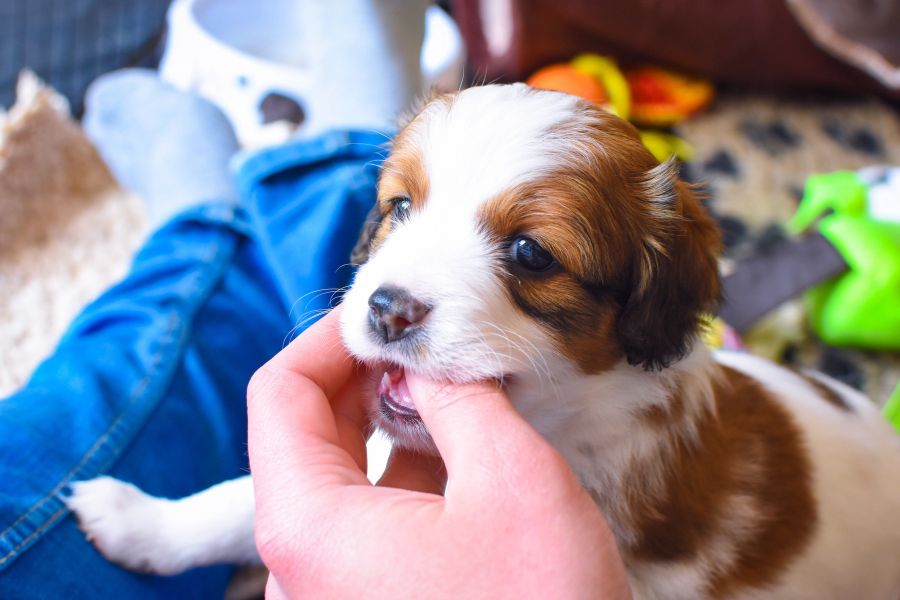
The experience of a 10-week-old puppy consistently biting can be a source of frustration and concern for new dog owners. While often perceived as aggressive or disobedient, this behavior in young puppies is a very common and normal developmental stage. At this age, puppies are actively exploring their world, learning social boundaries, and navigating the discomfort of teething primarily through their mouths. Understanding that this is a natural phase in a puppy’s development, rather than a sign of a “bad” dog, is the first step toward effective management. Addressing this mouthiness appropriately and consistently from an early age is crucial for teaching bite inhibition and shaping a well-mannered adult dog, ultimately improving the dogs well-being and strengthening the human-animal bond.
💡 Pet Care Key Takeaways:
- Core Focus: Practical health, nutrition, and wellness guidelines for My 10 Week Old Puppy Keeps Biting Me.
- Target Scope: Pet owners, animal caregivers, and veterinary support staff.
- Best Recommendation: Maintain consistent daily routines and consult an accredited veterinarian before introducing major diet or medical changes.
Common Causes and Key Factors
Several factors contribute to a 10-week-old puppy’s tendency to bite, each rooted in their natural developmental processes.
Teething and Oral Exploration: Puppies at 10 weeks are usually in the throes of teething, meaning their sharp puppy teeth are emerging and causing discomfort. Biting and chewing on objects, including human hands and ankles, provides relief and helps to loosen baby teeth. This is also how puppies naturally explore their environment, much like human babies use their mouths to learn about textures and objects. For more related activities, check out our Dog Heat Behavior Changes.
Lack of Bite Inhibition: In a litter, puppies learn “bite inhibition” from their siblings and mother. If one puppy bites another too hard during play, the bitten puppy will yelp, and play will stop, teaching the aggressor about acceptable pressure. Puppies removed from their litter too early or those without adequate social interaction with other puppies may not have fully developed this crucial skill.
Play Behavior: Many instances of biting are simply a puppy’s way of inviting play or engaging in it. Puppies often play rough with their littermates, using their mouths, and they extend this natural behavior to human companions.
Over-stimulation and Tiredness: Just like human toddlers, puppies can become “over-tired” or over-stimulated, leading to an increase in nipping and mouthy behavior. A puppy that has had too much play or not enough rest may become particularly nippy.
Attention Seeking: Sometimes, a puppy learns that biting or nipping reliably gets a reaction from a human. Even negative attention, such as a sharp scolding or pushing the puppy away, can inadvertently reinforce the behavior if the puppy perceives it as engagement.
Signs and Symptoms to Observe
Observing the specific context and characteristics of a puppy’s biting behavior provides valuable insight into its underlying causes.
Frequency and Intensity: Note how often the biting occurs and how hard the puppy bites. A puppy nipping frequently but with soft pressure during play suggests a need to learn bite inhibition and appropriate play boundaries. Harder bites that cause pain or break skin, even if unintentional, indicate a more urgent need for intervention.
Situational Triggers: Pay close attention to when the biting occurs. Does it happen during active play, when the puppy is being petted, when attempts are made to pick the puppy up, or when the puppy is overtired? Identifying triggers helps in developing targeted management strategies.
Body Language: A puppy’s overall body language offers clues. Playful biting is usually accompanied by a loose body, a wagging tail, play bows, and bouncy movements. Biting stemming from fear or discomfort might involve a stiff body, ears back, lip licking, or a low growl before or during the bite.
Target Areas: Observe which parts of the body the puppy targets. Hands and ankles are common targets for playful or teething-related biting, as they are often at the puppy’s eye level and move in interesting ways.
Practical Solutions and Management Strategies
Managing a 10-week-old puppy’s biting requires consistency, patience, and a multi-faceted approach.
Redirection to Appropriate Chew Toys: The moment a puppy’s teeth make contact with human skin, immediately redirect the puppy’s attention to an appropriate chew toy. This teaches the puppy what is acceptable to bite and chew. Always have a variety of safe, durable chew toys readily available.
“Ouch!” and Withdrawal: When a puppy bites too hard, a sharp, high-pitched “ouch!” or “yip!” can mimic the sound a littermate would make. Immediately withdraw attention from the puppy for 10-20 seconds. This means standing up, turning away, or even leaving the room briefly. The puppy learns that hard bites result in the loss of desirable interaction.
Enforced Naps and Scheduled Rest: Ensure the puppy receives adequate rest throughout the day. Young puppies need significant amounts of sleep. A puppy that is becoming overly nippy may simply be overtired and benefit from a quiet, crated nap.
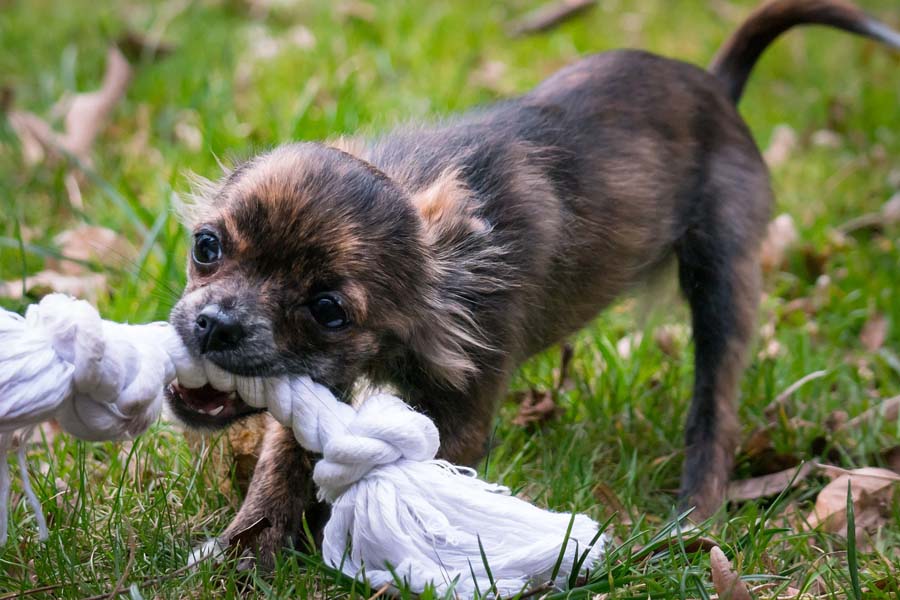
Structured Play Sessions: Engage in play that encourages appropriate interaction without promoting biting of human skin. Use long-handled toys like flirt poles or tug ropes to maintain distance between teeth and hands. Always end play sessions before the puppy becomes overly excited or tired.
Positive Reinforcement for Calm Behavior: Reward the puppy when it is calm, chewing on an appropriate toy, or engaging in gentle play. Positive reinforcement helps to solidify desired behaviors.
Management of the Environment: Puppy-proof the home to reduce opportunities for inappropriate chewing. Confine the puppy to a safe, supervised area when direct interaction is not possible, ensuring access to appropriate chew items.
When Professional Help May Be Needed
While puppy biting is typically a normal developmental stage that can be managed with consistent training, there are situations where professional intervention is advisable.
If the biting is consistently hard enough to break skin, despite diligent application of management strategies, professional guidance is recommended. Similarly, if the puppy exhibits other concerning behaviors alongside biting, such as growling, snapping, or signs of fear or aggression that extend beyond playful nipping, a consultation with a qualified professional is crucial.
A veterinarian can rule out any underlying medical conditions that might contribute to pain or discomfort, which could manifest as biting. For persistent behavioral issues, a certified professional dog trainer or a veterinary behaviorist can provide tailored strategies and guidance, ensuring the development of a well-adjusted companion.
Conclusion
A 10-week-old puppy’s persistent biting is a common and often normal part of development, rooted in teething, exploration, and learning social boundaries. Understanding the underlying reasons for this behavior is key to managing it effectively. By consistently applying redirection, teaching bite inhibition, ensuring adequate rest, and reinforcing appropriate behaviors, dog owners can guide a puppy through this mouthy phase. Patience, consistency, and a positive reinforcement approach are paramount. When challenges persist or grow concerning, seeking advice from a veterinarian or certified dog behavior professional ensures that both the puppy and its human companions can look forward to a harmonious and fulfilling future together.
Pet Care & Wellness Overview Table
| Life Stage | Daily Activity Level | Key Nutrition / Care Focus |
|---|---|---|
| Puppy / Kitten | High (frequent short bursts) | High-protein growth diet & early socialization |
| Adult Companion | Moderate (30–60 mins daily) | Balanced maintenance nutrition & dental hygiene |
| Senior Pets | Low to Gentle (mindful walks) | Joint support (Glucosamine) & routine vet checks |
Images References




For more expert pet care tips and advice, check out our dedicated Dog Behavior guides to keep your companions healthy and happy.




