

Introduction
The phenomenon of puppy biting is a common rite of passage for many new dog owners. While seemingly innocuous at first, persistent or overly aggressive nipping can become a significant challenge. Addressing this behavior effectively often involves a multi-faceted approach, and one tool that frequently enters discussions is the use of a puppy biting spray. This term generally refers to deterrent sprays designed to discourage puppies from chewing or nipping inappropriate items, such as furniture, clothing, or even hands. Understanding the purpose and proper application of such sprays, alongside foundational training, is crucial for fostering appropriate chewing habits and ensuring a harmonious environment for both the puppy and its human companions. Proactive management of biting behaviors can significantly improve a puppys well-being and development, preventing frustration and promoting positive interactions as the dog matures.
💡 Pet Care Key Takeaways:
- Core Focus: Practical health, nutrition, and wellness guidelines for Puppy Biting Spray.
- Target Scope: Pet owners, animal caregivers, and veterinary support staff.
- Best Recommendation: Maintain consistent daily routines and consult an accredited veterinarian before introducing major diet or medical changes.
Common Causes and Key Factors
Puppy biting stems from several natural and developmental factors. During the crucial teething phase, typically between three and six months of age, puppies experience discomfort as their adult teeth emerge, leading them to seek relief by chewing on various objects. This exploratory behavior helps them investigate their environment and learn about different textures. For more related activities, check out our Dog Unpredictable Behavior.
Beyond teething, puppies use their mouths to interact with the world, much like human babies use their hands. This includes playing with littermates and owners, which can manifest as playful nipping or mouthing. Furthermore, a lack of early bite inhibition training, where puppies learn how much pressure they can apply without causing pain, can contribute to harder bites. Boredom, excess energy, or attention-seeking can also prompt a puppy to nip, especially if such behaviors have inadvertently been rewarded with attention in the past. Understanding these underlying motivations is essential for selecting the most effective management strategies.
Signs and Symptoms to Observe
Recognizing the specific patterns of puppy biting is key to effective intervention. Owners typically observe puppies engaging in mouthing, nipping, or gentle biting on hands, feet, clothing, and household items. The intensity and frequency of these behaviors can vary widely. For instance, a puppy might exhibit soft, exploratory mouthing during calm interactions, or more enthusiastic, harder nips during energetic play.
Observing the context in which biting occurs provides valuable clues. Biting that increases when a puppy is overtired, overstimulated, or seeking attention suggests different triggers than biting primarily directed at relieving teething discomfort. Similarly, an escalation in bite strength or a puppys reluctance to disengage from biting an object or person warrants closer attention. Consistent observation helps differentiate between normal developmental behaviors and those requiring more focused training or management.
Practical Solutions and Management Strategies
Effectively managing puppy biting involves a combination of training, environmental management, and appropriate tools. A cornerstone of this process is teaching bite inhibition. When a puppy nips too hard during play, emitting a high-pitched yelp, similar to what a littermate might do, can communicate that the bite was painful. Immediately withdrawing attention or ending playtime for a brief period helps the puppy associate hard bites with a loss of desired interaction.
Redirection is another powerful strategy. When a puppy attempts to bite an inappropriate item or a person, immediately offer a suitable chew toy. This teaches the puppy what is acceptable to chew and provides an outlet for their natural chewing instincts. Providing a variety of appropriate chew toys, including those designed for teething relief (such as frozen toys), is crucial.
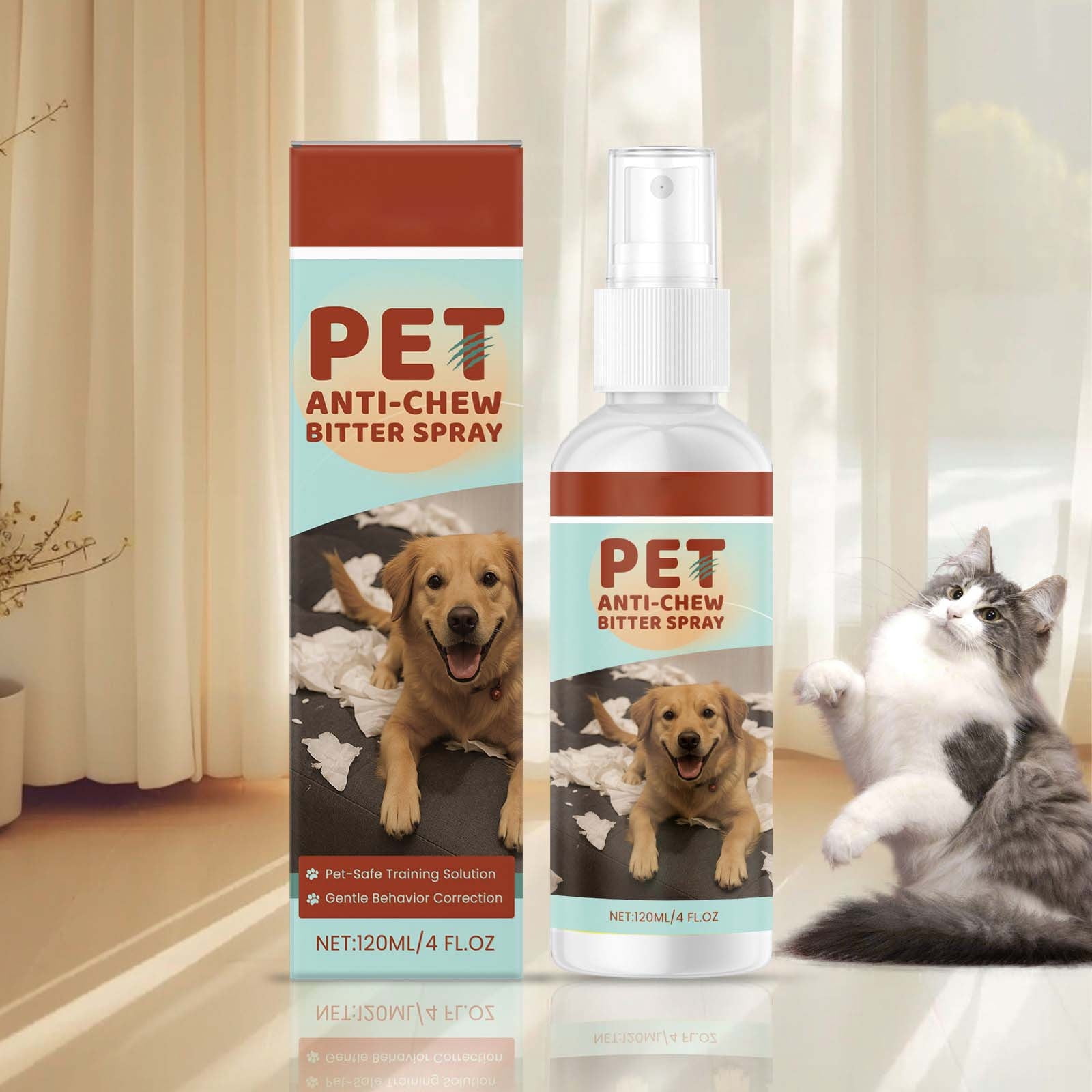
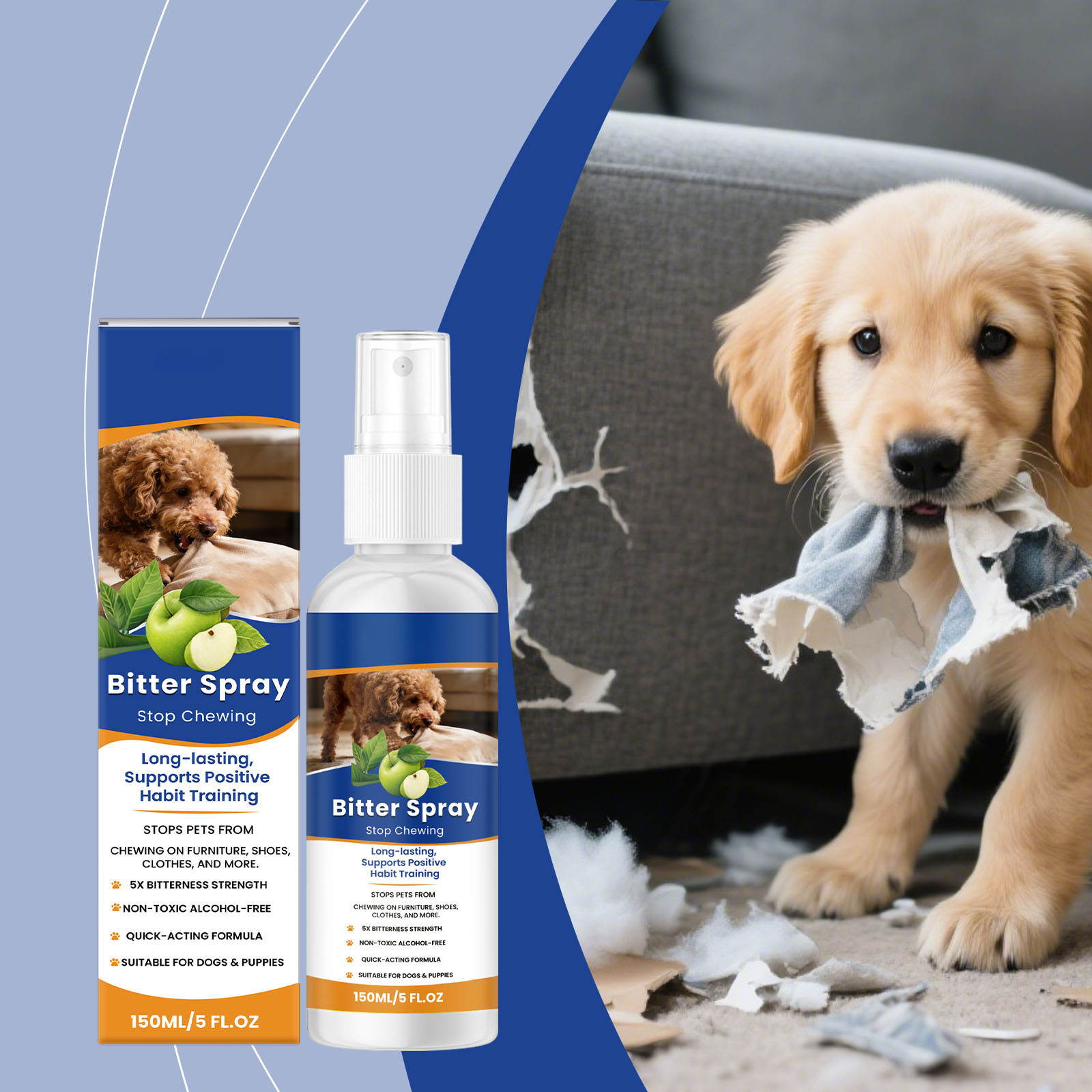
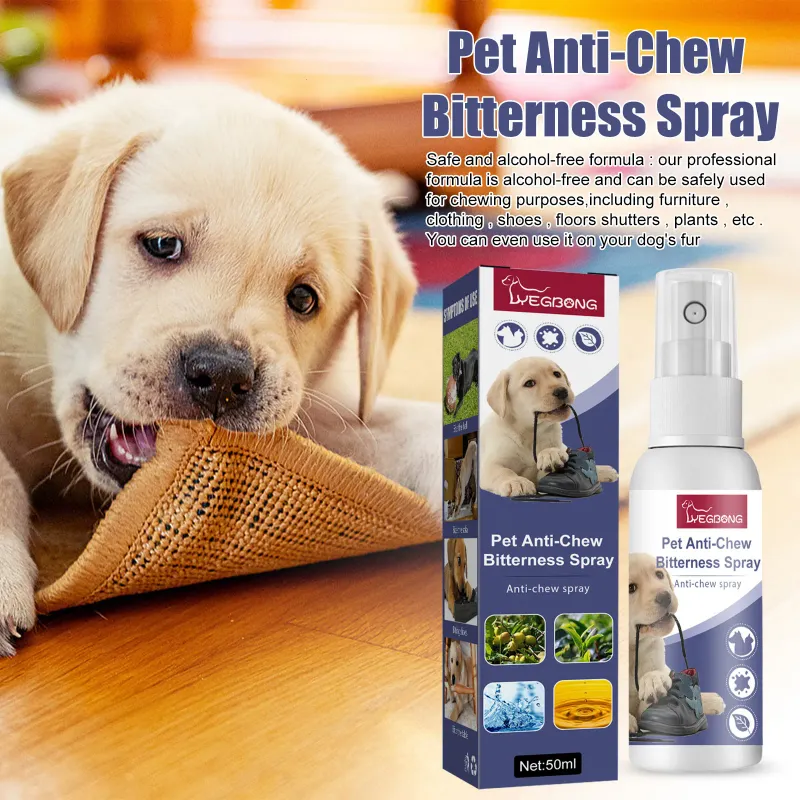
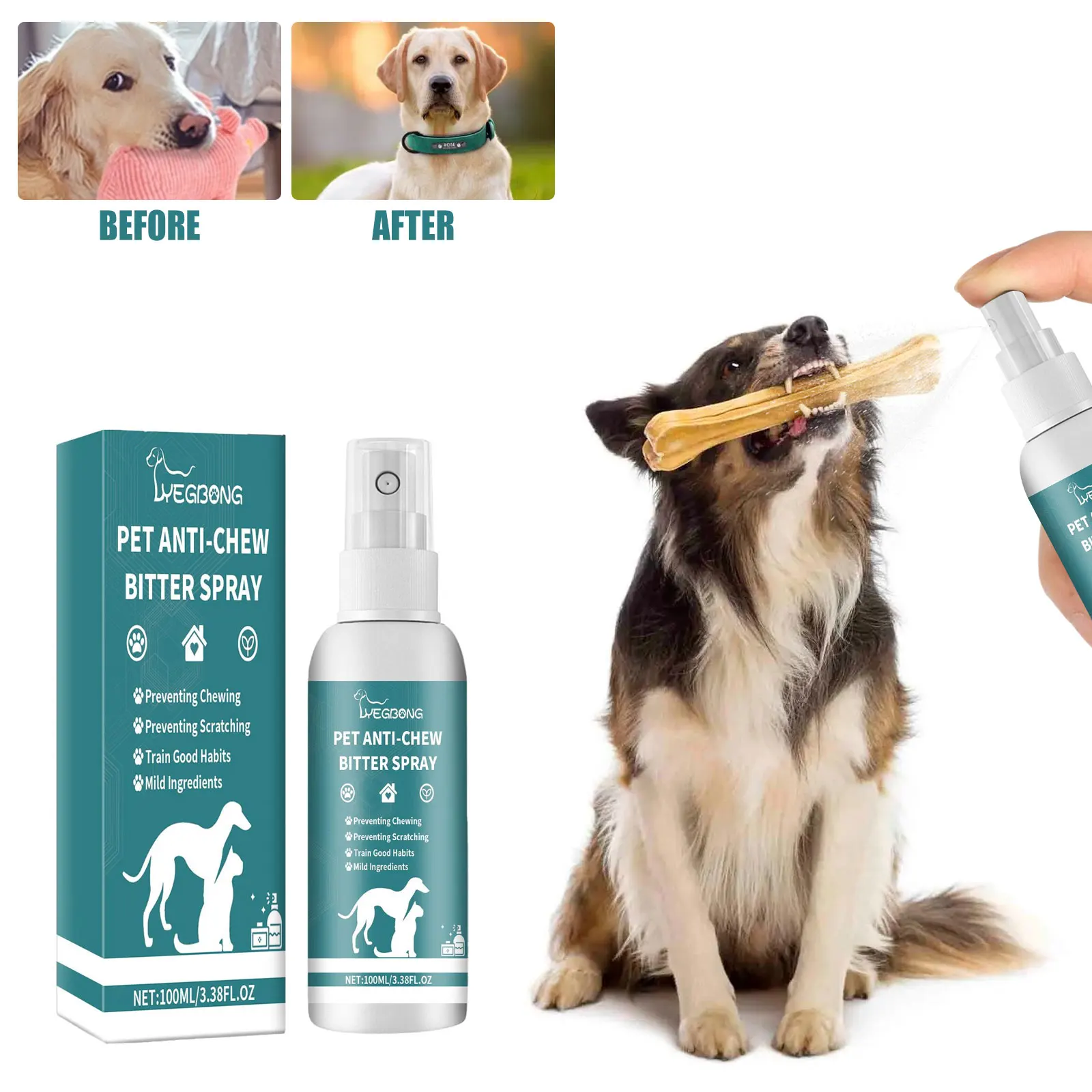
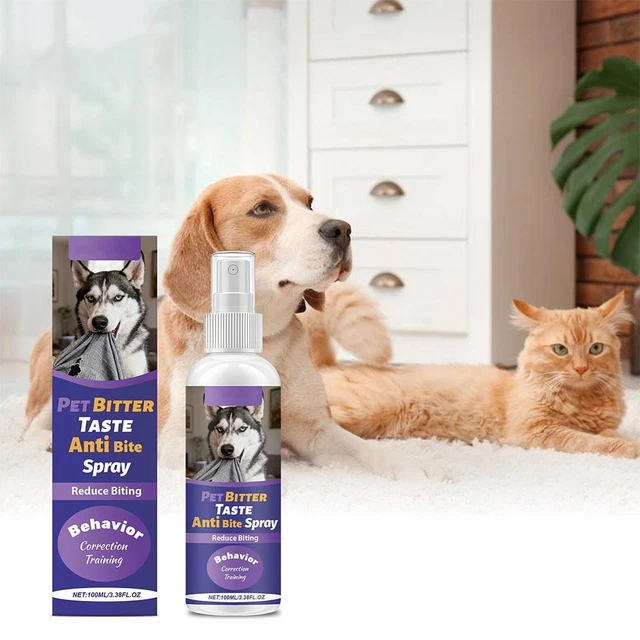
Regarding puppy biting spray, these are generally bitter-tasting deterrents applied to objects, not directly to the puppy. Sprays containing ingredients like bitter apple, cayenne pepper, or neem oil are designed to make surfaces unappealing for chewing. When using such a spray, it is important to apply it consistently to items the puppy frequently attempts to bite. The spray serves as a barrier, reinforcing the message that certain items are off-limits, while concurrently redirecting the puppy to acceptable chew toys. Consistency from all members of the household is vital for success in any training regimen.
When Professional Help May Be Needed
While most puppy biting behaviors can be managed with consistent training and redirection, there are instances where professional intervention becomes beneficial. If a puppys biting is unusually intense, causes frequent injury, or does not respond to diligent, positive reinforcement training methods, consulting a professional is advisable.
Signs such as persistent growling, lunging, or displaying other aggressive behaviors accompanying the biting suggest a deeper issue than typical puppy mouthing. Furthermore, if a puppy exhibits fear or anxiety-driven biting, a veterinarian or a certified professional dog trainer (CPDT-KA) can provide tailored guidance. These experts can assess the puppys individual temperament, identify underlying causes, and develop a comprehensive behavior modification plan, ensuring the safety and well-being of both the puppy and its family.
Conclusion
Puppy biting is a normal stage of development that requires understanding, patience, and consistent guidance from owners. While tools like a puppy biting spray can offer valuable assistance as deterrents for inappropriate chewing on objects, they are most effective when integrated into a broader strategy that prioritizes positive reinforcement, redirection, and teaching bite inhibition. Owners play a crucial role in shaping a puppy’s habits through consistent training and environmental management, ensuring access to appropriate chew toys, and providing ample mental and physical stimulation. By addressing puppy biting proactively and responsibly, owners can help their young dogs mature into well-behaved, happy adult companions, fostering a strong and positive bond built on mutual understanding and respect.
Pet Care & Wellness Overview Table
| Life Stage | Daily Activity Level | Key Nutrition / Care Focus |
|---|---|---|
| Puppy / Kitten | High (frequent short bursts) | High-protein growth diet & early socialization |
| Adult Companion | Moderate (30–60 mins daily) | Balanced maintenance nutrition & dental hygiene |
| Senior Pets | Low to Gentle (mindful walks) | Joint support (Glucosamine) & routine vet checks |
Images References




For more expert pet care tips and advice, check out our dedicated Dog Behavior guides to keep your companions healthy and happy.




