Understanding Why Dogs Suddenly Change Their Actions
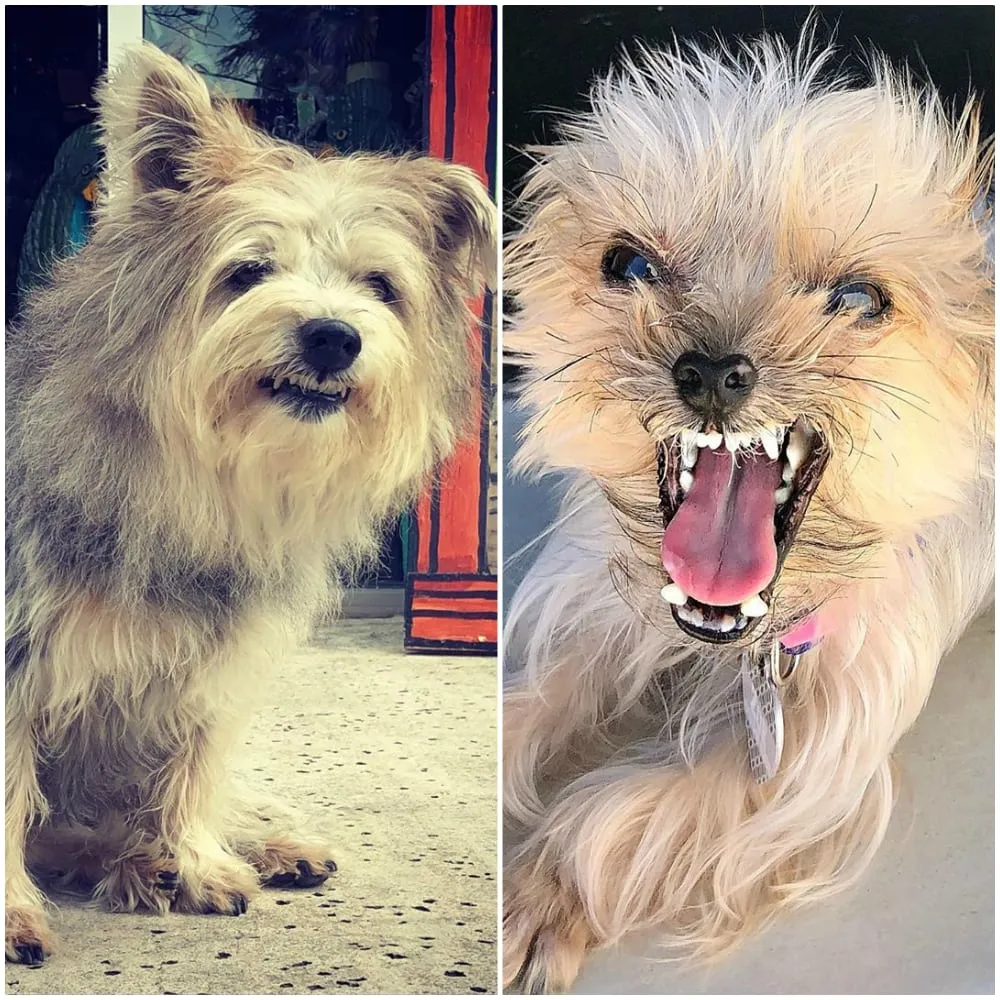
Dog unpredictable behavior often creates confusion and concern within households when previously calm pets suddenly react with erratic responses, intense fear, or uncharacteristic agitation. According to the American Society for the Prevention of Cruelty to Animals (ASPCA), behavioral changes in domestic canines frequently serve as vital communicative signals indicating underlying physical discomfort or environmental stress. Observers frequently notice that a companion animal might tolerate certain stimuli for years before displaying sudden aversion or defensiveness. Recognizing that dogs lack human language means acknowledging body posture, vocalizations, and subtle shifts in routine as primary forms of expression. Maintaining a peaceful domestic environment requires careful observation and a willingness to investigate the root causes behind sudden shifts in temperament rather than simply labeling the animal as difficult or unstable.
💡 Pet Care Key Takeaways:
- Core Focus: Practical health, nutrition, and wellness guidelines for Dog Unpredictable Behavior.
- Target Scope: Pet owners, animal caregivers, and veterinary support staff.
- Best Recommendation: Maintain consistent daily routines and consult an accredited veterinarian before introducing major diet or medical changes.
Defining Erratic and Unpredictable Canine Conduct
Dog unpredictable behavior encompasses any sudden, out-of-character action where a canine reacts disproportionately to everyday stimuli, ordinary sounds, or familiar humans. This phenomenon often manifests as explosive reactivity, sudden freezing, unprovoked vocalizations, or abrupt attempts to flee from harmless objects. Canine behaviorists describe these occurrences through the lens of threshold crossing, where the cumulative effect of minor stressors suddenly overwhelms the animal’s coping mechanisms. A dog might tolerate a gentle touch near the paws repeatedly until sensory overload triggers an abrupt defensive reaction. Differentiating between true unpredictability and missed warning signs remains essential for human safety and canine welfare. Subtle signals like lip-licking, yawning, stiffening muscles, or turning the head away often precede sudden outbursts, yet these physiological hints frequently escape human notice.
Uncovering the Physiological and Emotional Triggers
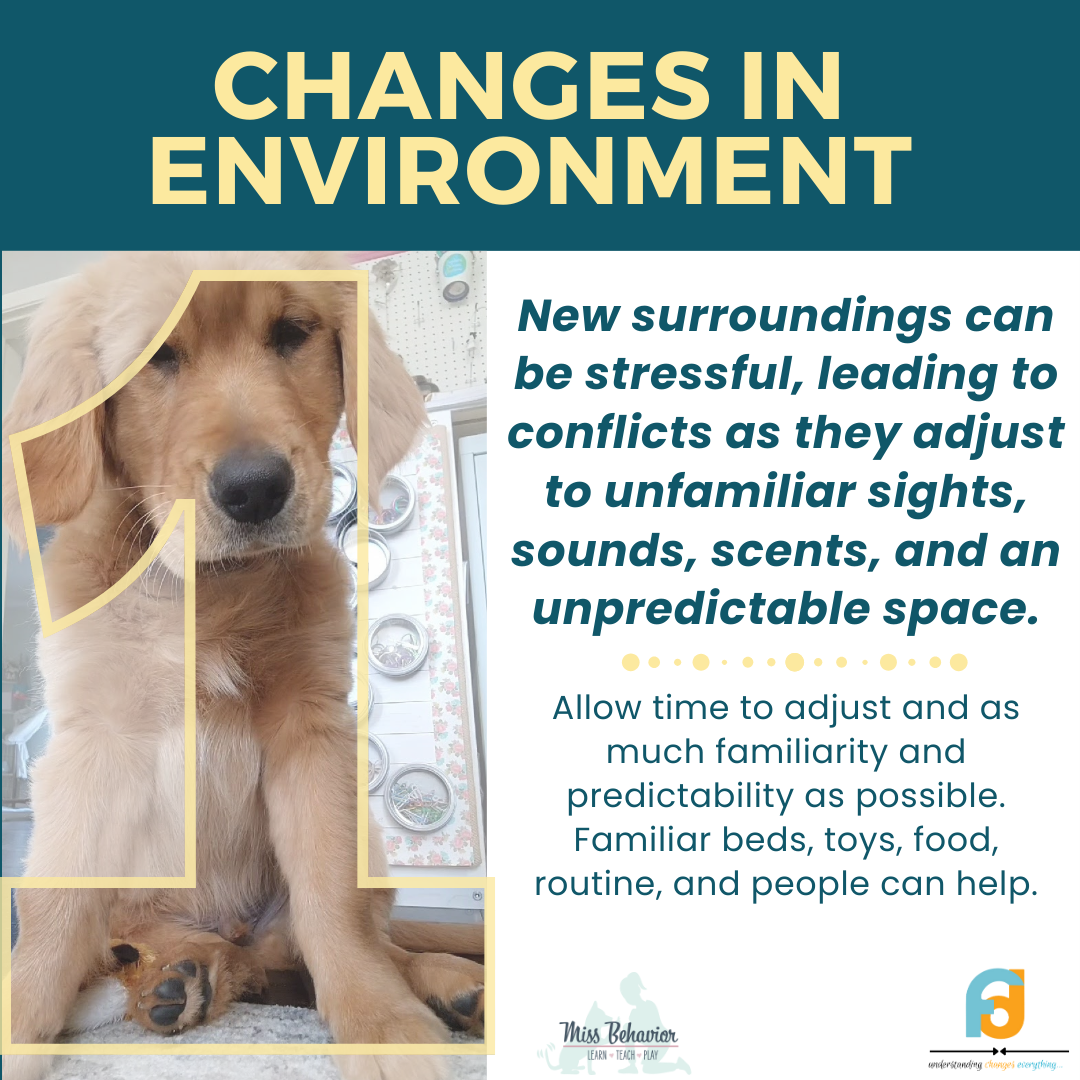
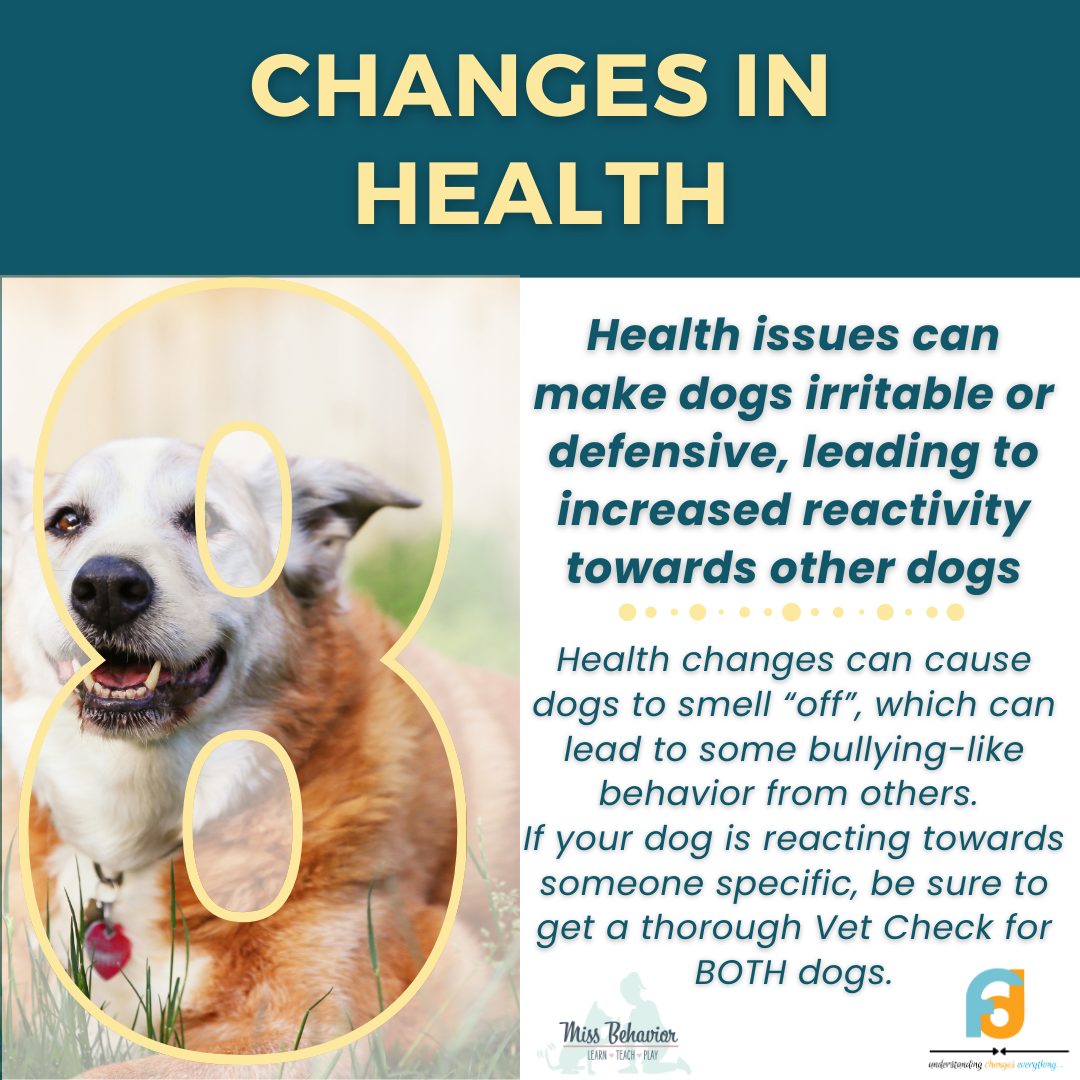
Physical health complications and sensory declines frequently serve as primary catalysts for sudden behavioral shifts in domestic dogs. Veterinary professionals emphasize that hidden pain, such as early-onset arthritis, dental decay, or neurological disorders, can cause a gentle pet to snap or withdraw abruptly when approached. Sensory degradation, including partial blindness or deafness, can startle an aging animal when humans or other pets approach without adequate warning. Environmental stressors also compound these risks, making a thorough exploration of Dog Health essential whenever behavioral patterns transform unexpectedly. Chronic exposure to loud noises, chaotic living spaces, or unpredictable human schedules elevates baseline cortisol levels, keeping the nervous system in a constant state of hyperarousal.
Medical conditions, ranging from mild dental discomfort to neurological disorders, frequently manifest as sudden and unpredictable behavioral changes in adult and senior canines. — American Animal Hospital Association
Managing and Responding to Sudden Behavioral Shifts
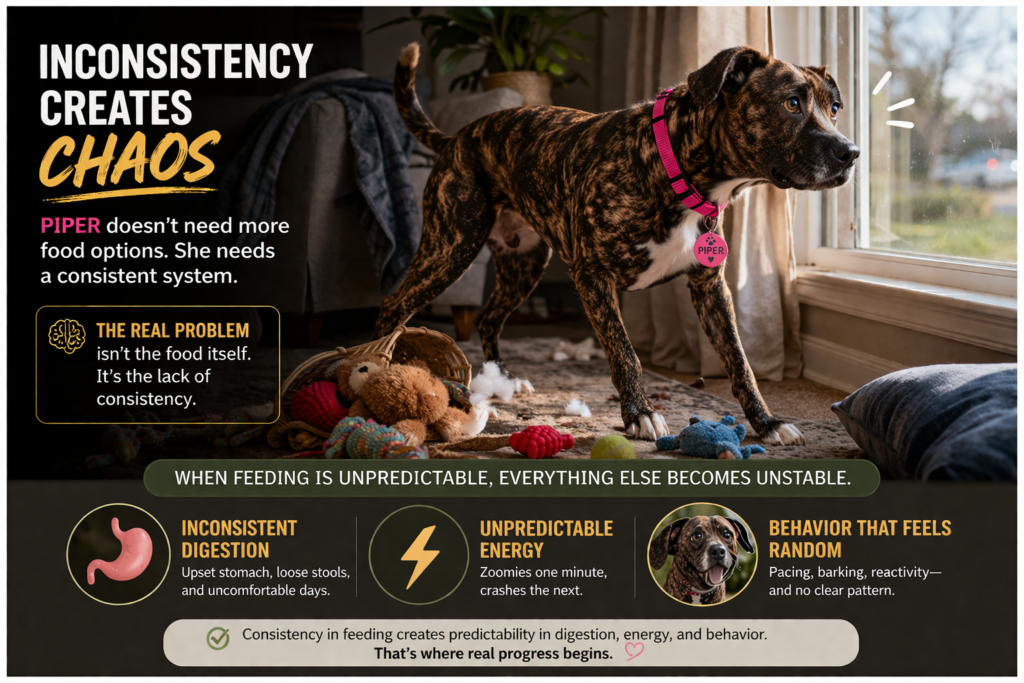
Addressing unpredictable canine conduct requires structured management strategies centered around safety, environmental modification, and humane support. Establishing predictable routines helps lower baseline anxiety by giving animals clear expectations for daily feeding, resting, and exercise periods. When dealing with sudden reactivity, humans must avoid punitive measures, as scolding or physical corrections only intensify fear and heighten the likelihood of defensive bites. Instead, implementing positive reinforcement and desensitization protocols guided by certified professionals helps reshape emotional responses safely. Exploring foundational concepts in Dog Training provides households with modern, reward-based techniques to rebuild confidence and establish reliable communication channels.
Best Practices and Common Pitfalls in Behavioral Management
Navigating sudden temperament shifts successfully demands patience, consistency, and the avoidance of common management mistakes that exacerbate canine stress. One frequent error involves forcing an anxious dog to confront frightening triggers too quickly under the assumption that exposure alone will cure the fear. A better practice involves maintaining safe distances from triggers and allowing the animal to choose engagement or retreat voluntarily. Caregivers should also record specific triggers, times of day, and environmental contexts surrounding each erratic episode to share with qualified specialists. Reviewing general principles in Dog Care can also assist in optimizing resting spaces and ensuring the animal receives adequate mental enrichment without undue fatigue.
Punishment-based training methods significantly elevate stress hormones and increase the frequency of defensive aggression in canines experiencing fear or anxiety. — American Veterinary Society of Animal Behavior
Pet Care & Wellness Overview Table
| Life Stage | Daily Activity Level | Key Nutrition / Care Focus |
|---|---|---|
| Puppy / Kitten | High (frequent short bursts) | High-protein growth diet & early socialization |
| Adult Companion | Moderate (30–60 mins daily) | Balanced maintenance nutrition & dental hygiene |
| Senior Pets | Low to Gentle (mindful walks) | Joint support (Glucosamine) & routine vet checks |
Images References




Breed Tendencies, Life Stages, and Individual Temperament
Age-related cognitive decline, developmental milestones, and specific breed traits heavily influence how dogs process environmental stimuli and express unpredictability. Adolescent dogs frequently undergo hormonal surges and confidence testing that temporarily disrupt previously reliable obedience and emotional stability. Senior canines, meanwhile, may experience canine cognitive dysfunction, a neurodegenerative condition comparable to human dementia that causes disorientation and erratic reactions. Research into specific Dog Breeds illustrates that guardian, herding, or high-drive working lineages may exhibit intense protective responses if early socialization is insufficient. Tailoring management approaches to match the specific developmental stage and genetic background of the individual animal ensures a more empathetic and effective response.
When to Consult a Veterinary Professional or Certified Behaviorist
Persistent, severe, or escalating unpredictability requires immediate guidance from qualified veterinary professionals and certified animal behavior specialists. If erratic episodes involve sudden aggression, unprovoked biting, severe self-mutilation, or extreme lethargy accompanied by physical distress, a comprehensive clinical examination is mandatory. Veterinarians can run diagnostic panels to rule out underlying endocrine disorders, metabolic imbalances, or painful conditions requiring targeted medical intervention. For persistent behavioral concerns, collaborating with a veterinary behaviorist ensures the implementation of science-based behavior modification plans and, when necessary, appropriate pharmacological support tailored to the individual dog.
Creating Stability and Moving Forward
Successfully navigating unpredictable canine conduct requires a commitment to compassionate observation, proactive health maintenance, and humane behavioral support. By addressing potential medical roots, modifying stressful environments, and working alongside qualified professionals, households can foster a secure atmosphere where animals feel protected and understood. Readers seeking further guidance on cultivating harmonious human-animal relationships can explore extensive resources available on PetsAnimalsWorld.com to support ongoing education and responsible pet guardianship.