
Introduction
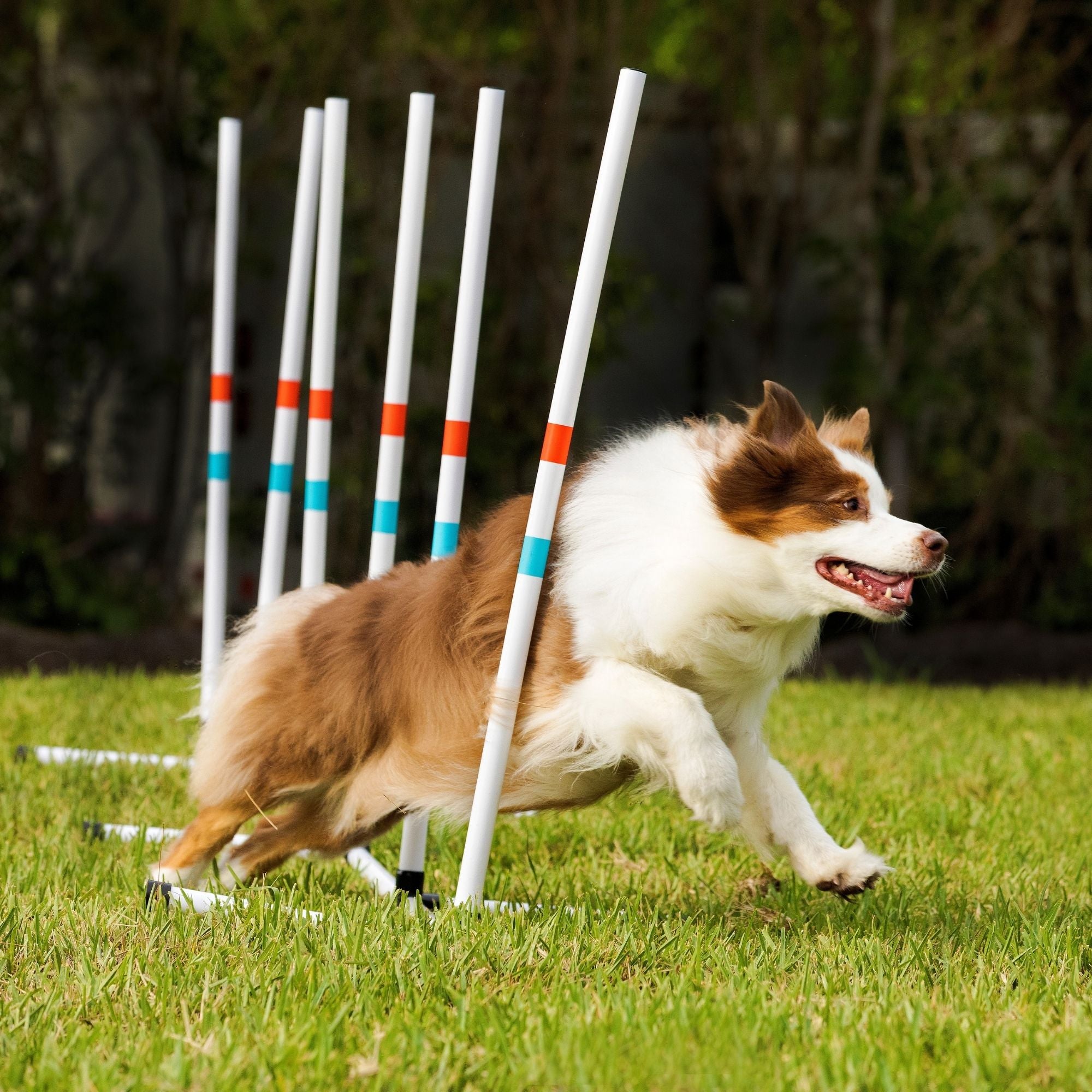
Agility weave poles represent a cornerstone obstacle within the dynamic and engaging sport of dog agility. This specific piece of equipment consists of a series of vertical poles, typically numbering six to twelve, spaced evenly in a straight line. The objective for a dog is to navigate through these poles in a serpentine, weaving pattern, entering with the first pole on its left shoulder and maintaining a consistent pace. Understanding agility weave poles is crucial for dog owners interested in their canine companion’s physical and mental well-being, as mastering this skill offers profound benefits beyond competitive sport. It serves as an excellent avenue for enhancing a dog’s coordination, focus, and overall physical fitness, while simultaneously strengthening the bond between dog and handler through shared challenges and successes. This discipline, while demanding, can significantly improve a dog’s spatial awareness and problem-solving abilities, contributing to a more engaged and well-rounded companion.
💡 Pet Care Key Takeaways:
- Core Focus: Practical health, nutrition, and wellness guidelines for Agility Weave Poles.
- Target Scope: Pet owners, animal caregivers, and veterinary support staff.
- Best Recommendation: Maintain consistent daily routines and consult an accredited veterinarian before introducing major diet or medical changes.
Common Causes and Key Factors
The inherent challenge of agility weave poles stems from the fact that weaving is not a natural behavior for dogs, requiring precise muscle memory and cognitive understanding. Several key factors can influence a dog’s ability to learn and perform this obstacle effectively. Firstly, a dog’s natural instincts do not typically involve intricate serpentine movements between closely spaced objects, necessitating extensive conditioning and behavioral shaping. Physically, the movement demands considerable flexibility, balance, and core strength, making factors like a dog’s breed conformation, age, and existing fitness level significant. For instance, a longer-bodied dog might find the tight turns more challenging than a shorter, more compact breed. For more related activities, check out our Cesar Millan How To Stop Puppy Biting.
Secondly, handler influence plays a pivotal role. The handler’s body language, timing of cues, and consistency in instruction directly impact a dog’s comprehension and confidence. Inconsistent signals or unclear guidance can lead to confusion and frustration. Moreover, a dog’s motivation, often driven by positive reinforcement like high-value treats or favored toys, is critical for sustaining interest during repetitive training. Environmental factors, such as distractions in the training area or the type and stability of the weave poles themselves, can also affect a dog’s focus and performance. Finally, a dog’s previous training experience, particularly in basic obedience and other agility foundation skills, often correlates with how quickly new challenges like weave poles are mastered.
Signs and Symptoms to Observe
During the process of learning and performing agility weave poles, a dog can exhibit various signs and behaviors that indicate its understanding, confidence, or areas of struggle. When a dog is confused or hesitant, it may stop before entering the poles, sniff around the base of the poles, or frequently look to its handler for guidance, often showing a slower pace. Incorrect entries, such as starting with the first pole on the dog’s right shoulder rather than its left, are common indicators of a misunderstanding of the task’s initial requirement.
Other observable signs include going around or skipping poles entirely, rather than weaving through them, or losing momentum significantly in the middle of the sequence. These behaviors suggest a lack of understanding of the pattern or a decrease in confidence. On the other hand, a dog that is engaged and comprehending the task typically demonstrates enthusiasm, maintains a consistent speed, and performs the serpentine pattern correctly. Signs of frustration, such as whining, barking excessively, attempting to disengage from the task, or leaving the training area, signal that the dog may be overwhelmed or poorly motivated. Physical signs of discomfort, though less common with correct training, should also be monitored; any limping or stiffness during the weaving motion warrants immediate attention. These observations can vary slightly based on a dog’s age, breed-specific agility, and individual temperament.
Practical Solutions and Management Strategies
Mastering agility weave poles is a gradual process that benefits significantly from structured, positive reinforcement-based training. A fundamental strategy involves breaking down the complex behavior into smaller, manageable steps. This often begins with teaching a dog to weave through just two poles, gradually adding more poles as proficiency increases. Positive reinforcement, utilizing high-value treats, beloved toys, and enthusiastic verbal praise, is essential for rewarding correct attempts and building a dog’s drive and enthusiasm for the task.
Several effective training methods exist, each with its own merits. The “2×2 method” is widely popular, where dogs learn to weave through pairs of poles before these pairs are brought together and expanded. Another approach involves “channel weaves,” where the poles are initially set wider at the base to create a guiding channel, which is then progressively narrowed. “Guide wires” or similar physical aids can also be employed to help shape a dog’s path through the poles. Consistent handler position, clear verbal cues, and precise hand signals are critical for guiding a dog effectively. Owners should strive to maintain a consistent routine and use encouraging body language. Short, frequent training sessions are more effective than long, arduous ones, as they help maintain a dog’s focus and prevent burnout. Always conclude training on a positive note to ensure a dog associates the activity with enjoyment. Additionally, general physical conditioning and core strengthening exercises can enhance a dog’s agility and stamina, improving its overall ability to perform weave poles.
When Professional Help May Be Needed
While many dog owners can successfully introduce their canine companions to agility weave poles, certain situations warrant seeking professional guidance. If a dog and handler consistently experience frustration or a prolonged lack of progress despite consistent effort and various training methods, the insights of an experienced agility instructor can be invaluable. A professional can identify subtle handling errors, suggest alternative training approaches tailored to a specific dog’s learning style, or troubleshoot behavioral challenges.
Furthermore, if training leads to the emergence of behavioral issues such as anxiety, fear, or aggression, a certified professional dog trainer or veterinary behaviorist should be consulted immediately. These professionals can address underlying behavioral concerns and ensure training remains a positive experience. Crucially, if a dog displays any signs of physical discomfort, pain, or lameness during the activity, a veterinary consultation is paramount. A veterinarian can rule out injuries or underlying medical conditions that might impede performance or make the activity unsafe. For owners with aspirations of competitive agility, a professional coach can provide advanced training techniques, refine performance, and offer guidance on navigating the competitive landscape.
Conclusion
Agility weave poles offer an exceptional opportunity to enrich a dog’s life through physical exercise, mental stimulation, and the profound strengthening of the dog-handler bond. While presenting a unique challenge, the journey of mastering this intricate obstacle is immensely rewarding. Success hinges on a foundation of patience, consistency, and positive reinforcement, coupled with a keen observation of a dog’s individual cues and learning pace. By understanding the common factors influencing learning, recognizing signs of progress or struggle, and implementing structured training strategies, owners can guide their dogs toward proficiency. Recognizing when to seek professional assistance ensures that the training experience remains safe, positive, and ultimately successful. Engaging with agility weave poles is not merely about teaching a trick; it is about unlocking a dog’s potential, fostering focus, and deepening the partnership between a dog and its devoted owner, contributing significantly to a dog’s overall well-being.
Pet Care & Wellness Overview Table
| Life Stage | Daily Activity Level | Key Nutrition / Care Focus |
|---|---|---|
| Puppy / Kitten | High (frequent short bursts) | High-protein growth diet & early socialization |
| Adult Companion | Moderate (30–60 mins daily) | Balanced maintenance nutrition & dental hygiene |
| Senior Pets | Low to Gentle (mindful walks) | Joint support (Glucosamine) & routine vet checks |
Images References

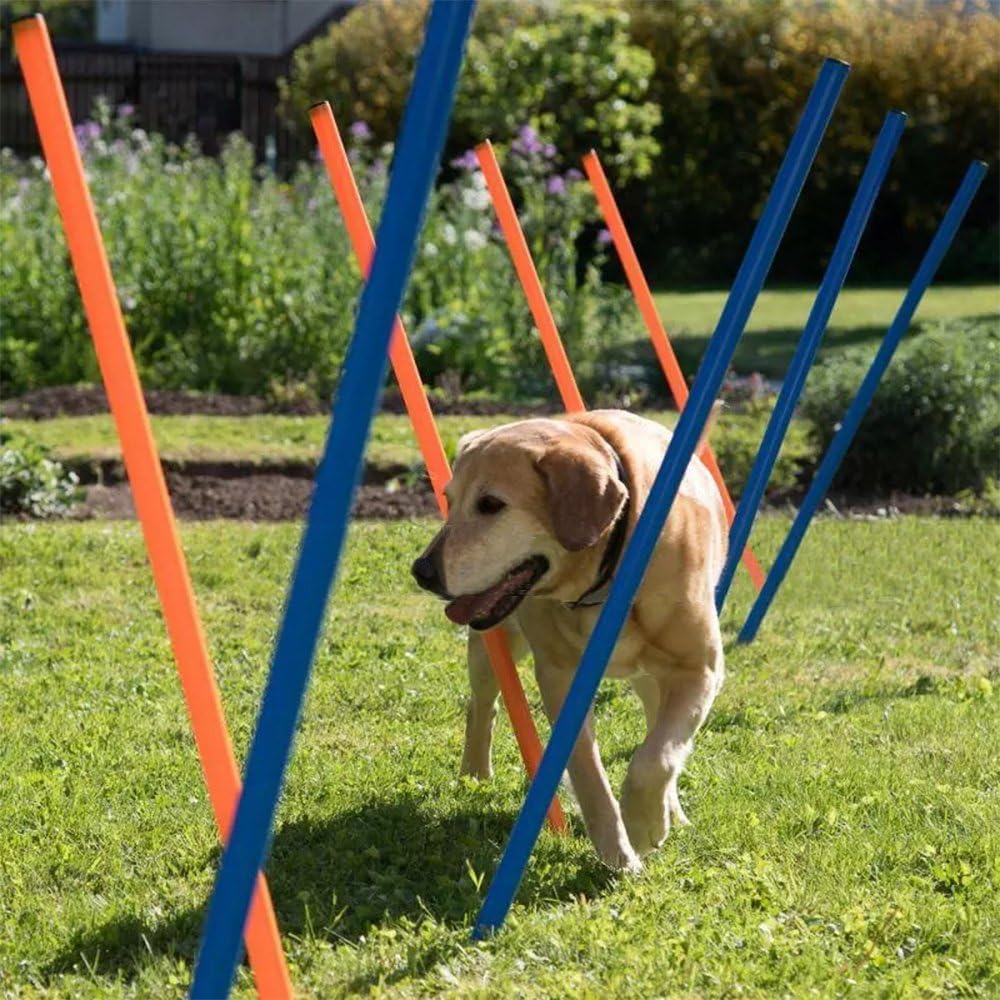


For more expert pet care tips and advice, check out our dedicated Dog Training guides to keep your companions healthy and happy.




