

Unraveling the Fascinating Genetics of Akita Dog Brindle Patterns
According to the American Kennel Club, the Akita is recognized for a powerful build, noble presence, and a striking variety of coat colors that include the captivating brindle pattern. This ancient Japanese spitz breed carries a rich history intertwined with loyalty and protection. When prospective guardians dive into the world of large northern breeds, encountering a tiger-striped coat often sparks immense curiosity. Behind this distinctive coloration lies a complex interplay of canine genetics that produces an appearance resembling wild forest camouflage. Recognizing what makes this specific coat variant unique helps owners appreciate the heritage embedded within every single hair follicle. Beyond mere aesthetics, understanding the physical traits of these powerful companions requires a look into coat maintenance, general well-being, and proper canine socialization.
💡 Pet Care Key Takeaways:
- Core Focus: Practical health, nutrition, and wellness guidelines for Akita Dog Brindle.
- Target Scope: Pet owners, animal caregivers, and veterinary support staff.
- Best Recommendation: Maintain consistent daily routines and consult an accredited veterinarian before introducing major diet or medical changes.
Brindle coloration in Akitas is caused by the distribution of eumelanin pigment stripes over a base background.
The akita dog brindle coat features dark, tiger-like stripes overlaid on a background of fawn, brown, or silver fur. Canine coat color genetics dictate that the recessive gene responsible for brindle interacts with the agouti signaling protein to create this banded effect. Eumelanin, which is the pigment responsible for black or brown coloration, forms the contrasting stripes against a lighter base known as phaeomelanin. In clinical practice, seeing these distinctive patterns highlights the incredible diversity found within the species. No two striped coats are completely identical, as the thickness, spacing, and intensity of the dark bands vary greatly from one puppy to the next. Furthermore, these tiger stripes can sometimes shift slightly as a young dog matures into full adult coat, adding an extra layer of visual fascination for breed enthusiasts.
Coat coloration does not directly dictate temperament, but understanding breed-specific behavior is crucial for harmonious ownership.
Coat genetics operate independently of personality traits, meaning a striped Akita shares the same innate guarding instincts and independent streak as white or pinto counterparts. These dogs possess a strong prey drive and a naturally protective demeanor toward household members. Working closely with these powerful animals demands early, consistent socialization to prevent unwarranted wariness toward strangers or unfamiliar dogs. In professional settings, trainers frequently emphasize positive reinforcement methods rather than outdated dominance theories to build a trusting bond. Establishing clear boundaries from puppyhood ensures that a dog grows into a balanced, well-adjusted adult capable of navigating public environments safely. Neglecting this foundational guidance can lead to reactivity, making proactive behavioral management an absolute priority for every responsible handler.
The American Kennel Club recognizes brindle as an acceptable coat color in Akitas, featuring striking dark stripes over a base of fawn, brown, or silver. — American Kennel Club (AKC)
Managing the coat and health of a striped Akita requires a dedicated grooming routine and attentive veterinary care.
Proper upkeep of a double-coated breed involves weekly brushing sessions that intensify dramatically during seasonal shedding periods. The thick undercoat traps loose fur, which must be systematically removed using an undercoat rake to prevent painful matting and skin irritation. Alongside coat maintenance, routine health checks should monitor for common hereditary conditions associated with large spitz breeds, such as hip dysplasia and autoimmune disorders. Nutrition plays a vital role in maintaining a vibrant, healthy coat, meaning diets must be balanced and appropriate for the animal’s life stage. Owners must also remain aware that certain human foods, including chocolate, grapes, and xylitol, are highly toxic to dogs and must be kept completely out of reach. Partnering with a qualified veterinarian ensures that any subtle health shifts are addressed promptly before developing into more severe medical concerns.
Over-bathing a double-coated dog strips the skin of essential natural oils, leading to dryness, flaking, and potential dermatitis. Instead, baths should be reserved for times when the animal becomes genuinely dirty or muddy, relying instead on regular brushing to keep the fur clean. Another critical mistake involves underestimating the importance of exposing a young puppy to various environments, sounds, and gentle human handlers. Skipping these vital developmental experiences can foster fear-based behaviors that are much harder to modify later in life. Consistency, patience, and positive reinforcement remain the cornerstones of successful companionship with this dignified breed. Anyone seeking to deepen their knowledge of canine needs will find valuable guidance through resources dedicated to Dog Care and Dog Health.
Double-coated dog breeds experience significant seasonal shedding, commonly known as blowing coat, requiring frequent brushing to manage loose underfur. — American Society for the Prevention of Cruelty to Animals (ASPCA)
Pet Care & Wellness Overview Table
| Life Stage | Daily Activity Level | Key Nutrition / Care Focus |
|---|---|---|
| Puppy / Kitten | High (frequent short bursts) | High-protein growth diet & early socialization |
| Adult Companion | Moderate (30–60 mins daily) | Balanced maintenance nutrition & dental hygiene |
| Senior Pets | Low to Gentle (mindful walks) | Joint support (Glucosamine) & routine vet checks |
Images References


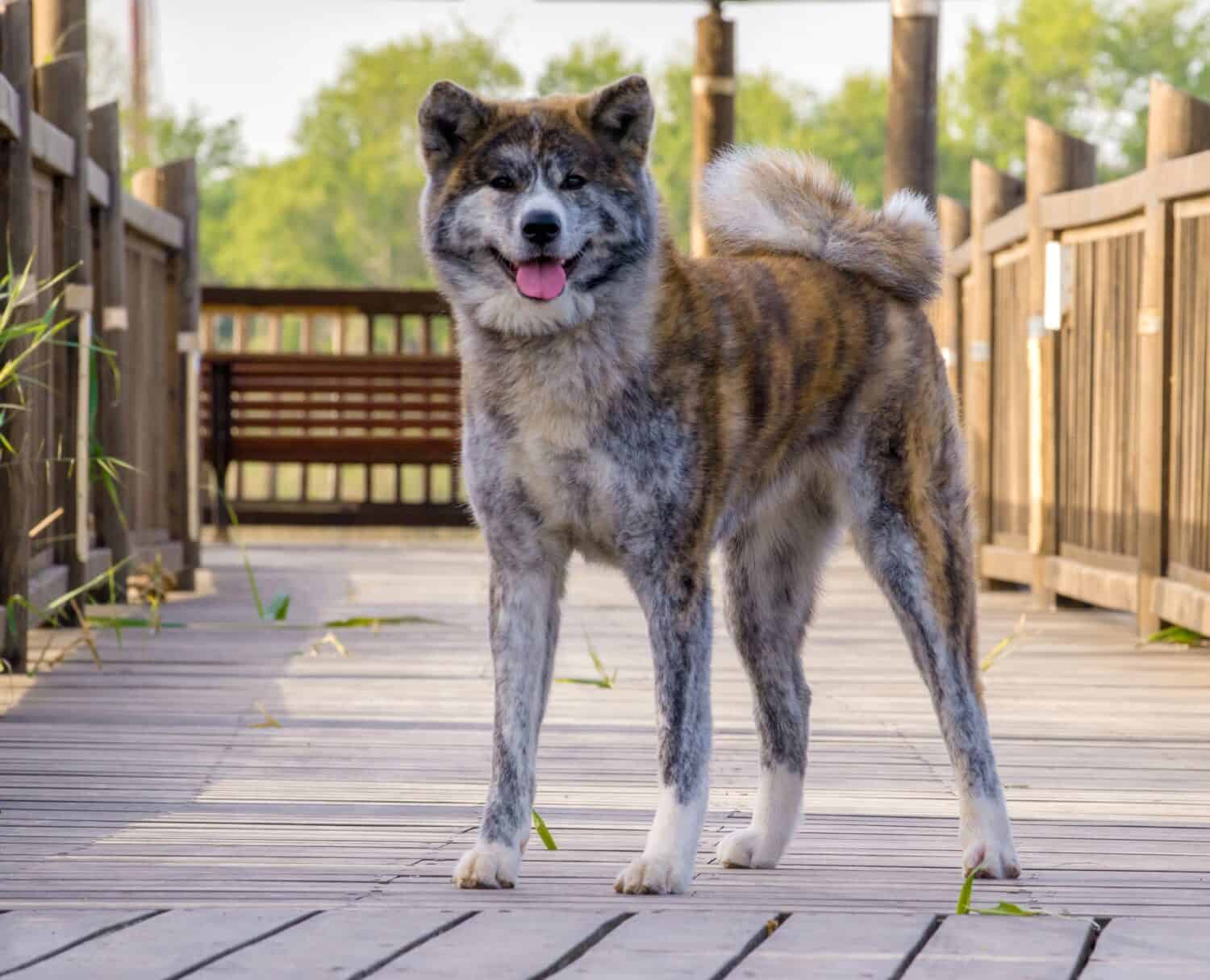


Breed size, heavy bone structure, and stoic temperaments demand attentive handling throughout all life stages.
Akitas are large, muscular dogs possessing immense physical strength that requires confident management on the leash. Because this breed tends to be stoic, they may mask signs of pain or illness until a condition has progressed significantly. Regular hands-on health checks at home—examining paws, ears, teeth, and skin underneath that thick brindle fur—help catch minor issues early. As these animals age into their senior years, joint support and customized exercise regimens become increasingly important to maintain mobility and comfort. Exploring topics related to Dog Breeds helps prospective owners align their expectations with the authentic realities of living with a northern guardian.
Consulting a licensed veterinarian or certified behaviorist is essential when addressing sudden health changes or complex behavioral challenges.
Professional guidance should be sought immediately if an animal exhibits sudden aggression, persistent lethargy, or unexplained changes in appetite. Behavioral issues rooted in fear or territoriality require the intervention of a certified professional who utilizes humane, science-based modification techniques. Never rely on guesswork when dealing with potential medical symptoms, as conditions that appear mild can sometimes indicate underlying systemic illness. Establishing a strong relationship with a veterinary professional guarantees personalized medical advice tailored precisely to the individual dog’s age, weight, and health history. For further insight into shaping positive habits, owners can consult educational materials on Dog Training and Dog Behavior.
Embracing the journey of Akita ownership enriches the lives of both human and canine companions alike.
Living with a brindle Akita is a deeply rewarding experience filled with loyalty, quiet companionship, and mutual respect. By combining proper grooming habits, attentive health monitoring, and positive behavioral guidance, guardians can ensure their majestic pets thrive for many years. Dedicated education remains the greatest tool for any pet parent navigating the unique responsibilities of large breed ownership. Discover more helpful guides, expert tips, and resources by visiting PetsAnimalsWorld.com today to support your journey in responsible animal care.


