

Understanding the Noble Heritage of Alsatians Dogs
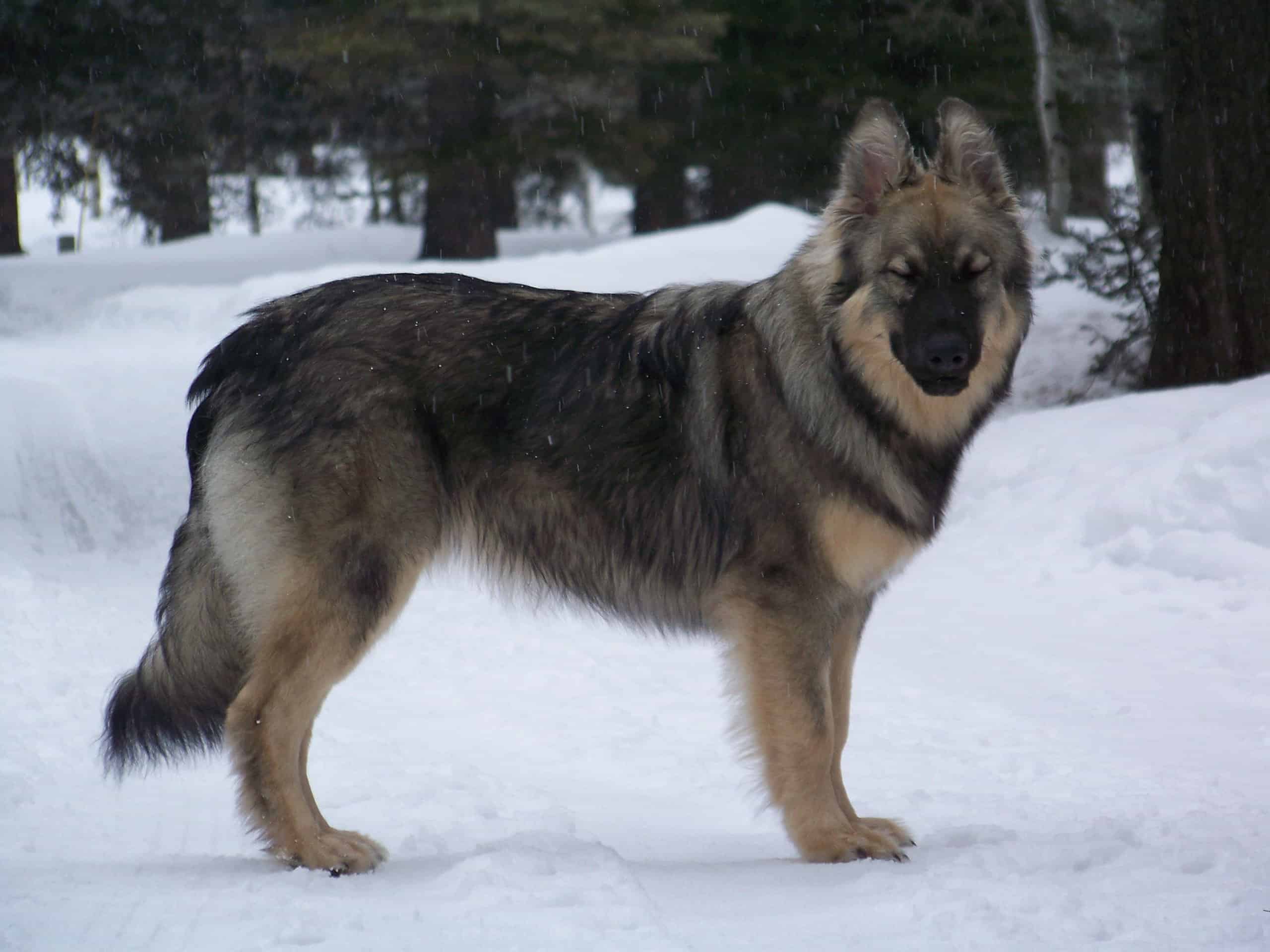
According to the American Kennel Club, the German Shepherd Dog, widely known by the historic name of alsatians dogs, consistently ranks among the most popular and recognizable canine companions across the globe. Generations of families have welcomed these intelligent canines into their homes, drawn by a striking appearance and a legendary work ethic. In clinical practice, working alongside these loyal animals reveals an extraordinary depth of focus and an intense desire to please human handlers. This remarkable dedication stems from deep-rooted historical origins that shaped both their physical endurance and their sharp mental capabilities.
💡 Pet Care Key Takeaways:
- Core Focus: Practical health, nutrition, and wellness guidelines for Alsatians Dogs.
- Target Scope: Pet owners, animal caregivers, and veterinary support staff.
- Best Recommendation: Maintain consistent daily routines and consult an accredited veterinarian before introducing major diet or medical changes.
Tracing the background of alsatians dogs reveals a heritage deeply rooted in European herding traditions and military service. Originally bred in Germany during the late nineteenth century to guard and manage flocks, these dogs quickly transitioned into essential roles for police and military forces worldwide. The designation arose largely in post-World War I Britain due to anti-German sentiments, though the canine underneath the moniker remained the same steadfast worker. Observing them in clinical settings highlights that same watchful vigilance, as these dogs naturally assess their environment with remarkable precision and calm awareness. For more related activities, check out our Malamute Dog Belgian.
The American Kennel Club recognizes the breed’s versatility, noting their exceptional performance in tracking, obedience, and search-and-rescue operations. — American Kennel Club
Defining the Distinctive Characteristics of Alsatians Dogs
Alsatians dogs are large, athletic canines characterized by a muscular build, a noble expression, and a characteristic double coat designed to withstand harsh weather conditions. Physically, adults typically stand between twenty-two and twenty-six inches at the shoulder, possessing a powerful gait that covers ground with effortless efficiency. Beyond their physical stature, these intelligent animals display a balanced temperament marked by courage, loyalty, and unwavering self-confidence when properly socialized from an early age.
Understanding the behavior of alsatians dogs requires recognizing their profound need for mental stimulation and purposeful activity. When left without adequate outlets for their formidable intelligence, these working canines may develop anxious habits or destructive chewing behaviors. Daily routines incorporating obedience work, interactive puzzles, and brisk outdoor exercise help channel their boundless energy into positive, cooperative actions that strengthen the bond with human family members.
Managing Physical Health and Daily Well-Being
Proper preventive veterinary care is essential for maintaining the long-term vitality of alsatians dogs throughout every stage of life. Common health considerations for this robust group include hip and elbow dysplasia, which are genetic structural variations that benefit greatly from early screening and weight management. Regular veterinary checkups, balanced nutritional plans, and appropriate physical conditioning help mitigate these risks and support optimal joint function.
Nutritional needs for large working breeds demand careful attention to protein quality, caloric density, and appropriate calcium-to-phosphorus ratios during rapid puppy growth phases. Owners must avoid sudden diet shifts, which can trigger gastrointestinal upset or more serious conditions like gastric dilatation-volvulus, commonly known as bloat. Consulting a qualified veterinarian ensures that feeding schedules and portion sizes align perfectly with the individual activity level and metabolic rate of each unique animal.
Establishing Effective Training and Socialization Protocols
Positive reinforcement training methods provide the most effective framework for guiding the behavior of alsatians dogs. Because these intelligent animals learn rapidly through clear communication and consistent rewards, harsh or punitive corrections are completely unnecessary and can induce fear or defensiveness. Early exposure to diverse people, unfamiliar environments, and gentle handling builds a resilient, well-adjusted adult companion capable of navigating modern community living with ease.
Consistency remains the cornerstone of successful canine education, requiring all household members to maintain identical rules and boundary expectations. Neglecting early socialization often leads to over-protectiveness or wariness around strangers, traits that require patient, systematic desensitization to correct. Integrating structured obedience drills into daily walks transforms routine exercise into an engaging learning opportunity that satisfies their strong working instincts.
The American Veterinary Medical Association emphasizes that consistent, reward-based training significantly enhances behavioral health and strengthens the human-animal bond. — American Veterinary Medical Association
Pet Care & Wellness Overview Table
| Life Stage | Daily Activity Level | Key Nutrition / Care Focus |
|---|---|---|
| Puppy / Kitten | High (frequent short bursts) | High-protein growth diet & early socialization |
| Adult Companion | Moderate (30–60 mins daily) | Balanced maintenance nutrition & dental hygiene |
| Senior Pets | Low to Gentle (mindful walks) | Joint support (Glucosamine) & routine vet checks |
Images References


Best Practices and Common Mistakes in Daily Care
Avoiding common husbandry errors ensures that alsatians dogs maintain peak physical condition and emotional stability. A frequent mistake among new owners is underestimating the sheer volume of daily exercise required to keep these athletic working canines mentally content. Incorporating structured tasks, such as carrying a weighted dog backpack during walks, provides the physical and mental challenge these intelligent dogs naturally crave.
Grooming demands regular attention, particularly during seasonal shedding periods when the dense undercoat requires frequent brushing to prevent matting and skin irritation. Neglecting dental hygiene can also lead to periodontal disease, making routine tooth brushing a vital component of holistic home care. Establishing a predictable grooming routine keeps the coat healthy while reinforcing gentle handling and trust between the dog and caregiver.
Temperament and Lifestyle Considerations for Households
Integrating alsatians dogs into a family environment requires an honest assessment of available time, living space, and household dynamics. These devoted companions form intensely close attachments to their human pack and prefer active involvement in everyday family activities rather than prolonged isolation in a backyard. Their natural protective instincts make them exceptional guardians, provided they receive proper socialization to distinguish between normal visitors and genuine threats.
Homes with active lifestyles find these energetic canines to be enthusiastic partners for hiking, running, and various canine sports like agility and tracking. Conversely, sedentary environments or prolonged confinement can lead to profound boredom and subsequent behavioral challenges. Providing a stable, engaging home environment ensures these magnificent animals thrive physically and mentally throughout their lives.
Knowing When to Consult a Veterinary Professional or Behaviorist
Professional guidance becomes necessary whenever sudden behavioral shifts, persistent limping, or unexplained lethargy manifest in alsatians dogs. Veterinarians offer vital diagnostic services to rule out underlying medical discomforts that frequently manifest as outward behavioral changes or aggression. Furthermore, certified professional dog trainers and veterinary behaviorists provide specialized intervention strategies for complex issues such as severe separation anxiety or reactivity, ensuring safe and humane resolution.
Collaborating with qualified experts early in the manifestation of any worrisome symptom prevents minor concerns from escalating into deeply ingrained behavioral patterns. Regular wellness examinations combined with proactive communication with healthcare teams guarantee that every canine companion receives tailored medical support suited to their specific physiological needs.
Supporting Lifelong Canine Wellness and Vitality
Embracing the responsibilities of canine guardianship involves a lifelong commitment to understanding the unique physical and behavioral requirements of alsatians dogs. By prioritizing proper nutrition, consistent positive reinforcement, and attentive veterinary care, owners create an enriching environment where these loyal companions can flourish. Discover more expert resources by exploring Dog Breeds, reviewing essential tips in Dog Care, and deepening your understanding through Dog Training guides available on PetsAnimalsWorld.com.


