

Introduction
Walking a dog should be a joyful and relaxing experience for both the canine companion and its human. However, for many dog owners, the daily walk can become a struggle against a determined puller, transforming an anticipated outing into a test of strength and patience. This common challenge is precisely where the concept of an anti pull lead becomes invaluable. An anti pull lead is a specialized piece of equipment, typically a harness or head halter, designed to discourage dogs from pulling on the leash during walks. Understanding how these tools work and why dogs pull is crucial for fostering a more harmonious relationship and ensuring safer, more enjoyable strolls. Addressing pulling behavior not only enhances the quality of walks but also significantly contributes to a dog’s overall well-being and positive behavior, preventing potential injuries for both the dog and the handler.
💡 Pet Care Key Takeaways:
- Core Focus: Practical health, nutrition, and wellness guidelines for Anti Pull Lead.
- Target Scope: Pet owners, animal caregivers, and veterinary support staff.
- Best Recommendation: Maintain consistent daily routines and consult an accredited veterinarian before introducing major diet or medical changes.
Common Causes and Key Factors
Dogs pull on the leash for a variety of reasons, often rooted in their natural instincts and experiences. One primary factor is simple excitement and overstimulation. A dog entering an environment rich with new sights, sounds, and smells naturally wants to explore, often at a pace faster than its human companion. For many dogs, a walk represents a highly anticipated event, leading to an immediate surge of energy and an eagerness to get moving. For more related activities, check out our Cesar Millan How To Stop Puppy Biting.
Breed predisposition also plays a role; certain breeds, such as Siberian Huskies or various hound breeds, were historically bred for activities that involve pulling or following scents, making loose-leash walking less intuitive for them. Furthermore, a lack of consistent training or inadvertent reinforcement can solidify pulling behavior. If a dog pulls and successfully reaches its desired destination or object, it learns that pulling is an effective strategy.
Insufficient daily exercise can result in a dog having excess energy to burn during walks, which often manifests as pulling. The use of improper equipment, such as a flat collar that provides no leverage or encourages a dog to pull against pressure, can exacerbate the issue. In some instances, pulling may also be a manifestation of fear or anxiety, where a dog attempts to flee from a perceived threat or uncomfortable situation.
Signs and Symptoms to Observe
Recognizing the signs of pulling behavior extends beyond merely observing a dog straining against the leash. A consistent tension on the lead, where the owners arm is constantly being pulled forward, is a clear indicator. Dogs that walk with their body consistently ahead of the handler, rather than alongside, are typically engaging in pulling.
Audible signs, such as gagging, choking sounds, or repeated coughing, are particularly concerning when a dog is walked on a standard collar, indicating undue pressure on the trachea. Lunging, which involves sudden, forceful movements towards an object, person, or other animal, is another manifestation of uncontrolled pulling, often driven by intense curiosity, excitement, or reactivity.
Dogs that resist changes in direction or show a strong determination to proceed along their chosen path, ignoring attempts by the owner to guide them, also demonstrate a lack of leash manners. High levels of excitement and intense anticipation upon the mere sight or attachment of the leash can also foreshadow immediate pulling once the walk begins, regardless of the dog’s age or breed.
Practical Solutions and Management Strategies
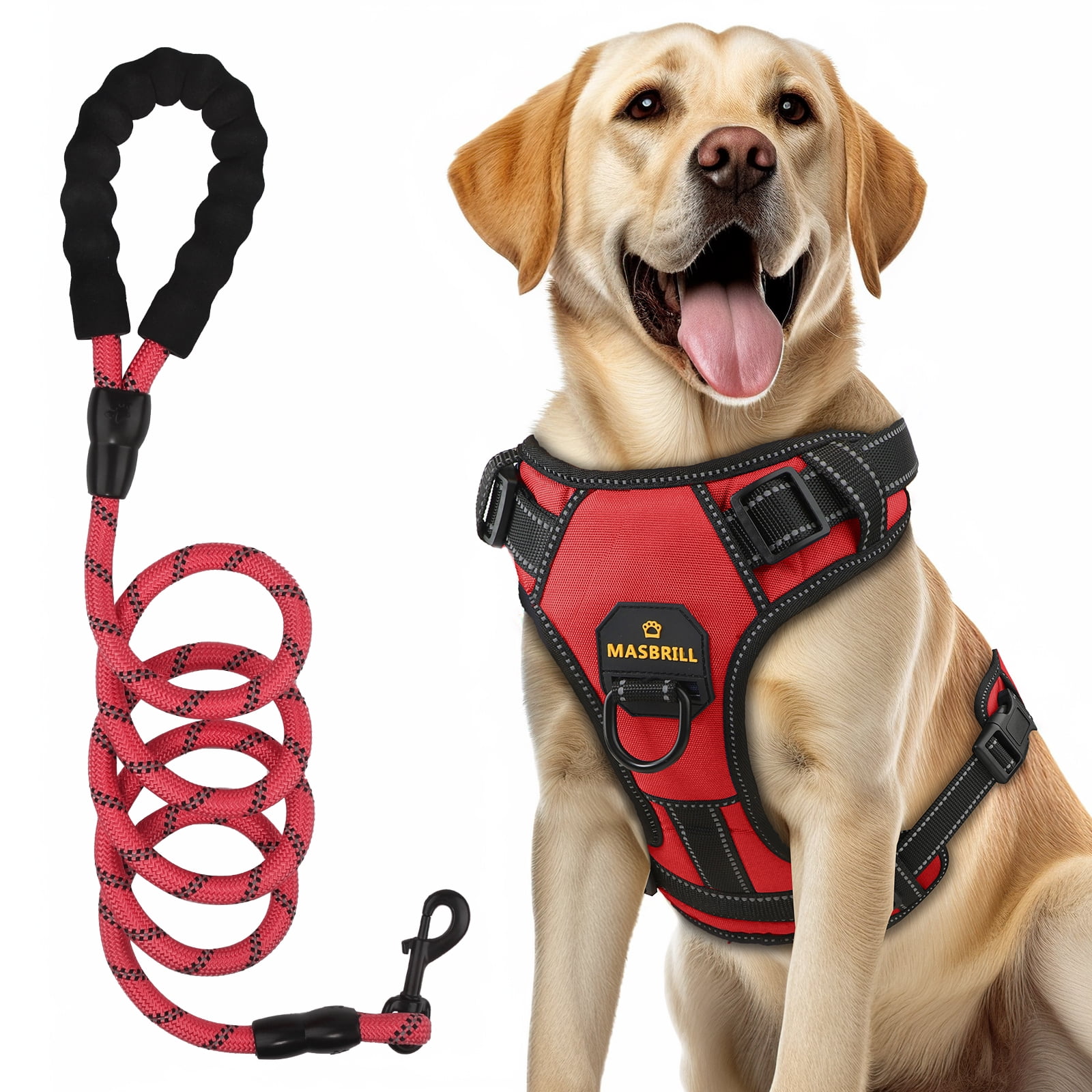
Effectively managing pulling behavior requires a combination of appropriate equipment and consistent training. The judicious selection of an anti pull lead is often the first step. Front-clip harnesses are a popular choice; these harnesses feature a leash attachment point on the dog’s chest. When a dog pulls, the leash pressure redirects its momentum sideways, making it less efficient to pull forward and naturally turning the dog back towards the handler.
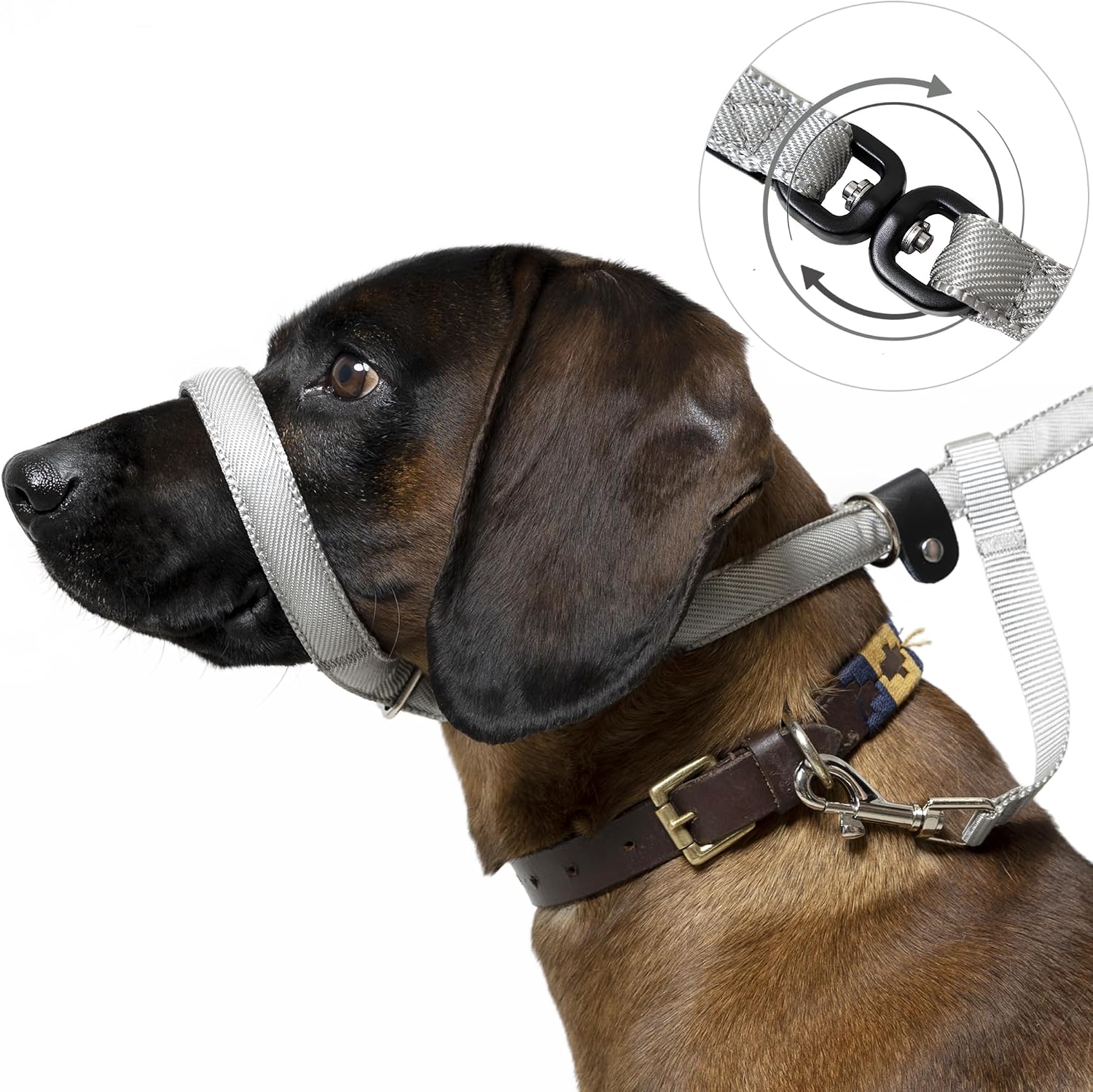
Head halters, sometimes called gentle leaders, offer another effective solution. These devices fit over a dog’s muzzle and behind its ears, functioning similarly to a horse halter. They provide control over the dog’s head, which in turn influences the direction of its body. When a dog attempts to pull, the head halter gently guides its nose downwards or sideways, making pulling uncomfortable and redirecting its focus to the handler.
Beyond equipment, training techniques are paramount. The “stop-and-go” method involves stopping immediately whenever the dog pulls, only resuming the walk once the leash goes slack. This teaches the dog that pulling makes forward progress impossible. Similarly, changing direction abruptly whenever pulling begins can disorient the dog and encourage it to pay closer attention to the handler. Positive reinforcement, using treats or praise, should be consistently applied whenever the dog walks with a loose leash, rewarding the desired behavior.
Starting training in a low-distraction environment and gradually introducing more stimulating surroundings can help a dog master loose-leash walking. Ensuring a dog receives adequate exercise before structured walks can also help burn off excess energy, making it more receptive to training and less inclined to pull. Consistency in applying these strategies during every walk is essential for long-term success.
When Professional Help May Be Needed
While many pulling issues can be resolved with consistent training and the right anti pull lead, certain situations warrant professional intervention. Owners facing extreme pulling or lunging that compromises safety for themselves, their dog, or others in public spaces should consider seeking expert guidance. This includes dogs that are physically strong enough to injure a handler or escape.
When pulling is accompanied by leash reactivity, such as excessive barking, growling, or aggression towards other dogs or people, a certified professional dog trainer or a veterinary behaviorist can provide tailored strategies. These behaviors often stem from underlying anxiety or fear, requiring a nuanced approach that goes beyond simple leash corrections.
If an owner has diligently applied various training techniques and consistently used an anti pull lead without significant improvement, it may indicate a need for a fresh perspective or more advanced training protocols. Additionally, if there is any suspicion that a dog’s pulling behavior is linked to physical discomfort or pain, a veterinary consultation is essential to rule out any underlying medical conditions. Professional trainers can offer invaluable insights, personalized plans, and hands-on demonstrations, significantly improving outcomes for persistent pulling challenges.
Conclusion
Mastering loose-leash walking transforms the daily dog walk from a chore into a cherished bonding experience. The strategic use of an anti pull lead, combined with patient and consistent positive reinforcement training, is fundamental to achieving this goal. Understanding the underlying reasons for a dog’s pulling behavior and recognizing its signs are crucial first steps toward implementing effective solutions. By choosing the appropriate equipment, applying proven training methods, and knowing when to seek professional assistance, owners can guide their canine companions towards enjoyable, relaxed walks. The journey to a perfectly loose leash requires commitment and understanding, but the rewards of a well-behaved dog and harmonious outings are immeasurable, enriching the lives of both the dog and its family.
Pet Care & Wellness Overview Table
| Life Stage | Daily Activity Level | Key Nutrition / Care Focus |
|---|---|---|
| Puppy / Kitten | High (frequent short bursts) | High-protein growth diet & early socialization |
| Adult Companion | Moderate (30–60 mins daily) | Balanced maintenance nutrition & dental hygiene |
| Senior Pets | Low to Gentle (mindful walks) | Joint support (Glucosamine) & routine vet checks |
Images References




For more expert pet care tips and advice, check out our dedicated Dog Training guides to keep your companions healthy and happy.




