

Understanding the Majestic Guardian of the Mountains
According to the American Kennel Club, introducing a rare, historic guardian breed into modern domestic environments requires a deep understanding of ancestral traits and intense socialization. Many guardians carry centuries of instinct designed for rugged isolation, which shapes how they perceive everyday household commotion. Observing these magnificent dogs in a clinic setting reveals a striking dichotomy: profound, watchful stillness masking lightning-fast protective reflexes. Navigating this reality demands specialized knowledge from canine professionals who appreciate what keeps ancient working lines balanced. Exploring the needs of this specialized livestock guardian dog helps bridge the gap between traditional mountain working dogs and contemporary companion expectations.
💡 Pet Care Key Takeaways:
- Core Focus: Practical health, nutrition, and wellness guidelines for Bakharwal.
- Target Scope: Pet owners, animal caregivers, and veterinary support staff.
- Best Recommendation: Maintain consistent daily routines and consult an accredited veterinarian before introducing major diet or medical changes.
What Bakharwal Defines in the World of Working Canines
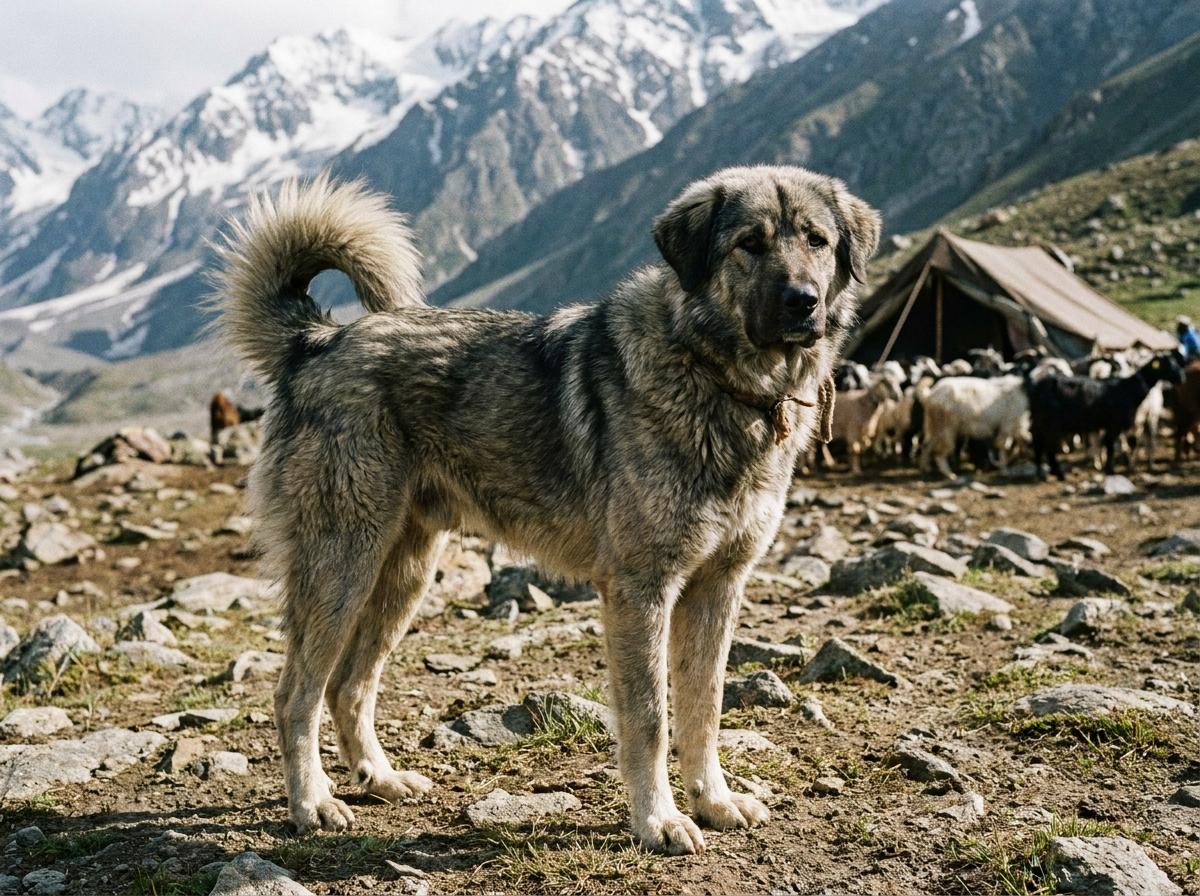
Bakharwal refers to a powerful, indigenous molosser-type dog breed originating from the Himalayan region, historically bred by nomadic tribes to protect flocks from predators. Characterized by a heavy bone structure, thick double coat, and immense physical strength, this canine is built to endure harsh weather and demanding terrain. In clinical encounters, professionals immediately notice their deep chests, broad skulls, and an imposing presence that commands respect. These physical attributes formed through centuries of natural and artificial selection under brutal environmental pressures. Recognizing this heritage explains why standard suburban living conditions can sometimes trigger immense behavioral stress if not managed correctly. For more related activities, check out our Golden Spanial.
Health and Behavioral Impacts of an Ancient Working Heritage
Managing a heavy guardian breed involves anticipating specific orthopedic challenges and robust territorial instincts common to ancient working lines. Due to their massive size, these dogs face elevated risks of joint abnormalities like hip dysplasia, making structured growth and joint support vital during youth. Behaviorally, their strong guarding drive means that strangers are viewed with intense suspicion rather than immediate warmth. In veterinary practice, working through this innate skepticism requires patient, fear-free handling techniques and slow, respectful introductions. Ignoring these baseline instincts often leads to reactive behaviors rooted in a misguided attempt to protect property or family.
Large and giant dog breeds show a significantly higher prevalence of developmental orthopedic conditions compared to smaller companion dogs — American Kennel Club
How to Provide Proper Socialization and Management
Providing adequate socialization from early puppyhood is the single most effective way to help a mountain guardian navigate modern society safely. Owners must introduce their young dogs to a wide variety of sounds, people, environments, and other animals using positive reinforcement methods. When addressing the preservation of their protective nature without fostering aggression, structured obedience training becomes non-negotiable. Consistent boundaries prevent the dog from taking executive decisions regarding who enters the family perimeter. Furthermore, routine handling exercises during puppyhood prepare the animal for cooperative veterinary exams later in life.
Best Practices and Common Mistakes to Avoid
Avoiding heavy-handed or punitive discipline is critical, as harsh corrections often escalate fear and defensive reactivity in powerful guarding dogs. Instead, focus on clear communication, predictable routines, and high-value rewards that build a strong bond of mutual trust. Another frequent error is underestimating their intense need for physical space and mental enrichment, which can result in destructive boredom. Providing a secure, fenced yard where the dog can patrol safely satisfies their intrinsic need for territorial oversight. Remember that physical exercise alone is never enough for a working-class mind; problem-solving games and scent work provide necessary cognitive fatigue.
Positive reinforcement training methods build stronger human-canine bonds and reduce stress-related behavioral issues more effectively than dominance-based approaches — American Veterinary Medical Association
Pet Care & Wellness Overview Table
| Life Stage | Daily Activity Level | Key Nutrition / Care Focus |
|---|---|---|
| Puppy / Kitten | High (frequent short bursts) | High-protein growth diet & early socialization |
| Adult Companion | Moderate (30–60 mins daily) | Balanced maintenance nutrition & dental hygiene |
| Senior Pets | Low to Gentle (mindful walks) | Joint support (Glucosamine) & routine vet checks |
Images References




Temperament and Physical Considerations for Modern Keepers
Evaluating whether this specialized breed fits a particular household requires total honesty regarding time, property size, and experience levels. These independent thinkers do not possess the eager-to-please mentality of typical retrievers, meaning training requires patience and seasoned leadership. Their thick coats demand regular maintenance to prevent painful matting and skin infections, especially during seasonal shedding cycles. Families with frequent visitors or bustling social calendars must carefully weigh how a dedicated guard dog will manage constant commotion. Ultimately, successful ownership hinges on embracing the animal for what it is rather than trying to force it into a generic pet mold.
When to Consult a Veterinarian or Professional Behaviorist
Consulting a qualified professional is essential the moment unexpected aggression, severe fear responses, or sudden physical discomfort arises. A certified dog trainer or veterinary behaviorist can design tailored intervention plans that respect the unique psychological profile of heavy guardian breeds. Simultaneously, routine veterinary check-ups help rule out underlying medical causes for sudden behavioral shifts, as pain frequently manifests as irritability in dogs. Never attempt to manage severe reactivity through punishment; instead, seek expert guidance immediately to ensure safety for everyone involved. Proactive collaboration with veterinary and behavioral specialists safeguards the well-being of both the dog and the human family.
Embracing Responsible Ownership Through Education
Nurturing a harmonious relationship with a powerful guardian breed takes dedication, respect, and a commitment to lifelong learning. By understanding their rich history, physical needs, and behavioral triggers, keepers can provide a fulfilling life that honors the essence of these magnificent dogs. Continuing to explore expert resources on Dog Behavior and Dog Training ensures that challenges are met with proven, compassionate solutions. For holistic guidance covering everything from preventive medicine to daily upkeep, visit PetsAnimalsWorld.com to explore comprehensive guides on Dog Health, Dog Care, and Dog Breeds.


