
Understanding Common Beagle Behavioral Challenges in the Modern Home
According to the American Kennel Club, Beagles are celebrated worldwide for their gentle disposition, affectionate nature, and unwavering loyalty to their human companions. Behind those soulful eyes and floppy ears, however, lies a lineage of driven scent hounds with instincts that frequently clash with modern domestic life. When left unmanaged, the natural traits of this historic scent hound breed can quickly morph into frustrating household hurdles. Understanding why these tendencies occur is the foundational step toward achieving lasting harmony at home, especially for families exploring Dog Breeds with high tracking drives.
💡 Pet Care Key Takeaways:
- Core Focus: Practical health, nutrition, and wellness guidelines for Beagles Behavioral Issues.
- Target Scope: Pet owners, animal caregivers, and veterinary support staff.
- Best Recommendation: Maintain consistent daily routines and consult an accredited veterinarian before introducing major diet or medical changes.
Beagles Behavioral Issues Stem Directly from Centuries of Selective Breeding
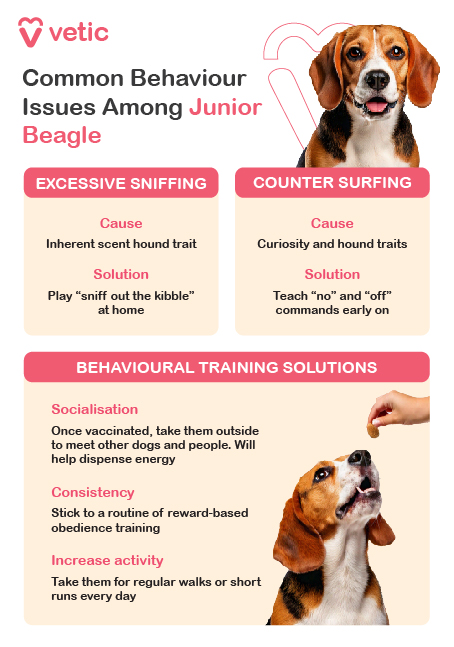
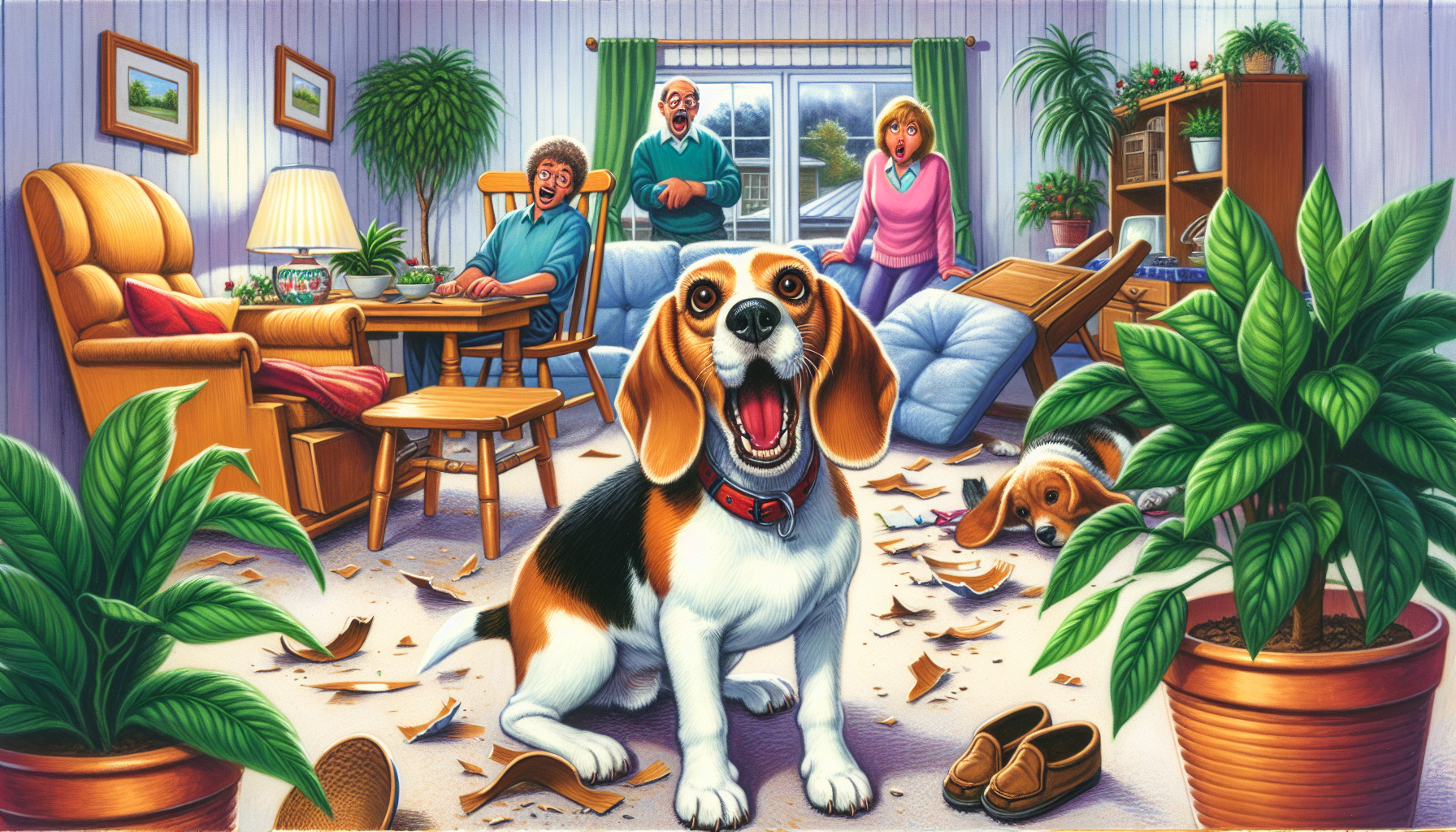
Beagles behavioral issues primarily encompass excessive vocalization, relentless escaping, separation anxiety, and stubborn destructiveness rooted in scent tracking. This charming compact hound was originally bred to hunt in packs by trailing small game across uneven English countryside. Consequently, modern family pets inherit a genetic blueprint wired for independence, endurance, and vocal expression. When a dog spends hours alone inside a quiet suburban house with minimal mental stimulation, that ancient hunting drive redirects itself into barrier frustration, destructive chewing, or compulsive howling. Recognizing that these actions are instinctive rather than malicious allows caretakers to shift from punitive reactions to proactive, empathy-driven solutions.
The Impact of Unmanaged Hound Instincts on Canine Well-Being
Unchecked behavioral challenges can severely compromise a dog’s psychological well-being and strain the human-animal bond within the household. Dogs that frequently bolt from open doors or backyards face severe risks from traffic and predators. Meanwhile, chronic vocalization often leads to friction with neighbors, occasionally resulting in housing disputes or the heartbreaking surrender of beloved companions to shelters. Working hands-on with these hounds reveals a striking phenomenon: an under-stimulated scent hound will methodically dismantle couch cushions or shred drywall not out of anger, but simply because their powerful noses and active minds are desperately seeking an outlet. Providing proper enrichment prevents these destructive outlets from forming in the first place, supporting overall Dog Health.
Pack-oriented tracking hounds left alone for extended periods frequently develop stress behaviors including compulsive howling, self-mutilation, and escape attempts. — American Society for the Prevention of Cruelty to Animals
Effective Strategies for Managing and Preventing Hound Misbehavior
Managing hound instincts requires channeling that formidable olfactory drive into structured activities like nose work, tracking games, and long-line decompression walks. Instead of trying to suppress a tracking dog’s natural desire to sniff, professional behaviorists recommend incorporating scent games into daily routines to tire out the brain efficiently. Consistent positive reinforcement training helps establish reliable recalls, reducing the likelihood of impulsive bolting when a compelling wildlife scent crosses the path. Furthermore, securing boundaries with escape-proof fencing and utilizing puzzle feeders can significantly curb destructive boredom at home, tying directly into effective Dog Training methodologies.
Essential Best Practices and Pitfalls to Avoid with Scent Hounds
Harsh, aversive correction methods should always be avoided because they damage trust and escalate fear-based reactivity in sensitive hounds. Consistency remains the cornerstone of success when navigating complex canine conduct, meaning every family member must enforce identical household rules. Owners frequently make the mistake of letting a puppy chase backyard wildlife, inadvertently rewarding a sequence that becomes nearly impossible to break in adulthood. Implementing structured crate training early on also prevents separation distress while keeping the animal safe from ingesting hazardous household items. For comprehensive guidance on daily upkeep, consulting reliable resources on Dog Care ensures every physical and mental need is met.
Utilizing positive reinforcement methods during obedience sessions dramatically improves focus and strengthens communication between handlers and independent scent hounds. — American Kennel Club
Pet Care & Wellness Overview Table
| Life Stage | Daily Activity Level | Key Nutrition / Care Focus |
|---|---|---|
| Puppy / Kitten | High (frequent short bursts) | High-protein growth diet & early socialization |
| Adult Companion | Moderate (30–60 mins daily) | Balanced maintenance nutrition & dental hygiene |
| Senior Pets | Low to Gentle (mindful walks) | Joint support (Glucosamine) & routine vet checks |
Images References






Temperament, Age, and Environmental Factors Shaping Hound Conduct
Adolescent hounds between six and eighteen months old typically display an intensification of stubbornness and distractibility as their hormones mature. The iconic melodic baying—a specialized vocalization used by hunting hounds to alert pack members—can emerge spontaneously when the animal spots squirrels or hears distant neighborhood noises. Living environments heavily influence these patterns as well, because urban apartments lacking secure outdoor exercise spaces demand significantly more creative indoor enrichment than rural properties with large yards. Recognizing these developmental milestones helps caretakers adjust their expectations and management strategies accordingly, fostering a peaceful coexistence throughout every life stage.
When to Seek Professional Guidance for Severe Behavioral Concerns
Consulting a certified professional behaviorist or veterinarian becomes essential when behavioral struggles involve intense aggression, severe self-injury, or debilitating panic reactions. Never attempt to punish fear or anxiety-based issues, as this approach routinely exacerbates the underlying emotional state and increases bite risks. A veterinary professional can rule out underlying medical conditions, chronic pain, or neurological deficits that frequently manifest as sudden personality shifts or destructive habits. Collaborating with qualified experts guarantees a customized, science-backed rehabilitation plan tailored specifically to the unique emotional landscape of the individual animal, keeping both the dog and the community safe.
Creating a Harmonious Household Through Understanding and Patience
Embracing the unique quirks of a historic tracking breed transforms frustrating daily challenges into opportunities for deeper connection and mutual respect. By providing appropriate outlets for scenting, maintaining consistent boundaries, and offering endless patience, families can unlock the truly devoted and affectionate companion hidden beneath those hound instincts. Explore more expert advice across Dog Behavior guides and resources right here on PetsAnimalsWorld.com to ensure a joyful, balanced life for every furry family member.




