

Understanding the Vocal Landscape of the Siberian Breed
According to the American Kennel Club, Siberian Huskies are renowned for their remarkable vocal repertoire, which ranges from melodious howls to conversational murmurs. When bringing one of these striking Arctic dogs into a home, families often notice a vast array of unique sounds filling the living space. Beyond the typical barks and yips, canine vocalization serves as a complex system of emotional expression and communication. Understanding the nuances of these sounds requires looking past human interpretations and focusing on the underlying message the animal attempts to convey. Observing them in a clinical setting reveals that each vocal nuance carries a distinct physiological and emotional purpose.
💡 Pet Care Key Takeaways:
- Core Focus: Practical health, nutrition, and wellness guidelines for Do Huskies Growl?.
- Target Scope: Pet owners, animal caregivers, and veterinary support staff.
- Best Recommendation: Maintain consistent daily routines and consult an accredited veterinarian before introducing major diet or medical changes.
Siberian Huskies do growl, but this behavior frequently functions as a form of non-threatening conversation rather than a sign of aggression.
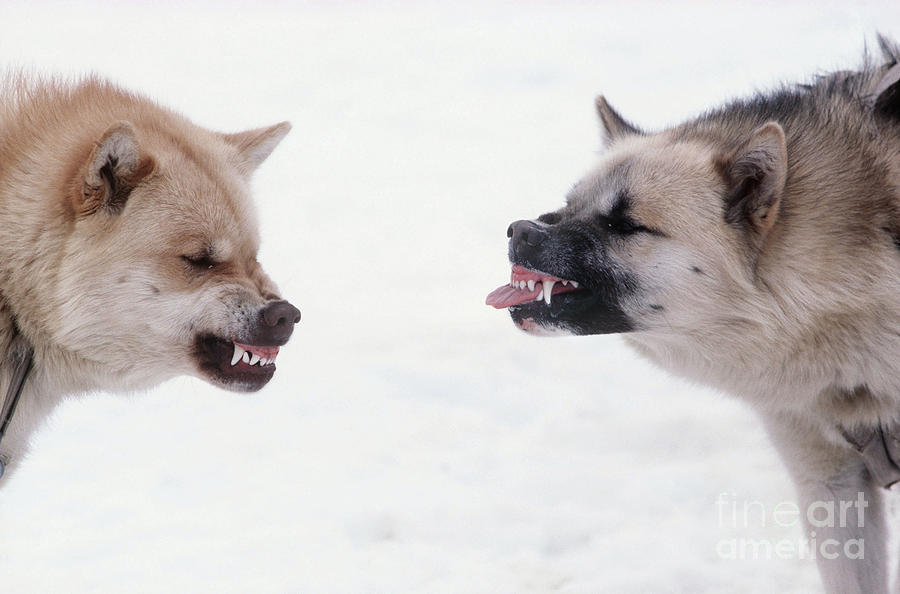
Many novice owners panic upon hearing a low rumbling sound emanate from their dog’s chest, immediately assuming the worst. In reality, this specific northern breed is famous for “talking back,” a trait where low growls, groans, and sighs are blended together to express opinions on daily routines. These sounds are deeply tied to Dog Behavior patterns unique to spitz-type dogs, which often retain ancestral communication habits from working in harsh sledding environments. During hands-on examinations in the clinic, patients frequently emit conversational grumbles while being petted, demonstrating pure contentment rather than hostility. Differentiating between a friendly chat and a genuine warning involves examining the entire canine body, including posture, ear position, and eye contact.
Interpreting vocalizations correctly prevents misunderstandings and promotes a harmonious relationship between the household and the pet.
Misinterpreting a benign vocalization as a threat can severely damage the trust established with a sensitive working dog. When an owner reacts with undue scolding to a conversational growl, the animal may become confused or anxious about expressing itself naturally. Over time, suppressing these vocal outlets can lead to stress, which impacts overall Dog Health and emotional well-being. Careful observation during daily interactions helps caretakers learn the precise pitch and rhythm that separate a playful complaint from a defensive boundary-setting noise. Recognizing these subtle differences ensures that the animal feels heard and secure within the family dynamic.
Siberian Huskies possess a distinct vocal toolkit characterized by varied tones, frequent conversational grumbles, and expressive howls rather than standard guard-dog barking — American Kennel Club
Proper management of vocal behaviors relies on positive reinforcement and respecting the natural communicative tendencies of the breed.
Encouraging appropriate expression while redirecting excessive noise requires patience, consistency, and positive reinforcement training methods. Punishing a dog for making vocal sounds only creates fear, which can inadvertently escalate defensive behaviors into actual aggression. Instead, teaching structured quiet cues and rewarding calm silence helps establish clear boundaries without stifling the dog’s personality. Exploring comprehensive resources on Dog Training provides valuable strategies for channelizing high energy and vocal tendencies into productive outlets. Engaging the animal in mentally stimulating activities also reduces boredom-induced vocalizing.
Avoiding common mistakes when responding to canine vocalizations ensures a peaceful household environment.
A frequent mistake among owners is inadvertently rewarding noisy behavior by offering attention or treats immediately after the dog starts growling or whining. This inadvertent conditioning teaches the animal that rumbling noises are an effective way to demand resources or playtime. Another pitfall involves ignoring genuine bodily tension while focusing entirely on the sound, missing crucial warning signs of discomfort or pain. Maintaining a calm, neutral demeanor when the dog expresses itself helps keep interactions balanced and prevents anxiety-driven escalation. Consistent rules across all family members prevent the animal from receiving mixed signals regarding acceptable indoor noise levels.
Canine behaviorists emphasize that punishing a dog for growling removes a vital warning signal, potentially increasing the risk of unpredictable biting — American Society for the Prevention of Cruelty to Animals
Pet Care & Wellness Overview Table
| Life Stage | Daily Activity Level | Key Nutrition / Care Focus |
|---|---|---|
| Puppy / Kitten | High (frequent short bursts) | High-protein growth diet & early socialization |
| Adult Companion | Moderate (30–60 mins daily) | Balanced maintenance nutrition & dental hygiene |
| Senior Pets | Low to Gentle (mindful walks) | Joint support (Glucosamine) & routine vet checks |
Images References






Breed heritage and individual temperament heavily influence how often and under what circumstances these dogs vocalize.
Exploring specific Dog Breeds reveals that independent, pack-oriented dogs like the Siberian Husky evolved to communicate across vast snowy distances with their human handlers and canine peers. This evolutionary history means their vocal cords are exercised frequently, resulting in dramatic sighs, grunts, and low-pitched mumbles when they disagree with a decision or request. Age and individual socialization also play significant roles, as younger adolescents tend to test their vocal boundaries more often than older, settled adults. Providing appropriate physical outlets and mental challenges tailored to Dog Care standards helps manage these instinctual communication drives effectively.
Professional guidance from a certified behaviorist becomes necessary when vocalizations shift from normal communication to persistent defensive warnings.
Consulting a veterinarian or a certified professional dog behaviorist is essential if the growling is accompanied by stiff body posture, bared teeth, snapping, or unprovoked lunging. Physical discomfort or underlying medical conditions can manifest as sudden behavioral shifts, making a thorough veterinary examination the crucial first step in addressing new aggression. Force-free, evidence-based behavior modification plans ensure that the root cause of the tension is addressed safely and humanely. Professional experts can accurately evaluate the environment and design a customized intervention strategy tailored to the specific needs of the dog.
Building a strong bond of mutual trust allows owners to appreciate the unique vocal expressions of their canine companions safely.
Embracing the talkative nature of this magnificent northern breed transforms potential household frustrations into moments of connection and amusement. By learning the distinct differences between friendly conversation and genuine warnings, families can foster an environment of safety and clear communication. Continuous education regarding canine body language and behavior ensures a long, rewarding partnership between pets and their human caregivers. For further expert insights into keeping companion animals happy and healthy, explore the extensive resources available on PetsAnimalsWorld.com and discover more guidance across various specialized categories.




