

Understanding the Unique Appeal and History of the Bear Coat Shar-Pei
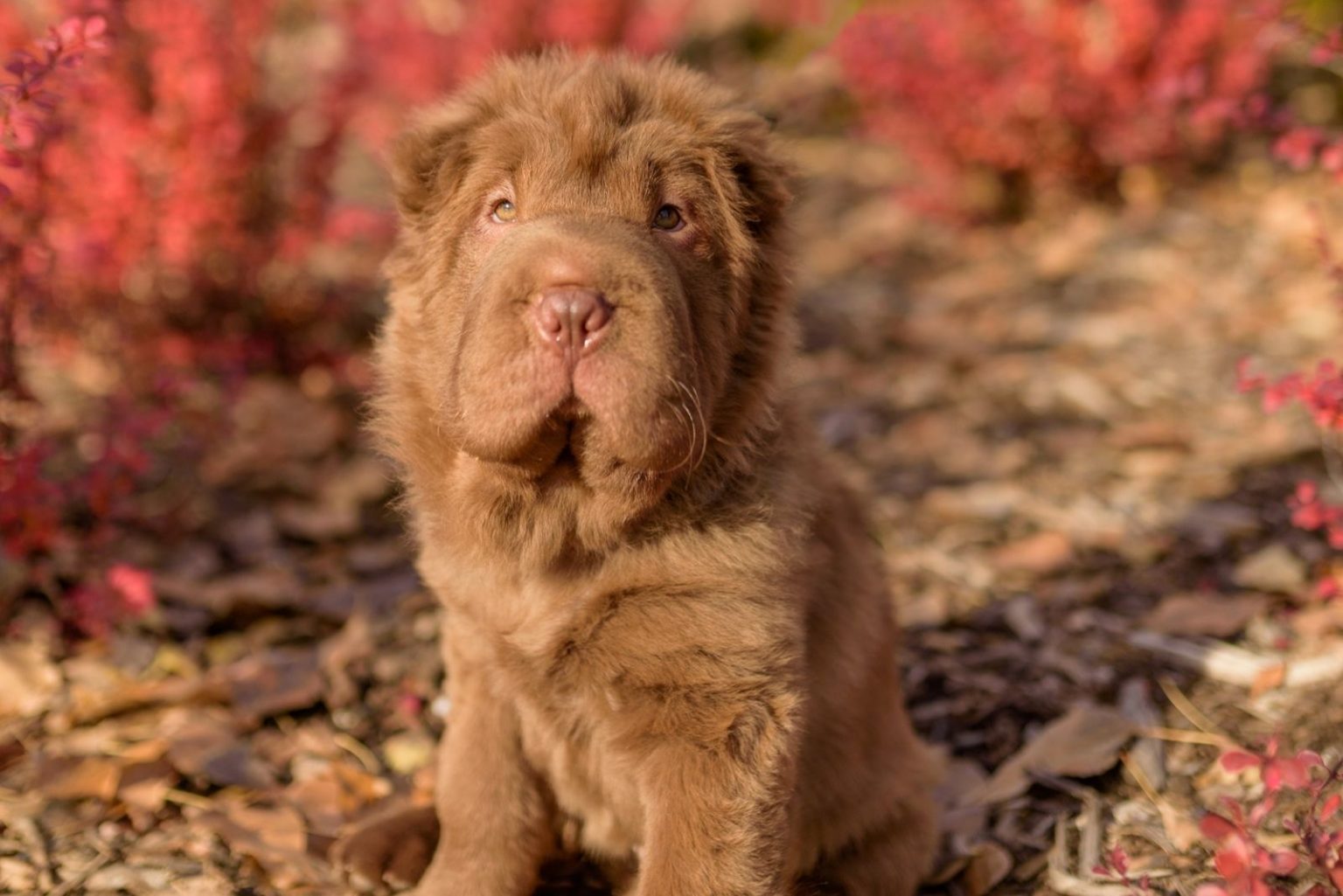
According to the American Kennel Club (AKC), the Chinese Shar-Pei is an ancient breed originally developed for guarding, hunting, and fighting in ancient China, celebrated worldwide for its distinctive blue-black tongue and profuse wrinkles. Beyond the standard short-haired variety, a remarkable variant captures the hearts of dog enthusiasts globally: the bear coat sharpei. This plush-coated canine carries a genetic twist that yields a remarkably long, soft, and fluffy coat reminiscent of a small teddy bear. Working in veterinary clinics over the years, handling one of these velvet-furred dogs always brings a smile, as their striking silhouette combines the classic regal scowl of the breed with an unexpected layer of cuddly fluff. Appreciating this specific canine variant requires looking past the charming exterior to understand the distinct genetics, maintenance requirements, and overall wellness needs that accompany such an unusual physical manifestation.
💡 Pet Care Key Takeaways:
- Core Focus: Practical health, nutrition, and wellness guidelines for Bear Coat Sharpei..
- Target Scope: Pet owners, animal caregivers, and veterinary support staff.
- Best Recommendation: Maintain consistent daily routines and consult an accredited veterinarian before introducing major diet or medical changes.
What Exactly Defines a Bear Coat Shar-Pei?
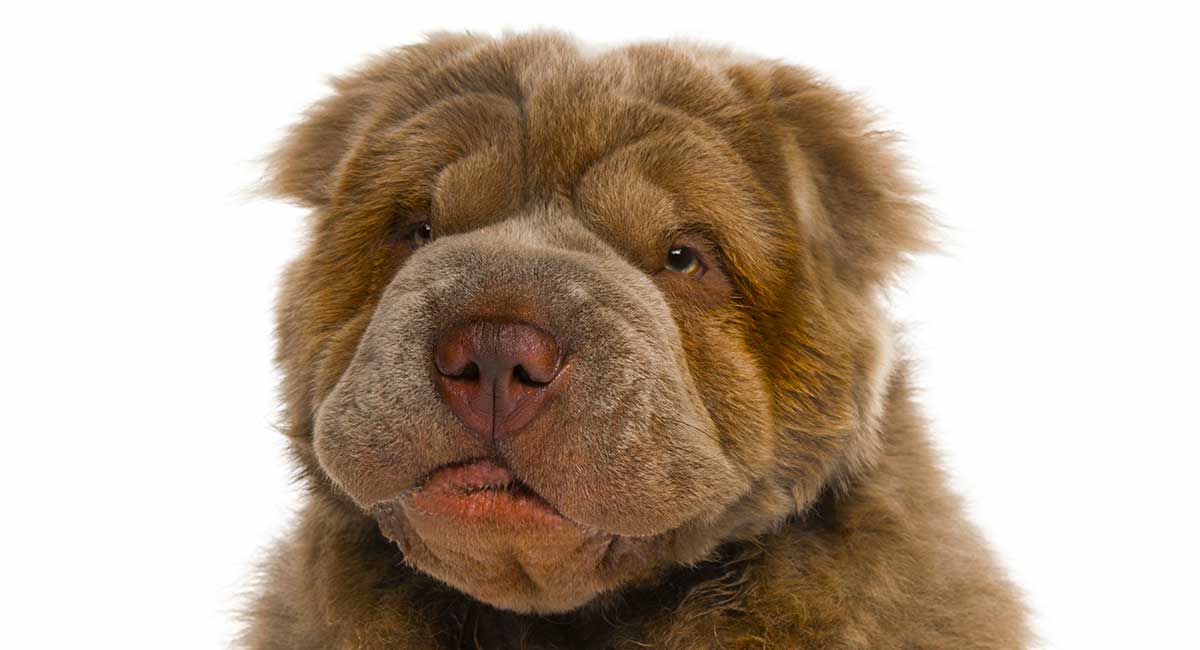
Bear coat sharpei refers to a Chinese Shar-Pei born with a long-haired gene mutation that alters the standard horse or brush coat into a heavy, plush, and flowing outer layer. In genetic terms, the standard Shar-Pei coat is governed by a recessive hair-length gene, meaning both parents must carry the trait for a puppy to display this longer coat style. Unlike the bristly, sandpaper-like texture of a traditional show-quality dog, a bear coat dog features longer guard hairs and a softer undercoat, creating a halo of fur around the face and body. While this variation is considered a fault in official breed conformation rings established by major kennel clubs, it remains highly sought after by pet owners who prefer a softer, more traditional companion aesthetic. Consequently, understanding this phenotypic variation helps prospective guardians prepare for the unique physical care these dogs require throughout their lives.
Grooming Demands and Coat Maintenance Challenges
Managing the luxurious fur of a bear coat sharpei requires a dedicated grooming routine to prevent painful matting and skin infections. That long, dense fur easily traps moisture, dirt, and loose undercoat dander against the skin folds, creating an ideal breeding ground for yeast and bacteria. Routine brushing several times a week with a slicker brush and metal comb helps distribute natural oils and removes dead hair before it tangles. Furthermore, bathing must be followed by thorough drying, especially within the deep facial and body wrinkles that characterize the breed. Neglecting these maintenance steps frequently leads to dermatological flare-ups, making proactive coat care an essential pillar of responsible ownership.
Skinfold pyoderma and chronic dermatological conditions require meticulous daily drying and veterinary oversight to prevent recurring infections in heavy-coated wrinkle breeds — American Kennel Club
Best Practices for Keeping a Long-Coated Shar-Pei Healthy
Keeping a bear coat sharpei thriving involves balancing proper nutrition, targeted skin care, and attentive environmental management. High-quality commercial diets rich in omega-3 and omega-6 fatty acids support optimal skin barrier function and keep the plush coat looking lustrous. Additionally, owners should monitor environmental temperatures closely, as heavy coats combined with brachycephalic-adjacent facial structures can make these dogs vulnerable to overheating during warm weather months. Regular veterinary check-ups allow professionals to screen for breed-specific ailments like Familial Shar-Pei Fever (FSPF), an autoinflammatory condition characterized by recurring fevers and joint swelling. Incorporating these management strategies ensures that the dog enjoys a high quality of life from puppyhood through their senior years.
Common Mistakes to Avoid With Plush-Coated Canines
One frequent misstep among new owners is shaving a bear coat sharpei in the summer, mistakenly believing it keeps the animal cool. In reality, a dog’s double coat acts as insulation against both heat and sunburn, and shaving can disrupt natural hair regrowth and damage the skin barrier permanently. Another common error is using harsh human shampoos that strip away protective sebum, leading to dry, itchy skin and increased vulnerability to infections. Instead, gentle, vet-recommended hypoallergenic cleansers should always be utilized during bath time. Avoiding these pitfalls preserves the integrity of the dog’s coat and safeguards overall dermatological wellness.
Canine skin has a significantly different pH balance than human skin, meaning household shampoos can cause severe irritation and disrupt the protective microbial barrier — Merck Veterinary Manual
Pet Care & Wellness Overview Table
| Life Stage | Daily Activity Level | Key Nutrition / Care Focus |
|---|---|---|
| Puppy / Kitten | High (frequent short bursts) | High-protein growth diet & early socialization |
| Adult Companion | Moderate (30–60 mins daily) | Balanced maintenance nutrition & dental hygiene |
| Senior Pets | Low to Gentle (mindful walks) | Joint support (Glucosamine) & routine vet checks |
Images References




Temperament and Behavioral Considerations for Owners
Bear coat sharpei temperament mirrors that of the standard breed, combining deep loyalty to family with a naturally independent and reserved demeanor. These dogs are fiercely devoted guardians who often view strangers with suspicion, making early and consistent socialization vital during puppyhood. Without positive exposure to various people, animals, and environments, their natural protective instincts can manifest as over-caution or territorial reactivity. Exploring the broader nuances of Dog Behavior can help owners decode subtle stress signals and foster a well-adjusted, confident companion.
When to Consult a Veterinary Professional or Behaviorist
Professional guidance becomes crucial whenever a bear coat sharpei exhibits signs of persistent scratching, unexplained lethargy, sudden swelling around the hock joints, or unexplained behavioral shifts. Because the breed is prone to specific genetic disorders like Shar-Pei fever, hip dysplasia, and primary closed-angle glaucoma, partnering with a veterinarian for routine wellness exams is indispensable. Similarly, if protective tendencies escalate into fearful or aggressive displays, consulting a certified professional who utilizes positive reinforcement methods is strongly advised. Utilizing resources dedicated to Dog Health equips owners with the knowledge needed to recognize early warning signs of illness.
Nurturing a Lifelong Bond With Your Unique Companion
Caring for a bear coat sharpei is a rewarding journey that blends attentive grooming, mindful health monitoring, and respectful socialization. By understanding the unique genetic background and physical needs of this plush variant, owners can provide an environment where their pet thrives physically and emotionally. Exploring comprehensive guides on Dog Care and Dog Nutrition helps ensure every aspect of the animal’s daily routine is optimized. Ultimately, the dedication required to maintain that magnificent coat is richly repaid by the unwavering loyalty and affectionate companionship these remarkable dogs offer to their chosen families at PetsAnimalsWorld.com.




