

Recognizing sudden shifts in canine conduct requires a deep appreciation of the breed’s natural exuberance.
According to the American Kennel Club, Boxers are renowned for their high energy, clownish demeanor, and profound loyalty to human companions. When these athletic dogs experience unexpected psychological shifts, family members often feel perplexed and concerned. Observing a typically joyful animal turn withdrawn, reactive, or lethargic signals an underlying disruption that demands careful attention. Recognizing these variations early helps maintain the strong bond shared between canine companions and their households.
💡 Pet Care Key Takeaways:
- Core Focus: Practical health, nutrition, and wellness guidelines for Behavior Changes In Boxers.
- Target Scope: Pet owners, animal caregivers, and veterinary support staff.
- Best Recommendation: Maintain consistent daily routines and consult an accredited veterinarian before introducing major diet or medical changes.
Behavior changes in boxers refer to any noticeable deviation from a dog’s established personality, activity levels, or daily habits.
Such alterations manifest in various ways, ranging from increased vocalization and destructive chewing to uncharacteristic hesitation or startling aggression. In professional behavior consulting, specialists look closely at baseline temperament to determine whether an adjustment stems from environmental stress, cognitive decline, or physical discomfort. Because this working breed relies heavily on clear communication and consistent routines, disruptions in their surroundings frequently trigger visible distress. For more related activities, check out our Dog Uti Behavior Change.
Physical discomfort and underlying medical ailments frequently serve as the primary catalyst for sudden temperament shifts in muscular working dogs.
Pain-induced reactivity is particularly common in robust breeds that tend to mask physical suffering until it becomes overwhelming. Orthopedic conditions like hip dysplasia, which is a malformation of the hip socket causing joint pain, or cardiac abnormalities often make a previously tolerant animal snappy or reluctant to play. Furthermore, sensory decline in aging animals breeds confusion and defensive responses. Addressing these issues requires a comprehensive physical evaluation before implementing any modification protocols.
Behavioral shifts in adult dogs are frequently rooted in undetected medical pain rather than simple disobedience — American Animal Hospital Association
Guiding an animal through psychological adjustments involves utilizing positive reinforcement and restoring a predictable daily routine.
Positive reinforcement, a training methodology centered on rewarding desired actions while ignoring or redirecting unwanted ones, helps rebuild trust without inducing fear. Providing adequate physical outlets through structured walks and puzzle toys alleviates pent-up frustration that often fuels destructive tendencies. During hands-on training sessions, professionals frequently notice that simply slowing down the pace of exercises allows anxious animals to process cues more effectively without feeling overwhelmed.
Avoiding outdated dominance theories and punitive corrections is essential for preventing the escalation of fear-based responses.
Punishment-based strategies suppress warning signs like growling, which inadvertently increases bite risks by teaching the animal that expressing discomfort is dangerous. Caregivers must also avoid overwhelming sensitive dogs with too many new stimuli at once, as gradual desensitization yields far better long-term results. Patience remains the most valuable tool when navigating these delicate psychological adjustments.
Reward-based training methods significantly reduce stress-related behavioral issues compared to aversive correction techniques — American Veterinary Society of Animal Behavior
Pet Care & Wellness Overview Table
| Life Stage | Daily Activity Level | Key Nutrition / Care Focus |
|---|---|---|
| Puppy / Kitten | High (frequent short bursts) | High-protein growth diet & early socialization |
| Adult Companion | Moderate (30–60 mins daily) | Balanced maintenance nutrition & dental hygiene |
| Senior Pets | Low to Gentle (mindful walks) | Joint support (Glucosamine) & routine vet checks |
Images References
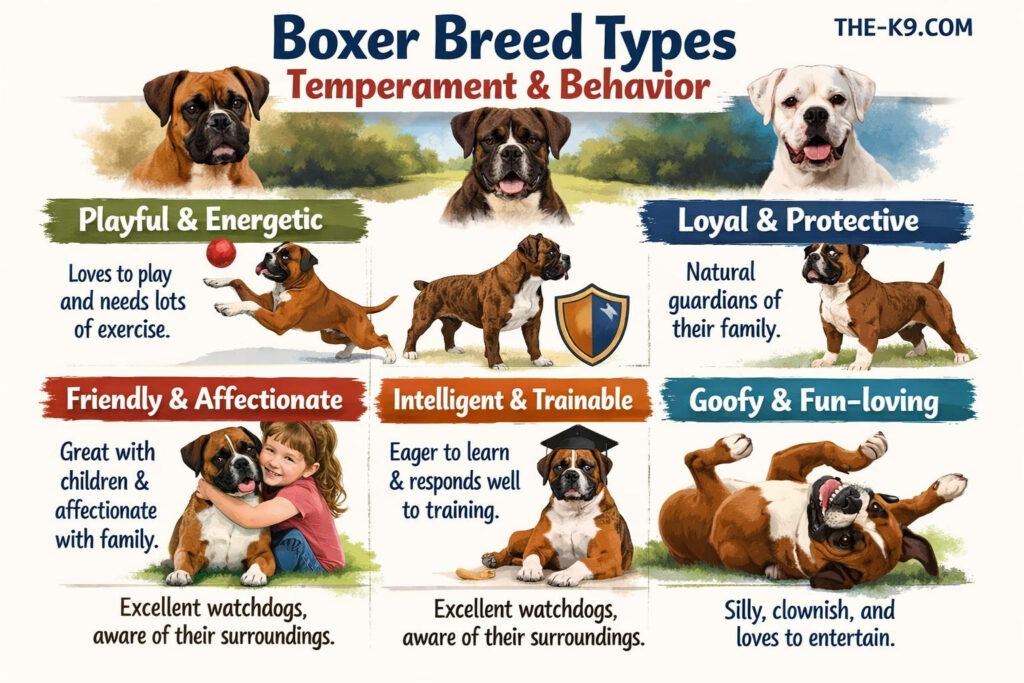

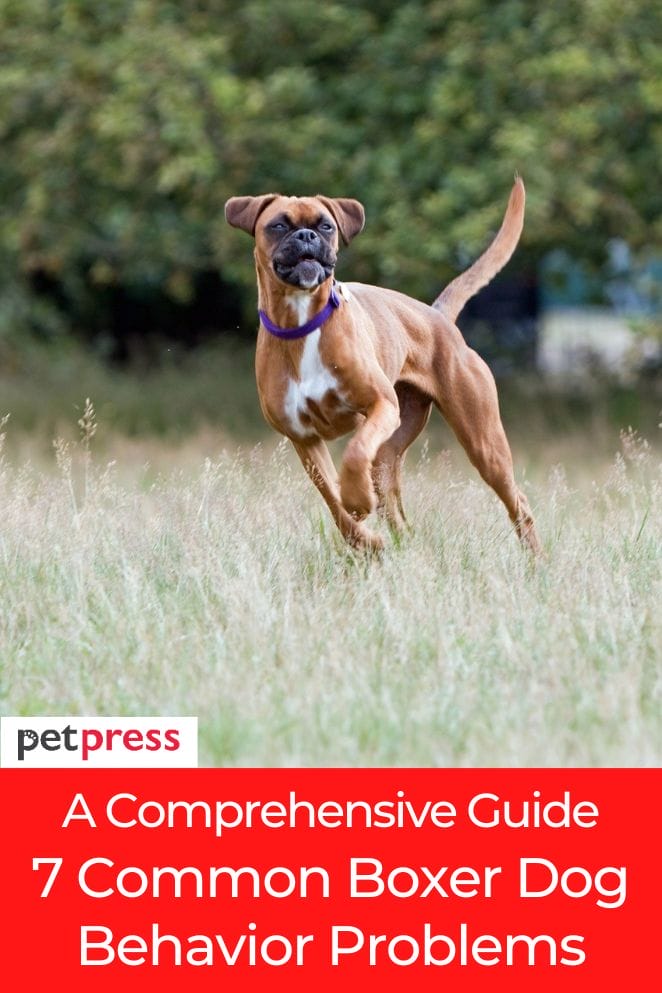




Breed-specific predispositions and developmental life stages heavily influence how these powerful animals process environmental stressors.
Adolescence in large breeds brings hormonal fluctuations that can temporarily amplify stubbornness and impulsive reactions. Additionally, the inherent protectiveness of the working lineage means that improper socialization may manifest as heightened suspicion toward strangers later in life. Understanding these developmental milestones helps owners distinguish between normal maturation phases and genuine behavioral disorders that require professional intervention.
Consulting a certified behaviorist or veterinarian becomes necessary when shifts are severe, persistent, or accompanied by physical symptoms.
Professional diagnosis ensures that progressive conditions, neurological disorders, or acute injuries receive prompt medical treatment rather than mismanaged training attempts. Qualified experts design tailored behavior modification plans that prioritize safety and long-term emotional well-being. Guidance from an experienced professional remains invaluable for households seeking to restore harmony and confidence in their animal companions.
Maintaining a harmonious household requires ongoing vigilance, empathy, and access to reliable educational resources for pet guardians.
By staying informed about canine psychology and health, owners can better support their animal companions through every life stage. Exploring specialized guides on Dog Behavior and Dog Health offers deeper insights into everyday wellness. Visit PetsAnimalsWorld.com today to discover more expert tips on Dog Training and Dog Care tailored to keep companions thriving.




