

Understanding the unique mindset of small, spirited canine companions provides essential insight into managing everyday household challenges.
According to the American Kennel Club, terrier breeds were originally developed to hunt and kill vermin, a historical purpose that deeply influences their modern temperament and daily actions. Living with these dynamic dogs brings immense joy, yet their high energy and independent streak often catch well-meaning households off guard. Walk into any bustling veterinary clinic or training facility, and the spirited nature of these pint-sized hunters is immediately apparent. Observing a Jack Russell or a Scottish Terrier fixate on a moving shadow reveals just how deeply ingrained their working instincts remain. Recognizing that these patterns stem from centuries of selective breeding helps shift perspective from frustration to compassionate understanding.
💡 Pet Care Key Takeaways:
- Core Focus: Practical health, nutrition, and wellness guidelines for Behaviour Issues In The Terrier Group Of Dogs.
- Target Scope: Pet owners, animal caregivers, and veterinary support staff.
- Best Recommendation: Maintain consistent daily routines and consult an accredited veterinarian before introducing major diet or medical changes.
Behaviour issues in the terrier group of dogs typically manifest as intense prey drive, excessive vocalization, and stubborn independence rooted in their working heritage.
Defining what constitutes a problem behavior in this specific lineage requires looking through the lens of functionality rather than disobedience. Canine behaviorists define these challenges as natural expressions of genetic predispositions, such as digging, chasing, and guarding resources. When a dog from the terrier group shreds a carpet or barks incessantly at the window, that animal is simply executing tasks designed by centuries of selection. Understanding this foundation transforms how handlers approach Dog Behavior modification. Rather than suppressing these deep-seated urges, successful management involves channeling that fierce determination into acceptable outlets like puzzle toys or controlled scent games.
Unmanaged behavioral frustrations can significantly impact a dog’s overall welfare and strain the human-animal bond over time.
Ignoring persistent reactivity or obsessive habits often leads to chronic stress, which negatively affects physical health and emotional stability. When a dog remains in a constant state of hyper-arousal, cortisol levels stay elevated, potentially contributing to secondary Dog Health concerns such as digestive upset or weakened immune function. Furthermore, strained household dynamics can lead to premature surrender if proper guidance is not established early. In clinical practice, veterinary professionals frequently treat stress-related dermatological issues triggered by obsessive licking or tail chasing. Addressing these signs proactively ensures a harmonious household where both human and canine residents thrive together safely.
Chronic stress and unmanaged behavioral frustrations can elevate cortisol levels, negatively impacting long-term physical health and emotional well-being in companion animals. — American Veterinary Medical Association
Implementing structured daily routines and positive reinforcement strategies effectively redirects high-energy instincts into positive household habits.
Managing these spirited animals relies heavily on consistency, clear communication, and providing appropriate mental stimulation. Positive reinforcement—rewarding calm choices with high-value treats or play—teaches the dog that cooperation yields better outcomes than impulsive rebellion. Routine exercise tailored to sporting and working groups helps burn off excess physical tension before indoor training sessions begin. For comprehensive guidance on daily upkeep, exploring resources dedicated to Dog Care offers practical tips on scheduling meals, rest, and interactive play. Consistency across all household members ensures the dog receives clear, predictable signals every single day.
Avoiding common pitfalls requires patience, steering clear of punitive methods, and tailoring approaches to fit individual personalities.
A frequent mistake involves utilizing harsh corrections or dominance-based techniques, which typically escalate fear, anxiety, and defensive aggression in sensitive working breeds. Instead, focusing on proactive management—such as installing window film to reduce barrier frustration from passing cats—prevents rehearsal of unwanted habits. Navigating these nuances successfully demands understanding the foundational principles of effective Dog Training. Ignoring early warning signs like low-level growling during toy possession can also backfire, as suppressing these warnings removes the dog’s communication tools. Respecting boundaries and teaching reliable drop-cues fosters mutual trust and long-term compliance.
Punitive or dominance-based training methods frequently escalate fear, anxiety, and defensive reactivity in working and terrier breeds. — American Society for the Prevention of Cruelty to Animals
Pet Care & Wellness Overview Table
| Life Stage | Daily Activity Level | Key Nutrition / Care Focus |
|---|---|---|
| Puppy / Kitten | High (frequent short bursts) | High-protein growth diet & early socialization |
| Adult Companion | Moderate (30–60 mins daily) | Balanced maintenance nutrition & dental hygiene |
| Senior Pets | Low to Gentle (mindful walks) | Joint support (Glucosamine) & routine vet checks |
Images References


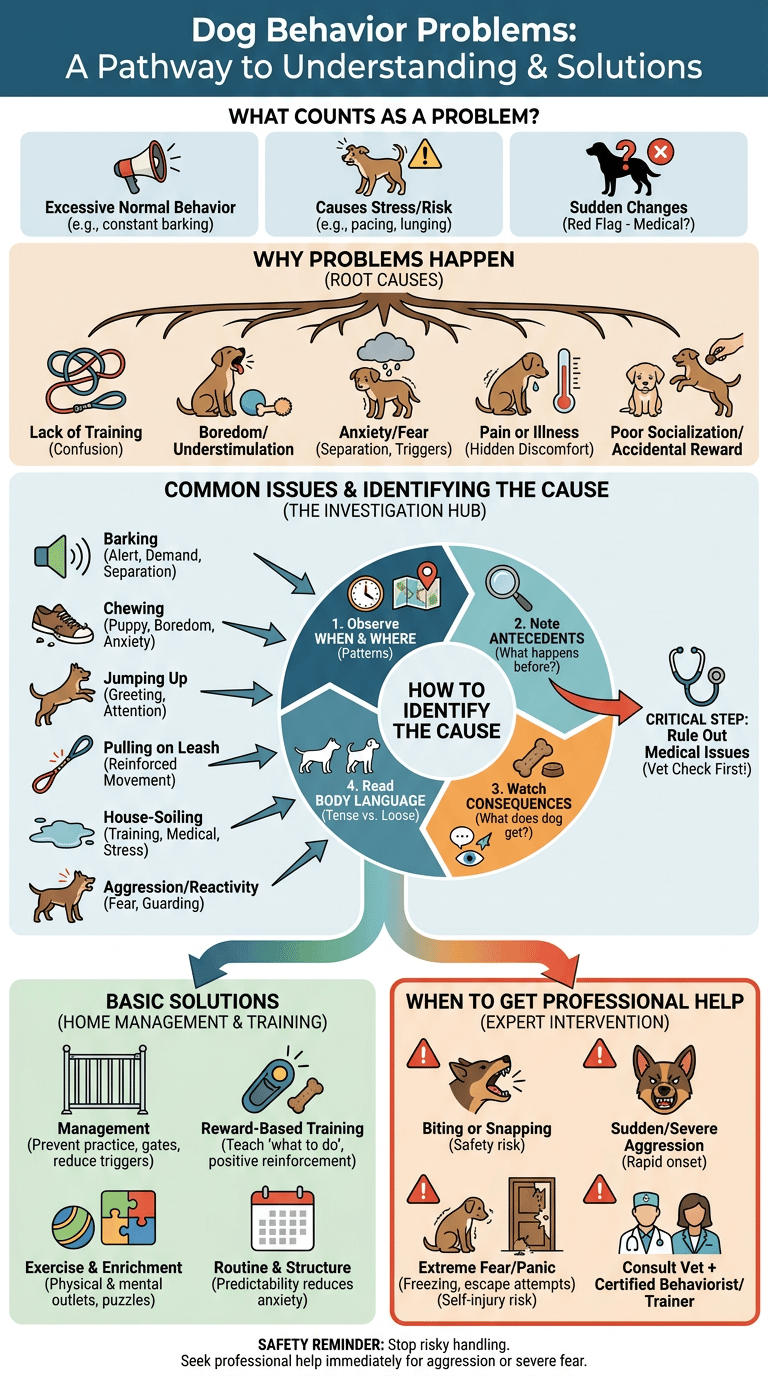


Breed-specific traits, developmental stages, and individual temperament differences dictate how behavioral challenges present in daily life.
While all members of this classification share common ancestry, individual personalities vary widely based on specific lineage, whether dealing with a tenacious Bull Terrier or a vocal West Highland White. Exploring diverse Dog Breeds highlights how physical size and historical purpose shape modern domestic needs. Adolescent dogs, in particular, test boundaries as hormonal changes intersect with stubborn independence. Recognizing these developmental milestones helps caretakers adjust expectations and increase mental enrichment during transitional growth phases. Tailoring expectations to match the specific physical and mental capacity of the individual animal prevents unrealistic demands.
Consulting a qualified veterinary behaviorist or certified professional trainer becomes necessary when behaviors pose safety risks or cause severe distress.
Severe aggression, intense separation anxiety, or sudden uncharacteristic reactivity require immediate evaluation by a veterinary professional to rule out underlying medical pain. When handling complex psychological challenges, punishment must be avoided entirely in favor of science-based behavior modification plans designed by accredited experts. Collaborating with a professional ensures that safety protocols are properly established for all household members and visitors. Early intervention prevents entrenched habits from worsening, paving the way for a safer and happier domestic environment for everyone involved.
Embracing the unique spirit of these remarkable companions creates a deeply rewarding partnership built on mutual respect and understanding.
Living successfully with spirited canine companions requires a blend of historical appreciation, proactive management, and compassionate guidance. By understanding the evolutionary drivers behind common household challenges, families can transform potential friction into a celebration of intelligence and loyalty. Continuous education remains the cornerstone of responsible guardianship, ensuring every animal receives the appropriate physical and mental outlets they deserve. Discover more expert advice, breed profiles, and wellness tips by visiting PetsAnimalsWorld.com and exploring specialized categories across Pets for comprehensive companion animal guidance.




