

Puppy mouthing and the widespread reliance on spray bottles in household training methods
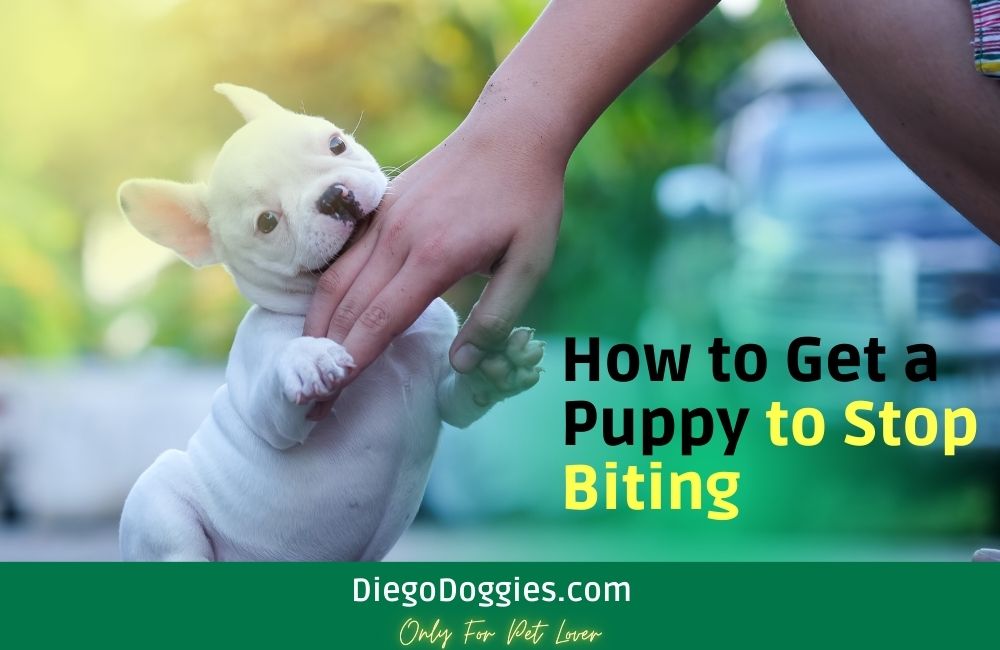
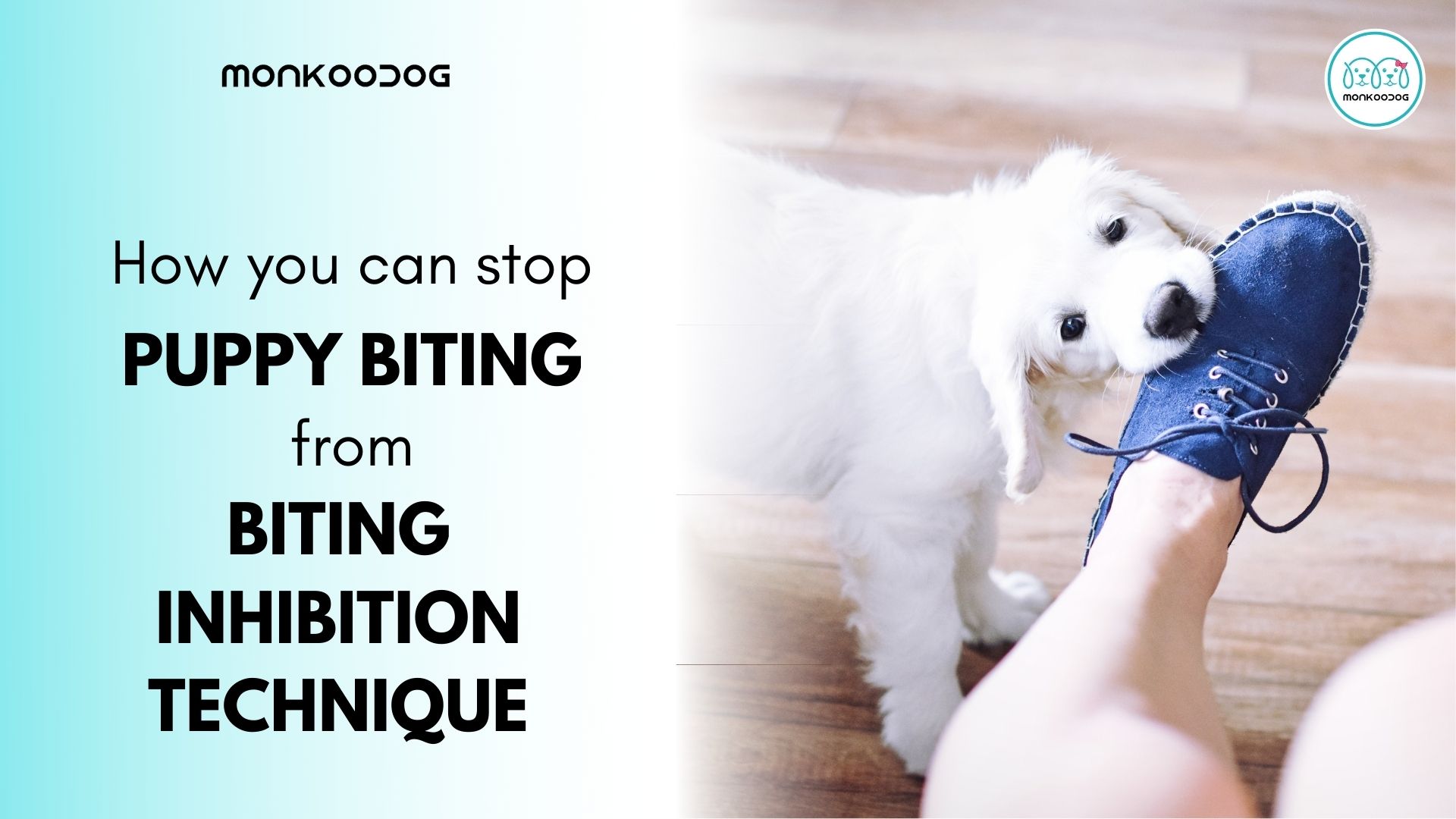
According to the American Society for the Prevention of Cruelty to Animals, puppy biting and sharp mouthing behaviors are natural developmental stages that every young dog experiences as they explore the world. Walk into almost any online pet forum, and a familiar piece of advice inevitably surfaces when discussing landsharks on four legs: grab a spray bottle filled with water. The idea of using a quick mist to deter unwanted nipping feels appealing because it requires minimal effort and delivers an immediate reaction. However, experienced behaviorists look past that brief moment of shock and evaluate the underlying emotional mechanics of punishment-based techniques. Understanding how canine cognition processes a sudden splash of water requires examining the broader picture of puppy development, fear responses, and effective communication between humans and their canine companions.
💡 Pet Care Key Takeaways:
- Core Focus: Practical health, nutrition, and wellness guidelines for Can Spraying Water On Your Puppy Stop Them From Biting.
- Target Scope: Pet owners, animal caregivers, and veterinary support staff.
- Best Recommendation: Maintain consistent daily routines and consult an accredited veterinarian before introducing major diet or medical changes.
Spraying water as an aversive deterrent does not teach positive replacement behaviors
Using water bottles as a disciplinary tool relies on aversives, which are unpleasant stimuli designed to make an animal stop a specific behavior through discomfort or surprise. When a puppy clamps onto a hand or ankle and receives a sudden jet of water to the face, the interruption happens because the startle reflex momentarily overrides their focus. Unfortunately, this interruption does not translate into understanding. The young dog simply learns that water comes unexpectedly from a handheld cylinder, often associating the handler with unpredictability rather than connecting the splash to the act of biting. Without a clear alternative behavior taught in place of mouthing, such as fetching a toy or sitting calmly, the puppy remains entirely unequipped to manage their overwhelming urge to explore with their mouth.
The unintended emotional and behavioral fallout of punishment-based puppy training
Relying on startling stimuli can inadvertently introduce anxiety, mistrust, and defensive reactions into a developing puppy’s worldview. Instead of reducing nipping, many sensitive young canines interpret the sudden spray as an aggressive threat, which can escalate play biting into true fear-based aggression or cause the animal to become hand-shy. Canine behavioral science consistently emphasizes that positive reinforcement yields more reliable, long-lasting obedience without compromising the bond of trust between the pet and the owner. Working with a qualified professional through structured Dog Behavior frameworks ensures that both physical safety and emotional well-being remain intact throughout the socialization journey.
Punishment-based training methods frequently increase stress hormones like cortisol in dogs, leading to heightened reactivity and defensive behaviors over time. — American Veterinary Society of Animal Behavior
Establishing effective, positive alternatives to manage and redirect sharp puppy teeth
Redirecting the puppy’s attention to an appropriate chew toy or implementing a brief timeout when teeth touch human skin offers a vastly superior alternative to water sprays. When sharp milk teeth connect with a hand, instantly freezing and calmly withdrawing attention removes the reward of engagement, teaching the puppy that biting makes human interaction disappear entirely. Consistent management, adequate physical exercise, and mental enrichment fulfill the natural needs of the animal while establishing clear boundaries without fear or intimidation. Integrating these humane strategies into daily routines transforms chaotic puppyhood into a predictable learning environment where the dog feels secure and understood.
Crucial best practices and common pitfalls to avoid during early canine development
Consistency, patience, and clear timing represent the cornerstones of successful puppy education, requiring every household member to respond to biting in the exact same manner. A common mistake involves shouting or physically pushing the puppy away, which the animal frequently misinterprets as an invitation to engage in a high-energy wrestling game. Keeping a stash of durable chew toys in every room ensures an appropriate item is always within arm’s reach for immediate redirection. Furthermore, ensuring the puppy receives adequate nap times is vital, as overtired young dogs frequently turn into frantic, hyperactive biters unable to regulate their impulses.
Puppies require between eighteen and twenty hours of sleep daily to support proper neurological development and emotional regulation. — American Kennel Club
Pet Care & Wellness Overview Table
| Life Stage | Daily Activity Level | Key Nutrition / Care Focus |
|---|---|---|
| Puppy / Kitten | High (frequent short bursts) | High-protein growth diet & early socialization |
| Adult Companion | Moderate (30–60 mins daily) | Balanced maintenance nutrition & dental hygiene |
| Senior Pets | Low to Gentle (mindful walks) | Joint support (Glucosamine) & routine vet checks |
Images References


Breed-specific energy levels, sensitivities, and individual temperaments shape training outcomes
Every puppy possesses a unique genetic blueprint that influences how they respond to handling, environmental stress, and various training philosophies. Herding breeds, for instance, possess an intense genetic drive to nip at moving heels and ankles, requiring specialized redirection rather than generic punishment. Toy breeds, on the other hand, have delicate physical structures and sensitive temperaments that make them exceptionally vulnerable to the psychological fallout of startling aversives. Exploring specific Dog Breeds helps owners tailor their expectations and training approaches to match the natural instincts and behavioral thresholds of their specific puppy.
Knowing when to consult a certified professional trainer or veterinary behaviorist
While normal puppy mouthing resolves with consistent positive guidance, certain behaviors require expert intervention to ensure safety and long-term behavioral health. If a puppy exhibits growling, stiffening, or snapping that feels genuinely aggressive rather than playful, or if standard redirection yields zero improvement over several weeks, professional support is essential. Consulting a certified professional dog trainer or a veterinary behaviorist provides tailored solutions grounded in science. Proper Dog Training professionals evaluate environmental triggers and medical factors that may be contributing to the issue, ensuring a comprehensive path forward.
Fostering a trusting partnership through humane guidance and evidence-based care
Navigating the razor-sharp teeth of puppyhood tests the patience of even the most dedicated pet owner, yet choosing compassionate, reward-based methods builds an unbreakable foundation for the future. By discarding ineffective and potentially stressful deterrents like spray bottles, owners cultivate an environment of mutual respect and clear communication. Committing to thoughtful Dog Care guarantees that physical and emotional needs are fully met at every stage of growth. Discover more expert resources, guidance, and training tips by visiting PetsAnimalsWorld.com to support your journey with your canine companion.
“`




