Introduction
Managing canine allergies is a significant concern for many dog owners, often impacting a dog’s comfort and overall quality of life. The exploration of the best allergy supplements for dogs has become a crucial aspect of proactive pet care. These specialized products are formulated to help alleviate the discomfort associated with various allergic reactions, offering a complementary approach to traditional veterinary treatments. Allergies in dogs can manifest in numerous ways, from incessant scratching and skin irritations to digestive upset, making the search for effective relief paramount. Understanding how these supplements work and when to incorporate them can significantly improve a dog’s well-being, reduce behavioral changes stemming from discomfort, and ultimately enhance their overall quality of life. Explore more in our Dog Health collection.
💡 Pet Care Key Takeaways:
- Core Focus: Practical health, nutrition, and wellness guidelines for Best Allergy Supplements For Dogs.
- Target Scope: Pet owners, animal caregivers, and veterinary support staff.
- Best Recommendation: Maintain consistent daily routines and consult an accredited veterinarian before introducing major diet or medical changes.
Common Causes and Key Factors
Canine allergies stem from an overreaction of the immune system to typically harmless substances, leading to a range of uncomfortable symptoms. Identifying the underlying causes is the first step toward effective management. Environmental allergens are a frequent culprit, with substances like pollen from trees, grasses, and weeds, as well as dust mites, mold spores, and dander from other animals, commonly triggering what is known as atopic dermatitis. These allergens can be inhaled or absorbed through the skin. For more related activities, check out our Breeds Susceptable To Diabetes.
Food allergies and sensitivities represent another significant category. Dogs can develop adverse reactions to specific proteins, such as beef, chicken, dairy, or lamb, and sometimes to grains like wheat or soy. Unlike environmental allergies, food-related issues often present with gastrointestinal symptoms in addition to skin problems. Flea allergy dermatitis is an intense allergic reaction to flea saliva, where even a single bite can cause severe itching and skin irritation. Contact allergies, though less common, can occur when a dog’s skin comes into direct contact with irritants like certain chemicals in cleaning products, fabrics, or plants. Genetic predisposition also plays a considerable role, with specific breeds demonstrating a higher susceptibility to developing allergies. Discover more free resources across our collection library.
Signs and Symptoms to Observe
Recognizing the signs and symptoms of allergies in dogs is essential for timely intervention. The most common indicators involve the skin, manifesting as persistent itching, known as pruritus. Dogs may incessantly scratch, lick, or chew at their paws, flanks, belly, or base of the tail. This constant self-trauma can lead to redness, inflammation, rashes, hair loss, and the development of “hot spots”localized areas of acute moist dermatitis. Chronic ear infections, characterized by redness, discharge, and odor, are also frequently linked to underlying allergies, particularly environmental ones.
For dogs with food allergies or sensitivities, gastrointestinal distress can be a prominent symptom. This may include recurrent vomiting, diarrhea, excessive flatulence, or abdominal pain. In some less common instances, dogs might exhibit respiratory signs such as sneezing, coughing, or watery eyes, although these are more typically associated with upper respiratory infections rather than allergies. The severity and presentation of these signs can vary significantly depending on the dog’s breed, age, the specific allergen involved, and the duration of exposure. Careful observation of these indicators allows owners to seek appropriate remedies and support for their canine companions.
Practical Solutions and Management Strategies
Effectively managing canine allergies often requires a multi-faceted approach, with allergy supplements playing a vital supportive role alongside other strategies. Dietary modifications are crucial for food allergies, involving the implementation of hypoallergenic diets, limited ingredient diets (LIDs), or novel protein diets to identify and eliminate triggering ingredients. Environmental control measures are paramount for atopic dogs, including regular cleaning of bedding, vacuuming, using air purifiers, and frequent bathing with specialized medicated or soothing shampoos to remove allergens from the coat. Consistent flea prevention is non-negotiable for flea allergy dermatitis.
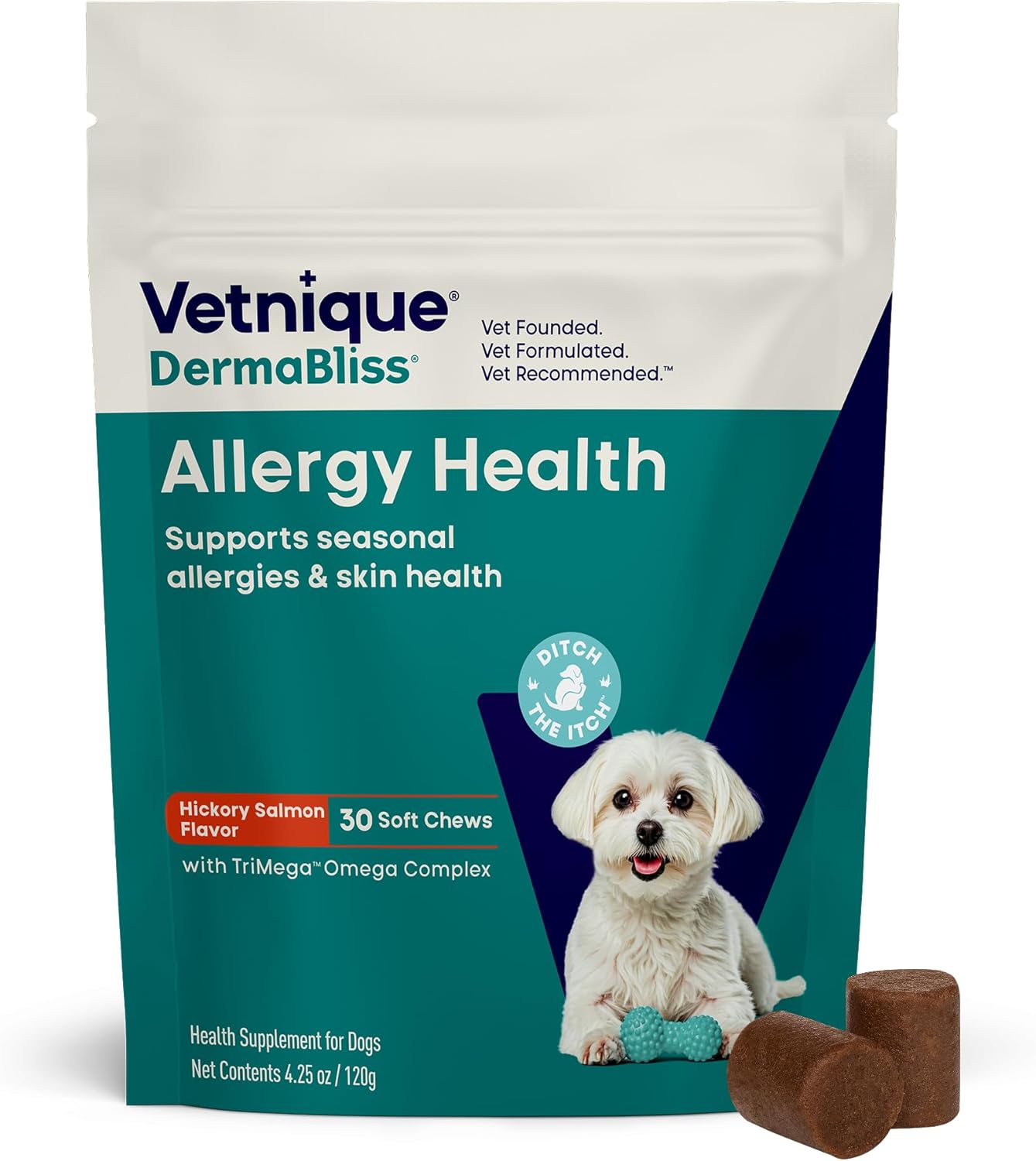
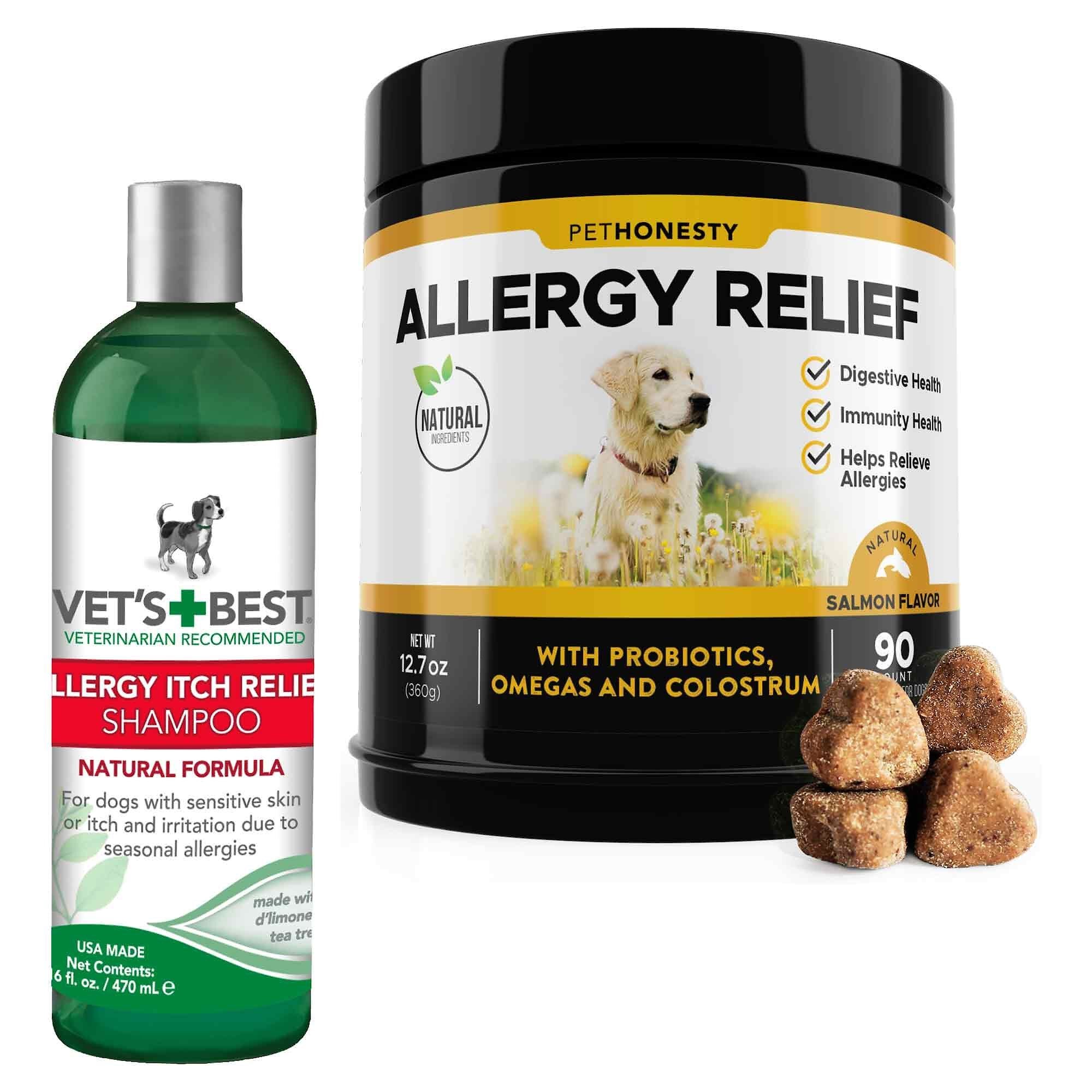
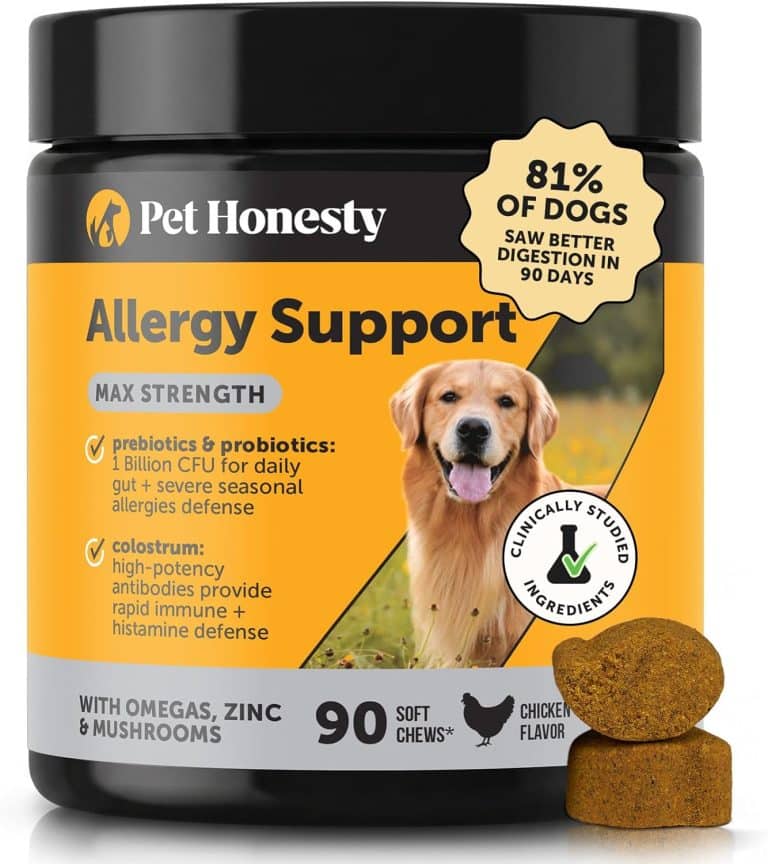
Within this comprehensive framework, the best allergy supplements for dogs offer targeted support. Omega-3 fatty acids, particularly EPA and DHA derived from fish oil, are highly regarded for their potent anti-inflammatory properties and their ability to strengthen the skin barrier, making it more resilient to allergens. Probiotics and prebiotics support gut health, which is intimately linked to immune function, making them particularly beneficial for dogs with food sensitivities or those needing overall immune modulation. Antioxidants like Vitamin E and C help reduce cellular damage from inflammation. Natural antihistamines such as quercetin can help modulate the body’s histamine response, while digestive enzymes aid in nutrient absorption and digestion. When selecting supplements, prioritizing high-quality ingredients and reputable brands ensures efficacy and safety. These supplements work synergistically to alleviate symptoms, support immune balance, and promote overall canine health, helping dogs better cope with their allergic challenges.
When Professional Help May Be Needed
While the integration of the best allergy supplements for dogs and proactive home management strategies can offer considerable relief, there are specific situations where veterinary consultation or professional guidance becomes indispensable. If a dog’s allergic symptoms are persistent, worsening, or severe despite consistent home care and supplement use, it is a clear indication that professional intervention is required. This includes relentless itching that leads to open sores, secondary bacterial or yeast infections, significant hair loss, or signs of severe discomfort impacting daily life.
Furthermore, if a dog exhibits chronic gastrointestinal distress, such as frequent vomiting or diarrhea leading to weight loss, lethargy, or changes in appetite, a veterinarian can conduct diagnostic tests to pinpoint the exact cause of the allergies. These tests may include allergy panels, elimination diets, or skin biopsies. A veterinarian can also assess the need for prescription medications, such as antihistamines, corticosteroids, or immunotherapy, which may be necessary to control severe allergic reactions. Consulting with a holistic veterinarian can also be beneficial for integrating supplements effectively with other medical treatments, ensuring a safe and comprehensive approach to managing canine allergies.
Conclusion
Navigating the complexities of canine allergies requires dedication, observation, and a commitment to providing the most effective care. Understanding the causes, recognizing the symptoms, and implementing a tailored management plan, which often includes the thoughtful incorporation of the best allergy supplements for dogs, are all crucial steps. These supplements can play a valuable role in alleviating discomfort, supporting skin health, and modulating immune responses, ultimately contributing to a happier and healthier canine companion. Owners are encouraged to maintain vigilance, observe their dog’s responses to various interventions, and collaborate closely with veterinary professionals. Through this integrated approach, dogs suffering from allergies can experience significant relief and enjoy an improved quality of life, aligning with the educational mission of petsanimalsworld.com to empower owners with knowledgeable and practical pet care insights.
Pet Care & Wellness Overview Table
| Life Stage | Daily Activity Level | Key Nutrition / Care Focus |
|---|---|---|
| Puppy / Kitten | High (frequent short bursts) | High-protein growth diet & early socialization |
| Adult Companion | Moderate (30–60 mins daily) | Balanced maintenance nutrition & dental hygiene |
| Senior Pets | Low to Gentle (mindful walks) | Joint support (Glucosamine) & routine vet checks |
Images References