
Introduction
Canine arthritis, also known as osteoarthritis or degenerative joint disease, is a common and often debilitating condition affecting millions of dogs worldwide. It is characterized by the progressive deterioration of cartilage in the joints, leading to pain, inflammation, and reduced mobility. Understanding the nuances of this condition and the various medical treatments available is paramount for dog owners dedicated to preserving their companion’s quality of life. When a dog begins to show signs of joint discomfort, the search for the best arthritis medicine becomes a critical aspect of their care, aimed at alleviating pain, reducing inflammation, and slowing the disease’s progression to ensure a more comfortable and active existence. Effective management of arthritis through appropriate medication significantly improves a dog’s well-being, behavior, and overall happiness, allowing them to continue enjoying daily activities with less pain.
💡 Pet Care Key Takeaways:
- Core Focus: Practical health, nutrition, and wellness guidelines for Best Arthritis Medicine For Dogs.
- Target Scope: Pet owners, animal caregivers, and veterinary support staff.
- Best Recommendation: Maintain consistent daily routines and consult an accredited veterinarian before introducing major diet or medical changes.
Common Causes and Key Factors
The development of arthritis in dogs is often multifactorial, stemming from a combination of predispositions and contributing circumstances. Age is a significant factor, with older dogs naturally more susceptible due to years of joint wear and tear. However, arthritis can also affect younger dogs. Certain breeds exhibit a higher genetic predisposition to joint issues, including hip and elbow dysplasia, which are primary precursors to osteoarthritis. Larger breeds like German Shepherds, Labradors, Golden Retrievers, and Rottweilers are frequently affected, but smaller breeds can also suffer. For more related activities, check out our Home Remedy For Dog With Struvite Crystals.
Obesity places excessive stress on joints, accelerating cartilage degradation and exacerbating existing arthritis. Previous injuries, such as fractures, ligament tears (e.g., cranial cruciate ligament rupture), or dislocations, can predispose a joint to future arthritic changes, even after successful repair. Poor joint conformation, which can be inherited, also contributes to abnormal mechanics and uneven wear, leading to inflammation and cartilage damage over time. Lifestyle factors, including repetitive high-impact activities without adequate rest, can also contribute to the onset and progression of the disease.
Signs and Symptoms to Observe
Recognizing the signs of arthritis early allows for prompt intervention and better management outcomes. The symptoms can be subtle and progressive, often mistaken for normal aging. A common indicator is lameness or limping, particularly after rest or exercise. Dogs may exhibit stiffness, especially when rising from a lying position, or show difficulty climbing stairs, jumping into a car, or navigating slippery surfaces. A general reluctance to engage in previously enjoyed activities, such as playing fetch or going for long walks, can also signal joint pain.
Behavioral changes are also common. Dogs may become irritable or withdrawn due to chronic discomfort, shying away from touch or showing aggression when pained joints are handled. Observing changes in gait, such as a bunny hop or shortened stride, warrants attention. Other physical signs include muscle atrophy in an affected limb from disuse, visible swelling around joints, or excessive licking or chewing at painful areas. The severity and presentation of these signs can vary significantly depending on the dog’s age, breed, the specific joints affected, and the stage of the disease.
Practical Solutions and Management Strategies
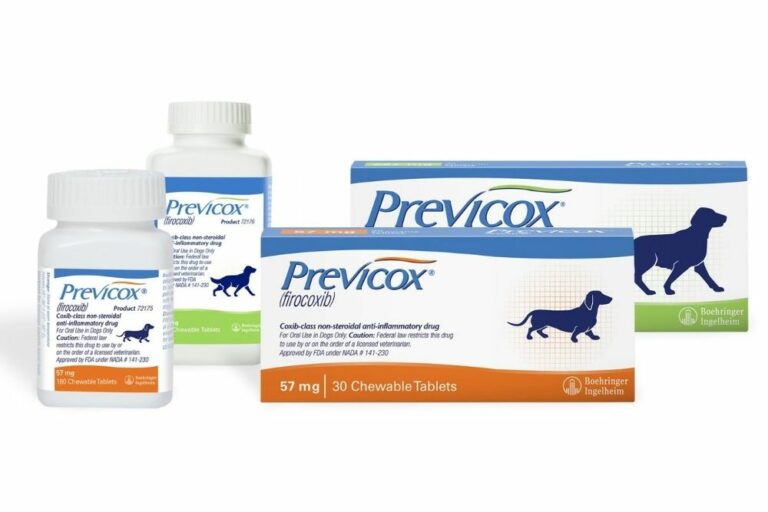
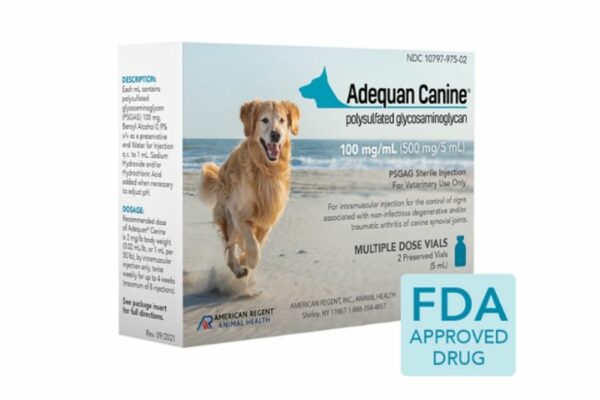
Managing canine arthritis involves a multifaceted approach, with medication playing a crucial role in pain management and slowing disease progression. The selection of the best arthritis medicine for dogs is highly individualized and determined by a veterinarian. Non-Steroidal Anti-Inflammatory Drugs (NSAIDs) are a cornerstone of treatment, effectively reducing pain and inflammation. Common veterinary-approved NSAIDs include carprofen, meloxicam, firocoxib, and deracoxib. Newer options, such as Galliprant (grapiprant) and Librela (bedinvetmab), offer alternative mechanisms of action, specifically targeting pain pathways or nerve growth factor, and may be suitable for dogs unresponsive to traditional NSAIDs or those with comorbidities.
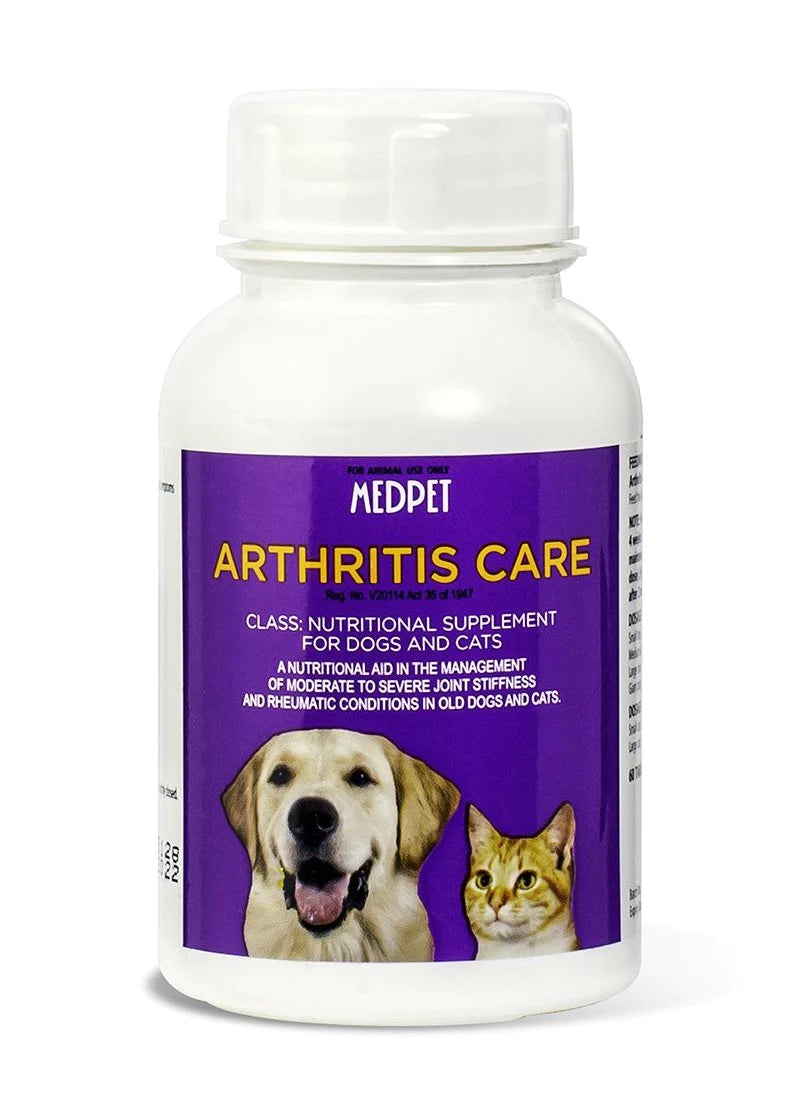
Alongside pharmaceutical interventions, joint supplements containing glucosamine, chondroitin sulfate, and MSM are often recommended to support cartilage health, though their efficacy can vary. Omega-3 fatty acids, particularly EPA and DHA found in fish oil, possess anti-inflammatory properties and can be a valuable dietary addition. Physical rehabilitation, including hydrotherapy, therapeutic exercises, and massage, helps maintain muscle mass, improve range of motion, and reduce pain.
Lifestyle adjustments are equally important. Maintaining an ideal body weight is critical for reducing joint stress. Moderate, consistent exercise, such as short, frequent walks or swimming, is preferable to sporadic intense activity. Providing orthopedic bedding, ramps for access to furniture or vehicles, and non-slip flooring can significantly improve a dog’s comfort and mobility around the home. Environmental modifications tailored to a dog’s specific needs contribute greatly to their overall well-being.
When Professional Help May Be Needed
While dog owners are vigilant in observing their companions, the diagnosis and treatment of canine arthritis necessitate professional veterinary intervention. A veterinarian’s expertise is crucial for accurately diagnosing the condition through physical examination, radiography, and sometimes other diagnostic tests to rule out alternative causes of lameness. The initial consultation establishes a baseline for the disease and guides the selection of the most appropriate medication and management plan.
Ongoing veterinary oversight is essential for monitoring the efficacy of prescribed medicines, adjusting dosages, and managing potential side effects. Regular check-ups allow for reassessment of a dog’s pain levels and mobility, ensuring the treatment plan remains optimal as the disease progresses. Should a dog’s symptoms worsen despite medication, or if new signs of discomfort appear, immediate veterinary consultation is warranted. This ensures that any changes in health are promptly addressed and that the most effective and safest course of action is consistently pursued.
Conclusion
Addressing canine arthritis requires a proactive, informed, and compassionate approach from dog owners, working in close partnership with veterinary professionals. The journey to finding the best arthritis medicine for dogs is a personalized one, involving careful consideration of various pharmaceutical, supplemental, and lifestyle interventions. By remaining observant of subtle changes in a dog’s behavior and mobility, seeking timely veterinary care, and committing to a comprehensive management strategy, it is possible to significantly mitigate the pain and limitations associated with arthritis. Consistent care and a tailored treatment plan are vital for enhancing a dog’s comfort, extending their active years, and ensuring a happy, fulfilling life despite the challenges of degenerative joint disease.
Pet Care & Wellness Overview Table
| Life Stage | Daily Activity Level | Key Nutrition / Care Focus |
|---|---|---|
| Puppy / Kitten | High (frequent short bursts) | High-protein growth diet & early socialization |
| Adult Companion | Moderate (30–60 mins daily) | Balanced maintenance nutrition & dental hygiene |
| Senior Pets | Low to Gentle (mindful walks) | Joint support (Glucosamine) & routine vet checks |
Images References



For more expert pet care tips and advice, check out our dedicated Dog Health guides to keep your companions healthy and happy.


