

Managing canine lower urinary tract health requires a deep understanding of mineral formations.
According to the American Veterinary Medical Association, lower urinary tract disorders rank among the most frequent reasons for canine veterinary visits, causing significant discomfort for affected dogs. When microscopic mineral formations develop in the bladder, daily management becomes an absolute priority for pet caregivers. Witnessing a canine companion strain during urination or struggle with frequent accidents indoors can be deeply distressing. Many caregivers immediately search for practical ways to soothe these symptoms at home. Understanding the nature of these mineral accumulations allows for targeted daily interventions that support veterinary treatment plans. Clinical experience shows that dogs presenting with urinary discomfort often show immediate relief once hydration and dietary routines are optimized under professional guidance.
💡 Pet Care Key Takeaways:
- Core Focus: Practical health, nutrition, and wellness guidelines for Home Remedy For Dog With Struvite Crystals.
- Target Scope: Pet owners, animal caregivers, and veterinary support staff.
- Best Recommendation: Maintain consistent daily routines and consult an accredited veterinarian before introducing major diet or medical changes.
A home remedy for dog with struvite crystals generally involves targeted dietary adjustments and increased water consumption to dissolve mineral stones.
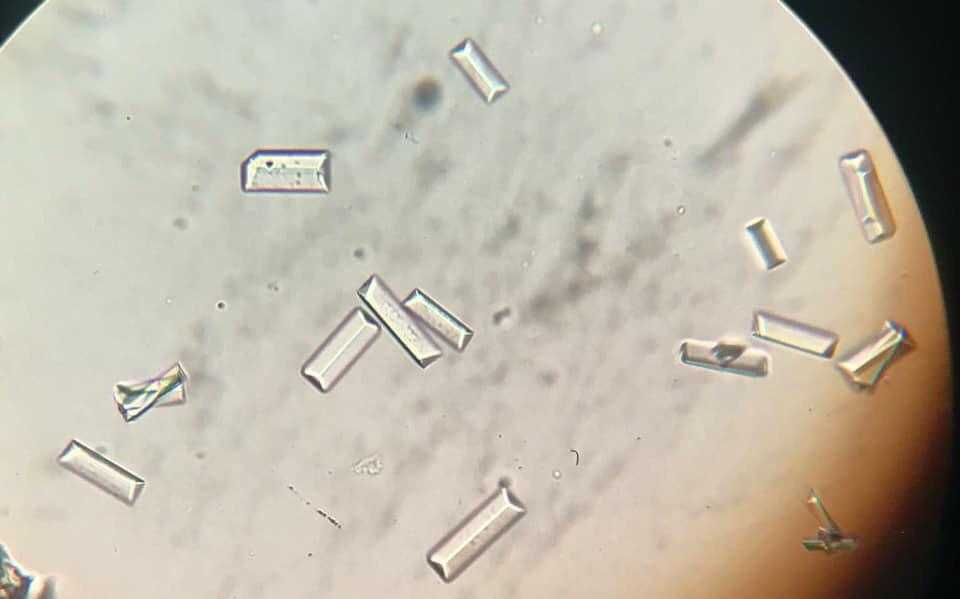
Struvite crystals are microscopic, coffin-shaped mineral deposits composed of magnesium, ammonium, and phosphate that form in alkaline urine. Utilizing a home remedy for dog with struvite crystals typically means modifying the canine internal environment to discourage stone precipitation. These mineral formations thrive in urine with a high pH level, meaning that the primary goal of any supportive care routine is to encourage a slightly more acidic pH and dilute the urine. Dilution reduces the concentration of minerals, allowing the body to flush out sediment naturally before it aggregates into solid stones. Veterinary nutritionists emphasize that lifestyle adjustments must work in tandem with medical therapies rather than replacing them entirely.
Failing to manage struvite crystal accumulation properly can lead to severe bladder inflammation and urethral obstructions.
Left unmanaged, these crystalline structures can clump together into larger bladder stones, known medically as uroliths, which irritate the delicate mucosal lining of the bladder. Chronic irritation frequently results in hematuria, which is the medical term for blood in the urine, alongside persistent urinary tract infections. Practitioners often observe that dogs experiencing recurring crystal formations become increasingly restless, shifting positions frequently or licking their genital area due to discomfort. Furthermore, a complete urethral blockage can occur if stones migrate, representing a life-threatening emergency that requires immediate surgical intervention. Consequently, proactive monitoring of bathroom habits remains a critical component of responsible pet ownership.
Lower urinary tract disorders affect a substantial percentage of the domestic canine population annually, making early detection vital for preventing surgical interventions. — American Veterinary Medical Association
Implementing effective dietary and lifestyle strategies at home can significantly reduce the recurrence of urinary crystals.
Encouraging optimal hydration is perhaps the most powerful natural intervention available to caregivers seeking a reliable home remedy for dog with struvite crystals. Increasing water intake can be achieved effortlessly by transitioning a dog to canned wet food, incorporating warm bone broth devoid of toxic onions and garlic, or utilizing multiple fresh water fountains throughout the home. Furthermore, maintaining strict adherence to high-quality therapeutic foods formulated by organizations like the Association of American Feed Control Officials ensures precise nutrient profiles that naturally regulate urinary pH. Routine urinalysis performed by a licensed veterinarian remains indispensable for tracking the success of these ongoing adjustments.
Avoiding common pitfalls and applying best practices ensures safe urinary tract management.
Caregivers must exercise extreme caution when attempting to acidify canine urine independently using kitchen ingredients or unverified internet formulas. Introducing acidic substances without professional oversight can severely disrupt the delicate acid-base balance of the body, potentially leading to dangerous secondary metabolic conditions. Moreover, never restrict access to fresh drinking water in an attempt to minimize indoor accidents, as dehydration concentrates urine and accelerates mineral crystallization. Successful management relies on consistency, patience, and close communication with a veterinary team rather than drastic, unverified shifts in daily care.
Therapeutic diets designed to dissolve struvite crystals typically restrict mineral levels of magnesium and phosphorus while promoting an optimal urinary pH range. — American Kennel Club
Pet Care & Wellness Overview Table
| Life Stage | Daily Activity Level | Key Nutrition / Care Focus |
|---|---|---|
| Puppy / Kitten | High (frequent short bursts) | High-protein growth diet & early socialization |
| Adult Companion | Moderate (30–60 mins daily) | Balanced maintenance nutrition & dental hygiene |
| Senior Pets | Low to Gentle (mindful walks) | Joint support (Glucosamine) & routine vet checks |
Images References



Specific breeds, ages, and body sizes dictate how individual dogs process minerals and respond to urinary interventions.
Certain companion animals possess a genetic predisposition toward developing lower urinary tract issues based on their breed lineage and physical conformation. Miniature schnauzers, bichon frises, and various small-breed terriers frequently require specialized Dog Health protocols due to their anatomical traits and metabolic tendencies. Additionally, female dogs anatomy allows bacteria to ascend the urethra more readily, potentially complicating crystal management with concurrent urinary tract infections. Recognizing these inherent risk factors enables caregivers to tailor their preventative Dog Care strategies proactively before clinical signs escalate.
Professional veterinary evaluation is always necessary to diagnose urinary crystals accurately and rule out dangerous blockages.
While supportive home care plays a monumental role in long-term wellness, attempting to treat suspected struvite formations entirely without veterinary diagnostics carries severe risks. Only a veterinarian can differentiate between struvite crystals and other mineral types, such as calcium oxalate, which require entirely opposite dietary strategies to resolve. Ignoring persistent straining or blood in the urine can allow a partial blockage to develop into a complete obstruction, threatening the animal’s life. Partnering with a licensed veterinary professional ensures that any home strategy aligns safely with the specific clinical needs of the individual companion.
Supporting canine wellness requires a balanced approach that merges attentive home care with expert medical guidance.
Navigating urinary tract challenges successfully requires a harmonious blend of veterinary expertise and dedicated daily upkeep within the home environment. By prioritizing hydration, monitoring bathroom routines, and adhering strictly to professional nutritional advice, caregivers provide their beloved companions with the best possible quality of life. Exploring valuable resources across Dog Nutrition can further illuminate how daily food choices impact systemic wellness. Every small adjustment contributes to a healthier, happier life for canine companions, reinforcing the profound bond shared between pets and their human families. Discover more expert insights by visiting PetsAnimalsWorld.com today.


