

Introduction
Maintaining optimal health for canine companions is a primary concern for dedicated dog owners. Among the many aspects of a dog’s well-being, ocular health holds significant importance, directly influencing a dog’s quality of life, navigation abilities, and overall happiness. As dogs age, or due to breed-specific predispositions and environmental factors, their eyes can become susceptible to various conditions, from dryness and irritation to more serious degenerative diseases. Understanding the role of targeted nutritional support, specifically the best dog eye supplements, offers a proactive approach to preserving vision and promoting long-term ocular vitality. This article explores how carefully selected supplements can complement a balanced diet and regular veterinary care to help maintain healthy eyes in dogs, enhancing their comfort and interaction with the world around them.
💡 Pet Care Key Takeaways:
- Core Focus: Practical health, nutrition, and wellness guidelines for Best Dog Eye Supplements.
- Target Scope: Pet owners, animal caregivers, and veterinary support staff.
- Best Recommendation: Maintain consistent daily routines and consult an accredited veterinarian before introducing major diet or medical changes.
Common Causes and Key Factors
The need for dog eye supplements often stems from a combination of natural aging processes, genetic predispositions, and external influences that impact ocular health. A primary factor is oxidative stress, where an imbalance between free radicals and antioxidants leads to cellular damage in delicate eye tissues. This natural process accelerates with age, contributing to conditions like cataracts and macular degeneration. For more related activities, check out our Ol Roy Ingredients List.
Certain dog breeds are inherently more prone to specific eye conditions. For instance, some breeds are predisposed to progressive retinal atrophy (PRA), glaucoma, or hereditary cataracts, making early nutritional support a consideration. Environmental factors also play a role; prolonged exposure to UV radiation, airborne pollutants, and allergens can contribute to eye irritation and inflammation. Additionally, nutritional deficiencies in a dog’s diet, particularly a lack of essential vitamins, minerals, and antioxidants, can compromise the eye’s ability to protect itself and regenerate healthy cells. Underlying systemic health issues, such as diabetes or inflammatory conditions, can also manifest with ocular complications, further highlighting the interconnectedness of overall health and eye function.
Signs and Symptoms to Observe
Observing subtle changes in a dog’s eyes or behavior can provide early indicators that ocular support, potentially including the best dog eye supplements, might be beneficial. Regular vigilance allows for timely intervention and veterinary consultation.
One common sign is a change in the appearance of the eye itself. This can include excessive tearing or watery eyes, persistent discharge (clear, whitish, or colored), redness or bloodshot appearance, or cloudiness in the lens or cornea. Dogs might also exhibit increased blinking, squinting, or pawing at their eyes, indicating discomfort or irritation. Light sensitivity, where a dog avoids bright areas or squints in normal light, is another important symptom.
Behavioral changes can also signal vision problems. A dog might become more hesitant to jump or descend stairs, bump into familiar objects, or become disoriented in dim lighting or unfamiliar environments. Reduced playfulness, increased anxiety, or changes in interaction with other pets or people could indirectly stem from deteriorating vision. These signs can vary depending on a dog’s age, breed, and the specific underlying cause, but any persistent ocular or behavioral change warrants attention.
Practical Solutions and Management Strategies
When considering the best dog eye supplements, a holistic approach that combines proper nutrition, environmental management, and targeted supplementation is most effective. The foundation for good eye health begins with a high-quality, balanced diet rich in whole foods.
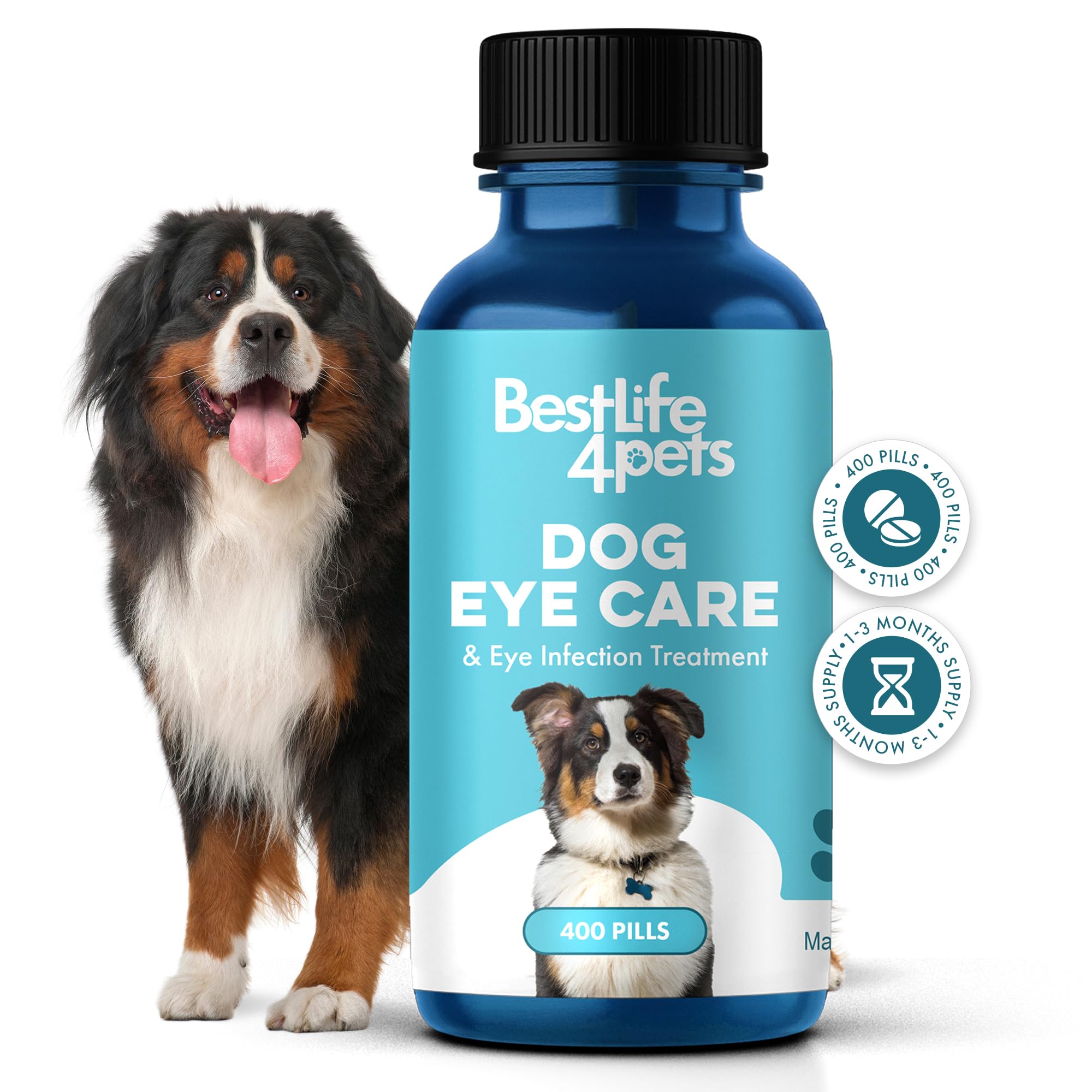
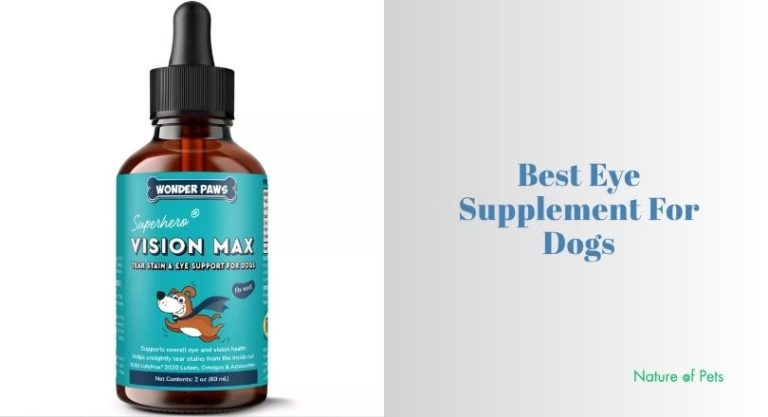
Targeted eye supplements are designed to provide concentrated doses of specific nutrients vital for ocular function. Key ingredients to look for include:
- Antioxidants: Lutein and Zeaxanthin are potent carotenoids concentrated in the retina, helping to filter harmful blue light and protect against oxidative damage. Astaxanthin, another powerful antioxidant, can cross the blood-retina barrier, offering enhanced protection. Vitamins C and E also play crucial antioxidant roles.
- Omega-3 Fatty Acids: Specifically DHA (docosahexaenoic acid), which is a major structural component of the retina. Omega-3s also possess anti-inflammatory properties, beneficial for managing ocular inflammation.
- Bilberry Extract: Known for its ability to support microcirculation in the eye and potentially improve night vision.
- Grape Seed Extract: Another strong antioxidant that can strengthen blood vessels.
- Beta-carotene: A precursor to Vitamin A, essential for good vision, particularly in low light.
When selecting a supplement, prioritize products from reputable brands that undergo third-party testing for purity and potency. The form of the supplement (chew, powder, liquid) should be easy to administer and palatable for the dog. Dosage must be strictly adhered to, typically based on the dog’s weight and age, as indicated by the manufacturer or a veterinarian. Incorporating supplements into a dog’s daily routine, often mixed with food, helps ensure consistent intake. Minimizing exposure to harsh UV light with canine-specific goggles or providing shaded areas can also support eye health.
When Professional Help May Be Needed
While dog eye supplements can provide valuable support for ocular health, they are not a substitute for professional veterinary diagnosis and treatment. Recognizing when to seek expert help is crucial for preserving a dog’s vision and addressing potentially serious underlying conditions.
A veterinary consultation is strongly recommended if a dog exhibits any sudden or severe changes in eye appearance or behavior, such as acute redness, swelling, intense squinting, significant discharge (especially if yellow or green), or sudden vision loss. Any signs of pain, a foreign object in the eye, or trauma to the eye area necessitate immediate veterinary attention. Cloudiness that appears rapidly or covers a large portion of the eye could indicate conditions like cataracts, glaucoma, or corneal ulcers, which require prompt medical assessment.
Furthermore, before introducing any new supplement, especially if a dog has pre-existing health conditions, is on medication, or is pregnant or nursing, consultation with a veterinarian is essential. A veterinarian can assess the dog’s overall health, determine if supplements are appropriate, and recommend specific ingredients or formulations that best suit the individual dog’s needs, ensuring safety and efficacy. Regular veterinary check-ups, including eye examinations, remain the cornerstone of proactive eye care.
Conclusion
Understanding and proactively supporting a dog’s eye health is an essential aspect of responsible pet ownership. While a balanced diet and regular veterinary care form the bedrock, the best dog eye supplements can offer targeted nutritional support, particularly for aging dogs, breeds predisposed to ocular issues, or those facing environmental stressors. By providing key antioxidants, omega-3 fatty acids, and other beneficial compounds, these supplements aim to protect delicate eye tissues, reduce oxidative damage, and maintain optimal vision. Vigilant observation of a dog’s eyes and behavior, coupled with informed choices about reputable supplements, empowers owners to contribute significantly to their canine companion’s long-term ocular well-being. Always remember that supplements function best as a complementary strategy, and any concerns about eye health should always lead to a thorough examination by a qualified veterinarian. Through a combination of preventative measures and informed care, dogs can enjoy clearer vision and a higher quality of life for years to come.
Pet Care & Wellness Overview Table
| Life Stage | Daily Activity Level | Key Nutrition / Care Focus |
|---|---|---|
| Puppy / Kitten | High (frequent short bursts) | High-protein growth diet & early socialization |
| Adult Companion | Moderate (30–60 mins daily) | Balanced maintenance nutrition & dental hygiene |
| Senior Pets | Low to Gentle (mindful walks) | Joint support (Glucosamine) & routine vet checks |
Images References




For more expert pet care tips and advice, check out our dedicated Dog Nutrition guides to keep your companions healthy and happy.




