

Introduction
The well-being of canine companions is a priority for pet owners globally, often leading to exploration of various methods to support their health. Among these, powdered supplements for dogs have emerged as a popular option, offering a convenient and versatile way to address specific nutritional gaps or health concerns. This article aims to demystify these dietary additions, explaining what they are, why they are used, and how understanding their role can significantly enhance a dogs overall health and quality of life. Powdered supplements are essentially concentrated forms of vitamins, minerals, probiotics, fatty acids, or other beneficial compounds designed to be mixed directly into a dog’s food or water. They are typically considered when a dog’s regular diet may not be sufficient to meet all its needs, due to factors like age, breed, specific health conditions, or dietary preferences. Educating oneself on these products empowers pet owners to make informed decisions that can proactively support their dogs vitality, mobility, digestion, and coat health.
💡 Pet Care Key Takeaways:
- Core Focus: Practical health, nutrition, and wellness guidelines for Powdered Supplements For Dogs.
- Target Scope: Pet owners, animal caregivers, and veterinary support staff.
- Best Recommendation: Maintain consistent daily routines and consult an accredited veterinarian before introducing major diet or medical changes.
Common Causes and Key Factors
The decision to introduce powdered supplements for dogs often stems from a variety of common scenarios and contributing factors observed in canine health and nutrition. Understanding these underlying reasons is crucial for selecting appropriate support. For more related activities, check out our Tibetan Mastiff Food Aggression.
One primary factor is dietary incompleteness or imbalance. Even commercially prepared dog foods, while generally balanced, might not fully cater to every individual dog’s unique needs. This is especially true for dogs on homemade diets, which can be notoriously difficult to balance without expert nutritional guidance. In such cases, powdered multivitamin and mineral blends can ensure a comprehensive nutrient intake.
Aging and life stages also play a significant role. Senior dogs, for instance, often experience joint stiffness, reduced mobility, and cognitive decline. Supplements containing glucosamine, chondroitin, MSM, or omega-3 fatty acids are frequently considered to support joint health, while antioxidants can aid cognitive function. Similarly, growing puppies may benefit from specific nutrient support for bone development.
Specific health conditions and breed predispositions are another key driver. Breeds prone to hip dysplasia or other joint issues may benefit from preventative joint support. Dogs with sensitive stomachs or chronic digestive issues can find relief with powdered probiotics and digestive enzymes that support a healthy gut microbiome. Skin allergies and dull coats are often addressed with omega-3 fatty acid supplements, which promote skin barrier integrity and reduce inflammation.
Furthermore, high activity levels in working dogs or highly athletic breeds can increase their nutritional demands. These dogs may require additional support for muscle recovery, energy metabolism, and joint resilience, making powdered protein or performance-enhancing supplements a consideration. The convenience of mixing powders into food also makes them a practical choice for owners aiming to boost their dog’s nutritional intake without altering their primary diet significantly.
Signs and Symptoms to Observe
Observing a dog’s health and behavior for specific signs can help determine if the introduction of powdered supplements for dogs might be beneficial. These indicators are not necessarily symptoms of an illness but rather observable cues suggesting a potential nutritional gap or an area where additional support could improve quality of life.
Changes in mobility and activity levels are often a key indicator. A dog showing reluctance to jump, climb stairs, or engage in usual play, or exhibiting stiffness, limping, or difficulty rising after rest, might benefit from joint support supplements. These signs can manifest in younger, active dogs as well as senior canines and may vary in intensity depending on the breed and its predisposition to orthopedic issues.
Coat and skin health provide visible clues. A dull, dry coat, excessive shedding beyond seasonal norms, flaky skin, or persistent itching and scratching can suggest a need for essential fatty acids, such as those found in omega-3 supplements. While allergies are a common cause, nutritional deficiencies can exacerbate these conditions.
Digestive upset is another common sign. Loose stools, frequent gas, vomiting, or a general lack of appetite could indicate an imbalance in gut flora. Powdered probiotics and digestive enzymes are often considered to restore gut health and improve nutrient absorption. These issues can occur across all ages but might be more pronounced in dogs with sensitive digestive systems or those experiencing dietary changes.
Energy levels and overall vitality can also serve as indicators. A dog that appears lethargic, less enthusiastic about activities, or slow to recover after exercise might have underlying nutritional needs that could be addressed with a comprehensive multivitamin or specific energy-supporting supplements. Behavioral changes, such as increased anxiety or disorientation in older dogs, might also point towards cognitive support supplements as a potential aid. Consistent observation of these signs empowers owners to consider a more targeted approach to their dog’s nutritional strategy.
Practical Solutions and Management Strategies
Implementing powdered supplements for dogs effectively requires a thoughtful approach, focusing on selection, administration, and ongoing monitoring. Strategic management can ensure dogs receive maximum benefit while minimizing potential risks.
The initial step involves thorough research and product selection. The market offers a vast array of powdered supplements, each targeting different needs. Owners should prioritize reputable brands that provide clear ingredient lists, dosage instructions, and ideally, third-party testing verification for purity and potency. Understanding the specific benefit each supplement aims to provide (e.g., joint support, digestive health, skin and coat enhancement) is crucial for making an informed choice.
Veterinary consultation is paramount before introducing any new supplement. A veterinarian can assess a dog’s current health status, diet, and any existing medical conditions to determine if a supplement is truly necessary and which type would be most appropriate. This professional guidance helps prevent potential interactions with medications or exacerbation of underlying health issues.
Correct dosage and administration are vital for efficacy and safety. Powdered supplements typically come with measuring scoops and specific dosing guidelines based on a dog’s weight. It is important to adhere strictly to these recommendations. Most powders are designed to be mixed directly into wet food, kibble moistened with water or broth, or a favorite treat like plain yogurt or peanut butter. Ensuring the supplement is thoroughly mixed helps mask its taste and ensures the entire dose is consumed.
Consistent administration and patient monitoring are key. Supplements are not immediate cures; their benefits often accrue over weeks or months. Maintaining a consistent daily regimen is essential to observe improvements. Owners should carefully monitor their dog for any positive changes in the targeted area (e.g., improved mobility, better coat condition, more regular digestion) as well as any adverse reactions, such as digestive upset or changes in behavior. Adjustments to the supplement regimen should always be made in consultation with a veterinarian. Proper storage, usually in a cool, dry place away from direct sunlight, also helps maintain the supplement’s potency and shelf life.
When Professional Help May Be Needed
While powdered supplements for dogs can be a valuable addition to a dog’s health regimen, recognizing when professional veterinary help is necessary is crucial for responsible pet ownership. Supplements are intended to support health, not to diagnose, treat, or cure diseases.
Before initiating any new supplement, particularly if a dog has an existing health condition, is on medication, or is undergoing a significant life stage change (e.g., pregnancy, senior years), a veterinary consultation is strongly recommended. A veterinarian can provide tailored advice, ensuring the chosen supplement is safe and appropriate for the dogs individual needs and will not interfere with any ongoing treatments or diagnoses.
If a dog exhibits new or worsening symptoms after starting a powdered supplement, immediate professional attention is warranted. While supplements are generally safe, individual sensitivities or adverse reactions can occur. Signs such as severe digestive upset, lethargy, allergic reactions (e.g., hives, swelling), or any uncharacteristic behavioral changes require prompt veterinary evaluation. It is important to discontinue the supplement until a veterinarian advises otherwise.
For persistent or severe health issues, relying solely on supplements is not advisable. Conditions like chronic lameness, significant weight loss or gain, persistent digestive problems, or skin conditions that do not respond to basic care and a well-balanced diet necessitate a comprehensive veterinary examination. These issues may indicate underlying medical conditions that require specific diagnostic testing and prescribed treatments, which supplements cannot replace.
Furthermore, seeking a professional opinion on nutritional balance is beneficial, especially for dogs on homemade diets or those with very specific dietary restrictions. A veterinary nutritionist can help formulate a complete and balanced diet, determining if and what types of powdered supplements for dogs are truly needed to fill any nutritional gaps. Professional guidance ensures that supplements are used as part of a holistic health plan, rather than as a substitute for proper veterinary care.
Conclusion
Navigating the world of powdered supplements for dogs can empower pet owners to proactively support their canine companions’ health and vitality. These dietary additions offer a versatile way to address nutritional gaps, support specific physiological functions like joint health or digestion, and enhance overall well-being across various life stages and activity levels. The importance of awareness regarding a dog’s individual needs, consistent observation of health indicators, and diligent administration practices cannot be overstated. By choosing high-quality products and adhering to recommended dosages, owners can contribute significantly to their dog’s quality of life. Crucially, a partnership with a trusted veterinarian remains the cornerstone of responsible supplement use, ensuring that every decision is informed, safe, and truly beneficial for the beloved animal. With thoughtful consideration and professional guidance, powdered supplements can indeed play a valuable role in fostering a healthier, happier life for dogs.
Pet Care & Wellness Overview Table
| Life Stage | Daily Activity Level | Key Nutrition / Care Focus |
|---|---|---|
| Puppy / Kitten | High (frequent short bursts) | High-protein growth diet & early socialization |
| Adult Companion | Moderate (30–60 mins daily) | Balanced maintenance nutrition & dental hygiene |
| Senior Pets | Low to Gentle (mindful walks) | Joint support (Glucosamine) & routine vet checks |
Images References


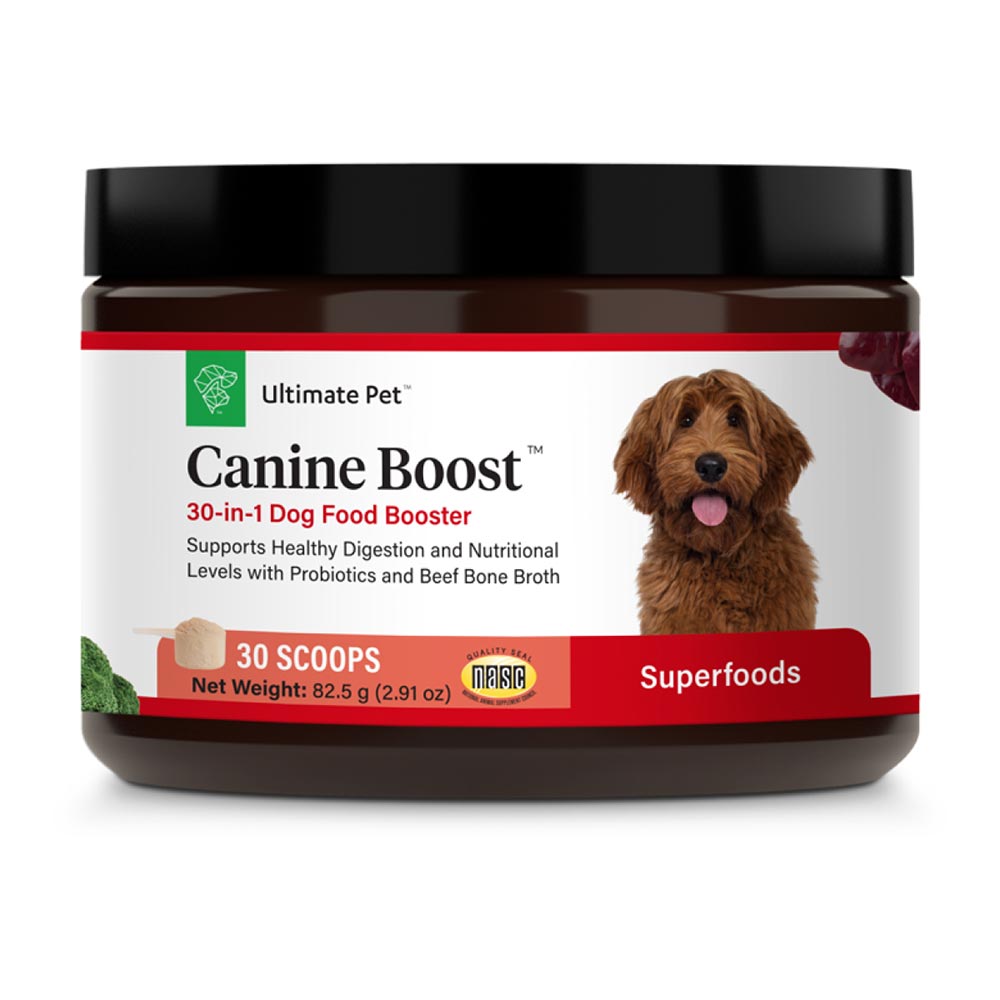


For more expert pet care tips and advice, check out our dedicated Dog Nutrition guides to keep your companions healthy and happy.




