
Introduction
As canine companions transition into their golden years, their nutritional needs undergo significant changes. A senior dog typically refers to a dog in the last 25% to 30% of its expected lifespan, though this varies greatly by breed and individual health. For larger breeds, seniority might begin around five to seven years of age, while smaller breeds may not reach this stage until ten to twelve years old. Understanding the specific dietary requirements of an aging dog is paramount to supporting their health, maintaining their vitality, and enhancing their overall quality of life. The choice of appropriate dog food for a senior dog moves beyond simple sustenance; it becomes a critical component in managing age-related conditions, slowing down the progression of certain ailments, and ensuring comfort during their later years. Prioritizing specialized senior dog food can make a tangible difference in a dog’s well-being and longevity.
💡 Pet Care Key Takeaways:
- Core Focus: Practical health, nutrition, and wellness guidelines for Best Dog Food For Senior Dogs.
- Target Scope: Pet owners, animal caregivers, and veterinary support staff.
- Best Recommendation: Maintain consistent daily routines and consult an accredited veterinarian before introducing major diet or medical changes.
Common Causes and Key Factors
The physiological changes occurring in senior dogs necessitate a reevaluation of their diet. A primary factor is a general slowdown in metabolism, which often results in decreased energy expenditure. This reduced activity level makes senior dogs more prone to weight gain and obesity if their caloric intake is not adjusted. For more related activities, check out our Natural Balance Puppy Food Quantity Chart.
Joint health also becomes a significant concern. The natural wear and tear on cartilage over time can lead to conditions like osteoarthritis, causing pain and reduced mobility. Nutritional support for joints is therefore crucial. Digestive efficiency can decline with age, leading to increased sensitivity or irregular bowel movements. Dental issues, such as plaque buildup and gum disease, can make eating painful or difficult, influencing food texture preferences.
Furthermore, immune system function can weaken, making senior dogs more susceptible to illness. Kidney and liver function may also begin to decline, requiring careful consideration of protein and phosphorus levels in their diet. Cognitive decline, akin to dementia in humans, can also occur, making antioxidant support beneficial. Each of these age-related changes contributes to the need for a diet specifically formulated to address these evolving physiological demands.
Signs and Symptoms to Observe
Observing subtle changes in a senior dog’s behavior and physical condition can indicate that a dietary adjustment may be beneficial. One of the most common signs is unexplained weight gain or loss. While obesity in senior dogs can often be attributed to a combination of decreased activity and an unadjusted caloric intake, unintentional weight loss could signal underlying health issues or an inability to properly digest nutrients.
A noticeable decrease in energy levels, reluctance to play, or difficulty with stairs or jumping can point to joint pain or muscle mass loss, suggesting a need for joint-supporting ingredients and appropriate protein. Changes in coat quality, such as dullness or excessive shedding, may indicate deficiencies in essential fatty acids or other nutrients. Digestive upsets like chronic diarrhea, constipation, or increased flatulence can signal a need for more easily digestible ingredients or increased fiber. A decreased appetite or difficulty chewing could point to dental problems, making softer foods or smaller kibble more suitable. Any of these signs, particularly when observed consistently, warrant attention to a dog’s current diet.
Practical Solutions and Management Strategies
Selecting the best dog food for senior dogs involves understanding and addressing their specific nutritional requirements. A quality senior dog food typically features a tailored caloric content, often lower than adult formulas, to prevent obesity while maintaining an appropriate energy level. This helps manage weight without sacrificing necessary nutrients.
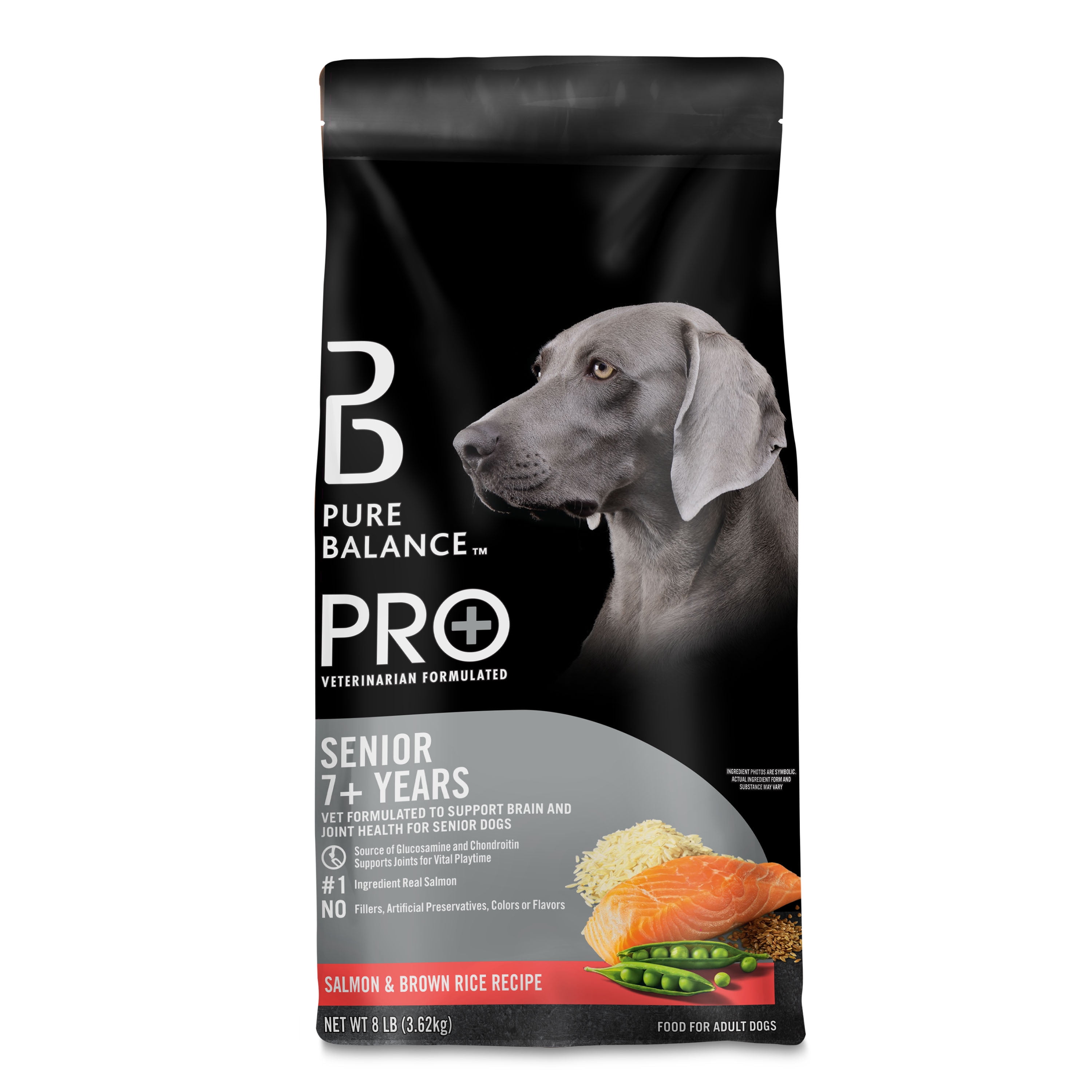
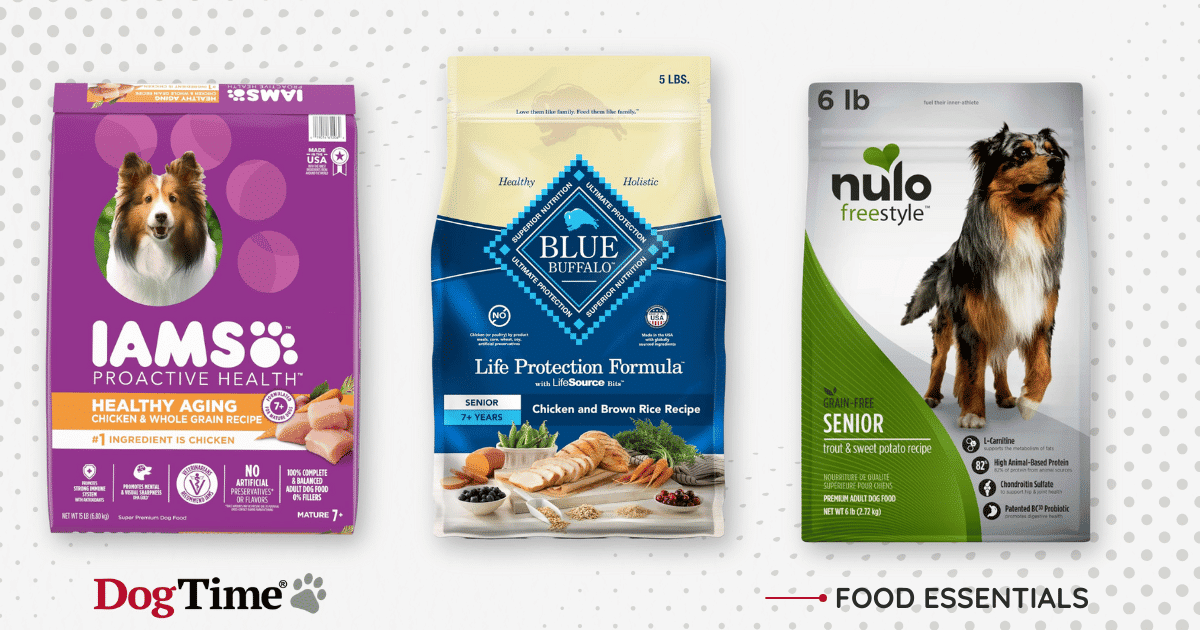
High-quality protein is essential for maintaining muscle mass, which naturally declines with age. While some senior diets may have slightly lower protein levels to protect aging kidneys, others focus on highly digestible protein sources to support muscle integrity without undue stress. Joint-supporting ingredients are a cornerstone of senior diets, with glucosamine and chondroitin commonly included to promote cartilage health. Omega-3 fatty acids, such as EPA and DHA, sourced from fish oil, offer anti-inflammatory benefits that further support joint health and can also contribute to cognitive function and a healthy coat.
For digestive health, senior dog foods often incorporate prebiotics and probiotics to support a balanced gut microbiome, along with an appropriate fiber content to aid digestion and promote regular bowel movements. Antioxidants, including vitamins E and C, beta-carotene, and selenium, are vital for boosting the immune system and combating free radicals that contribute to cellular aging and cognitive decline. Some formulations may also include ingredients like L-carnitine to support fat metabolism and maintain a healthy weight.
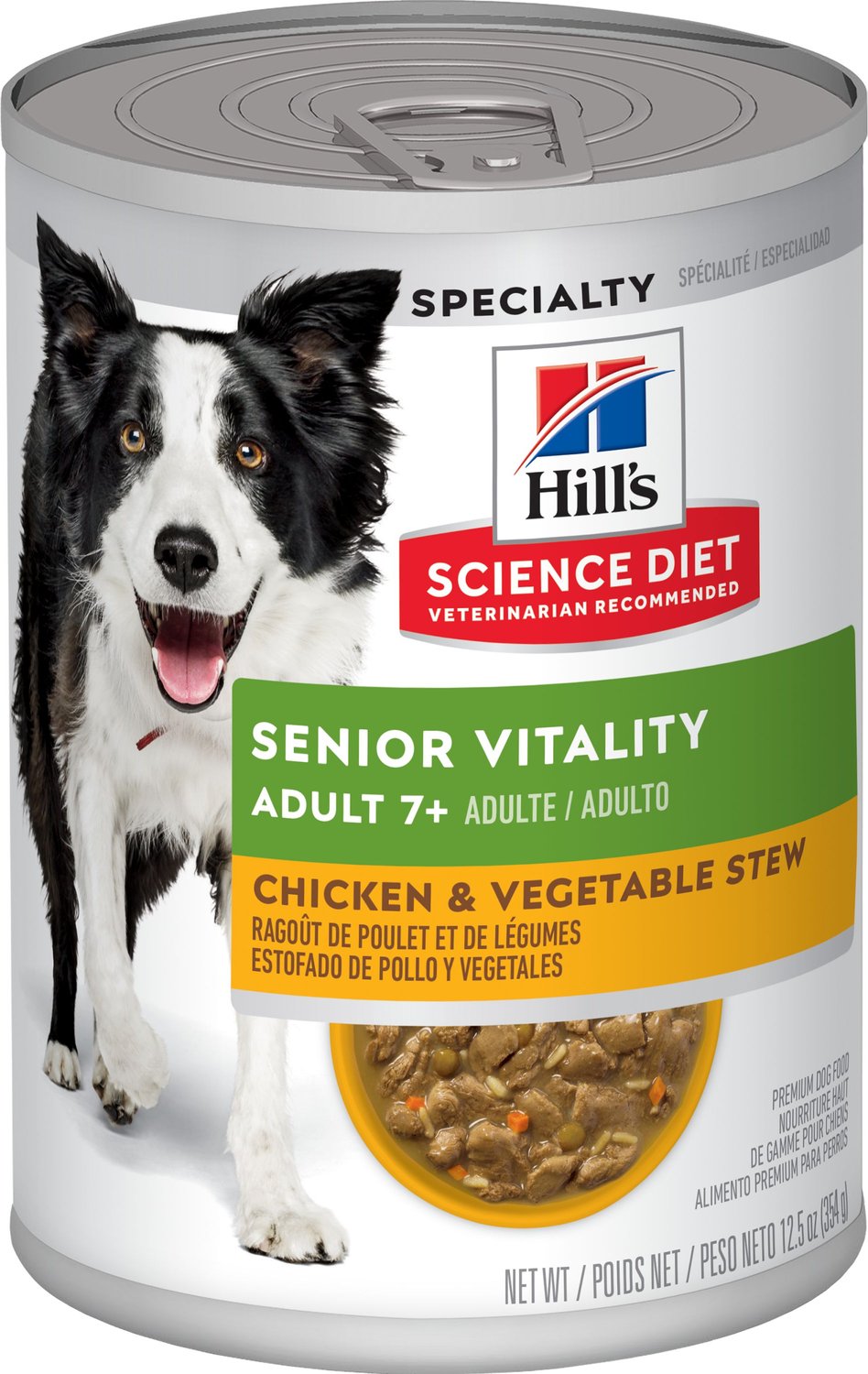
When transitioning to a new senior dog food, it is important to do so gradually over seven to ten days, mixing increasing amounts of the new food with decreasing amounts of the old. This helps prevent digestive upset and allows the dog to adjust to the new diet. Consideration of food texture, such as wet food or smaller kibble, can also be beneficial for dogs with dental issues.
When Professional Help May Be Needed
While adjusting a senior dog’s diet is a crucial step in proactive care, certain situations necessitate professional veterinary consultation. If a senior dog exhibits sudden or significant changes in appetite, severe weight loss or gain, persistent vomiting or diarrhea, or noticeable declines in energy or mobility despite dietary changes, a veterinarian should be consulted immediately. These symptoms could indicate underlying medical conditions that require diagnosis and specific treatment.
Dogs with pre-existing health conditions, such as kidney disease, heart conditions, diabetes, or advanced arthritis, will require a veterinarian’s expert guidance to formulate a precise dietary plan. Specialized prescription diets are often necessary to manage these conditions effectively. Regular veterinary check-ups for senior dogs are highly recommended, typically twice a year, to monitor their overall health, catch potential issues early, and receive personalized dietary recommendations based on their unique needs and medical history.
Conclusion
The journey through a dog’s senior years can be rich and rewarding when supported by thoughtful care. Understanding that a senior dog’s nutritional requirements evolve is fundamental to providing them with the highest quality of life. By carefully selecting a dog food formulated for their specific needs addressing metabolism, joint health, digestion, and cognitive function owners can significantly contribute to their companion’s comfort and well-being. Regular observation of a dog’s physical condition and behavior, coupled with proactive dietary adjustments, forms the bedrock of senior canine care. When uncertainty arises or specific health concerns are present, seeking the expertise of a veterinarian ensures that every senior dog receives the tailored support required to thrive in their golden years. Prioritizing their nutritional needs is an act of profound care that strengthens the bond shared with these cherished family members.
Pet Care & Wellness Overview Table
| Life Stage | Daily Activity Level | Key Nutrition / Care Focus |
|---|---|---|
| Puppy / Kitten | High (frequent short bursts) | High-protein growth diet & early socialization |
| Adult Companion | Moderate (30–60 mins daily) | Balanced maintenance nutrition & dental hygiene |
| Senior Pets | Low to Gentle (mindful walks) | Joint support (Glucosamine) & routine vet checks |
Images References





For more expert pet care tips and advice, check out our dedicated Dog Nutrition guides to keep your companions healthy and happy.




