

Introduction
Understanding the specifics of a kidney care diet for dogs is fundamental for canine companions diagnosed with kidney disease. This specialized nutritional approach focuses on managing the progression of renal dysfunction and alleviating associated symptoms, thereby enhancing a dogs comfort and longevity. Kidney disease, particularly chronic kidney disease (CKD), is a common ailment in aging dogs, although it can manifest at any life stage due to various factors. By carefully tailoring dietary intake, dog owners can play a pivotal role in supporting their pets kidney health. Implementing an appropriate kidney care diet can significantly improve a dogs overall well-being, mitigate the impact of the disease on their daily life, and contribute positively to their quality of life. This proactive management approach is a cornerstone of comprehensive care for dogs with compromised kidney function.
💡 Pet Care Key Takeaways:
- Core Focus: Practical health, nutrition, and wellness guidelines for Kidney Care Diet For Dogs.
- Target Scope: Pet owners, animal caregivers, and veterinary support staff.
- Best Recommendation: Maintain consistent daily routines and consult an accredited veterinarian before introducing major diet or medical changes.
Common Causes and Key Factors
Kidney disease in dogs, which necessitates a specialized kidney care diet, can stem from a variety of causes. One of the most prevalent factors is age, as the kidneys naturally experience wear and tear over a dog’s lifespan, leading to a gradual decline in function. Certain genetic predispositions and breed-specific tendencies also play a significant role, with breeds such as the German Shepherd, Cocker Spaniel, and Bull Terrier being more susceptible to particular renal conditions. For more related activities, check out our Pitbullnutrition.
Acute kidney injury can also lead to chronic kidney disease if the damage is severe or left untreated. This acute damage may be triggered by exposure to toxins, such as antifreeze, certain human medications, or poisonous plants. Severe infections, trauma, or prolonged dehydration can also precipitate acute kidney issues.
Furthermore, underlying health conditions can contribute to kidney dysfunction. High blood pressure (hypertension), diabetes mellitus, and certain forms of cancer can place undue stress on the kidneys, impairing their ability to filter waste effectively. Even severe dental disease can indirectly affect kidney health; bacteria from infected gums can enter the bloodstream and travel to the kidneys, causing inflammation and damage over time. Understanding these contributing factors underscores the importance of a comprehensive approach to a dogs health, with diet being a critical component in managing existing renal challenges.
Signs and Symptoms to Observe
Recognizing the signs and symptoms of kidney issues in dogs is crucial for timely intervention and the implementation of a kidney care diet. The observable indicators can often be subtle in the early stages, progressing as the disease advances. A common and significant symptom is increased thirst (polydipsia), often accompanied by increased urination (polyuria), as compromised kidneys struggle to concentrate urine effectively. This results in the body expelling more water, leading to dehydration and compensatory increased water intake.
Dogs with kidney disease may also exhibit a decreased appetite and subsequent weight loss, due to the accumulation of toxins in the bloodstream that cause nausea and general malaise. Lethargy and weakness are frequently observed, reflecting the bodys inability to properly eliminate waste products, which can make a dog feel unwell and lacking energy.
Other digestive disturbances include vomiting and diarrhea, which are direct consequences of uremic toxins irritating the gastrointestinal tract. A dog’s coat quality may deteriorate, appearing dull or unkempt, often due to dehydration and poor nutrient absorption. In more advanced stages, bad breath (uremic halitosis), characterized by an ammonia-like odor, or even oral ulcers can become apparent. These signs may vary in intensity depending on the dog’s age, breed, and the specific stage of kidney disease, making careful observation an essential aspect of canine care.
Practical Solutions and Management Strategies
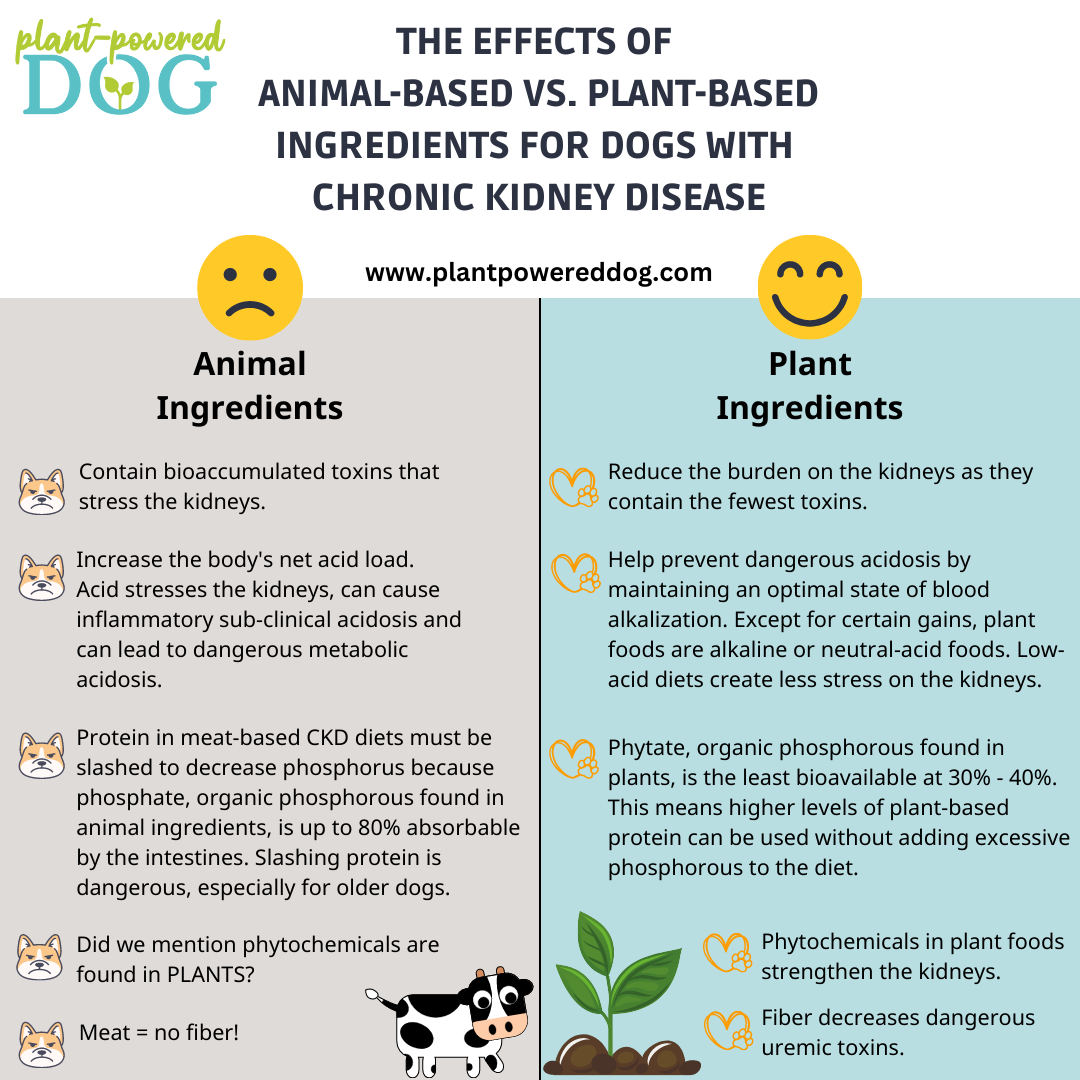
Managing kidney disease in dogs primarily revolves around a specialized kidney care diet, which is designed to reduce the workload on the kidneys and slow the progression of the illness. A cornerstone of this dietary approach is controlled protein levels. While protein is essential, excessive amounts can produce waste products that stress the kidneys. Therefore, a kidney diet features moderate levels of high-quality, easily digestible protein to meet a dog’s nutritional needs without overburdening renal function.
Another critical component is phosphorus restriction. Elevated phosphorus levels are detrimental to dogs with kidney disease, contributing to mineral imbalances and accelerating disease progression. Renal diets are specifically formulated to have significantly reduced phosphorus content. Similarly, sodium restriction helps manage blood pressure and fluid retention, which are common complications of kidney disease.
Increased omega-3 fatty acids, particularly from fish oil, are often incorporated into kidney care diets due to their anti-inflammatory properties, which can be beneficial for kidney health. Supplementation with B vitamins is also common, as these water-soluble vitamins are often lost in greater quantities through increased urination associated with kidney disease.
Hydration is paramount. Encouraging water intake through strategies such as offering fresh, clean water at all times, utilizing water fountains, and feeding wet food or adding water to dry kibble can significantly support kidney function. Feeding smaller, more frequent meals can also help manage appetite and reduce the burden on the digestive system.
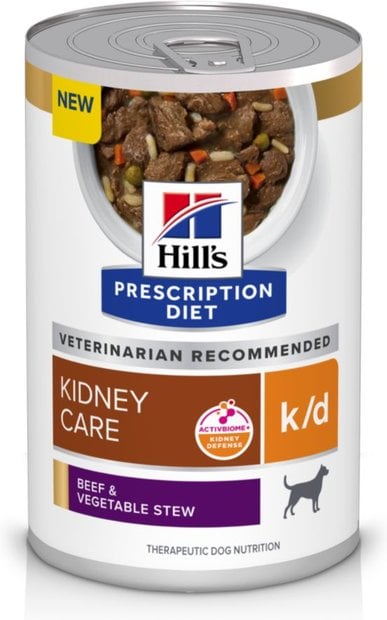
Dog owners can choose between commercially available prescription renal diets, which are rigorously tested and balanced, or a veterinarian-approved homemade diet. If a homemade diet is considered, it must be meticulously formulated by a veterinary nutritionist to ensure it meets all essential nutritional requirements while adhering to the necessary restrictions. Regular monitoring of a dogs blood work and urinalysis is essential to assess the diet’s effectiveness and make necessary adjustments as the disease progresses.
When Professional Help May Be Needed
The moment any of the aforementioned signs of kidney disease are observed, seeking prompt veterinary consultation is imperative. Early diagnosis of kidney disease allows for the most effective implementation of a kidney care diet and other supportive therapies, potentially slowing disease progression and improving long-term outcomes. A veterinarian will conduct a thorough examination, including blood tests and urinalysis, to accurately diagnose the condition and determine its stage.
Once kidney disease is diagnosed, a specialized kidney care diet must be veterinarian-prescribed. Attempting to formulate or select a renal diet without professional guidance can be detrimental to a dogs health, as precise nutrient balances are crucial. Regular follow-up visits are also essential for monitoring the dogs response to the diet and treatment. Blood tests will track kidney function, electrolyte balance, and phosphorus levels, while urinalysis will assess urine concentration and protein loss.
Professional intervention is also necessary if a dog experiences worsening symptoms, such as significant weight loss, persistent refusal to eat the prescribed diet, increased vomiting, or profound lethargy. These changes may indicate a need to adjust the current dietary plan, administer additional medications, or explore other therapeutic interventions. As kidney disease progresses, dietary requirements often change, necessitating ongoing partnership with a veterinary professional to tailor care to the evolving needs of the canine patient.
Conclusion
The kidney care diet for dogs stands as a critical pillar in the comprehensive management of canine kidney disease. An understanding of its principles, which involve careful regulation of protein, phosphorus, and sodium, alongside optimal hydration and beneficial fatty acids, empowers dog owners to significantly impact their pet’s health. Early detection of symptoms and a proactive partnership with veterinary professionals are indispensable in navigating this condition. Adhering to a veterinarian-prescribed renal diet, coupled with diligent monitoring, plays a crucial role in slowing disease progression, mitigating discomfort, and ultimately enriching a dog’s quality of life. The commitment to such specialized nutritional care demonstrates a profound dedication to canine well-being, affirming that informed and consistent attention can make a remarkable difference for dogs facing renal challenges.
Pet Care & Wellness Overview Table
| Life Stage | Daily Activity Level | Key Nutrition / Care Focus |
|---|---|---|
| Puppy / Kitten | High (frequent short bursts) | High-protein growth diet & early socialization |
| Adult Companion | Moderate (30–60 mins daily) | Balanced maintenance nutrition & dental hygiene |
| Senior Pets | Low to Gentle (mindful walks) | Joint support (Glucosamine) & routine vet checks |
Images References






For more expert pet care tips and advice, check out our dedicated Dog Nutrition guides to keep your companions healthy and happy.




