

Introduction
A dog’s lustrous coat and healthy skin are often considered prime indicators of overall well-being. When the fur appears dull, brittle, or sparse, or when the skin shows signs of dryness, flakiness, or irritation, it frequently signals an underlying issue. For many canines, the solution lies directly in their food bowl. Understanding the principles behind the best dog food for skin and coat is crucial for concerned dog owners seeking to alleviate discomfort and enhance their companions vitality. Addressing nutritional gaps or sensitivities through appropriate dietary choices can significantly improve a dogs comfort, reduce itching, and restore a vibrant, healthy appearance, contributing positively to its general quality of life.
💡 Pet Care Key Takeaways:
- Core Focus: Practical health, nutrition, and wellness guidelines for Best Dog Food For Skin And Coat.
- Target Scope: Pet owners, animal caregivers, and veterinary support staff.
- Best Recommendation: Maintain consistent daily routines and consult an accredited veterinarian before introducing major diet or medical changes.
Common Causes and Key Factors
Several factors can contribute to compromised skin and coat health, with diet playing a pivotal role. Nutritional deficiencies are frequently at the root of such problems. A diet lacking in essential fatty acids, high-quality proteins, or specific vitamins and minerals can directly manifest as a dull coat, dry skin, or excessive shedding. For more related activities, check out our Breeds Susceptable To Diabetes.
Food allergies or sensitivities represent another significant cause. Common allergens often include specific proteins (such as beef, chicken, dairy, or soy) or grains (like wheat or corn). When a dog consumes an ingredient to which it is sensitive, the immune system can react, leading to dermatological symptoms like itching, redness, and inflammation.
Beyond diet, environmental factors such as very dry climates or excessive bathing with harsh shampoos can strip natural oils, exacerbating skin dryness. Genetic predispositions also play a part, as certain breeds are naturally more prone to specific skin conditions. Furthermore, underlying medical conditions like hormonal imbalances or parasitic infestations can also impact skin and coat quality, making it essential to consider a holistic view of the dog’s health.
Signs and Symptoms to Observe
Observing a dogs skin and coat regularly allows for early detection of potential issues. Key indicators of poor skin and coat health include a dull, dry, or brittle coat that lacks its natural sheen. Excessive shedding, particularly outside of normal seasonal cycles, can also be a warning sign.
The skin itself may present with flakiness, dandruff, or noticeable dryness. Redness, inflammation, or rashes often indicate irritation or an allergic reaction. Dogs may exhibit increased scratching, licking, or chewing, especially around their paws, flanks, or the base of their tail, in an attempt to alleviate persistent itchiness. In more severe cases, these behaviors can lead to hot spots (localized areas of acute moist dermatitis), hair loss, or thinning patches of fur. An unpleasant or unusual odor emanating from the skin can also signal a problem, potentially a yeast or bacterial infection. These signs can vary in intensity depending on the dog’s age, breed, and the specific underlying cause.
Practical Solutions and Management Strategies
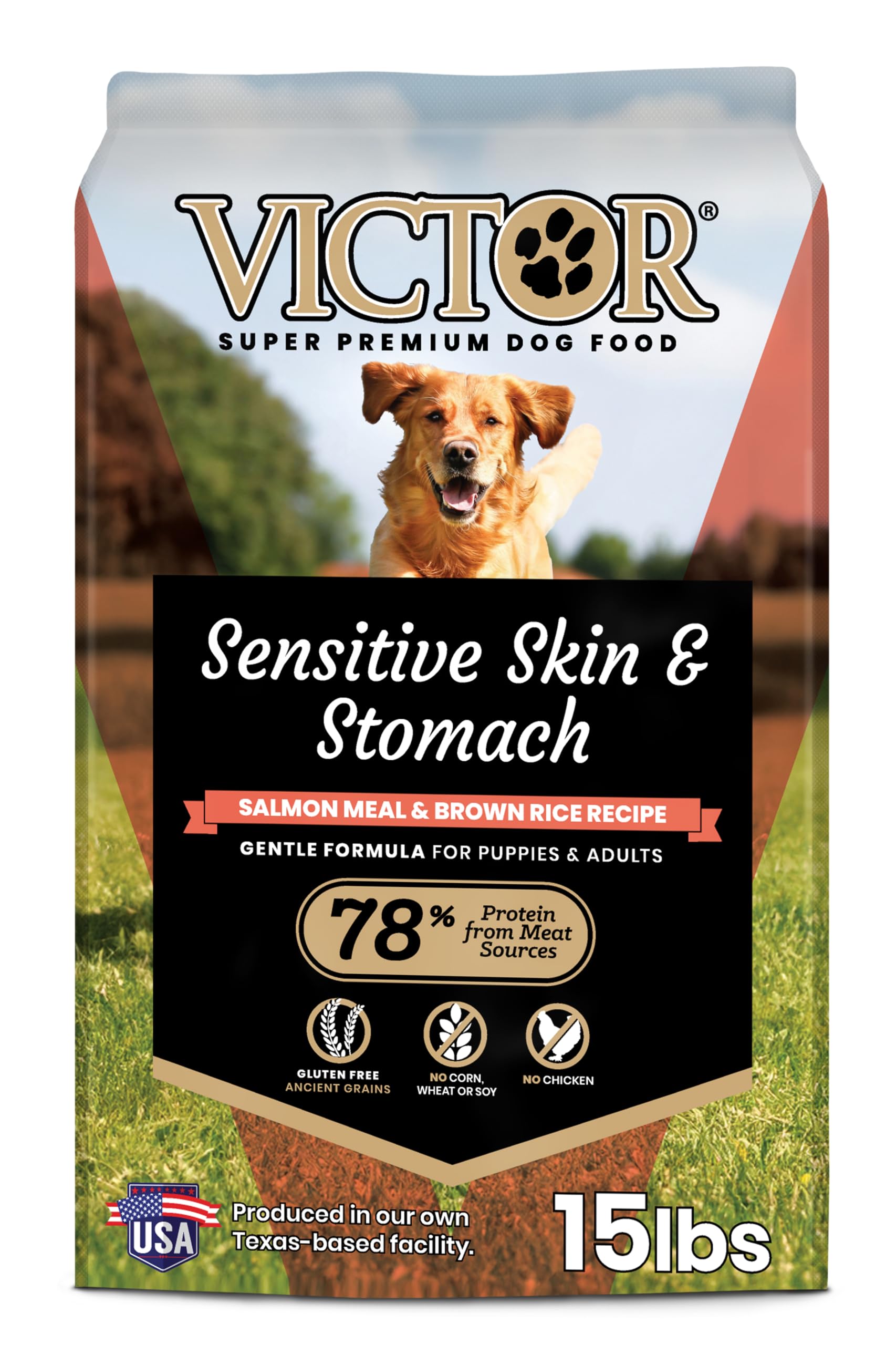
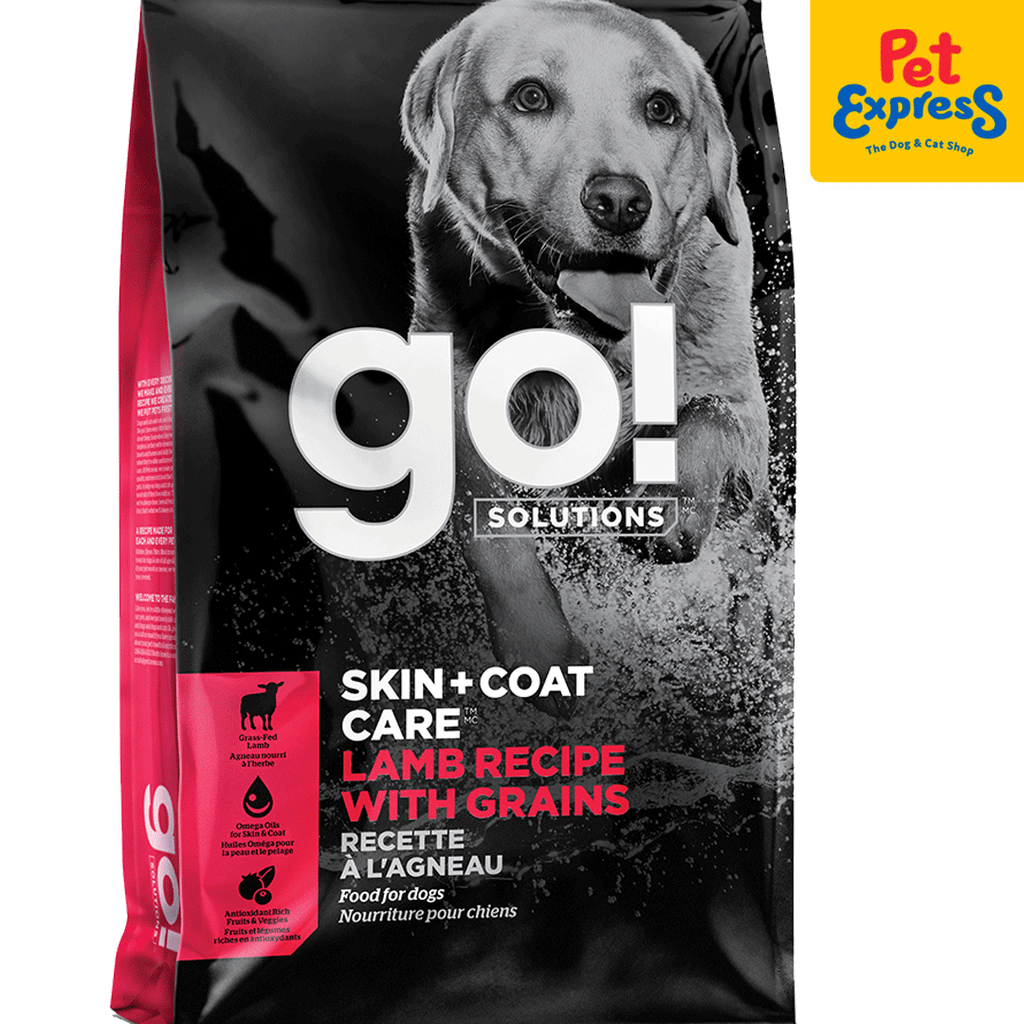
Addressing skin and coat concerns often begins with strategic dietary adjustments. Prioritizing the best dog food for skin and coat means focusing on ingredients that actively support dermal health. High-quality protein sources are fundamental, as hair is primarily composed of protein. Look for foods where a named meat source (e.g., “chicken meal” rather than “meat meal”) is among the first few ingredients.
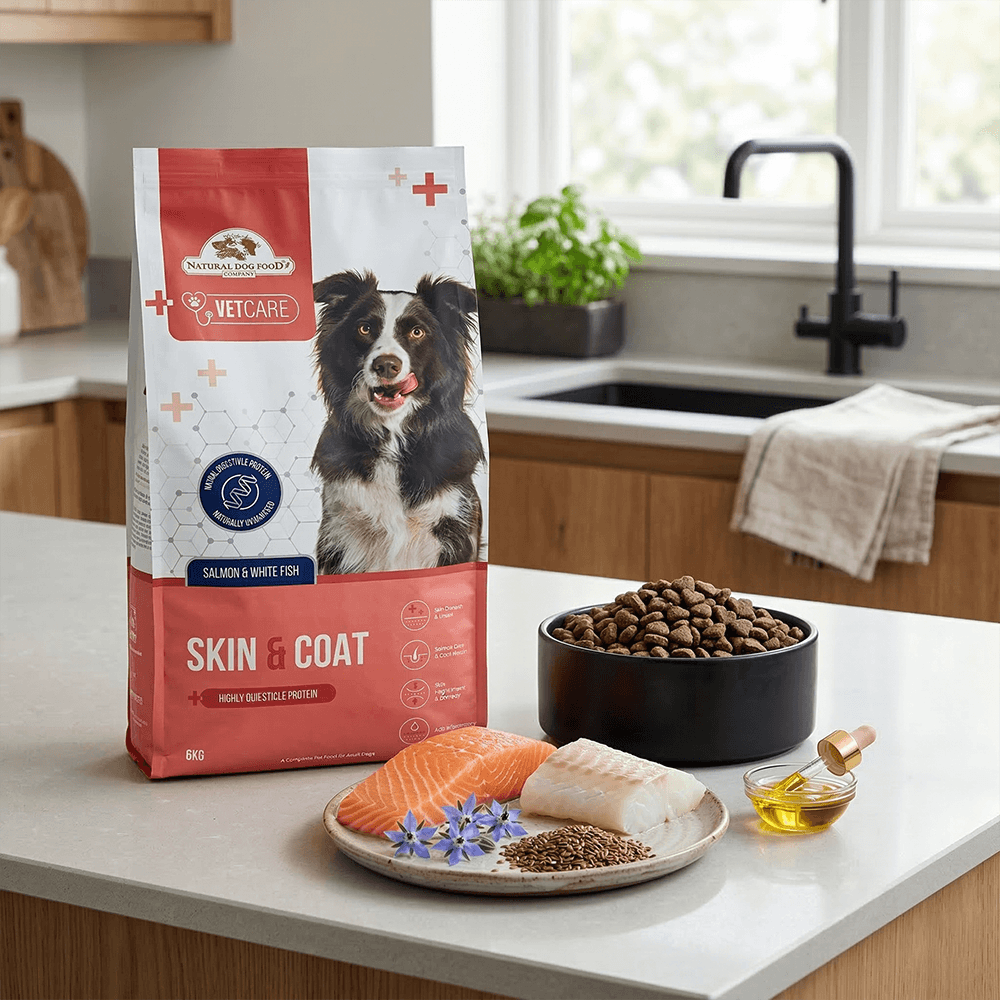
Essential fatty acids, particularly Omega-3 and Omega-6, are crucial. Omega-3s, found in fish oil (salmon, sardine), flaxseed, and chia seeds, possess anti-inflammatory properties and contribute to skin barrier integrity. Omega-6s, common in poultry fat and various plant oils, support coat luster. A balanced ratio of these fatty acids is important for optimal benefits.
Vitamins and minerals also play significant roles. Zinc, copper, Vitamin E, and Biotin are vital for healthy skin cell function and hair growth. Many premium dog foods formulate their recipes with these nutrients in mind. For dogs with suspected food allergies, a limited ingredient diet (LID) or a novel protein diet (featuring less common protein sources like duck, venison, or kangaroo) can help identify and eliminate triggers.
When selecting a dog food, careful label reading is paramount. Seek out products with minimal fillers, artificial colors, flavors, and preservatives. While grain-free diets gained popularity, grain-inclusive options are often perfectly suitable and can provide beneficial nutrients, provided the dog does not have a specific grain allergy. Complementary care includes regular brushing to distribute natural oils and remove loose fur, along with appropriate bathing techniques using gentle, dog-specific shampoos to avoid stripping the skin’s protective barrier. Ensuring consistent access to fresh water is also essential for overall hydration, which impacts skin health from within.
When Professional Help May Be Needed
While dietary changes and improved grooming practices can resolve many skin and coat issues, there are situations where professional veterinary intervention becomes necessary. If symptoms persist or worsen despite consistent implementation of a high-quality diet and appropriate care strategies, a veterinary consultation is strongly advised.
Specific indicators for seeking professional help include severe or unrelenting itching, the development of open sores, pus, or a foul odor emanating from the skin, which could signal an infection. Sudden, unexplained hair loss, widespread rashes, or signs of pain or significant discomfort also warrant immediate veterinary attention. A veterinarian can accurately diagnose underlying medical conditions, such as hormonal imbalances, parasitic infestations, or severe allergies, through various tests. They can recommend specialized prescription diets, medications, or advanced diagnostic procedures that are not available to pet owners. Seeking timely professional advice ensures that a dog receives the most appropriate and effective treatment, preventing further discomfort and potential long-term health complications.
Conclusion
A dogs skin and coat health serves as a window into its internal well-being, profoundly influenced by nutrition. Selecting the best dog food for skin and coat involves a careful consideration of high-quality proteins, a balanced profile of essential fatty acids like Omega-3 and Omega-6, and vital vitamins and minerals. These nutritional building blocks are instrumental in maintaining a robust skin barrier, reducing inflammation, and fostering a shiny, strong coat. Consistent observation of a dogs skin and fur, coupled with informed dietary choices and appropriate grooming, forms the cornerstone of proactive care. Should skin issues persist or escalate, consulting a veterinary professional is a responsible and crucial step toward ensuring a dogs continued health and comfort. A vibrant coat and healthy skin are not merely cosmetic; they reflect a happy, well-nourished canine companion.
Pet Care & Wellness Overview Table
| Life Stage | Daily Activity Level | Key Nutrition / Care Focus |
|---|---|---|
| Puppy / Kitten | High (frequent short bursts) | High-protein growth diet & early socialization |
| Adult Companion | Moderate (30–60 mins daily) | Balanced maintenance nutrition & dental hygiene |
| Senior Pets | Low to Gentle (mindful walks) | Joint support (Glucosamine) & routine vet checks |
Images References





For more expert pet care tips and advice, check out our dedicated Dog Health guides to keep your companions healthy and happy.




