

Introduction
As dogs gracefully advance in years, their nutritional needs undergo significant changes. Understanding the role of the best dog vitamins for older dogs becomes paramount for owners committed to maintaining their canine companion’s vitality and comfort. Just as human seniors benefit from tailored dietary support, older dogs often require specific vitamins and supplements to address age-related decline, support organ function, and enhance overall quality of life. This critical phase in a dog’s life often brings about challenges such as reduced nutrient absorption, joint stiffness, decreased energy levels, and cognitive changes. By exploring the science behind targeted nutritional support, owners can make informed decisions that contribute significantly to their senior dog’s well-being and longevity.
💡 Pet Care Key Takeaways:
- Core Focus: Practical health, nutrition, and wellness guidelines for Best Dog Vitamins For Older Dogs.
- Target Scope: Pet owners, animal caregivers, and veterinary support staff.
- Best Recommendation: Maintain consistent daily routines and consult an accredited veterinarian before introducing major diet or medical changes.
Common Causes and Key Factors
Several biological and environmental factors contribute to why older dogs may benefit from supplemental vitamins. The aging process naturally leads to physiological changes that can impact a dog’s nutritional status. For more related activities, check out our “Fortiflora” And “Gut Health”.
- Reduced Nutrient Absorption: The digestive system’s efficiency can decline with age, meaning even a well-balanced diet might not provide sufficient absorption of essential vitamins and minerals.
- Increased Oxidative Stress: Older dogs are more susceptible to cellular damage from free radicals. Antioxidants become crucial in neutralizing these harmful compounds.
- Joint Degeneration: Cartilage naturally wears down over time, leading to conditions like arthritis. Specific supplements can support joint health and mobility.
- Organ Function Decline: The heart, kidneys, and liver may not function as optimally in senior dogs, necessitating vitamins that support these vital organs.
- Changes in Metabolism and Activity Levels: A slower metabolism combined with decreased physical activity can alter nutrient requirements and increase the risk of weight gain, making nutrient density even more important.
- Compromised Immune System: The immune system can weaken with age, making older dogs more vulnerable to illnesses. Immune-boosting vitamins can provide valuable support.
Signs and Symptoms to Observe
Recognizing the signs that an older dog may benefit from additional vitamin support is crucial. These indicators can vary widely based on the dog’s breed, activity level, and specific health conditions. Observing subtle changes in behavior and physical condition can prompt timely intervention.
- Decreased Energy and Lethargy: A noticeable drop in enthusiasm for walks, play, or general activity can suggest a need for energy-supporting nutrients.
- Stiffness or Difficulty Moving: Limping, struggling to get up, or reluctance to jump are classic signs of joint discomfort, indicating potential benefits from joint-specific supplements.
- Dull, Dry Coat or Excessive Shedding: A healthy coat reflects internal well-being. A lackluster or sparse coat might signal deficiencies in essential fatty acids or other skin-supporting vitamins.
- Changes in Appetite or Weight: While some older dogs gain weight due to decreased activity, others may lose it, indicating potential digestive or metabolic issues that vitamins could help regulate.
- Cognitive Changes: Disorientation, altered sleep-wake cycles, increased anxiety, or changes in social interaction can point to cognitive decline, which certain brain-supporting nutrients may help mitigate.
- Frequent Illnesses: An increase in minor infections or a longer recovery time after illness can suggest a weakened immune system.
Practical Solutions and Management Strategies
Implementing the best dog vitamins for older dogs involves a thoughtful approach, starting with a review of their current diet and consulting with a veterinary professional. High-quality supplements, when chosen correctly, can bridge nutritional gaps and provide targeted support.
1. Prioritize a High-Quality Diet: Ensure the foundation of the dog’s nutrition is a complete and balanced senior-specific dog food. Many senior formulas are designed with adjusted protein, fat, and fiber levels, and often include some beneficial supplements.
2. Understand Key Supplement Categories:
- Joint Support (Glucosamine, Chondroitin, MSM): These are foundational for older dogs experiencing stiffness or arthritis, helping to maintain cartilage integrity and reduce inflammation.
- Omega-3 Fatty Acids (EPA & DHA): Derived from fish oil, these are excellent for reducing inflammation, supporting joint health, promoting a healthy coat, and aiding cognitive function.
- Antioxidants (Vitamins E & C, Selenium, CoQ10): Essential for combating oxidative stress and supporting the immune system. They help protect cells from damage and can aid in cognitive health.
- Multivitamins: A comprehensive multivitamin can address general nutritional gaps, especially in dogs with reduced appetite or specific dietary restrictions.
- Probiotics and Prebiotics: For digestive health, these can improve nutrient absorption and support a healthy gut microbiome, which is crucial for overall immunity.
- L-Carnitine: Can help with fat metabolism and maintaining lean muscle mass, particularly useful for overweight senior dogs.
3. Consult a Veterinarian: Before introducing any new supplement, a veterinary consultation is essential. A veterinarian can recommend appropriate supplements based on the dog’s specific health profile, existing conditions, and potential interactions with medications.
4. Choose Reputable Brands: Select supplements from manufacturers known for quality, safety, and transparency. Look for products that have undergone third-party testing for purity and potency.
5. Follow Dosage Instructions Carefully: Adhere strictly to the recommended dosages to prevent over-supplementation, which can be as harmful as deficiencies.
6. Monitor and Adjust: Observe the dog’s response to the supplements. Changes in energy, mobility, coat condition, or appetite should be noted and discussed with a veterinarian to adjust the regimen as needed.
When Professional Help May Be Needed
While exploring the best dog vitamins for older dogs is a proactive step in senior pet care, there are specific situations where professional veterinary intervention is not just recommended, but critical. Any sudden or significant change in a dog’s health or behavior warrants immediate veterinary attention.
- Acute Symptoms: Severe lameness, sudden loss of appetite, persistent vomiting or diarrhea, profound lethargy, or signs of pain require urgent veterinary assessment to rule out serious underlying conditions.
- Diagnosis of Chronic Diseases: If an older dog has been diagnosed with conditions such as kidney disease, heart disease, diabetes, or cancer, their nutritional needs become highly specific. A veterinarian can guide on appropriate dietary changes and supplements that will not interfere with ongoing medical treatments.
- Uncertainty About Supplement Choices: Owners unsure about which supplements are appropriate, their dosages, or potential interactions with existing medications should always seek professional advice. A veterinarian can provide tailored recommendations based on a thorough examination and diagnostic tests.
- Lack of Improvement: If a dog’s symptoms do not improve, or even worsen, after a reasonable trial period with supplements, it is important to revisit the veterinarian. This could indicate that the underlying issue is more complex or that the chosen supplements are not effective for that particular condition.
- Weight Fluctuations: Unexplained weight loss or gain in an older dog can be a symptom of various health issues and should always be investigated by a vet.
Conclusion
Providing the best dog vitamins for older dogs is an integral part of comprehensive senior pet care, reflecting a commitment to their comfort and longevity. As canine companions age, their bodies experience natural wear and tear, making targeted nutritional support increasingly valuable. Understanding the specific needs of older dogs, recognizing the subtle signs of nutritional gaps, and selecting appropriate, high-quality supplements can significantly enhance their quality of life. Always remember that a balanced approach, combining a premium senior diet with carefully chosen supplements, all under the guidance of a trusted veterinarian, forms the cornerstone of effective senior dog nutrition. Through vigilant observation and consistent care, owners can ensure their beloved older dogs continue to thrive, enjoying their golden years with greater vitality and well-being.
Pet Care & Wellness Overview Table
| Life Stage | Daily Activity Level | Key Nutrition / Care Focus |
|---|---|---|
| Puppy / Kitten | High (frequent short bursts) | High-protein growth diet & early socialization |
| Adult Companion | Moderate (30–60 mins daily) | Balanced maintenance nutrition & dental hygiene |
| Senior Pets | Low to Gentle (mindful walks) | Joint support (Glucosamine) & routine vet checks |
Images References
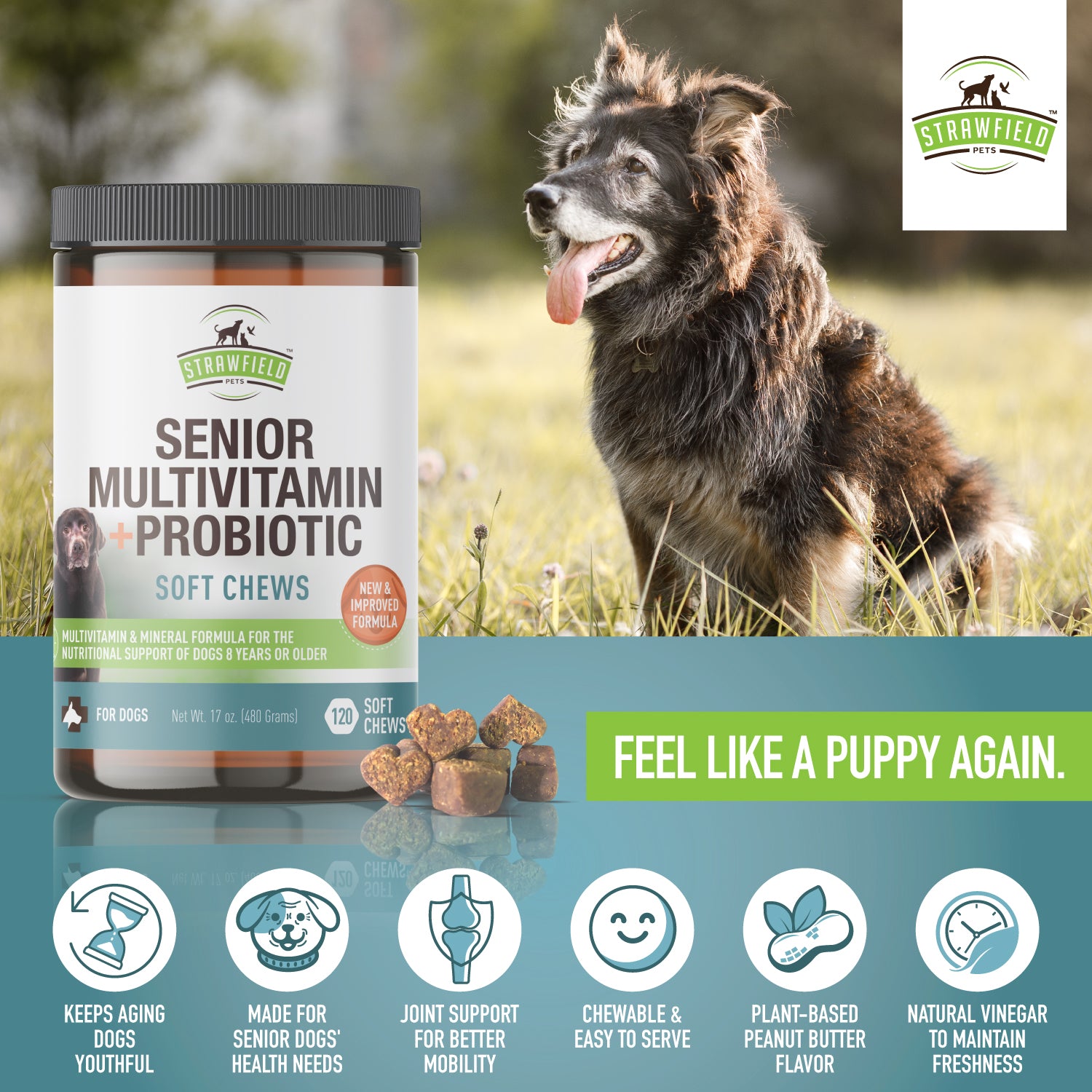


For more expert pet care tips and advice, check out our dedicated Dog Nutrition guides to keep your companions healthy and happy.




