

Introduction
Ensuring a dog receives proper nutrition is always a priority for responsible pet ownership, but this importance amplifies significantly when a canine companion falls ill. The selection of the best food for a sick dog is not merely about providing sustenance; it is a critical component of the recovery process, directly impacting a dogs comfort, energy levels, and overall healing capacity. Dogs can experience various ailments, from temporary digestive upsets to more serious chronic conditions or post-surgical recovery. During these vulnerable times, their usual diet may not be sufficient or, worse, could exacerbate their symptoms. Understanding how to adapt a dogs diet when illness strikes can profoundly influence its well-being, aiding in faster recovery and better managing the challenges posed by sickness.
💡 Pet Care Key Takeaways:
- Core Focus: Practical health, nutrition, and wellness guidelines for Best Food For Sick Dog.
- Target Scope: Pet owners, animal caregivers, and veterinary support staff.
- Best Recommendation: Maintain consistent daily routines and consult an accredited veterinarian before introducing major diet or medical changes.
Common Causes and Key Factors
A dogs nutritional needs undergo substantial changes when facing illness, primarily due to common conditions that affect the digestive system or overall metabolism. Acute gastrointestinal issues, such as vomiting or diarrhea, are frequent culprits, often leading to dehydration, electrolyte imbalance, and a reduced ability to absorb nutrients. Chronic conditions like kidney disease, liver disease, or pancreatitis demand highly specialized diets to manage organ function and minimize symptom progression. For more related activities, check out our Home Remedy For Dog With Struvite Crystals.
Post-surgical recovery or trauma also places significant demands on a dogs body, requiring increased energy for tissue repair and a highly digestible diet to prevent additional stress on the system. Factors like loss of appetite, nausea, and increased metabolic rates due to fighting infection or healing can complicate feeding efforts. These situations necessitate a careful re-evaluation of a dogs caloric intake, protein sources, fat content, and overall digestibility to support healing without causing further distress.
Signs and Symptoms to Observe
Recognizing the signs that a dog requires a modified diet due to illness is crucial. Observable indicators often include changes in eating habits or digestive function. Persistent vomiting or diarrhea, a sudden loss of appetite, or refusing to eat for more than 24 hours are clear warning signs. Lethargy, weakness, and a noticeable decrease in energy levels also suggest that a dog may not be receiving adequate nutrition or is struggling to process its current food.
Other symptoms to observe involve weight loss, a dull coat, or signs of abdominal discomfort such as hunching or reluctance to move. The specific manifestations can vary based on the underlying illness, a dog’s age, and its breed. For instance, a senior dog with kidney issues might show subtle signs of decreased appetite and increased thirst, while a puppy with a stomach bug might present with acute vomiting and diarrhea. Careful observation of these behavioral and physical changes provides invaluable clues for determining the need for dietary adjustments.
Practical Solutions and Management Strategies
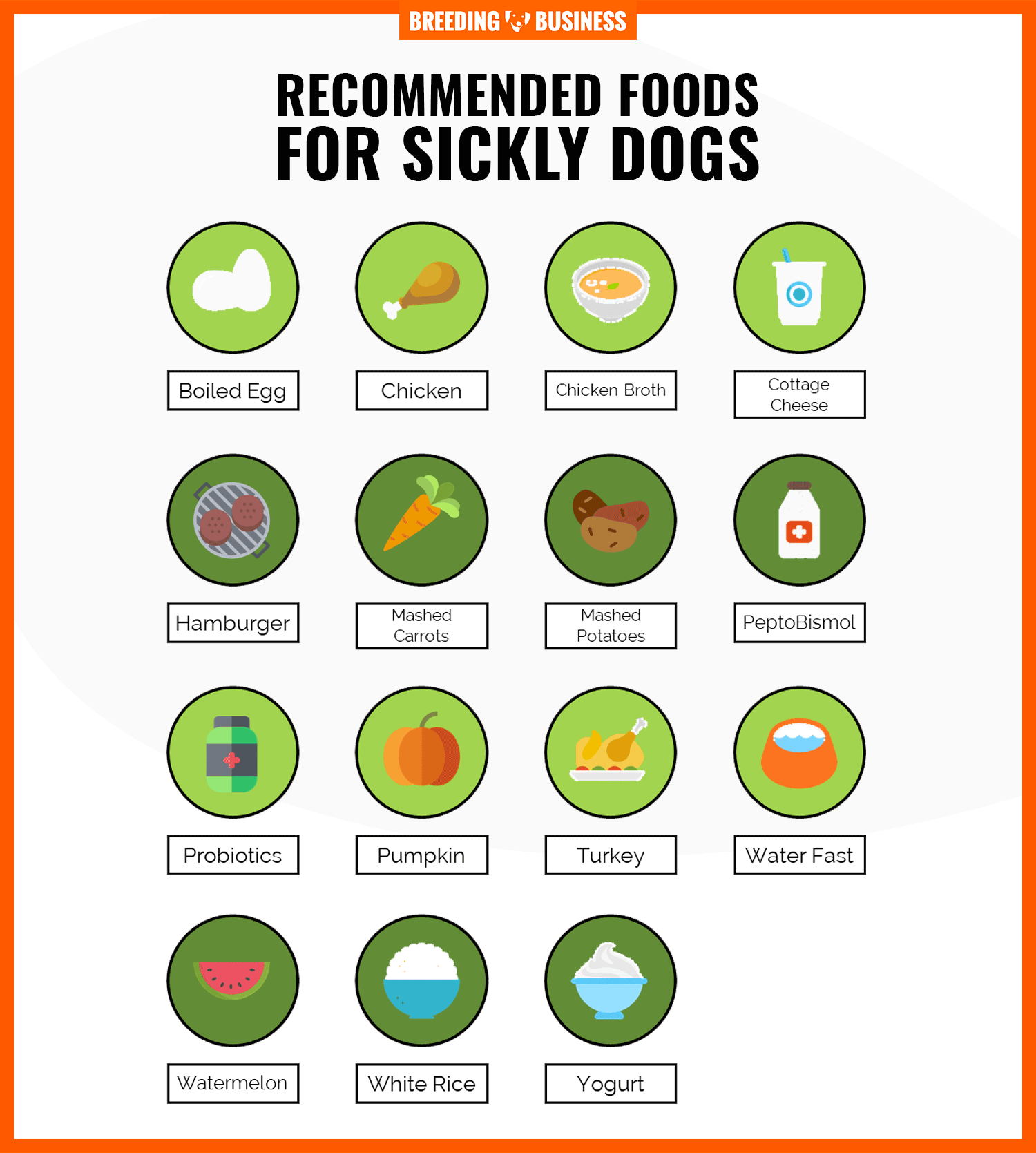
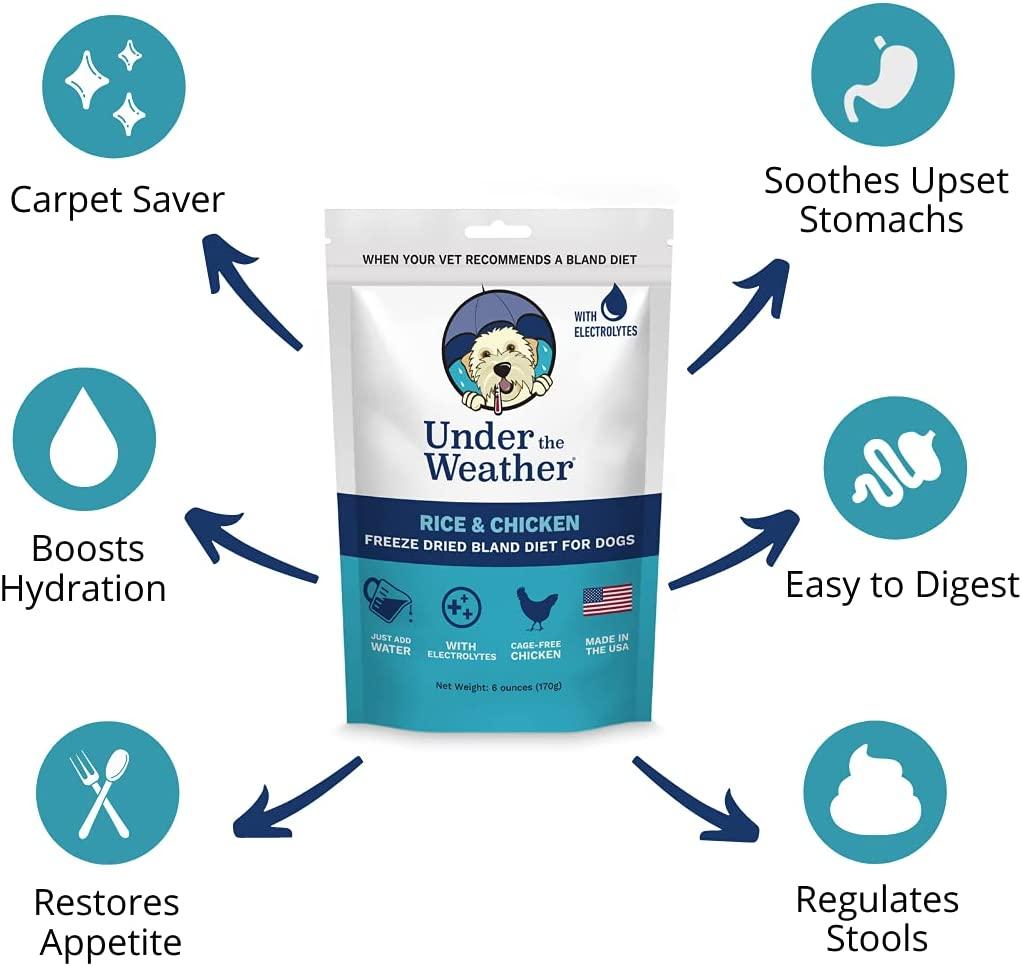
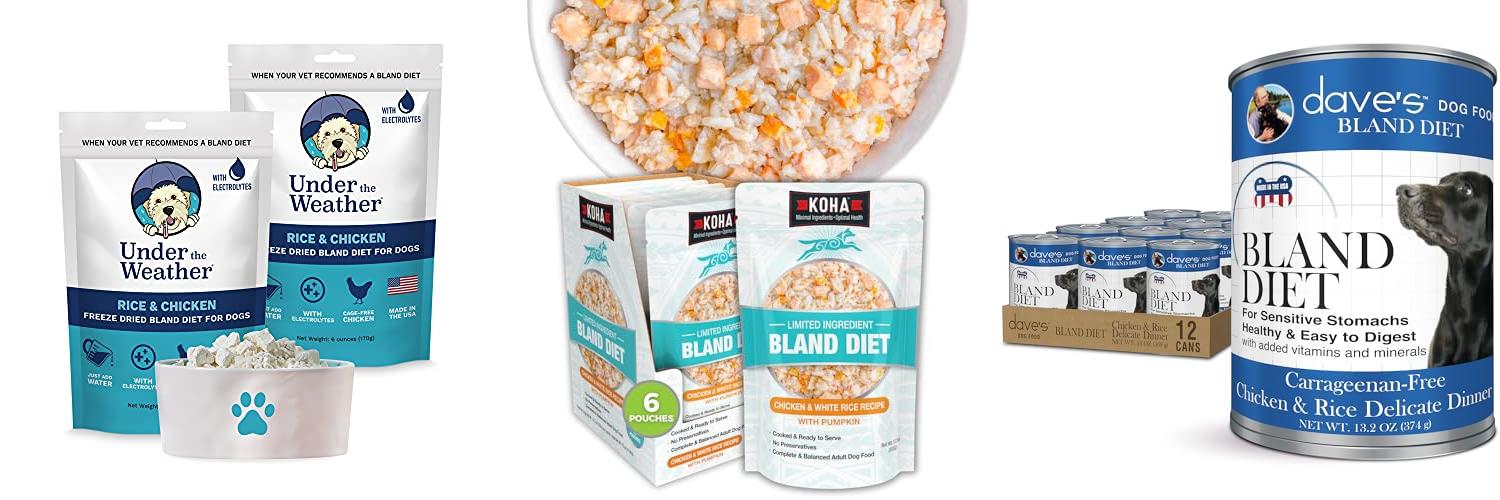
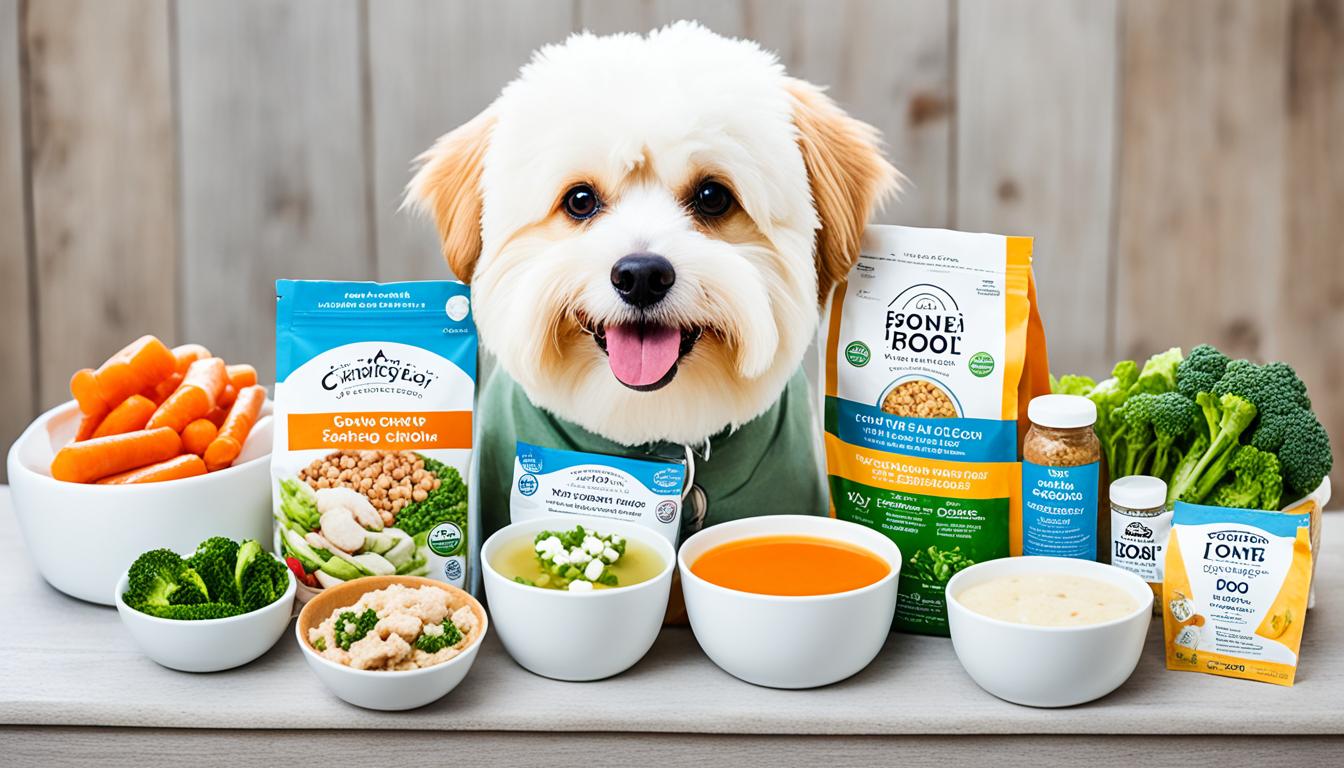
When a dog is unwell, dietary adjustments focus on providing easily digestible nutrients, maintaining hydration, and stimulating appetite. One of the most common and effective approaches involves feeding a bland diet. This typically consists of plain, boiled, boneless, skinless chicken breast mixed with plain white rice. The chicken provides lean protein for healing, while the rice offers an easily digestible carbohydrate source. Another excellent addition to a bland diet is plain, cooked pumpkin (not pumpkin pie filling), which can help regulate digestion due to its fiber content. Cooked sweet potato can also serve a similar purpose.
For more specific or prolonged conditions, commercial veterinary therapeutic diets offer precise nutritional support. These prescription foods are formulated to address particular health issues such as gastrointestinal sensitivities, kidney disease, liver disease, or the metabolic demands of recovery from surgery or critical illness. These specialized diets are available through veterinary clinics and ensure a balanced intake of nutrients while managing the specific dietary restrictions required by the condition.
Maintaining hydration is paramount. Offering fresh water consistently is essential, but if a dog is reluctant to drink, low-sodium chicken or beef broth (ensure no onion or garlic content) can be enticing. Small, frequent meals are generally better tolerated than large portions, as they reduce the strain on a compromised digestive system. Warming food slightly to body temperature can enhance its aroma and palatability, encouraging a dog with a suppressed appetite to eat. It is also important to avoid fatty foods, rich treats, and table scraps, which can exacerbate many conditions and hinder recovery.
When Professional Help May Be Needed
While temporary dietary adjustments can be beneficial for mild, short-lived illnesses, recognizing when veterinary intervention is necessary is crucial for a dog’s health. Professional help is warranted if symptoms like vomiting or diarrhea persist for more than 24-48 hours, if a dog completely refuses to eat or drink, or if there are signs of severe lethargy, significant pain, or rapid weight loss.
Additionally, any signs of dehydration, such as sunken eyes, dry gums, or a loss of skin elasticity, necessitate immediate veterinary consultation. For dogs with known chronic conditions (e.g., diabetes, kidney disease, heart disease), any new or worsening symptoms, or difficulty managing their existing diet, should prompt a discussion with a veterinarian. A veterinary professional can accurately diagnose the underlying issue, recommend appropriate treatment, and prescribe a specific therapeutic diet tailored to a dogs unique medical needs, ensuring the safest and most effective path to recovery.
Conclusion
The thoughtful selection of the best food for a sick dog is a fundamental aspect of compassionate and effective pet care. Tailored nutrition plays a pivotal role in recovery, symptom management, and overall comfort during times of illness. Understanding the common causes behind altered nutritional needs, observing key signs, and implementing appropriate dietary strategies can significantly support a dogs healing journey. While home-prepared bland diets offer valuable short-term solutions, the guidance of a veterinarian is indispensable for persistent or severe conditions, often leading to the recommendation of specialized therapeutic foods. Continuous awareness, vigilant observation, and a proactive partnership with veterinary professionals ensure that every dog receives the optimal dietary support it needs to regain health and vitality.
Pet Care & Wellness Overview Table
| Life Stage | Daily Activity Level | Key Nutrition / Care Focus |
|---|---|---|
| Puppy / Kitten | High (frequent short bursts) | High-protein growth diet & early socialization |
| Adult Companion | Moderate (30–60 mins daily) | Balanced maintenance nutrition & dental hygiene |
| Senior Pets | Low to Gentle (mindful walks) | Joint support (Glucosamine) & routine vet checks |
Images References





For more expert pet care tips and advice, check out our dedicated Dog Health guides to keep your companions healthy and happy.




