

Introduction
As dogs age, or sometimes due to injury or genetics, many can develop arthritis, a condition characterized by inflammation of the joints. This can lead to discomfort, reduced mobility, and a significant impact on a dog’s overall quality of life. For dog owners seeking ways to alleviate their pet’s pain and improve their well-being, understanding the various options available is crucial. The search for the “best over the counter arthritis medicine for dogs” often begins when the first signs of stiffness or reluctance to move become apparent. While not a substitute for veterinary care, a well-chosen over-the-counter (OTC) supplement or topical can play a supportive role in managing symptoms, enhancing comfort, and maintaining an active lifestyle for canine companions. Exploring these options can empower owners to make informed decisions that contribute positively to their dog’s health and happiness.
💡 Pet Care Key Takeaways:
- Core Focus: Practical health, nutrition, and wellness guidelines for Best Over The Counter Arthritis Medicine For Dogs.
- Target Scope: Pet owners, animal caregivers, and veterinary support staff.
- Best Recommendation: Maintain consistent daily routines and consult an accredited veterinarian before introducing major diet or medical changes.
Common Causes and Key Factors
Canine arthritis, medically known as osteoarthritis, is a degenerative joint disease where the cartilage that cushions the ends of bones within a joint gradually erodes. This erosion leads to bone-on-bone friction, pain, inflammation, and reduced joint flexibility. Several factors contribute to its development. For more related activities, check out our Signs Of A Deaf Dog Behavior Problems And Solutions.
Age is perhaps the most significant factor, with older dogs being far more susceptible due to natural wear and tear on joints over time. However, arthritis can also affect younger dogs.
Breed predisposition plays a substantial role. Larger breeds like German Shepherds, Labrador Retrievers, Golden Retrievers, and Rottweilers are genetically prone to hip and elbow dysplasia, conditions that often lead to secondary arthritis. Smaller breeds are not immune, with conditions like luxating patella often leading to arthritis in the knees.
Obesity significantly exacerbates joint problems. Excess weight places undue stress on joints, accelerating cartilage breakdown and increasing inflammation. Maintaining a healthy weight is a critical preventive and management strategy.
Previous injuries such as fractures, ligament tears (e.g., cruciate ligament tears), or dislocations can destabilize a joint, leading to abnormal wear and tear and the premature onset of arthritis.
Developmental orthopedic diseases, beyond just hip and elbow dysplasia, include osteochondritis dissecans (OCD) and panosteitis, which can create structural abnormalities that predispose joints to arthritis later in life. Understanding these underlying causes is essential for effective, long-term management strategies.
Signs and Symptoms to Observe
Detecting arthritis in dogs requires close observation, as pets often try to hide their pain. The signs can vary in intensity depending on the dog’s age, breed, and the severity of the condition. Recognizing these indicators early can lead to more timely intervention and improved outcomes.
- Changes in Gait or Movement: One of the most common signs is limping or an altered way of walking. A dog might show stiffness, especially after resting or waking up, which often improves slightly with movement. Reluctance to climb stairs, jump onto furniture, or get into a car can also be strong indicators.
- Decreased Activity Levels: An arthritic dog may become less active overall. This could manifest as shorter walks, less enthusiasm for playtime, or an increased amount of time spent resting or sleeping. They might avoid activities they once enjoyed.
- Difficulty with Routine Movements: Simple actions like standing up from a lying position, sitting down, or lying down can become challenging. Dogs might appear hesitant or groan during these movements.
- Behavioral Changes: Pain can lead to irritability or aggression, especially when affected joints are touched. Some dogs may withdraw, seek solitude, or show less interest in interaction. Others might lick or chew excessively at painful joints.
- Muscle Atrophy: Over time, disuse of a painful limb can lead to muscle wasting around the affected joint, making the leg appear thinner.
- Spinal Changes: If arthritis affects the spine, a dog might exhibit a hunched posture, difficulty turning its head, or discomfort when being petted along the back.
These signs can progress subtly, making consistent observation critical for dog owners. Any persistent changes in a dog’s mobility or behavior warrant attention.
Practical Solutions and Management Strategies
Managing canine arthritis involves a multi-faceted approach, with over-the-counter options playing a supportive role alongside lifestyle adjustments. When considering the best over the counter arthritis medicine for dogs, it is important to focus on categories of products that aim to reduce inflammation, support joint health, and alleviate discomfort.
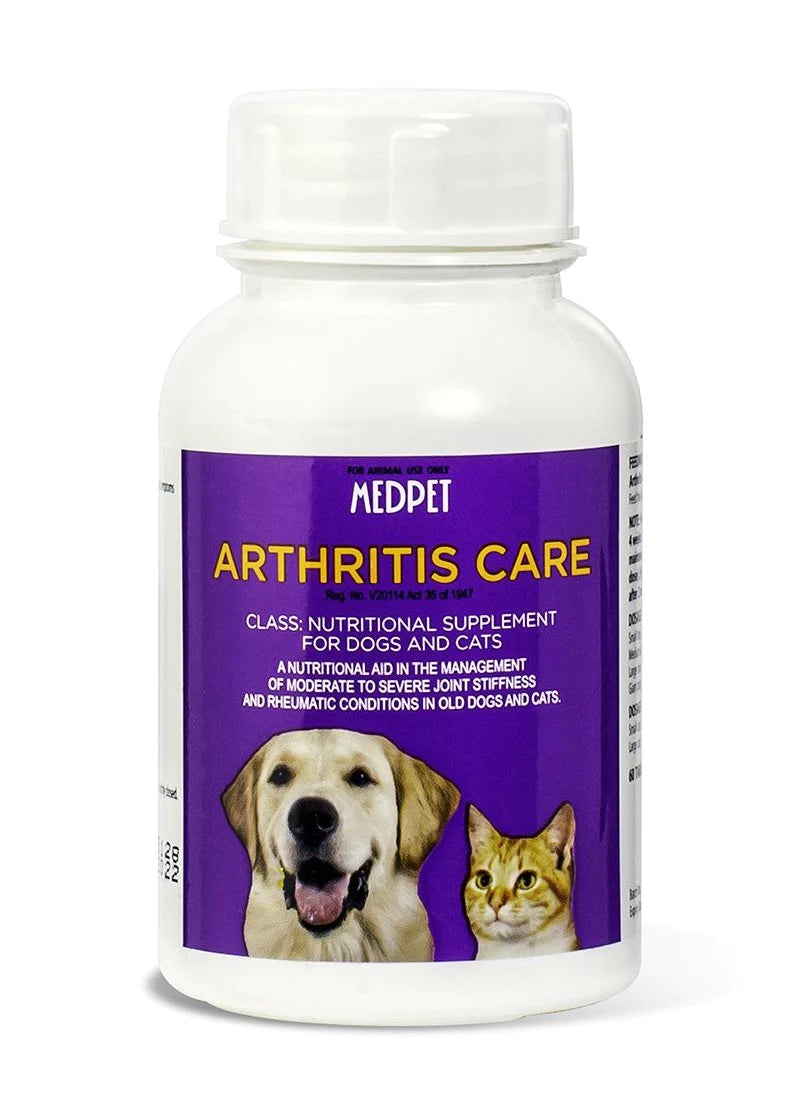
Joint Supplements: These are widely popular and often form the cornerstone of OTC arthritis management.
- Glucosamine and Chondroitin: These are natural components of healthy cartilage. Supplementation aims to help repair and maintain cartilage, as well as reduce inflammation. Products often combine both for synergistic effects.
- MSM (Methylsulfonylmethane): An organic sulfur compound believed to have anti-inflammatory and pain-relieving properties.
- Omega-3 Fatty Acids (EPA & DHA): Derived from fish oil, these fatty acids are potent natural anti-inflammatories. They can help reduce joint pain and stiffness by modulating the body’s inflammatory response. The dosage of EPA and DHA is key for therapeutic benefits.
- Green-Lipped Mussel (GLM): Rich in omega-3s, glycosaminoglycans, and other joint-supporting nutrients, GLM is recognized for its anti-inflammatory properties.
Topical Pain Relief:
- CBD (Cannabidiol) Topicals and Edibles: CBD products, available in various forms, have gained attention for their potential anti-inflammatory and pain-relieving effects. While research is ongoing, many owners report positive outcomes. It is crucial to choose third-party tested products with clear dosing instructions.
- Other Topical Creams: Some creams contain ingredients like menthol or capsaicin designed to provide localized pain relief, though their efficacy for deep joint pain in dogs can vary.
Herbal Remedies: Certain herbs are sometimes used for their anti-inflammatory properties, such as turmeric or boswellia. These should be introduced with caution and ideally under veterinary guidance.
Lifestyle Adjustments: These are critical for managing arthritis symptoms and complementing any OTC treatments.
- Weight Management: Maintaining an ideal body weight is paramount to reduce stress on arthritic joints. A veterinarian can help determine an appropriate diet and portion sizes.
- Controlled Exercise: Regular, low-impact exercise, such as short, frequent walks or swimming, helps maintain muscle strength and joint flexibility without overstressing the joints. High-impact activities should be avoided.
- Comfortable Environment: Providing orthopedic beds, elevated food and water bowls, and ramps or steps to assist with getting onto furniture or into vehicles can significantly improve a dog’s comfort and mobility at home.
- Warmth: Applying warm compresses or providing a heated bed can help soothe stiff joints.
Selecting the most suitable over-the-counter arthritis medicine for dogs involves understanding the specific needs of the individual animal and often requires a trial-and-error approach under veterinary supervision.
When Professional Help May Be Needed
While over-the-counter arthritis medicines for dogs can offer valuable support, they are generally not a standalone solution for managing significant or progressive arthritis. Veterinary consultation is not just recommended but often essential for several reasons.
Firstly, an accurate diagnosis of arthritis is crucial. Many conditions can mimic arthritis symptoms, including neurological issues, infections, or even cancer. A veterinarian can perform a thorough physical examination, take X-rays, and conduct other diagnostic tests to confirm the diagnosis and rule out other potential problems. This ensures that the underlying cause of discomfort is correctly identified and treated.
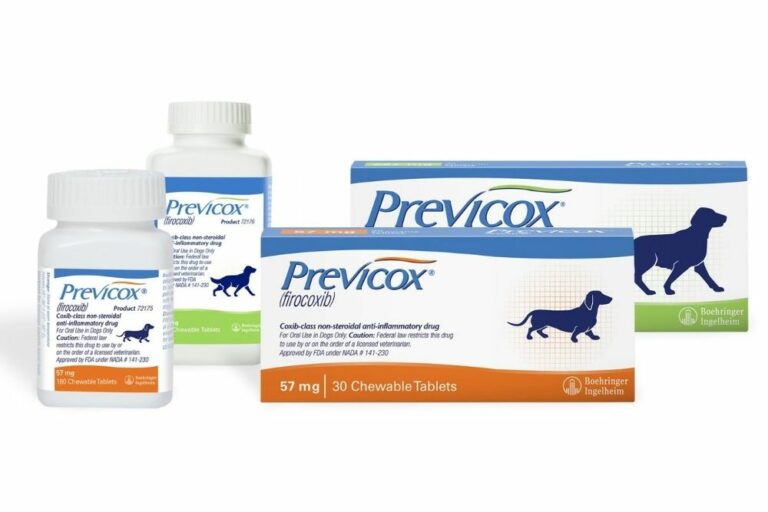
Secondly, a veterinarian can help develop a comprehensive pain management plan tailored to the individual dog’s needs and the severity of its arthritis. This plan may include prescription medications such as NSAIDs (Non-Steroidal Anti-Inflammatory Drugs), which are typically more potent than OTC options and are vital for acute pain or severe inflammation. These drugs require careful monitoring due to potential side effects, necessitating professional oversight.
Thirdly, veterinarians can advise on appropriate dosages and potential interactions between various supplements and medications. They can also recommend advanced therapies like therapeutic laser, acupuncture, physical rehabilitation, or even surgical options in severe cases. These interventions often go beyond what over-the-counter products can provide and can significantly improve a dog’s quality of life.
Dog owners should seek professional help if their dog exhibits sudden lameness, severe pain, loss of appetite, lethargy, or if over-the-counter remedies do not seem to be providing adequate relief. Regular check-ups are also important to monitor the progression of arthritis and adjust the treatment plan as needed. Responsible pet ownership always involves collaborating with a veterinary professional to ensure the best possible care.
Conclusion
Navigating the world of over-the-counter arthritis medicine for dogs can be a vital step in enhancing a canine companion’s comfort and mobility. The presence of arthritis can significantly impact a dog’s well-being, necessitating proactive and informed care from owners. Understanding the common causes, recognizing subtle symptoms, and exploring effective OTC solutions, such as joint supplements and appropriate lifestyle adjustments, forms the cornerstone of supportive care. While these options offer valuable assistance in managing symptoms, the importance of professional veterinary guidance cannot be overstated. A veterinarian provides accurate diagnosis, prescribes targeted treatments when necessary, and helps integrate OTC options into a holistic management plan. Consistent observation, a commitment to a healthy lifestyle, and timely professional consultation are key elements in ensuring that dogs affected by arthritis can continue to enjoy a fulfilling and active life, ultimately reinforcing the deep bond shared between pets and their human families.
Pet Care & Wellness Overview Table
| Life Stage | Daily Activity Level | Key Nutrition / Care Focus |
|---|---|---|
| Puppy / Kitten | High (frequent short bursts) | High-protein growth diet & early socialization |
| Adult Companion | Moderate (30–60 mins daily) | Balanced maintenance nutrition & dental hygiene |
| Senior Pets | Low to Gentle (mindful walks) | Joint support (Glucosamine) & routine vet checks |
Images References





For more expert pet care tips and advice, check out our dedicated Dog Health guides to keep your companions healthy and happy.


