

Introduction
The well-being of canine companions is a priority for their owners, and understanding common health challenges is crucial. Among these, ocular allergies can significantly impact a dog’s comfort and quality of life. When dogs experience red, itchy, or watery eyes, it often signals an allergic reaction, leading many owners to consider solutions like allergy eye drops for dogs. This category of treatment specifically addresses the symptoms of allergic conjunctivitis, a condition where the tissues surrounding the eye become inflamed due to exposure to allergens. Recognizing the signs and knowing the appropriate management strategies, including the proper use of these specialized drops, can greatly alleviate a dog’s discomfort and prevent more serious complications, ultimately improving their overall health and daily experience.
💡 Pet Care Key Takeaways:
- Core Focus: Practical health, nutrition, and wellness guidelines for Allergy Eye Drops For Dogs.
- Target Scope: Pet owners, animal caregivers, and veterinary support staff.
- Best Recommendation: Maintain consistent daily routines and consult an accredited veterinarian before introducing major diet or medical changes.
Common Causes and Key Factors
Canine allergic conjunctivitis, the condition often necessitating allergy eye drops for dogs, stems from various environmental and sometimes internal factors. One of the most prevalent causes involves environmental allergens. Dogs, much like humans, can react to pollen from trees, grasses, and weeds, leading to seasonal allergies. Dust mites, mold spores, and even components of household dander from other pets can trigger year-round symptoms. These microscopic particles become airborne and irritate the sensitive ocular tissues upon contact. For more related activities, check out our Breeds Susceptable To Diabetes.
Beyond airborne allergens, contact irritants play a significant role. Exposure to strong chemicals, perfumes, smoke, or certain grooming products can directly inflame a dog’s eyes. In some instances, food allergies or sensitivities, although primarily affecting the skin or gastrointestinal system, can manifest indirectly through generalized inflammation that exacerbates eye irritation. Furthermore, genetic predisposition is a key factor, with certain breeds like Golden Retrievers, Labrador Retrievers, Boxers, and various terrier breeds exhibiting a higher likelihood of developing allergies. Understanding these diverse triggers is the first step toward effective management.
Signs and Symptoms to Observe
Identifying the signs of allergic eye irritation in dogs is essential for prompt intervention and considering appropriate treatments like allergy eye drops for dogs. The most common indicator is redness of the conjunctiva, the pink membranes lining the eyelids and covering the white part of the eye. This redness often accompanies swelling around the eyelids or the eyes themselves, making them appear puffy.
Affected dogs frequently exhibit excessive tearing, producing clear, watery discharge known as epiphora. This discharge differs from the thicker, pus-like secretions that typically signal a bacterial infection. A dog suffering from allergies might also squint or hold its eyes partially closed as a response to discomfort or light sensitivity (photophobia). Furthermore, persistent paw rubbing or scratching at the eyes is a tell-tale sign of itchiness, a primary symptom of allergic reactions. While these signs are typical, it is important to note that very young or elderly dogs, or those with underlying conditions, might display symptoms with varying intensity. Persistent or severe symptoms warrant veterinary attention to rule out other serious eye conditions.
Practical Solutions and Management Strategies
Managing canine eye allergies involves a multi-faceted approach, often incorporating environmental controls alongside the use of allergy eye drops for dogs. Environmental management is crucial; this includes regular cleaning of the home to reduce dust mites, using air purifiers, and washing a dogs bedding frequently. After outdoor excursions, wiping a dog’s paws and fur can remove clinging pollen, minimizing allergen transfer indoors. Avoiding exposure to known irritants like smoke or strong cleaning agents is also paramount.
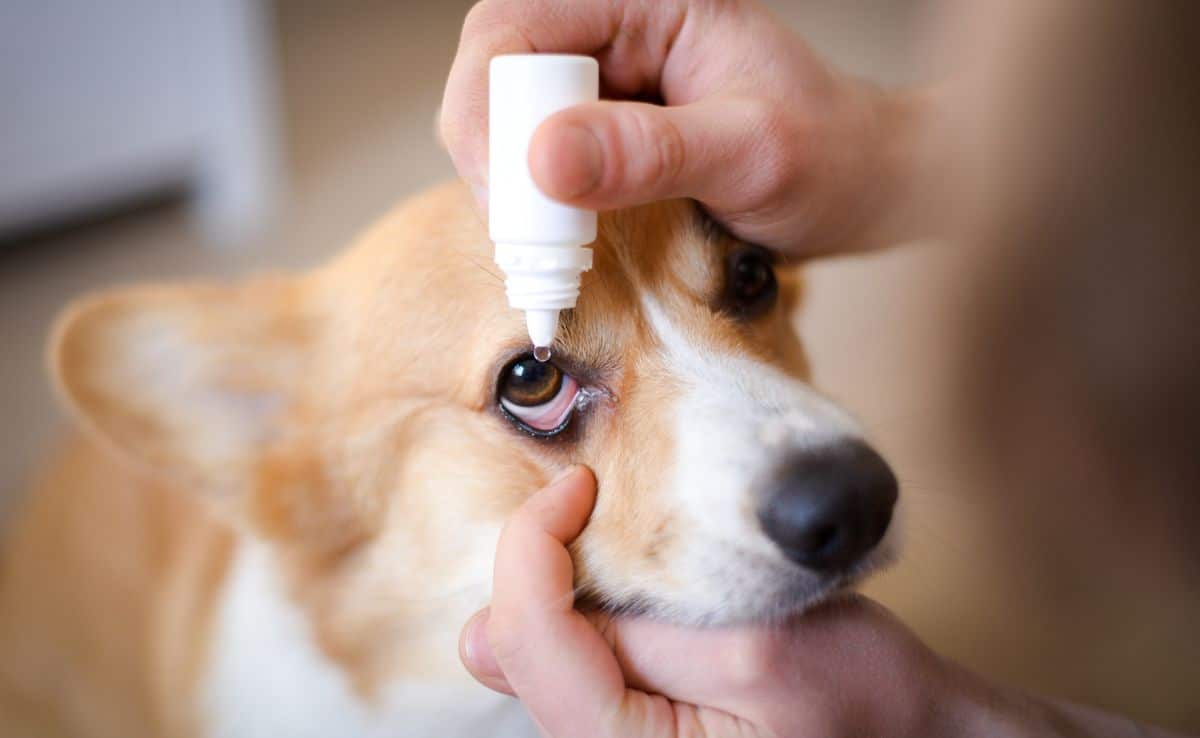
For immediate relief and as part of a veterinarian-approved plan, at-home eye care may involve gently rinsing the eyes with sterile saline solution to flush out irritants, or applying a warm compress to soothe inflamed tissues. However, the cornerstone of direct treatment often lies with veterinary-prescribed allergy eye drops. These can include antihistamine drops to block allergic responses, corticosteroid drops to reduce inflammation (used cautiously and short-term due to potential side effects), or immunosuppressant drops for more chronic, severe conditions. Lubricating eye drops can also provide comfort and help flush allergens. Beyond topical solutions, systemic treatments such as oral antihistamines, fatty acid supplements, or even allergy shots (immunotherapy) may be recommended by a veterinarian to address the underlying allergy. When administering drops, a calm approach, clean hands, and proper techniquegently pulling down the lower lid and applying the drop without touching the eyeare essential for effectiveness and to minimize stress for the dog.
When Professional Help May Be Needed
While dog owners can implement various supportive measures for mild eye irritation, recognizing when professional veterinary help is needed is critical for effective and safe treatment, especially regarding allergy eye drops for dogs. Veterinary consultation is imperative if eye symptoms are persistent, worsening, or severe, as this could indicate an underlying condition more serious than simple allergies.
Any signs of pain, intense squinting, or holding the eye shut are red flags that warrant immediate veterinary attention. The presence of thick, yellow, or green discharge is a strong indicator of a secondary bacterial infection, which requires specific antibiotic treatment, not just allergy drops. Other concerning symptoms include cloudiness of the eye, visible injury, a foreign body in the eye, or any noticeable changes in vision. A veterinarian can perform a thorough examination, including specialized tests, to accurately diagnose the cause of the eye irritation, differentiate between allergic conjunctivitis and other conditions like dry eye, corneal ulcers, or glaucoma, and prescribe the most appropriate and safe treatment plan, which may include specific prescription-strength allergy eye drops for dogs. Relying solely on over-the-counter products without a proper diagnosis can delay critical treatment and potentially worsen the condition.
Conclusion
Understanding and addressing canine eye allergies is an integral part of responsible dog ownership. The presence of red, itchy, or watery eyes often signals an allergic reaction that can significantly affect a dog’s comfort and daily life. Recognizing the diverse causes, from environmental allergens to genetic predispositions, empowers owners to take proactive steps in managing their dog’s environment. Observing specific signs and symptoms, such as excessive tearing, paw rubbing, or redness, enables timely intervention. While environmental controls and basic at-home care provide a foundation, the role of veterinarian-prescribed allergy eye drops for dogs is often pivotal in alleviating discomfort and controlling inflammation. It is crucial to remember that persistent or severe symptoms, or any indication of pain or infection, necessitates immediate professional veterinary assessment. Prioritizing accurate diagnosis and appropriate treatment ensures the long-term health and happiness of canine companions, allowing them to enjoy a life free from ocular discomfort.
Pet Care & Wellness Overview Table
| Life Stage | Daily Activity Level | Key Nutrition / Care Focus |
|---|---|---|
| Puppy / Kitten | High (frequent short bursts) | High-protein growth diet & early socialization |
| Adult Companion | Moderate (30–60 mins daily) | Balanced maintenance nutrition & dental hygiene |
| Senior Pets | Low to Gentle (mindful walks) | Joint support (Glucosamine) & routine vet checks |
Images References




For more expert pet care tips and advice, check out our dedicated Dog Health guides to keep your companions healthy and happy.


