
Introduction
Maintaining optimal skin and coat health is fundamental to a dog’s overall well-being, comfort, and appearance. When a dog experiences issues such as dryness, excessive itching, shedding, or a dull coat, it can indicate an underlying imbalance or deficiency. Addressing these concerns often involves a multi-faceted approach, and for many pet owners, exploring the best skin supplements for dogs becomes a crucial step. Understanding how these supplements work, what ingredients are most beneficial, and when to incorporate them into a canine’s routine can significantly improve dermal health, reduce discomfort, and enhance the luster of a dog’s coat, contributing positively to their quality of life.
💡 Pet Care Key Takeaways:
- Core Focus: Practical health, nutrition, and wellness guidelines for Best Skin Supplements For Dogs.
- Target Scope: Pet owners, animal caregivers, and veterinary support staff.
- Best Recommendation: Maintain consistent daily routines and consult an accredited veterinarian before introducing major diet or medical changes.
Common Causes and Key Factors
Various factors contribute to compromised skin and coat health in dogs, making the consideration of skin supplements relevant. One primary cause involves dietary deficiencies, particularly a lack of essential fatty acids such as Omega-3 and Omega-6, which are vital for maintaining the skin’s barrier function and reducing inflammation. Insufficient levels of certain vitamins (like Vitamin E and Biotin) and minerals (such as Zinc) can also manifest as poor skin and coat condition. For more related activities, check out our Natural Remedies For Fluid Retention In Dogs Australia.
Environmental factors play a significant role. Exposure to allergens like pollen, dust mites, or certain grasses can trigger allergic reactions, leading to irritated skin. Dry indoor air, especially during colder months, can dehydrate a dog’s skin, resulting in flakiness. Over-bathing with harsh shampoos can strip natural oils, exacerbating dryness and irritation.
Allergies, whether food-related or environmental (atopic dermatitis), are another widespread cause of skin problems. These conditions often lead to chronic itching, inflammation, and secondary infections. While supplements do not cure allergies, they can provide supportive care by strengthening the skin barrier and modulating inflammatory responses. Furthermore, genetic predispositions mean certain breeds are inherently more prone to specific dermatological issues, and factors such as age can influence skin health, with puppies sometimes experiencing transient flakiness and older dogs potentially developing drier, less elastic skin.
Signs and Symptoms to Observe
Observing a dog for signs of skin and coat issues is essential for timely intervention. The most prominent visible signs often include dry, flaky skin, excessive dandruff, redness or inflammation, and the appearance of rashes or bumps. Hair loss (alopecia), particularly in patches, or a generally dull, brittle coat lacking its natural shine are also strong indicators. In some cases, “hot spots”red, moist, irritated lesions that can develop rapidlysignal intense scratching or licking.
Behavioral indicators provide further clues. Dogs experiencing skin discomfort frequently engage in excessive scratching, licking, or chewing, often targeting specific areas like their paws, flanks, tail base, or inner thighs. Rubbing against furniture or carpets more than usual can also be a sign of persistent itching. If ear scratching and head shaking are prevalent, it might suggest an ear infection or irritation related to broader skin allergies. The presentation of these signs can vary; for instance, short-haired breeds may exhibit redness more obviously, while long-haired breeds might hide skin issues beneath their dense coats until the problem becomes advanced. Puppies might show mild flakiness as their skin develops, contrasting with older dogs who may develop more chronic dry skin. Environmental triggers can lead to seasonal variations in symptom severity.
Practical Solutions and Management Strategies
Addressing skin and coat concerns in dogs often involves a blend of dietary support, environmental adjustments, and proper grooming, with best skin supplements for dogs playing a significant role. Supplementation aims to fortify the skin from within, promoting healing and resilience.
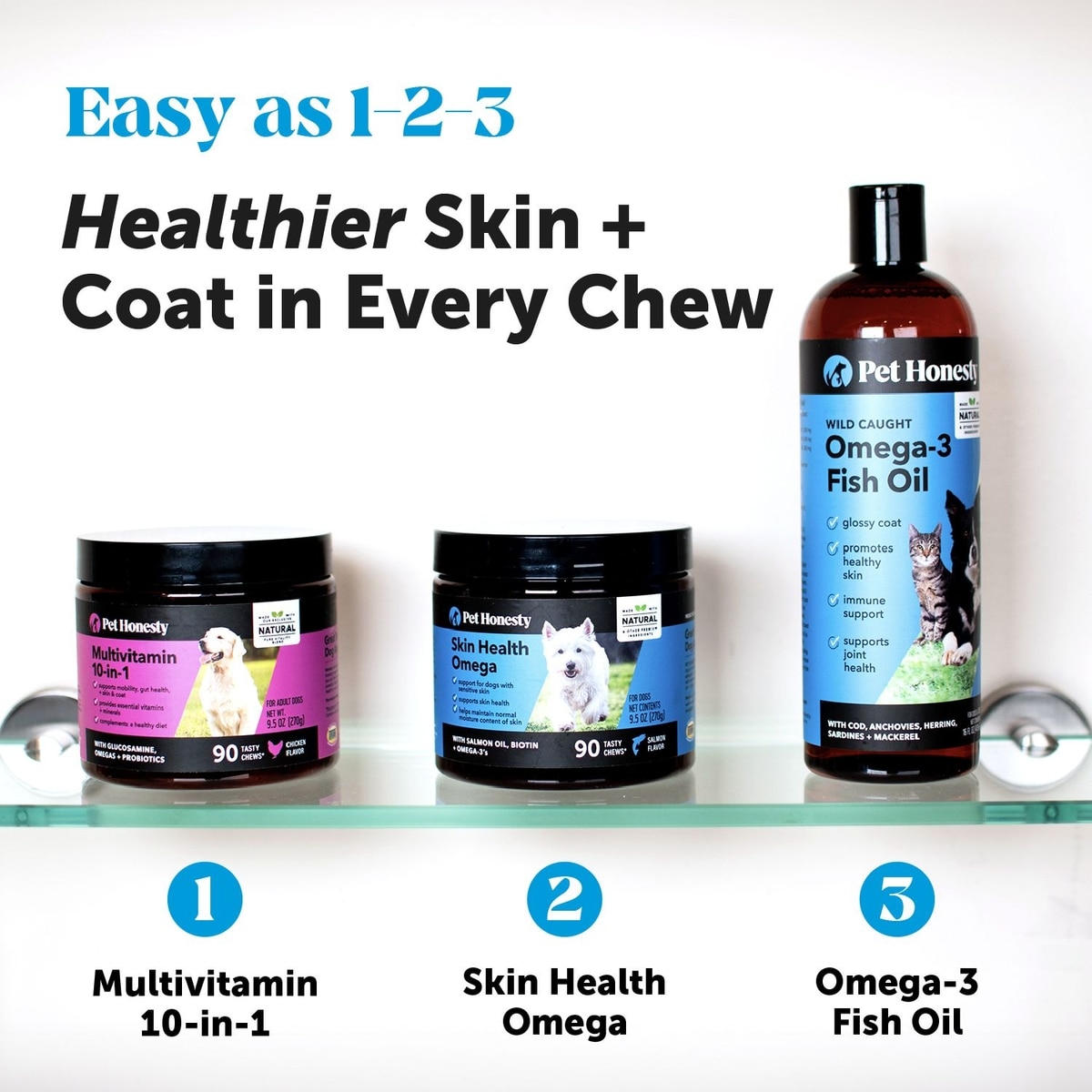
Omega-3 Fatty Acids are foundational for skin health. Sourced from fish oil, krill oil, or algal oil, EPA (eicosapentaenoic acid) and DHA (docosahexaenoic acid) are potent anti-inflammatory agents. They help strengthen the skin’s natural barrier, reduce itching and redness, and improve coat luster. When selecting an Omega-3 supplement, prioritize products that have undergone third-party testing for purity and potency, ensuring they are free from heavy metals and contaminants.
Other beneficial supplements include Vitamin E, a powerful antioxidant that protects skin cells from damage and supports healing. Biotin (Vitamin B7) is crucial for healthy hair and skin growth, often recommended for brittle coats and excessive shedding. Zinc is another essential mineral supporting immune function and wound healing, vital for maintaining healthy skin. Some formulations may also include probiotics, as a healthy gut microbiome is increasingly linked to skin health.
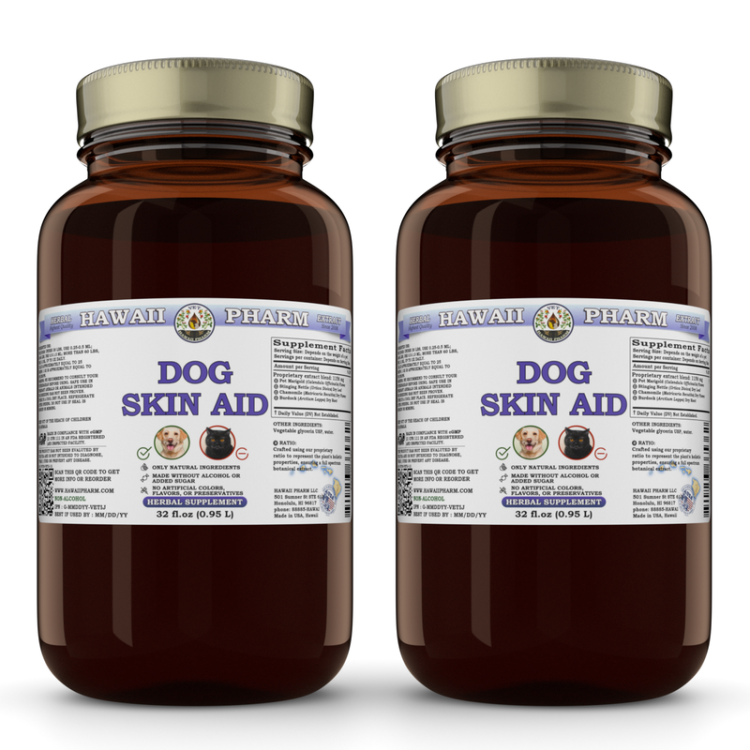
When choosing the best skin supplements for dogs, consider the dog’s specific needs, breed, and any existing health conditions. Look for supplements from reputable brands that provide clear ingredient lists, dosage instructions, and ideally, have positive veterinary endorsements. Supplements come in various forms, including palatable chews, liquids, and capsules, allowing for easier administration.
Beyond supplements, a holistic approach includes feeding a high-quality, balanced diet rich in whole ingredients. Regular, appropriate grooming with hypoallergenic or oatmeal-based shampoos can help maintain skin cleanliness without stripping natural oils. Ensuring consistent access to fresh water supports overall hydration, which is vital for skin health. If specific allergens are identified, minimizing exposure to those triggers can also significantly alleviate symptoms.
When Professional Help May Be Needed
While supplements can offer significant support for canine skin health, recognizing when veterinary intervention is necessary remains crucial. If skin issues persist, worsen, or do not respond to appropriate home care and supplementation within a reasonable timeframe (typically a few weeks), a professional consultation is warranted.
Signs that necessitate a vet visit include the sudden onset of severe irritation, the development of open sores, a foul odor emanating from the skin, or any indications of secondary bacterial or yeast infections. If a dog exhibits systemic signs of illness alongside skin problems, such as lethargy, loss of appetite, or fever, immediate veterinary attention is essential to rule out more serious underlying health conditions.
A veterinarian can provide an accurate diagnosis for persistent skin problems, which might stem from allergies, parasitic infestations (fleas, mites), fungal infections, or hormonal imbalances (like hypothyroidism). They can recommend specific diagnostic tests, prescribe appropriate medications, or suggest specialized diets. Furthermore, a vet can offer tailored advice on the best skin supplements for dogs, ensuring the chosen products are safe, effective, and do not interact negatively with any other medications or pre-existing conditions. Professional guidance helps create a comprehensive treatment plan that addresses the root cause of the skin issue while supporting overall canine health.
Conclusion
Ensuring a dog’s skin and coat remain healthy is a vital aspect of responsible pet ownership, directly impacting their comfort and overall vitality. Understanding the potential causes of skin issues, observing key signs, and implementing a thoughtful management strategy are crucial steps. Incorporating the best skin supplements for dogs, particularly those rich in Omega-3 fatty acids, essential vitamins, and minerals, can play a significant role in fortifying the skin’s barrier, reducing inflammation, and promoting a lustrous coat. However, these supplements work most effectively as part of a holistic approach that includes a high-quality diet, proper grooming, and environmental management. Maintaining awareness of a dog’s health and not hesitating to seek professional veterinary advice when symptoms are persistent or severe ensures that canine companions receive the comprehensive care needed to thrive with healthy, happy skin.
Pet Care & Wellness Overview Table
| Life Stage | Daily Activity Level | Key Nutrition / Care Focus |
|---|---|---|
| Puppy / Kitten | High (frequent short bursts) | High-protein growth diet & early socialization |
| Adult Companion | Moderate (30–60 mins daily) | Balanced maintenance nutrition & dental hygiene |
| Senior Pets | Low to Gentle (mindful walks) | Joint support (Glucosamine) & routine vet checks |
Images References



For more expert pet care tips and advice, check out our dedicated Dog Health guides to keep your companions healthy and happy.




