Introduction
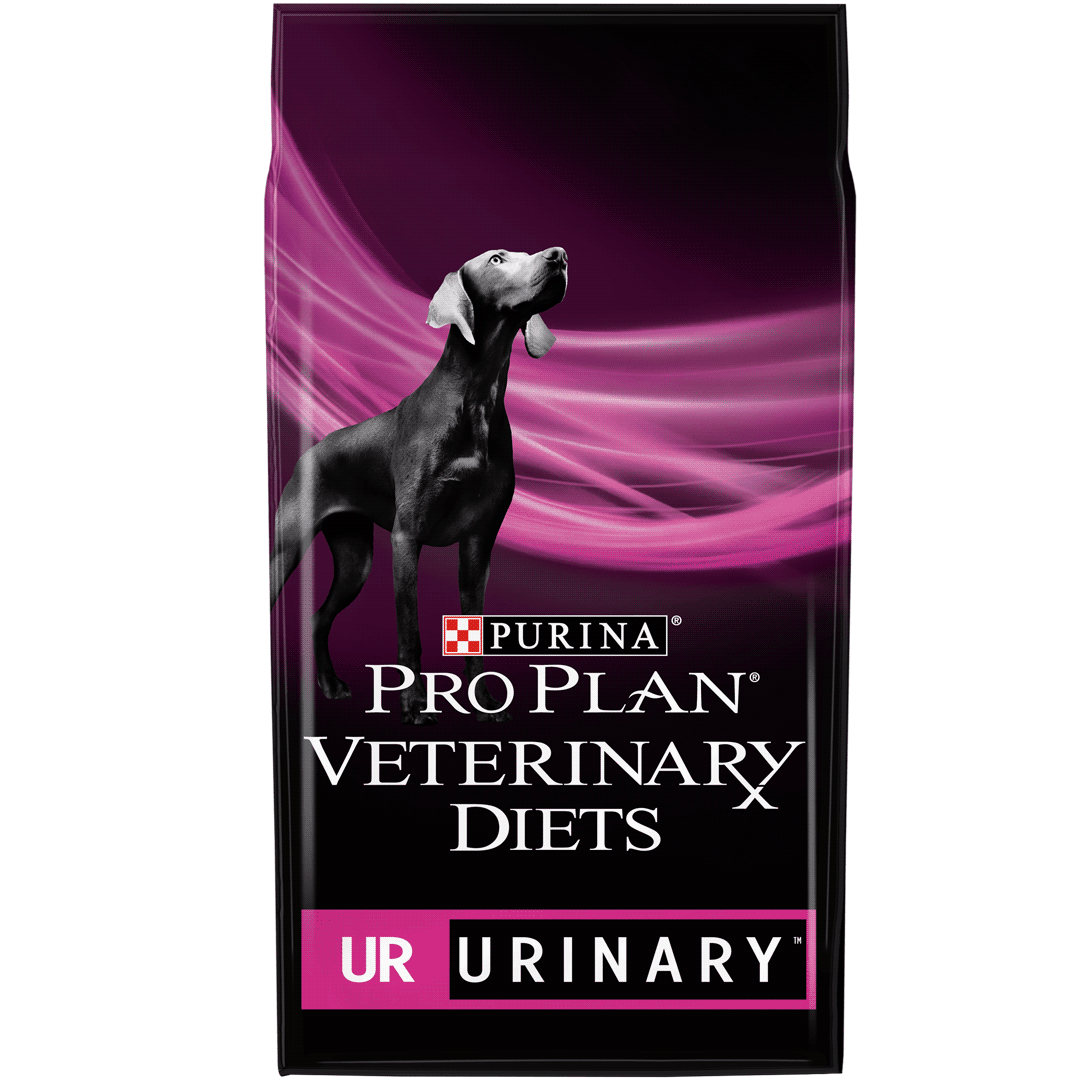
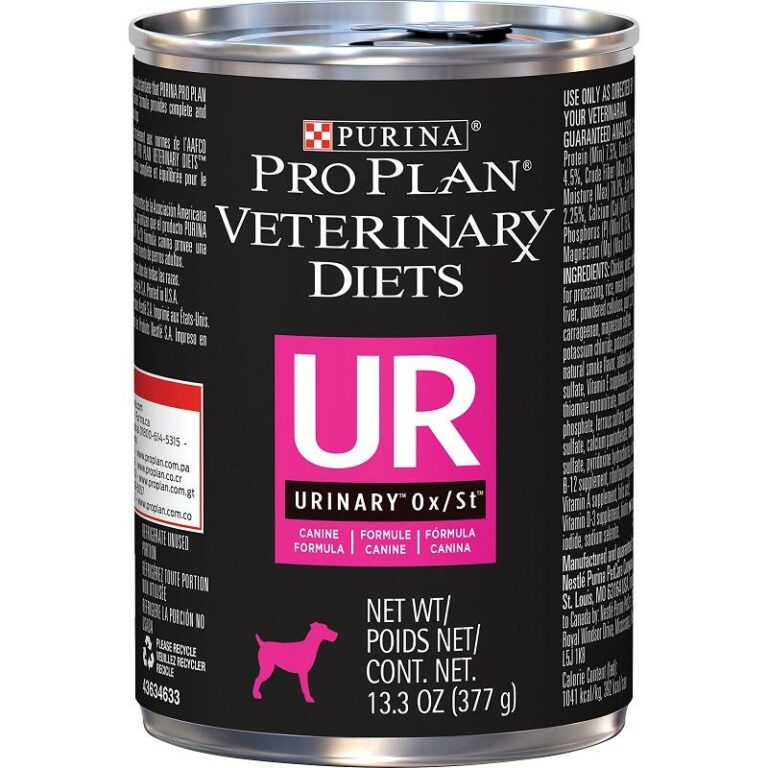
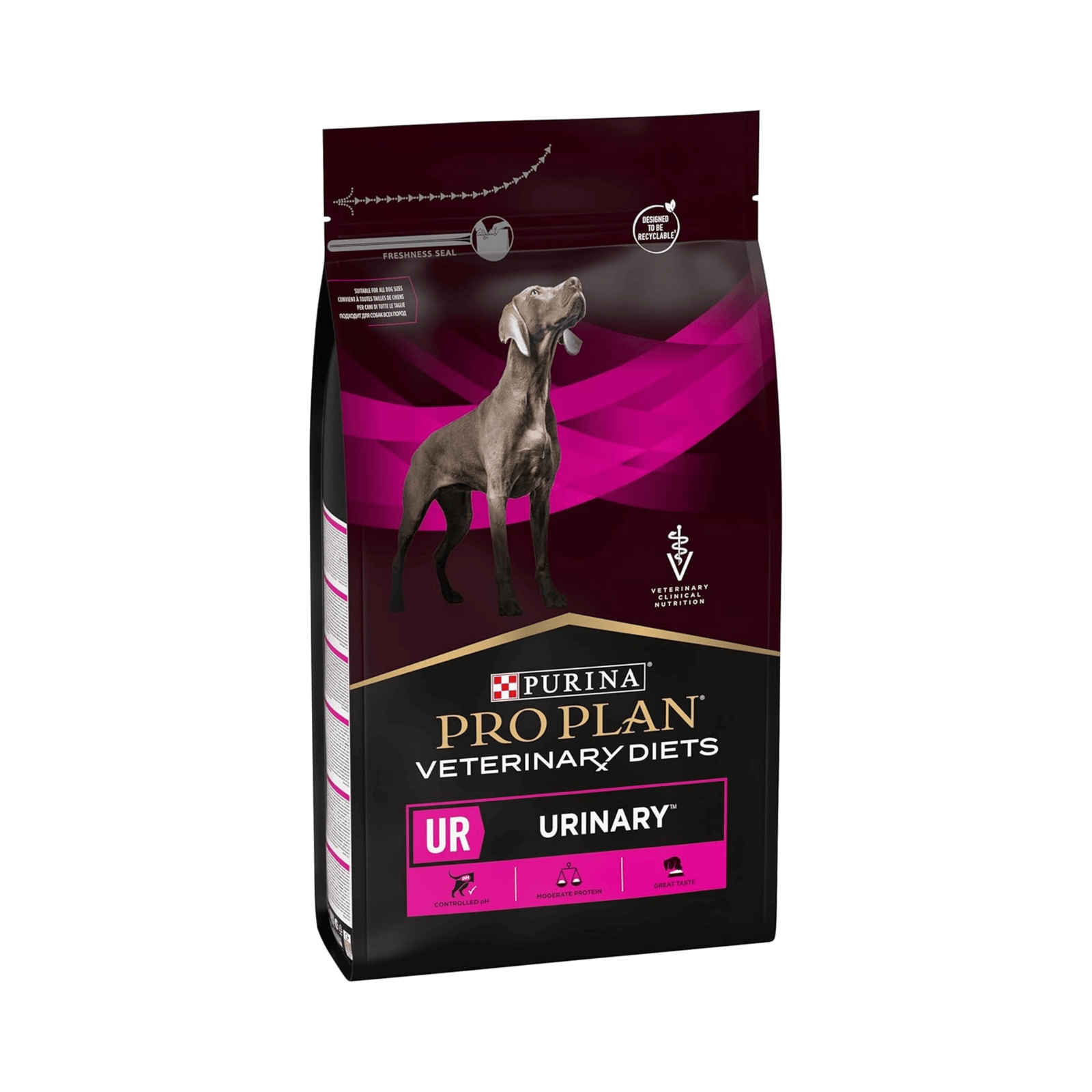
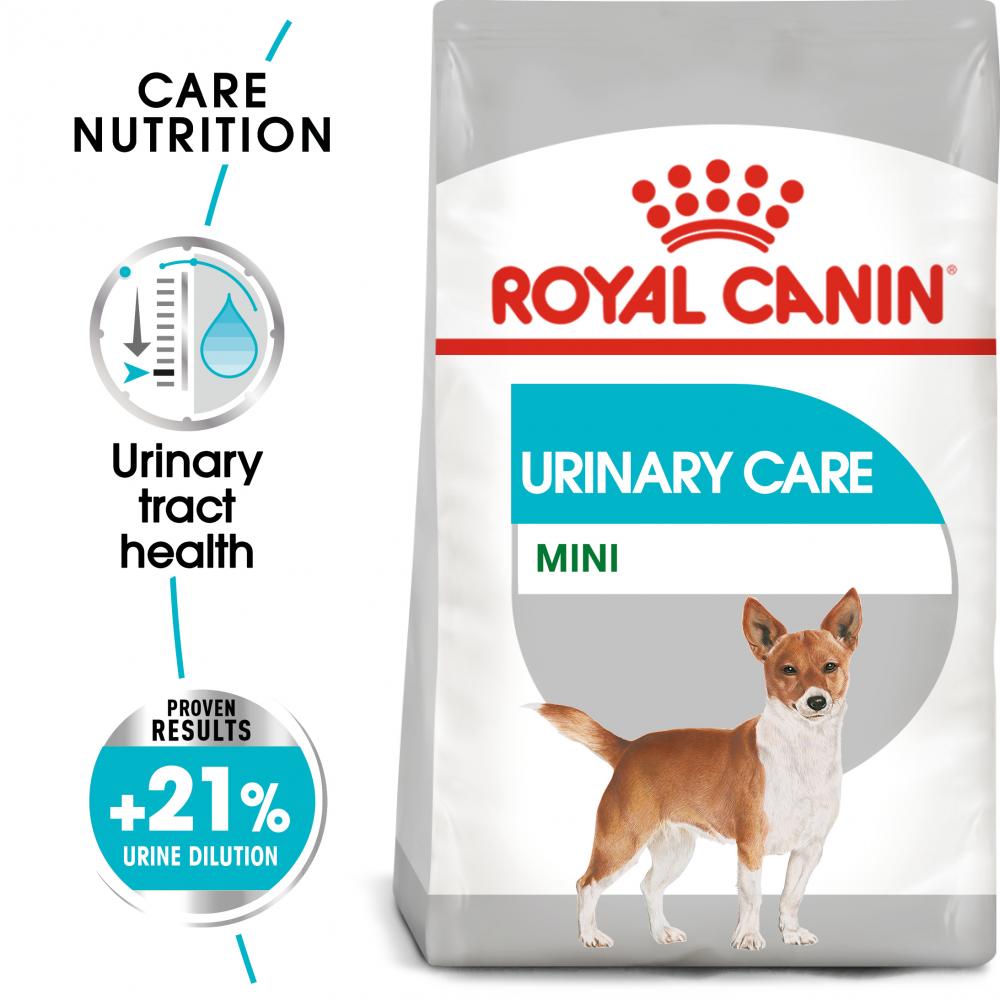
Maintaining a dog’s health requires attention to many aspects of care, with nutrition standing as a fundamental pillar. Among specialized dietary approaches, a urinary diet for dogs plays a crucial role in managing and preventing various urinary tract conditions. This specialized nutritional strategy involves carefully formulated foods designed to support bladder health, dissolve existing urinary stones, or prevent their recurrence. Issues such as bladder stones (urolithiasis) and recurring urinary tract infections (UTIs) are common concerns that often necessitate dietary intervention. Understanding when and why a dog might need a urinary diet can significantly improve its comfort, reduce pain, and enhance its overall well-being and quality of life. For many canine companions, a tailored urinary diet is not merely a preference but a vital component of long-term health management. Explore more in our Dog Health collection.
💡 Pet Care Key Takeaways:
- Core Focus: Practical health, nutrition, and wellness guidelines for Urinary Diet For Dogs.
- Target Scope: Pet owners, animal caregivers, and veterinary support staff.
- Best Recommendation: Maintain consistent daily routines and consult an accredited veterinarian before introducing major diet or medical changes.
Common Causes and Key Factors
Various factors contribute to the development of urinary tract issues in dogs, often making a specific urinary diet an essential part of treatment. One primary cause involves the formation of urinary stones, or uroliths, which typically arise from an accumulation of minerals within the bladder. Common types include struvite stones and calcium oxalate stones, each influenced by different dietary and physiological factors. Struvite stones often develop in alkaline urine and can be exacerbated by certain mineral imbalances, particularly magnesium, ammonium, and phosphate. Conversely, calcium oxalate stones tend to form in acidic urine and are linked to elevated calcium levels. For more related activities, check out our Sick Pug At Veterinarian.
Beyond mineral content, a dog’s genetics can predispose certain breeds to specific types of stones; for example, Dalmatians are known for urate stones, while Miniature Schnauzers have a higher incidence of struvite and calcium oxalate stones. Inadequate hydration is another critical factor, as insufficient water intake leads to more concentrated urine, increasing the likelihood of crystal formation. Furthermore, bacterial urinary tract infections can alter urine pH and create an environment conducive to stone development. Age, sex, and even a dog’s weight can also play roles, with older dogs and females often experiencing a higher frequency of UTIs. Addressing these underlying causes through diet aims to create an environment hostile to stone formation and conducive to urinary tract health. Discover more free resources across our collection library.
Signs and Symptoms to Observe
Recognizing the signs and symptoms of urinary tract problems is crucial for timely intervention and for determining if a urinary diet might be necessary. Owners should remain vigilant for changes in their dog’s urination habits and general demeanor. A common indicator is increased frequency of urination, known as pollakiuria, where a dog attempts to urinate more often than usual, often producing only small amounts. Straining to urinate, or stranguria, is another significant sign, often accompanied by visible discomfort or crying during attempts.
Blood in the urine, medically termed hematuria, is a serious symptom that warrants immediate attention. Dogs might also exhibit inappropriate urination, having accidents inside the house despite being house-trained, which can signal pain or an inability to hold urine. Excessive licking of the genital area, lethargy, a decreased appetite, or changes in urine color or odor can also point to urinary issues. In some cases, a dog might appear restless or have difficulty finding a comfortable position due to abdominal pain. Observing these indicators promptly allows for veterinary consultation and the potential implementation of a tailored urinary diet to alleviate discomfort and address the underlying problem.
Practical Solutions and Management Strategies
Managing urinary tract conditions often involves a multi-faceted approach, with a specialized urinary diet being a cornerstone of treatment. Prescription urinary diets are scientifically formulated to address specific issues. For instance, diets designed to dissolve struvite stones typically feature controlled levels of magnesium, phosphorus, and protein, alongside ingredients that promote acidic urine. Conversely, diets aimed at preventing calcium oxalate stones often restrict calcium and oxalate, while promoting a neutral to slightly alkaline urine pH. Many of these specialized foods also contain high moisture content and ingredients to encourage increased water intake, diluting urine and making it less conducive to crystal formation.
Beyond the specific food, increasing a dog’s overall water intake is paramount. Encouraging water consumption through water fountains, offering wet food, or adding water to kibble can significantly help flush the urinary system. Establishing a consistent feeding schedule, rather than free-feeding, can help regulate urine pH throughout the day. Maintaining a healthy weight through appropriate diet and exercise is also beneficial, as obesity can exacerbate some urinary conditions. Regular potty breaks are essential to prevent urine retention, which can contribute to bacterial growth and stone formation. Environmental enrichment and stress reduction also play a role in overall health, indirectly supporting a healthy urinary system.
When Professional Help May Be Needed
While observation and proactive care are vital, there are clear situations where professional veterinary help is indispensable for dogs exhibiting urinary issues. Any persistent or worsening symptoms, such as continued straining to urinate, visible blood in the urine, or a complete inability to pass urine, necessitate immediate veterinary attention. These signs could indicate a urinary obstruction, which is a life-threatening emergency. Recurrent urinary tract infections or the return of symptoms after an initial course of treatment also warrant a professional re-evaluation.
A veterinarian can perform diagnostic tests, including urinalysis, urine culture, X-rays, or ultrasound, to accurately identify the type of stone, confirm the presence of an infection, or rule out other underlying conditions. Based on this diagnosis, a tailored treatment plan, including the selection of the most appropriate prescription urinary diet, can be formulated. Professional guidance ensures the chosen diet effectively addresses the specific urinary condition, monitors progress, and adjusts the plan as needed. Attempting to diagnose or treat complex urinary issues solely with over-the-counter diets without veterinary oversight can delay proper treatment and potentially worsen a dog’s condition.
Conclusion
The importance of a urinary diet for dogs in maintaining robust urinary tract health cannot be overstated. From dissolving existing stones to preventing future formations, specialized nutrition plays a critical role in mitigating discomfort and serious health risks. Awareness of common causes, such as mineral imbalances and hydration levels, empowers owners to understand the necessity of dietary adjustments. Vigilant observation of signs and symptoms, ranging from increased urination frequency to blood in the urine, ensures that potential problems are identified early.
Implementing practical solutions, including specific prescription diets, increased water intake, and responsible weight management, forms the backbone of effective management strategies. Ultimately, collaborating with a veterinary professional is paramount for accurate diagnosis, tailored dietary recommendations, and ongoing monitoring. Prioritizing a dog’s urinary health through informed choices and consistent care significantly contributes to its comfort, vitality, and longevity, reinforcing the commitment to comprehensive pet well-being championed by petsanimalsworld.com.
Pet Care & Wellness Overview Table
| Life Stage | Daily Activity Level | Key Nutrition / Care Focus |
|---|---|---|
| Puppy / Kitten | High (frequent short bursts) | High-protein growth diet & early socialization |
| Adult Companion | Moderate (30–60 mins daily) | Balanced maintenance nutrition & dental hygiene |
| Senior Pets | Low to Gentle (mindful walks) | Joint support (Glucosamine) & routine vet checks |
Images References