
Introduction
The health and vitality of an Australian Shepherd are paramount for responsible pet owners. These highly intelligent, active, and loyal dogs often possess boundless energy and a zest for life that demands robust nutritional support. While a high-quality, balanced diet forms the cornerstone of canine health, there are instances when additional nutritional support becomes beneficial. Understanding the best supplements for Australian Shepherds involves recognizing their specific breed characteristics, activity levels, and potential predispositions to certain health issues. Thoughtfully chosen supplements can play a crucial role in filling nutritional gaps, supporting optimal bodily functions, and addressing particular health concerns, ultimately enhancing an Australian Shepherd’s overall well-being, energy levels, and long-term quality of life. This proactive approach to nutrition helps ensure these cherished companions can thrive and continue to enjoy their active lifestyles.
💡 Pet Care Key Takeaways:
- Core Focus: Practical health, nutrition, and wellness guidelines for Best Supplements For Australian Shepherds.
- Target Scope: Pet owners, animal caregivers, and veterinary support staff.
- Best Recommendation: Maintain consistent daily routines and consult an accredited veterinarian before introducing major diet or medical changes.
Common Causes and Key Factors
Several factors contribute to why supplements might be considered for Australian Shepherds, extending beyond the basic provisions of a standard diet. A primary cause can be the inherent nutritional variations even in premium commercial dog foods, which may not always meet the unique, individual requirements of every dog. Furthermore, an Australian Shepherd’s high energy and active lifestyle demand more from its joints, muscles, and metabolic systems, often necessitating extra support that goes beyond everyday meals. For more related activities, check out our Pitbullnutrition.
Age is another significant factor. Growing puppies may benefit from specific nutrients for bone and joint development, while senior Australian Shepherds often require additional support for cognitive function, joint mobility, and overall vitality as their bodies naturally begin to slow. Breed-specific predispositions also play a role; Australian Shepherds can be prone to certain conditions such as hip and elbow dysplasia, as well as some eye conditions, making preventative or supportive supplementation a consideration. Environmental stressors, including allergens or seasonal changes, can impact skin and coat health, creating a need for targeted nutritional intervention. In cases of specific health challenges, such as digestive sensitivities or immune system weaknesses, a veterinarian might recommend particular supplements to support recovery or ongoing management.
Signs and Symptoms to Observe
Observing subtle changes in an Australian Shepherd’s health and behavior can indicate a potential need for dietary adjustments or supplementation. Awareness of these signs allows for timely intervention and appropriate care.
One of the most common indicators relates to mobility. Signs such as stiffness, limping, reluctance to jump or climb stairs, difficulty rising after rest, or a general decrease in activity levels can suggest joint discomfort and signal a need for joint-supporting supplements. Changes in skin and coat health are also readily observable. A dull, dry, flaky coat, excessive shedding unrelated to seasonal changes, persistent itching, or hot spots may point to deficiencies in essential fatty acids or other skin-benefiting nutrients.
Digestive upset, including frequent loose stools, excessive gas, or changes in appetite, can suggest an imbalance in gut flora or a need for digestive support. For older Australian Shepherds, cognitive changes such as disorientation, staring blankly, altered sleep-wake cycles, or reduced interaction can indicate declining brain function that may benefit from cognitive support supplements. Unexplained lethargy or a noticeable decrease in energy without an obvious medical cause could also be a symptom of a nutritional gap. While these signs do not exclusively point to a need for supplements, they certainly warrant further investigation and discussion with a veterinary professional.
Practical Solutions and Management Strategies
When considering the best supplements for Australian Shepherds, a structured approach focusing on specific areas of health is most effective. The selection of supplements should always be guided by a veterinarians assessment of the dog’s individual needs and health status.
Joint Support: For a highly active breed prone to joint issues, supplements containing glucosamine, chondroitin, and methylsulfonylmethane (MSM) are frequently recommended. These compounds support cartilage health, reduce inflammation, and improve joint lubrication. Green-lipped mussel is another effective ingredient known for its anti-inflammatory properties and joint-supportive nutrients.
Skin and Coat Health: Omega-3 fatty acids, particularly EPA and DHA found in fish oil or krill oil, are vital for maintaining a healthy, shiny coat and supple skin. These essential fats also possess anti-inflammatory benefits that can alleviate itching and reduce the severity of allergic reactions. Biotin, a B vitamin, is also beneficial for strengthening hair follicles and improving coat quality.
Digestive Health: Probiotics and prebiotics are excellent for maintaining a balanced gut microbiome, which is crucial for nutrient absorption and immune function. Probiotic supplements introduce beneficial bacteria, while prebiotics feed these bacteria, promoting a healthy digestive system. Digestive enzymes can also be helpful for dogs with sensitivities or issues breaking down food.
Cognitive Function: For aging Australian Shepherds, supplements rich in antioxidants, such as Vitamin E and C, along with Omega-3 fatty acids (specifically DHA), can support brain health and potentially slow cognitive decline. Medium-chain triglycerides (MCTs) found in coconut oil are also gaining recognition for their cognitive benefits.
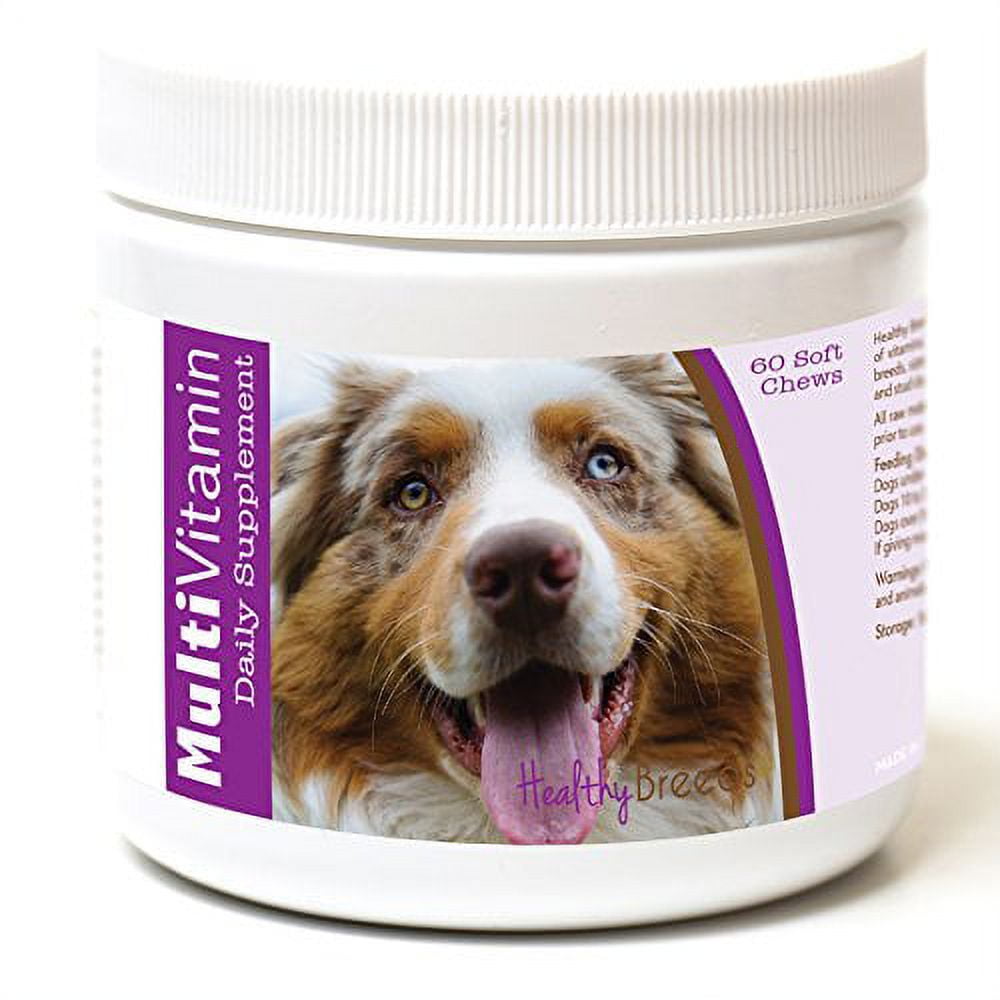
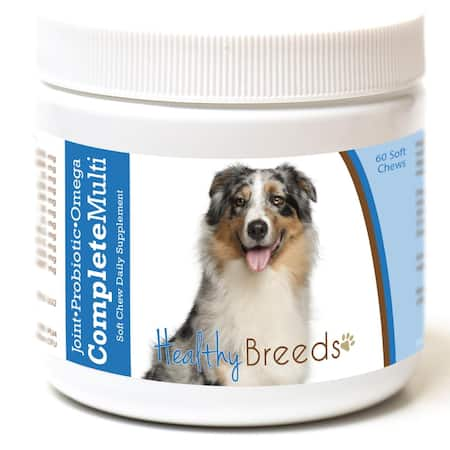
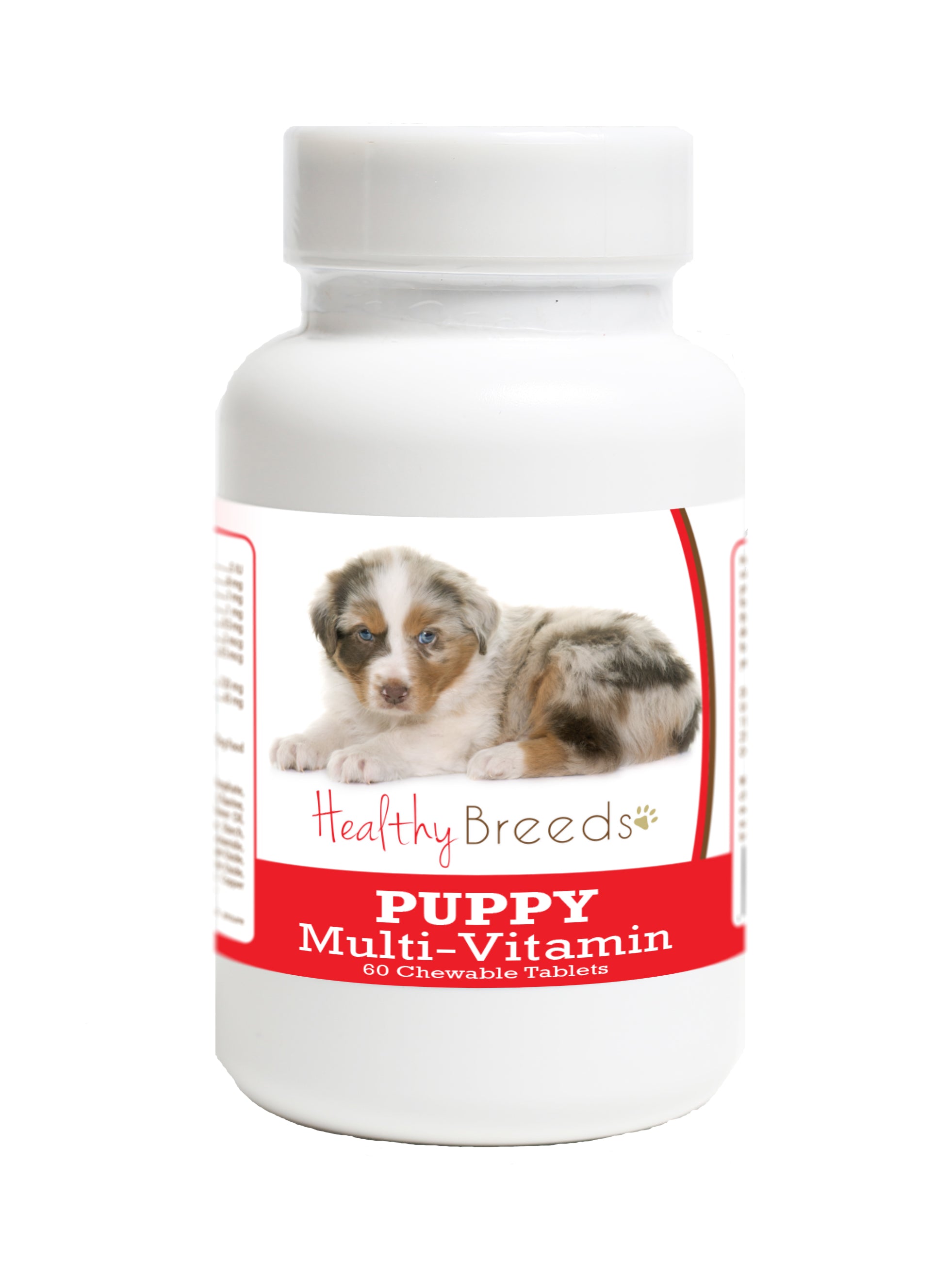
General Wellness: A high-quality multivitamin formulated for dogs can provide a broad spectrum of essential vitamins and minerals, acting as a nutritional safeguard. However, it is generally preferable to target specific needs with focused supplements rather than relying solely on a generic multivitamin.
When selecting supplements, prioritize reputable brands that conduct third-party testing for purity and potency. The form of the supplement (chews, powders, liquids) can be chosen based on ease of administration and palatability for the individual dog. Adherence to recommended dosages is critical, and any new supplement should be introduced gradually while observing for adverse reactions.
When Professional Help May Be Needed
While supplements can offer significant benefits, it is crucial to recognize when professional veterinary intervention is necessary. Starting any new supplement regimen should always begin with a comprehensive consultation with a veterinarian. This ensures that the chosen supplements are appropriate for an Australian Shepherds specific health profile, do not interact negatively with existing medications, and are truly needed to address nutritional gaps or support particular health conditions.
A veterinarian’s expertise is especially important if an Australian Shepherd exhibits severe or persistent symptoms such as chronic lameness, sudden and significant changes in behavior, unexplained weight loss or gain, ongoing digestive issues, or worsening skin conditions. These signs could indicate underlying medical conditions that require diagnosis and treatment beyond what supplements alone can provide. If a dog is already on medication for a chronic illness, discussing supplement choices with the veterinarian is paramount to prevent any potential adverse drug interactions. Additionally, if a supplement regimen is not yielding the desired improvements or if an Australian Shepherd shows any adverse reactions, immediate veterinary advice is warranted. Professional guidance ensures that all health concerns are addressed responsibly and effectively.
Conclusion
Supporting the health of an Australian Shepherd with thoughtfully selected supplements can significantly contribute to their longevity and quality of life. Understanding their breed-specific needs, such as high activity levels and predispositions to certain conditions, empowers owners to make informed nutritional choices. From maintaining robust joint function and a lustrous coat to supporting sharp cognitive abilities and a healthy digestive system, the right supplements can complement a balanced diet and address individual requirements. Constant observation for subtle changes in health and behavior serves as an invaluable tool for identifying when additional nutritional support may be beneficial. However, the cornerstone of responsible supplementation remains professional veterinary guidance. A collaborative approach with a veterinarian ensures that any supplement regimen is safe, appropriate, and genuinely enhances the well-being of these remarkable canine companions, allowing them to lead vibrant and fulfilling lives.
Pet Care & Wellness Overview Table
| Life Stage | Daily Activity Level | Key Nutrition / Care Focus |
|---|---|---|
| Puppy / Kitten | High (frequent short bursts) | High-protein growth diet & early socialization |
| Adult Companion | Moderate (30–60 mins daily) | Balanced maintenance nutrition & dental hygiene |
| Senior Pets | Low to Gentle (mindful walks) | Joint support (Glucosamine) & routine vet checks |
Images References







For more expert pet care tips and advice, check out our dedicated Dog Nutrition guides to keep your companions healthy and happy.




