
Introduction
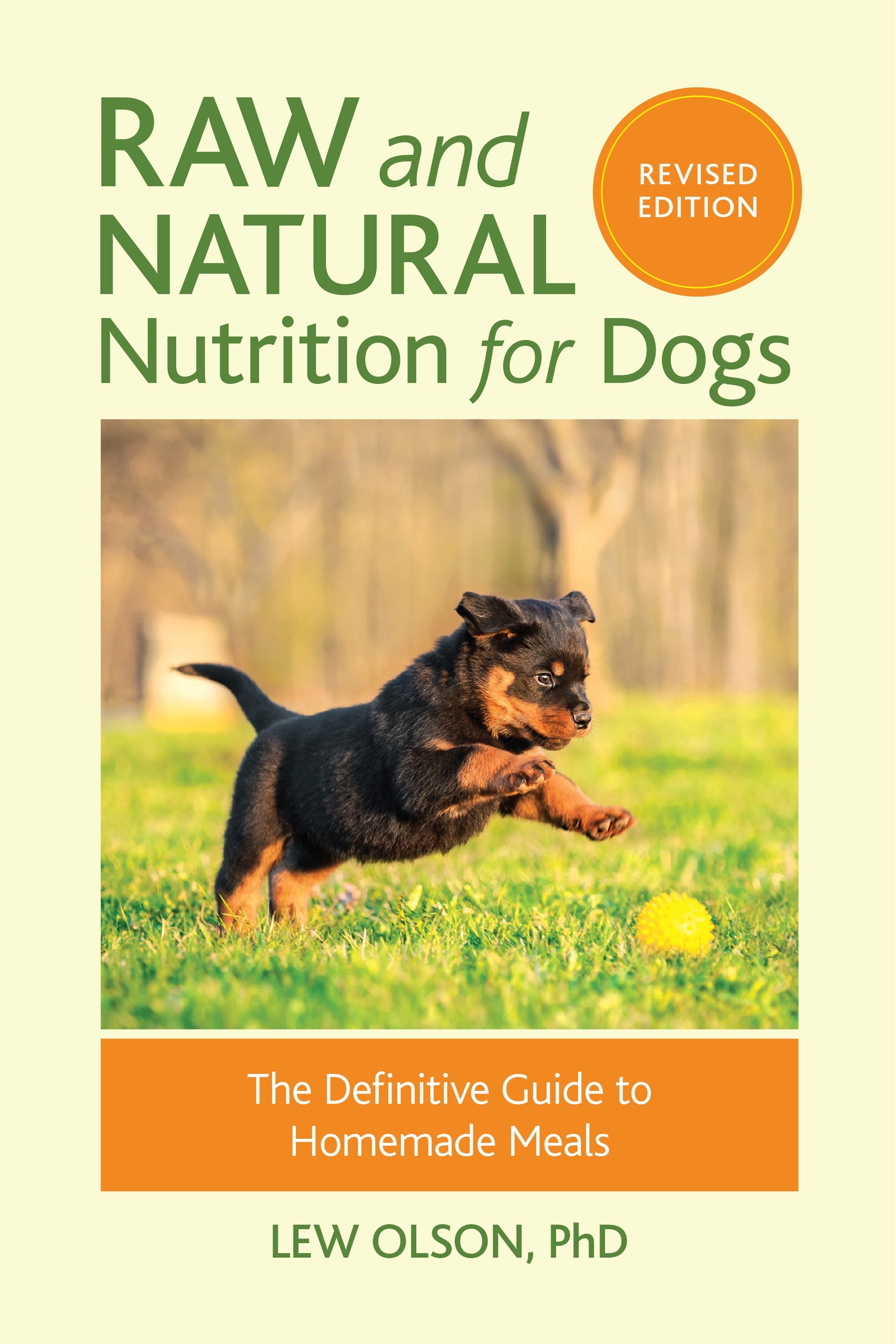
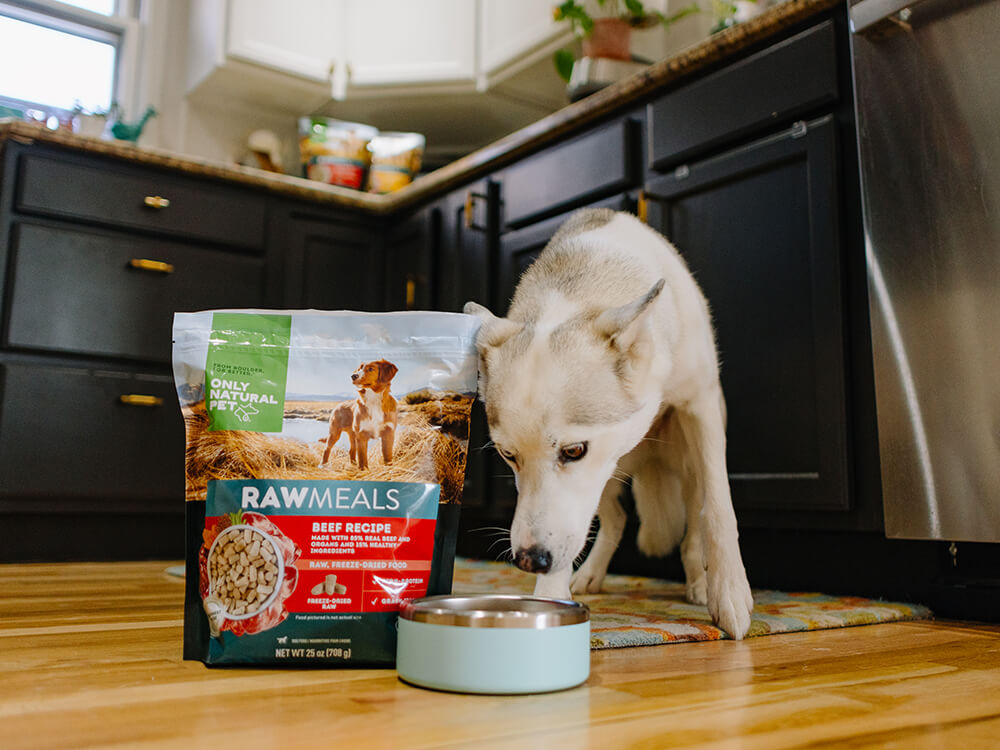
The concept of “raw and natural nutrition for dogs” centers on providing canines with a diet composed primarily of uncooked, unprocessed ingredients. This approach often mirrors the ancestral diet of wild canids, emphasizing muscle meat, organs, bones, and sometimes a small amount of fruits and vegetables. For many dog owners, understanding this dietary philosophy becomes crucial when seeking alternatives to highly processed commercial kibble, particularly if their pets experience health issues or a lack of vitality. Embracing a raw and natural diet is often driven by the belief that it offers a species-appropriate way to nourish dogs, potentially leading to significant improvements in their overall well-being, energy levels, and long-term health. Knowledge about this nutritional pathway empowers individuals to make informed choices that can profoundly impact a dog’s quality of life.
💡 Pet Care Key Takeaways:
- Core Focus: Practical health, nutrition, and wellness guidelines for Raw And Natural Nutrition For Dogs.
- Target Scope: Pet owners, animal caregivers, and veterinary support staff.
- Best Recommendation: Maintain consistent daily routines and consult an accredited veterinarian before introducing major diet or medical changes.
Common Causes and Key Factors
The growing interest in raw and natural nutrition for dogs stems from several key factors and underlying philosophies. A primary driver is the recognition of a dog’s evolutionary biology. Canines, descending from wolves, possess digestive systems anatomically and physiologically adapted to process raw meat, bones, and organs. This perspective suggests that highly processed, carbohydrate-heavy kibble might not align optimally with their biological needs. For more related activities, check out our Tibetan Mastiff Food Aggression.
Another significant factor involves concerns over nutrient degradation in commercial pet foods. The high heat and pressure used during the extrusion process, common in kibble production, can diminish the potency of natural enzymes, beneficial bacteria, and certain heat-sensitive vitamins and minerals. Consequently, many processed foods require synthetic supplementation to meet nutritional guidelines.
Ingredient quality also plays a substantial role. Some commercial diets include fillers, artificial colors, preservatives, and by-products that some owners perceive as low-value or potentially detrimental to health. A raw and natural diet, by contrast, typically prioritizes whole, identifiable ingredients.
Finally, many owners explore raw feeding as a solution to specific health challenges. Chronic allergies, persistent skin conditions, recurrent digestive upsets, obesity, and dental problems are often cited as reasons for transitioning a dog to a more natural dietary regimen, aligning with the principle of species-appropriate feeding.
Signs and Symptoms to Observe
When a dog thrives on a nutritionally complete raw and natural diet, several positive indicators typically become apparent. One of the most frequently observed changes is a marked improvement in coat health, often becoming noticeably shinier, softer, and experiencing reduced shedding. Dental hygiene also tends to improve, with cleaner teeth and fresher breath, particularly when appropriate raw bones are included.
Dogs often exhibit increased energy levels and overall vitality, appearing more playful and alert. Digestive health usually sees significant positive shifts, characterized by smaller, firmer, and less odorous stools, indicating better nutrient absorption. Additionally, a reduction in allergy symptoms, such as itching or skin irritation, and better management of a healthy weight are common benefits reported by owners. Improved muscle tone and overall physical condition can also be observed.
Conversely, if a dog is experiencing dietary issues with its current food, signs such as chronic digestive upset (e.g., loose stools, excessive gas), persistent itching or skin rashes, a dull or brittle coat, low energy, lethargy, or poor dental health might suggest that a dietary change, potentially to a raw and natural approach, could be beneficial. It is important to remember that these signs can vary depending on a dogs age, breed, and overall environmental factors.
Practical Solutions and Management Strategies
Successfully transitioning a dog to a raw and natural diet requires careful planning and consistent implementation. The foundational step involves extensive research and education. Owners must thoroughly understand the principles behind raw feeding, whether adopting a Biologically Appropriate Raw Food (BARF) model that includes plant matter, or a Prey Model Raw (PMR) diet focusing solely on animal ingredients. This includes learning about the correct nutritional balance, appropriate food ratios, and safe handling practices.
Consultation with a veterinarian, ideally one familiar with raw feeding, is highly recommended before making any significant dietary changes. This ensures the approach is suitable for the individual dogs health profile, taking into account any pre-existing conditions or specific nutritional requirements.
Achieving nutritional completeness and balance is critical. This involves understanding the correct proportions of muscle meat, organs (such as liver, kidney, spleen), and raw meaty bones. Variety in protein sources (e.g., chicken, beef, lamb, turkey, fish) is important to provide a broad spectrum of nutrients.
Strict hygiene practices are paramount to prevent bacterial contamination. This includes washing hands thoroughly after handling raw food, sanitizing preparation surfaces, and ensuring proper storage of ingredients. A gradual transition is often advisable, slowly introducing raw food alongside the current diet or starting with a single protein source to allow the digestive system to adapt. Throughout the transition and beyond, consistent monitoring of the dogs stool consistency, energy levels, coat condition, and overall health is essential to assess the diet’s effectiveness and make any necessary adjustments.
When Professional Help May Be Needed
While raw and natural nutrition can offer significant benefits, there are specific circumstances where professional guidance becomes indispensable. A thorough consultation with a veterinarian is strongly advised before embarking on any major dietary change, especially for puppies, senior dogs, or those with underlying health conditions such as kidney disease, pancreatitis, or compromised immune systems. A veterinarian can assess the dogs individual needs and offer tailored advice.
For owners unsure about formulating a nutritionally balanced raw diet, seeking expertise from a certified canine nutritionist or a veterinarian with extensive experience in raw feeding is crucial. These professionals can help create a diet plan that meets all essential nutrient requirements, preventing potential deficiencies or excesses that could harm health.
Furthermore, if a dog continues to exhibit health problemssuch as persistent digestive upset, unexplained weight loss, lethargy, or new skin issuesafter transitioning to a raw diet, immediate professional medical evaluation is necessary. These symptoms could indicate underlying health concerns unrelated to the diet, or suggest that the diet itself requires adjustment. Signs of nutritional imbalances, such as bone density issues or organ problems, also necessitate prompt veterinary intervention to diagnose and address the root cause.
Conclusion
Raw and natural nutrition for dogs represents a thoughtful commitment to providing a diet that aligns with a canines biological design. It holds the potential for enhancing vitality, improving various health markers, and fostering an overall state of well-being. The emphasis on unprocessed, species-appropriate ingredients aims to support a dog’s health from the inside out, addressing concerns that arise from highly processed alternatives. Successful implementation, however, is contingent upon thorough research, meticulous planning, and, critically, professional guidance. Empowering oneself with knowledge about species-appropriate nutrition and working alongside veterinary professionals can profoundly impact a dog’s health, enriching its quality of life for years to come.
Pet Care & Wellness Overview Table
| Life Stage | Daily Activity Level | Key Nutrition / Care Focus |
|---|---|---|
| Puppy / Kitten | High (frequent short bursts) | High-protein growth diet & early socialization |
| Adult Companion | Moderate (30–60 mins daily) | Balanced maintenance nutrition & dental hygiene |
| Senior Pets | Low to Gentle (mindful walks) | Joint support (Glucosamine) & routine vet checks |
Images References





For more expert pet care tips and advice, check out our dedicated Dog Nutrition guides to keep your companions healthy and happy.




