

Introduction
As cherished companions enter their golden years, their nutritional needs undergo significant changes. This is particularly true for older small dogs, whose unique physiology and metabolism often necessitate a closer look at their dietary intake. Understanding the specific vitamin requirements for aging small breeds is crucial for maintaining their health, vitality, and overall quality of life. While a balanced diet forms the foundation of good nutrition, targeted vitamin supplementation can play a pivotal role in addressing age-related challenges and supporting various bodily functions. Proactive nutritional support helps mitigate common senior dog issues, contributing to a more comfortable and active twilight period for these beloved animals.
💡 Pet Care Key Takeaways:
- Core Focus: Practical health, nutrition, and wellness guidelines for Best Vitamins For Older Small Dogs.
- Target Scope: Pet owners, animal caregivers, and veterinary support staff.
- Best Recommendation: Maintain consistent daily routines and consult an accredited veterinarian before introducing major diet or medical changes.
Common Causes and Key Factors
The aging process brings about several physiological changes that can impact a small dog’s nutritional status. Older small dogs often experience a natural decline in metabolic rate, which can affect energy levels and weight management. Additionally, the efficiency of nutrient absorption in the digestive tract may decrease, meaning that even with a high-quality diet, these dogs might not be extracting all the necessary vitamins and minerals. For more related activities, check out our Pitbullnutrition.
Key factors contributing to altered vitamin needs include:
- Reduced Digestibility: The aging gut may not absorb nutrients as effectively as it once did, potentially leading to deficiencies.
- Increased Oxidative Stress: Older dogs are more susceptible to cellular damage from free radicals, necessitating higher levels of antioxidants.
- Joint Degeneration: Small breeds can be prone to orthopedic issues as they age, requiring support for cartilage and connective tissue.
- Cognitive Decline: Brain function can diminish with age, benefiting from specific nutrients that support neurological health.
- Weakened Immune System: An older immune system may not be as robust, making vitamin support for immunity more important.
- Specific Breed Predispositions: Some small breeds may have genetic predispositions to certain health issues that can be supported nutritionally.
These age-related shifts highlight why general adult dog food might not be sufficient and why the best vitamins for older small dogs might include targeted supplements.
Signs and Symptoms to Observe
Observing an older small dog for subtle changes in behavior or physical condition is essential for identifying potential nutritional gaps. While these signs can indicate various health issues, they may also point towards a need for enhanced vitamin support.
Common signs and symptoms to look for include:
- Decreased Energy and Lethargy: A noticeable reduction in activity levels, enthusiasm for walks, or play.
- Stiffness or Difficulty Moving: Hesitation to jump, climb stairs, or general slowness, which could indicate joint discomfort.
- Dull Coat and Skin Issues: A lack of shine, dryness, excessive shedding, or persistent skin irritation.
- Changes in Appetite or Weight: A decrease in food intake, unexplained weight loss, or conversely, a tendency towards weight gain despite normal eating.
- Cognitive Changes: Disorientation, staring blankly, altered sleep-wake cycles, or changes in interaction with family members.
- Frequent Illnesses: Increased susceptibility to infections or a longer recovery time, suggesting a compromised immune system.
- Muscle Weakness or Loss: Visible thinning of muscles, particularly in the hindquarters.
These indicators serve as important cues for owners to consider whether their older small dog’s diet is adequately meeting their evolving needs.
Practical Solutions and Management Strategies
Addressing the unique nutritional needs of older small dogs involves a multi-faceted approach, starting with a high-quality senior diet and potentially incorporating specific vitamin supplements. When considering the best vitamins for older small dogs, it is important to focus on nutrients that support common age-related concerns.
Practical strategies include:
- High-Quality Senior Dog Food: The foundation of an older small dogs diet should be a premium senior formula. These foods are typically formulated with appropriate protein levels, lower calories, and sometimes include added nutrients like L-carnitine for weight management and antioxidants.
- Omega-3 Fatty Acids (EPA & DHA): Essential for reducing inflammation, these fatty acids support joint health, skin and coat quality, and cognitive function. Fish oil is a common source, providing powerful anti-inflammatory benefits.
- Glucosamine and Chondroitin: These compounds are vital building blocks for cartilage and connective tissue, offering significant support for aging joints and mobility. Many senior dog supplements combine these two for synergistic effects.
- Antioxidants (Vitamins E & C, Selenium): These vitamins combat oxidative stress, protecting cells from damage caused by free radicals. They are crucial for immune system health, cognitive function, and maintaining cellular integrity.
- B Vitamins: A complex of B vitamins (B1, B2, B6, B12, folic acid, niacin, pantothenic acid) plays a critical role in energy metabolism, nerve function, and red blood cell production. They can help maintain vitality in older dogs.
- L-Carnitine: This amino acid derivative helps convert fat into energy, which can be beneficial for muscle maintenance and managing weight in less active senior dogs.
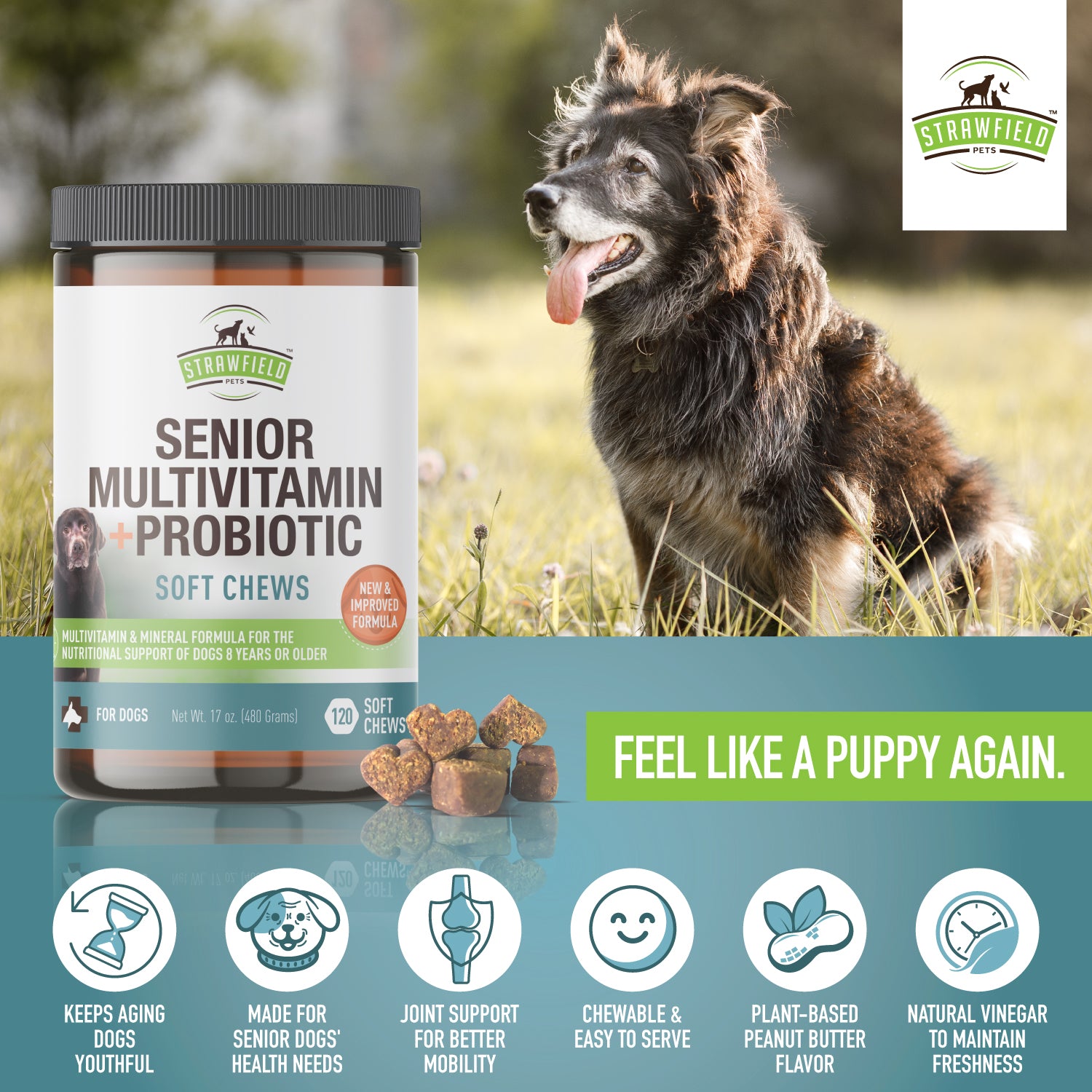
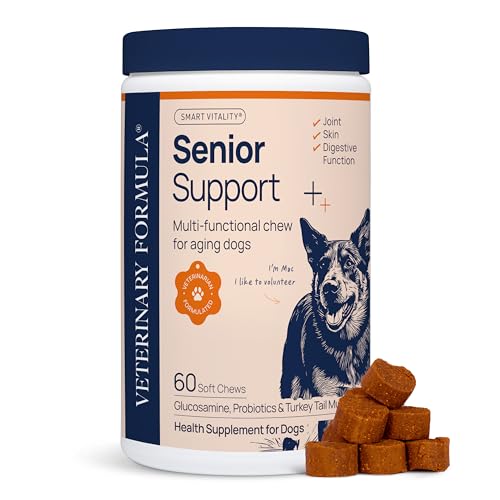
- Probiotics and Prebiotics: Supporting gut health is paramount for nutrient absorption. Probiotics introduce beneficial bacteria to the digestive tract, while prebiotics nourish these bacteria, optimizing digestion and immune function.
When selecting supplements, attention should be paid to products specifically formulated for small breeds to ensure appropriate dosage. Supplements are available in various forms, including chews, powders, and liquids, allowing for easier administration.
When Professional Help May Be Needed
While dietary adjustments and targeted supplements can significantly enhance an older small dog’s quality of life, professional veterinary guidance is indispensable. Supplements are not a substitute for comprehensive veterinary care and should always be introduced under professional supervision.
Veterinary consultation is crucial in situations such as:
- Before Starting Any Supplementation: A veterinarian can accurately assess a dog’s overall health, identify specific deficiencies, and recommend the most appropriate supplements and dosages, preventing potential interactions with medications or existing health conditions.
- Persistent or Worsening Symptoms: If an older small dog exhibits significant or progressing signs of illness, lethargy, pain, or dramatic changes in behavior, a veterinary examination is warranted to rule out underlying medical conditions that require specific treatment.
- Monitoring Progress and Adjusting Plans: Regular veterinary check-ups allow for monitoring the effectiveness of dietary changes and supplements, ensuring they continue to meet the dog’s evolving needs and making adjustments as necessary.
- Diagnosing Specific Deficiencies: In some cases, blood tests or other diagnostics may be required to pinpoint exact vitamin or mineral deficiencies, guiding a more precise supplementation strategy.
A collaborative approach with a veterinarian ensures that an older small dog receives optimal nutritional support tailored to their individual health profile.
Conclusion
Providing the best vitamins for older small dogs is a key aspect of their senior care, profoundly impacting their health and happiness. As these dogs age, their bodies undergo changes that necessitate a more targeted approach to nutrition. By understanding the common factors influencing their health, observing for specific signs and symptoms, and implementing practical dietary and supplementation strategies, owners can actively support their companions’ well-being. The proactive integration of quality senior dog food with veterinarian-approved supplements, particularly those rich in Omega-3s, glucosamine, chondroitin, and antioxidants, can significantly mitigate age-related challenges. Ultimately, consistent care, keen observation, and professional veterinary guidance form the cornerstone of ensuring older small dogs enjoy their later years with comfort, vitality, and an excellent quality of life.
Pet Care & Wellness Overview Table
| Life Stage | Daily Activity Level | Key Nutrition / Care Focus |
|---|---|---|
| Puppy / Kitten | High (frequent short bursts) | High-protein growth diet & early socialization |
| Adult Companion | Moderate (30–60 mins daily) | Balanced maintenance nutrition & dental hygiene |
| Senior Pets | Low to Gentle (mindful walks) | Joint support (Glucosamine) & routine vet checks |
Images References





For more expert pet care tips and advice, check out our dedicated Dog Nutrition guides to keep your companions healthy and happy.




