

Introduction
The well-being of canine companions is a primary concern for devoted pet owners. As dogs age, or due to genetic predispositions, the health of their cardiovascular system can become a significant consideration. The topic of heart health supplements for dogs has garnered increasing interest among those seeking proactive ways to support their pets’ vitality. These specialized supplements are formulated to provide nutritional support for the heart, aiming to maintain optimal function and potentially mitigate the impact of age-related changes or breed-specific susceptibilities. Understanding the role and potential benefits of these supplements can empower dog owners to make informed decisions that contribute significantly to a dogs overall health, energy levels, and long-term quality of life.
💡 Pet Care Key Takeaways:
- Core Focus: Practical health, nutrition, and wellness guidelines for Heart Health Supplements For Dogs.
- Target Scope: Pet owners, animal caregivers, and veterinary support staff.
- Best Recommendation: Maintain consistent daily routines and consult an accredited veterinarian before introducing major diet or medical changes.
Common Causes and Key Factors
Several factors can influence a dog’s cardiac health, leading owners to explore supportive measures like heart health supplements for dogs. Age is a significant contributor; as dogs grow older, their hearts naturally undergo wear and tear, and the efficiency of cardiac muscle can decline. Certain breeds are genetically predisposed to specific heart conditions. For example, Cavalier King Charles Spaniels are prone to mitral valve disease, while Boxers and Doberman Pinschers are known to be susceptible to dilated cardiomyopathy. For more related activities, check out our Natural Balance Puppy Food Quantity Chart.
Lifestyle also plays a crucial role. Obesity places additional strain on the heart, requiring it to work harder to pump blood throughout the body. A diet lacking essential nutrients or an imbalance in certain amino acids can also compromise cardiac function over time. Environmental stressors, while not a direct cause of heart disease, can contribute to overall systemic stress that might indirectly impact organ health. Understanding these underlying factors helps in appreciating the potential supportive role of targeted nutritional interventions.
Signs and Symptoms to Observe
Early detection of potential heart issues is vital for effective management. Dog owners should remain vigilant for a range of signs and symptoms that may indicate cardiac compromise, prompting consideration of veterinary assessment before exploring heart health supplements for dogs. A persistent cough, especially one that worsens at night or after exercise, can be a red flag. Difficulty breathing, characterized by an increased respiratory rate or effort, is another serious indicator.
Changes in a dog’s activity level or stamina, such as increased lethargy, reluctance to play, or difficulty with once-routine physical activities, warrant attention. Fainting or collapsing spells, even if brief, are serious symptoms requiring immediate veterinary intervention. Other observable signs might include a decreased appetite, unexplained weight loss or gain, abdominal distension (which could indicate fluid buildup), or pale/bluish gums, signaling poor circulation. The manifestation of these signs can vary depending on the dog’s age, breed, and the specific cardiac condition present.
Practical Solutions and Management Strategies
A multi-faceted approach is often best for supporting a dog’s heart health, encompassing diet, exercise, and potentially heart health supplements for dogs. A balanced, high-quality diet that meets a dog’s specific nutritional needs is foundational. Maintaining a healthy body weight through appropriate portion control and regular, controlled exercise reduces strain on the cardiovascular system. The type and intensity of exercise should always be tailored to the individual dog’s age, breed, and current health status.
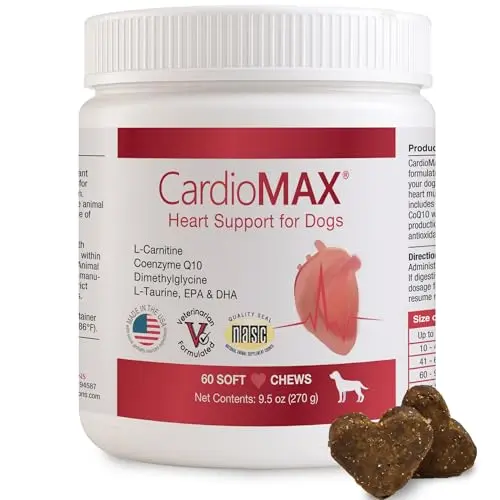
When considering heart health supplements for dogs, several key ingredients are frequently highlighted for their potential benefits. Omega-3 fatty acids, particularly EPA and DHA, are known for their anti-inflammatory properties and can support healthy heart rhythm and blood vessel function. Coenzyme Q10 (CoQ10) is an antioxidant that plays a role in cellular energy production, which is crucial for the highly energetic heart muscle. L-Carnitine is an amino acid vital for the metabolism of fatty acids into energy within heart cells. Taurine, another amino acid, is essential for the proper function of cardiac muscle and has been particularly relevant in certain breeds or in cases linked to specific diets. Hawthorn berry is often included in herbal formulations for its traditional use in supporting blood vessel integrity and heart muscle strength. It is important to emphasize that these supplements are intended to provide nutritional support and are not a substitute for veterinary medical treatment.
When Professional Help May Be Needed
While heart health supplements for dogs can offer supportive benefits, they are never a replacement for professional veterinary care. Any dog exhibiting signs of potential heart disease, as described in previous sections, requires an immediate veterinary consultation. A veterinarian can accurately diagnose the underlying cause of symptoms through a thorough examination, diagnostic tests such as blood work, radiographs, echocardiograms, or electrocardiograms.
Furthermore, it is crucial to consult a veterinarian before introducing any new supplement into a dog’s regimen, especially if the dog has an existing health condition or is currently on prescribed medications. Some supplements may interact with medications or be contraindicated for certain conditions. A veterinarian can provide tailored advice, recommend appropriate dosages, and help integrate supplements safely into a comprehensive treatment plan, potentially referring to a veterinary cardiologist for specialized expertise if necessary. Regular check-ups remain essential for early detection and ongoing management of cardiac health.
Conclusion
Understanding and proactively addressing canine heart health is a cornerstone of responsible dog ownership. Heart health supplements for dogs represent a valuable aspect of a broader strategy aimed at supporting cardiovascular well-being, particularly as dogs age or face breed-specific predispositions. By focusing on appropriate diet, controlled exercise, and incorporating targeted nutritional support where beneficial, owners can play a significant role in maintaining their dog’s vitality. However, the importance of vigilant observation for any concerning symptoms and the indispensable role of professional veterinary guidance cannot be overstated. A collaborative approach, combining informed owner care with expert veterinary partnership, provides the best foundation for ensuring a dog enjoys a long, healthy, and happy life, full of boundless affection and companionship.
Pet Care & Wellness Overview Table
| Life Stage | Daily Activity Level | Key Nutrition / Care Focus |
|---|---|---|
| Puppy / Kitten | High (frequent short bursts) | High-protein growth diet & early socialization |
| Adult Companion | Moderate (30–60 mins daily) | Balanced maintenance nutrition & dental hygiene |
| Senior Pets | Low to Gentle (mindful walks) | Joint support (Glucosamine) & routine vet checks |
Images References


For more expert pet care tips and advice, check out our dedicated Dog Nutrition guides to keep your companions healthy and happy.




