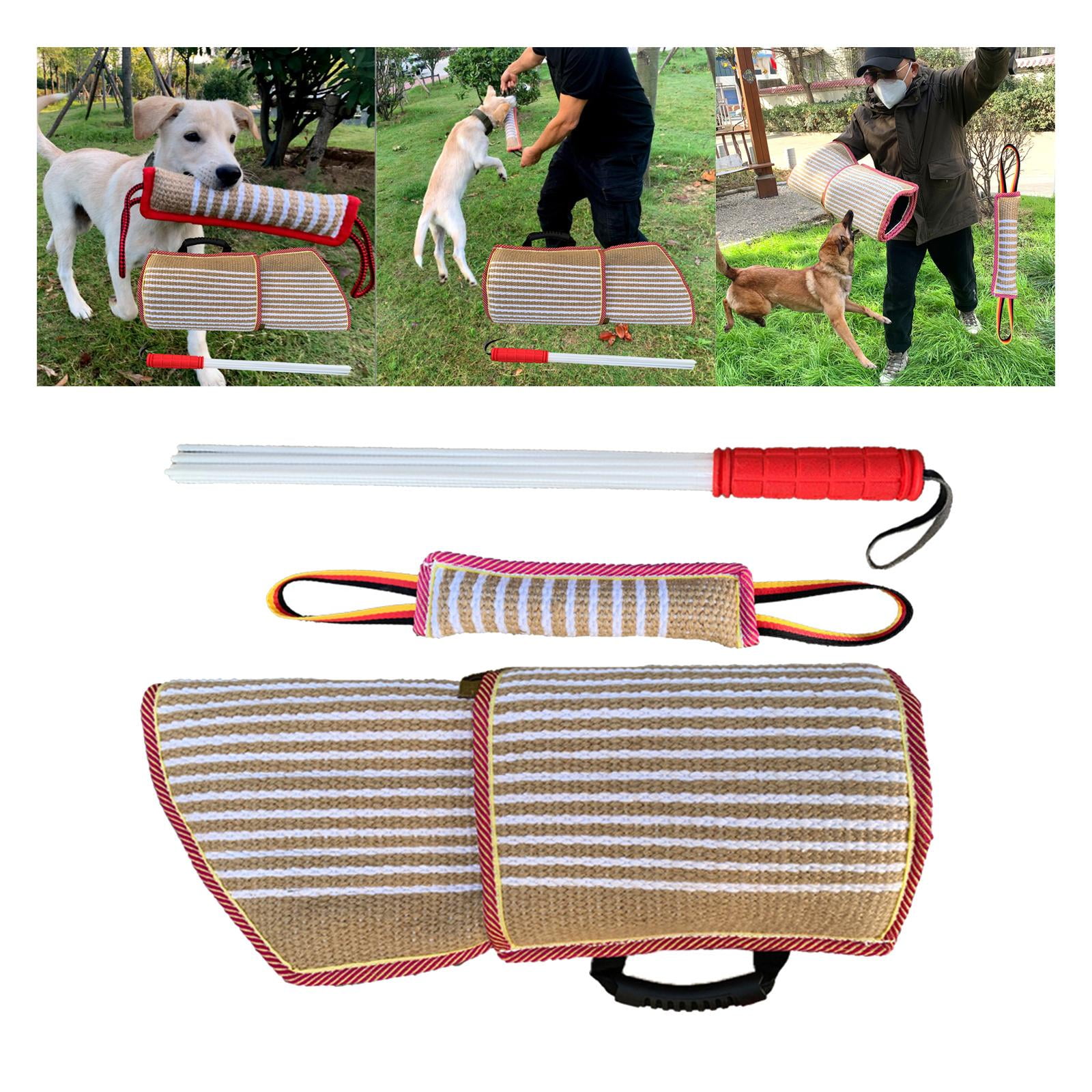
Introduction
Understanding and implementing effective bite training for dogs is a foundational aspect of responsible dog ownership. This crucial training component, often referred to as bite inhibition, involves teaching a dog to control the force of its bite, ensuring that even during play or accidental contact, the pressure exerted is minimal and harmless. Puppies naturally explore their world with their mouths and engage in play biting with littermates; however, without proper guidance from humans, they may not learn the critical lesson of how to inhibit the strength of their jaws. Mastering bite inhibition not only prevents potential injuries but also fosters a safer, more harmonious environment for both the dog and its human companions, significantly improving a dog’s overall well-being and social behavior. Explore more in our Dog Training collection.
💡 Pet Care Key Takeaways:
- Core Focus: Practical health, nutrition, and wellness guidelines for Bite Training For Dogs.
- Target Scope: Pet owners, animal caregivers, and veterinary support staff.
- Best Recommendation: Maintain consistent daily routines and consult an accredited veterinarian before introducing major diet or medical changes.
Common Causes and Key Factors
Several factors contribute to a dog’s need for bite training, ranging from innate behaviors to environmental influences. A primary cause is the natural exploratory stage in puppies, where mouthing and nipping are common methods of interaction and play. Without consistent redirection and feedback, these playful nips can escalate into harder bites. Another key factor is a dog’s level of excitement or frustration; when overstimulated or unable to express an unmet need, some dogs may resort to nipping. For more related activities, check out our What Trick Can Only A Border Collie Learn.
Fear and anxiety can also be significant contributors. A dog feeling threatened or cornered might bite defensively as a last resort. Resource guarding, where a dog becomes protective of its food, toys, or personal space, can similarly lead to biting if boundaries are challenged. Furthermore, underlying pain or discomfort, perhaps due to an injury or medical condition, can cause a dog to bite unexpectedly if touched in a sensitive area. Genetic predispositions and breed-specific tendencies, such as a strong prey drive, also play a role, necessitating diligent training to manage these instincts safely. Discover more free resources across our collection library.
Signs and Symptoms to Observe
Observing a dog’s behavior provides crucial insights into its bite inhibition levels. A common sign in puppies is persistent mouthiness during play, where hands, clothes, or even furniture become targets for their exploration. While some mouthing is normal, a lack of distinction between acceptable and unacceptable bite pressure indicates a need for training. Hard bites that cause pain, leave red marks, or break the skin are clear indicators that a dog has not learned proper bite inhibition.
More concerning signs in older dogs or those with a history of biting include growling, snapping, or air-snapping before actual contact. These are warning signals that should be taken seriously. Stiff body language, a direct stare, “whale eye” (where the whites of the eyes are visible), or raised hackles often precede a bite, signaling discomfort or an impending aggressive response. Biting that occurs specifically when a dog is handled, approached, or during certain activities (like grooming or feeding) points to specific triggers. A dog’s inability to play appropriately with other dogs, often involving uncontrolled or excessively rough biting, also suggests a deficiency in bite inhibition. The severity and context of these signs can vary significantly depending on the dog’s age, breed, and past experiences.
Practical Solutions and Management Strategies
Effective bite training for dogs relies on consistent, positive reinforcement and early intervention. For puppies, immediate action is crucial. When a puppy bites too hard during play, mimicking a littermate’s reaction by letting out a high-pitched yelp and immediately withdrawing attention can teach the puppy that hard bites end the fun. This temporary withdrawal of attention should last only a few seconds before resuming play gently.
Redirection is another powerful tool. When a dog attempts to mouth or nip, an appropriate chew toy should be offered immediately as an alternative. Teaching fundamental commands such as “leave it” and “drop it” provides a dog with valuable self-control skills. Supervised play sessions with other well-socialized dogs can further aid in teaching bite inhibition, as other dogs will provide immediate feedback. During human-dog play, using toys rather than hands to initiate interaction helps prevent accidental nips.
Managing over-stimulation through shorter play sessions, structured breaks, and providing calming environments can also reduce instances of nipping driven by excitement. Consistent application of these strategies by all household members is vital for a dog to understand what is expected. Early and positive socialization, introducing a dog to various people, environments, and other animals in a controlled manner, builds confidence and reduces fear-based behaviors that can lead to biting.
When Professional Help May Be Needed
While many cases of bite inhibition can be managed with consistent training at home, certain situations warrant professional intervention. If a dog’s biting persists despite dedicated training efforts, or if the bites become increasingly hard or frequent, consulting an expert is advisable. Any instance of aggressive biting that draws blood, causes significant injury, or occurs without clear provocation should prompt an immediate call to a professional.
Dogs exhibiting fear-based aggression, where biting stems from intense anxiety or perceived threats, often require the specialized knowledge of a certified professional dog trainer or a veterinary behaviorist. A sudden and unexplained change in a dog’s biting behavior should always be investigated by a veterinarian first to rule out any underlying medical conditions or pain contributing to the issue. For owners who find themselves struggling to understand or effectively implement training techniques, professional guidance can provide tailored strategies and hands-on support, ensuring the best possible outcome for the dog and household.
Conclusion
Bite training for dogs, especially bite inhibition, stands as a cornerstone of responsible pet guardianship, promoting safety and fostering strong, positive relationships between dogs and their human families. By understanding the natural inclinations of dogs, observing their behaviors closely, and employing consistent, positive reinforcement methods, owners can guide their canine companions toward appropriate interaction. Early intervention, diligent training, and a clear understanding of when to seek professional assistance are paramount. Ultimately, committing to effective bite training not only prevents potential harm but also cultivates a well-adjusted, confident dog, enriching the lives of everyone involved and ensuring a harmonious coexistence within petsanimalsworld.com’s community of animal lovers.
Pet Care & Wellness Overview Table
| Life Stage | Daily Activity Level | Key Nutrition / Care Focus |
|---|---|---|
| Puppy / Kitten | High (frequent short bursts) | High-protein growth diet & early socialization |
| Adult Companion | Moderate (30–60 mins daily) | Balanced maintenance nutrition & dental hygiene |
| Senior Pets | Low to Gentle (mindful walks) | Joint support (Glucosamine) & routine vet checks |
Images References