
Introduction
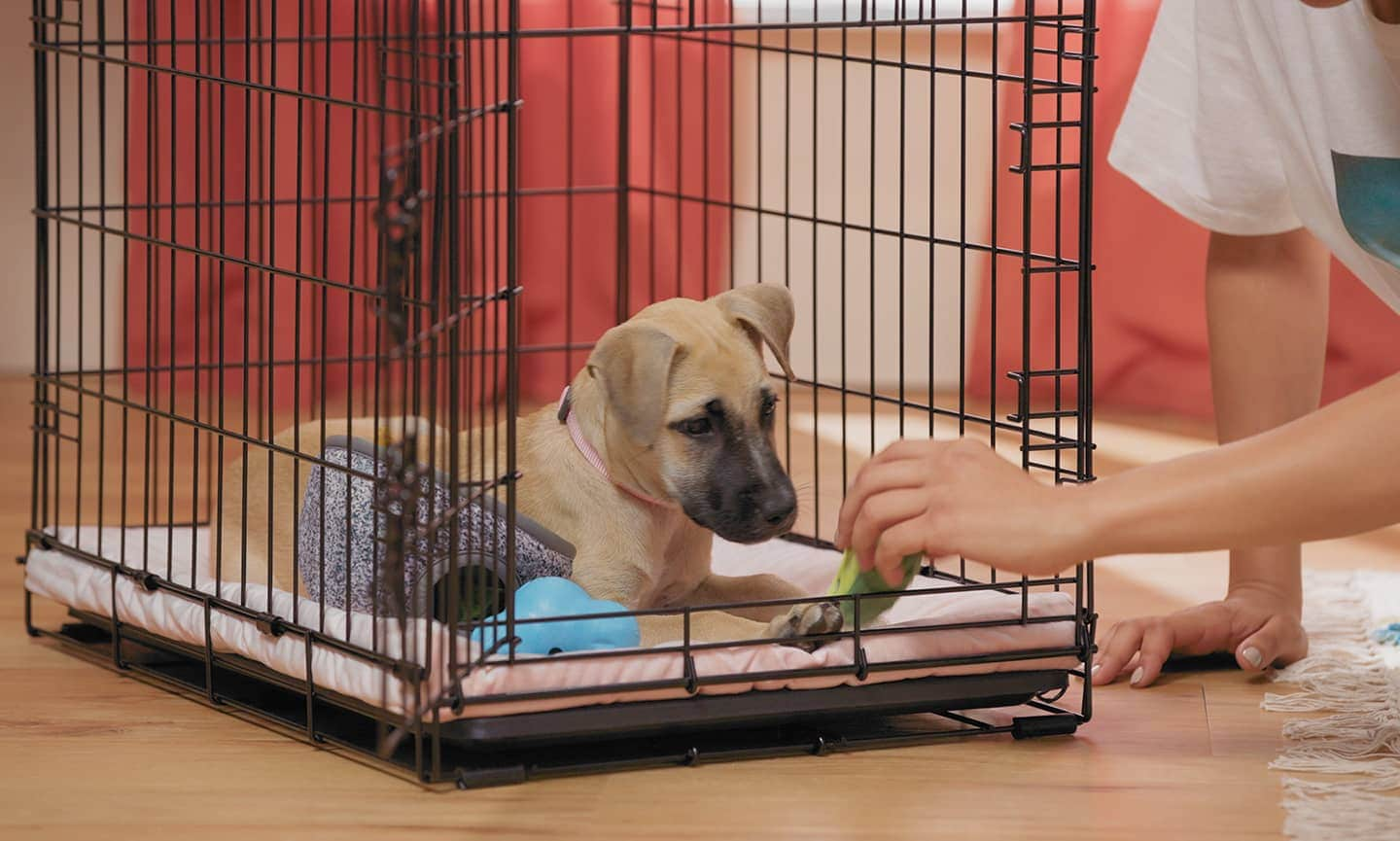
Cage training a dog, often referred to as crate training, represents a fundamental aspect of responsible dog ownership and a powerful tool in fostering a well-adjusted canine companion. This practice involves teaching a dog to view a specially selected cage or crate as its personal, safe haven. Far from being a punitive measure, proper cage training leverages a dogs natural denning instincts, providing a secure space where it can rest, feel protected, and escape from household commotion. Understanding and implementing effective cage training techniques can significantly aid in house-training efforts, prevent destructive behaviors, ensure safety during travel or emergencies, and provide a sense of security that enhances a dogs overall well-being and improves the quality of life for both the dog and its human family.
💡 Pet Care Key Takeaways:
- Core Focus: Practical health, nutrition, and wellness guidelines for Cage Training Dog.
- Target Scope: Pet owners, animal caregivers, and veterinary support staff.
- Best Recommendation: Maintain consistent daily routines and consult an accredited veterinarian before introducing major diet or medical changes.
Common Causes and Key Factors
The success of cage training a dog hinges on several key factors, primarily rooted in understanding canine behavior and creating a positive association with the crate. Dogs are naturally den animals, seeking small, enclosed spaces for security and rest. A well-introduced cage taps into this innate desire, providing a private sanctuary rather than a confined space. For more related activities, check out our What Trick Can Only A Border Collie Learn.
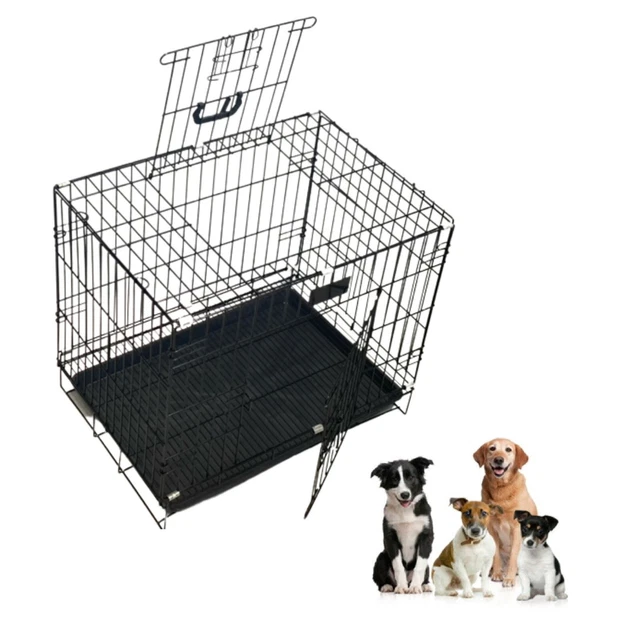
A crucial factor is the appropriate size of the cage. It must be large enough for the dog to stand up, turn around, and lie down comfortably, but not so large that it can designate a separate area for elimination. For puppies, dividers can adjust the cage size as they grow.
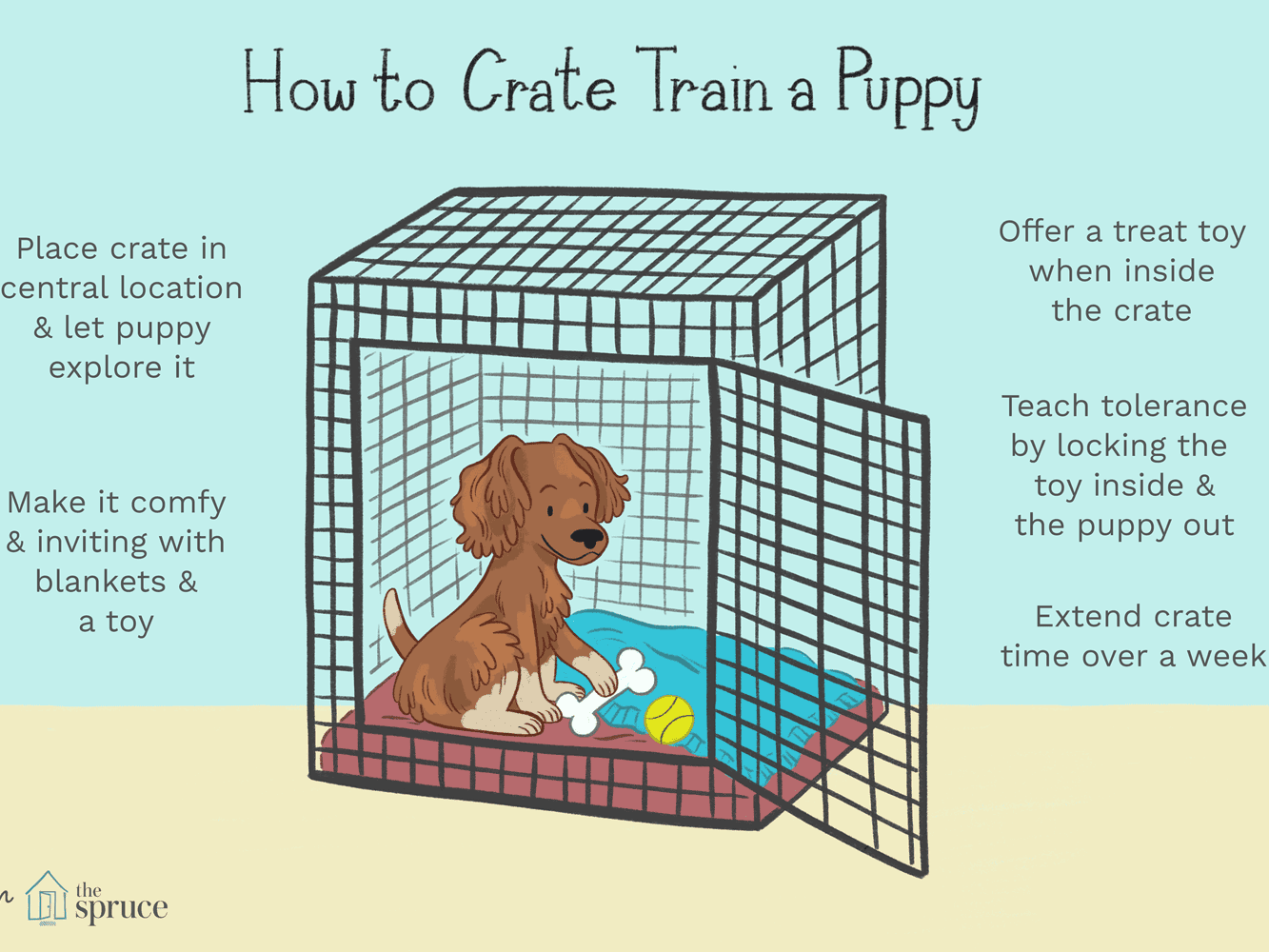
Positive association is paramount. The cage should never be associated with punishment. Instead, positive reinforcement, such as treats, praise, and favorite toys, should be used every time the dog interacts positively with or enters the cage. Feeding meals inside the cage can also build a strong, positive connection.
The location of the cage also plays a role. Placing it in a central part of the home, where the dog can still feel part of the family, often reduces feelings of isolation. However, it should also be in a relatively quiet area to promote relaxation.
Furthermore, age and previous experiences can influence the training process. Puppies generally adapt more quickly due to their natural exploratory nature and lack of prior negative associations. Adult dogs, especially those with past negative experiences or rescue dogs, may require more patience and a slower, gentler approach to overcome apprehension.
Signs and Symptoms to Observe
During the process of cage training a dog, observation of its behavior is critical to ensure comfort and progress. Positive signs indicate successful adaptation and a comfortable dog. These include voluntarily entering the cage, settling down quickly, resting calmly inside, and showing no signs of distress upon being confined. A dog that readily enters its cage for naps or when offered a treat inside demonstrates a positive association.
Conversely, certain signs may indicate that a dog is struggling with cage training or experiencing discomfort. Persistent whining, barking, or howling inside the cage, especially after initial settling, can signal distress or a need for a potty break. Excessive panting, drooling, or frantic scratching at the cage door or sides suggests anxiety or panic. Dogs attempting to chew or bend the cage bars may be feeling claustrophobic or trying to escape.
Soiling the cage is a significant symptom that warrants attention. This could indicate the cage is too large, the dog has been left inside for too long, or it may be experiencing significant anxiety, making it unable to hold its bladder or bowels. Other subtle signs of discomfort include a tucked tail, flattened ears, trembling, or an unwillingness to enter the cage even with lures. Recognizing these signs early allows for adjustments to the training approach, preventing the development of a negative association with the cage.
Practical Solutions and Management Strategies
Successful cage training a dog relies on a structured, patient, and positive approach. The first step involves making the cage an inviting space. Placing soft bedding, a favorite toy, and a few high-value treats inside encourages voluntary exploration. Feeding meals inside the cage with the door open is an excellent way to build positive associations.
Gradual introduction is key. Begin by encouraging the dog to enter the cage for short periods while the door remains open. Gradually close the door for a few seconds, then open it, always rewarding calm behavior. Slowly increase the duration of confinement, starting with minutes and building up to hours. Always ensure the dog has relieved itself immediately before being crated.
Consistency and routine are vital. Establish a schedule for cage time, integrating it into daily routines such as bedtime, mealtime, and when leaving the house for short errands. This predictability helps dogs understand expectations and reduces anxiety. When initially leaving a dog in its cage, ensure sufficient exercise and mental stimulation beforehand to promote relaxation.
Never use the cage as punishment. This can create a negative association that is difficult to overcome. The cage should always remain a safe, positive space. When a dog whines or barks inside the cage, wait for a brief moment of quiet before letting it out, to avoid reinforcing demanding behavior. However, if the whining is persistent and distressful, the dog may genuinely need to be let out for a potty break, especially with puppies. Understanding the difference between protest and genuine need comes with experience and careful observation.
For dogs struggling with separation anxiety, introducing the cage can be particularly challenging. Short, frequent absences, combined with leaving comforting items and puzzle toys, can help. The goal is to build confidence that departure is temporary and leads to a return.
When Professional Help May Be Needed
While cage training a dog is a highly beneficial practice, there are instances where professional intervention may be necessary. If a dog exhibits severe anxiety, such as continuous destructive behavior within the cage, self-mutilation attempts, or extreme vocalization that does not diminish after consistent, positive training efforts, this indicates a deeper issue. Dogs that consistently soil their cage despite appropriate management, a clean bill of health, and sufficient potty breaks might be suffering from severe separation anxiety or a deeply ingrained negative association.
Aggression towards individuals attempting to place the dog in the cage or approach it while it is confined is another serious sign. Such behavior suggests fear or resource guarding, requiring specialized handling. Furthermore, if a dog’s general temperament becomes increasingly fearful or anxious outside the cage as a result of training attempts, the approach may be counterproductive.
In these situations, consulting a veterinarian is the first crucial step to rule out any underlying medical conditions contributing to the behavior. Once physical health is confirmed, seeking guidance from a certified professional dog trainer or a veterinary behaviorist is highly recommended. These experts possess the knowledge and experience to assess individual cases, identify specific triggers, and develop tailored training plans. They can provide advanced strategies to address complex behavioral issues, ensuring the dog’s well-being and the safety of the household.
Conclusion
Cage training a dog is a valuable skill that enriches the life of a canine companion and simplifies aspects of dog ownership. By understanding a dog’s natural instincts and employing patience, positive reinforcement, and consistency, the cage transforms from a simple enclosure into a cherished private den. This practice supports effective house-training, prevents destructive behaviors, offers a safe retreat, and provides peace of mind during various situations. While most dogs adapt well to a thoughtfully introduced cage, recognizing signs of distress and knowing when to seek professional guidance ensures a positive experience for all. A commitment to understanding and meeting a dog’s needs through responsible training methods ultimately fosters a secure, well-behaved, and happy member of the family, aligning perfectly with the mission to promote optimal pet well-being.
Pet Care & Wellness Overview Table
| Life Stage | Daily Activity Level | Key Nutrition / Care Focus |
|---|---|---|
| Puppy / Kitten | High (frequent short bursts) | High-protein growth diet & early socialization |
| Adult Companion | Moderate (30–60 mins daily) | Balanced maintenance nutrition & dental hygiene |
| Senior Pets | Low to Gentle (mindful walks) | Joint support (Glucosamine) & routine vet checks |
Images References



For more expert pet care tips and advice, check out our dedicated Dog Training guides to keep your companions healthy and happy.




