

Understanding the complexities of cane corso merle inheritance genetics in modern breeding
According to the American Kennel Club, preserving the health, standard physical traits, and distinct lineage of established guardian breeds requires a deep understanding of canine molecular biology. When striking coat patterns appear in unusual guard dog lineages, curiosity frequently turns into concern regarding health implications. Witnessing a dog with striking, mottled patches of pigment sparks intense interest among guardians and breeders alike. Behind every unusual puppy coat lies a complex biological blueprint governed by specific molecular instructions. Exploring these patterns reveals how chromosomal traits pass from one generation to the next, influencing both visual appeal and physiological well-being.
💡 Pet Care Key Takeaways:
- Core Focus: Practical health, nutrition, and wellness guidelines for Cane Corso Merle Inheritance Genetics.
- Target Scope: Pet owners, animal caregivers, and veterinary support staff.
- Best Recommendation: Maintain consistent daily routines and consult an accredited veterinarian before introducing major diet or medical changes.
Cane corso merle inheritance genetics determines how patchy, diluted coats and potential sensory alterations are passed down through molecular traits.
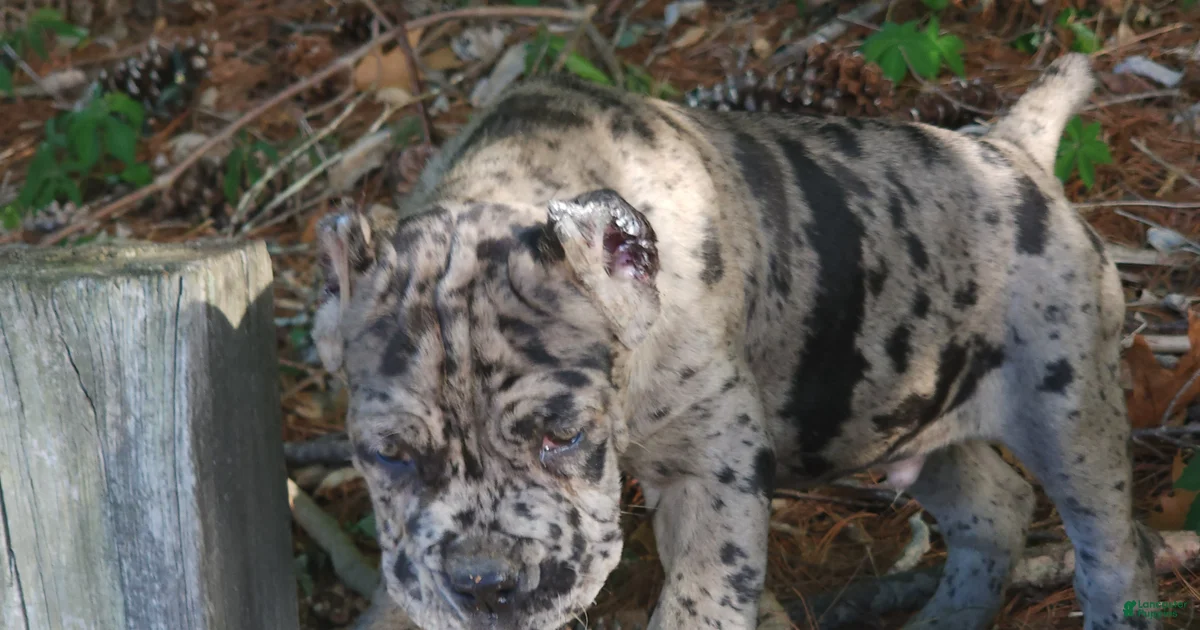
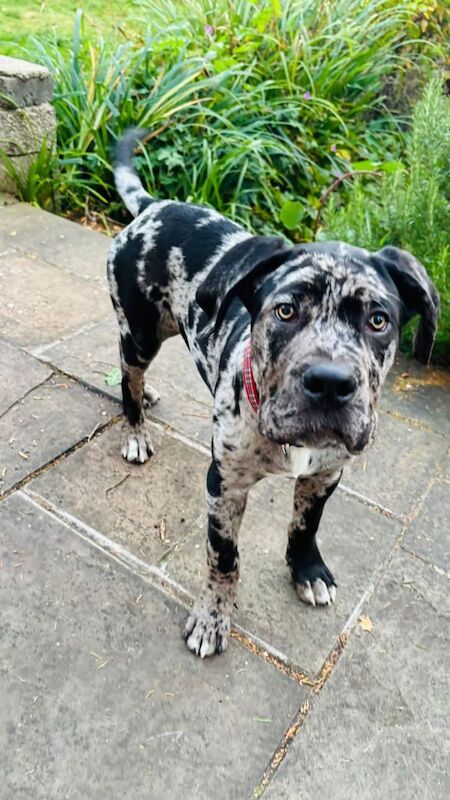
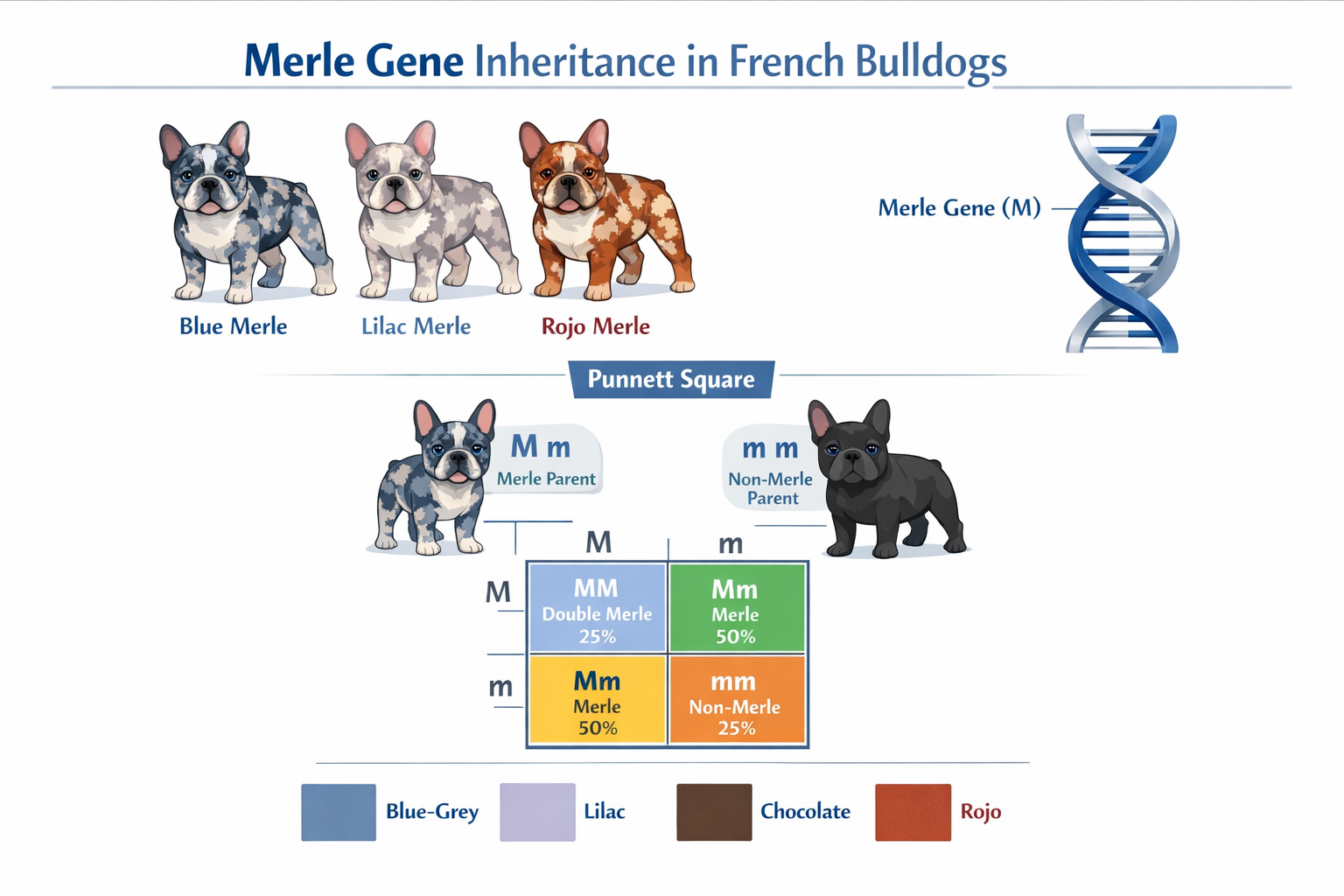
Genetic inheritance operates through specific chemical markers known as alleles, which dictate physical traits like skin and fur color. The locus responsible for the mottled appearance is the M gene, located on canine chromosome ten. When an animal inherits a single copy of this modifying factor, dark pigment patches are randomly diluted against a lighter background canvas, creating a marbled effect. In traditional breed standards, this specific variation does not naturally occur, leading many experts to look closely at pedigree registries. Furthermore, understanding the underlying chromosomal combinations helps explain why certain litters display unexpected variations while others maintain classic solid shades like black, gray, or fawn. For more related activities, check out our 6Month Shitzu Maturing.
Health, behavioral, or care impact
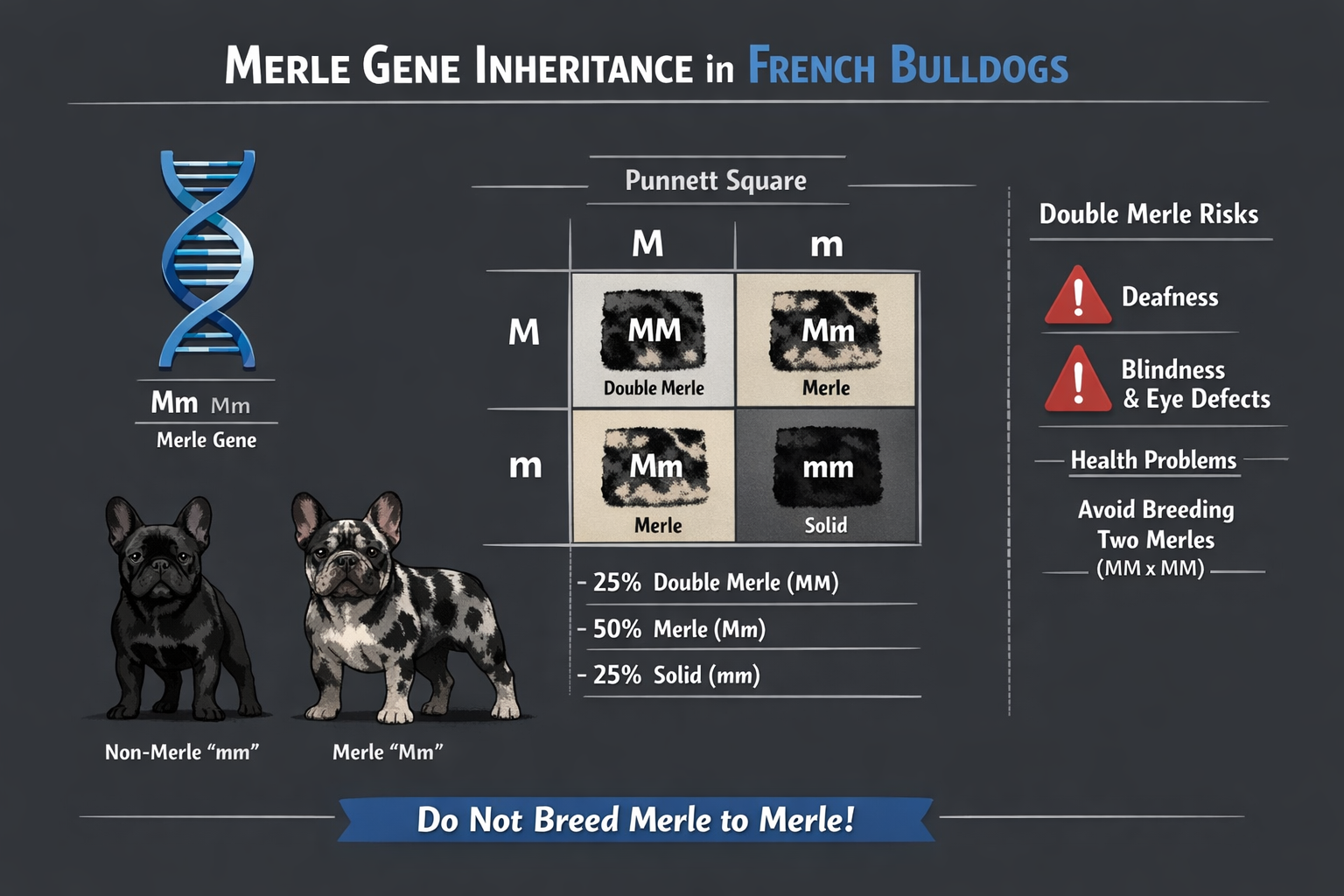
Double-merle puppies, resulting from the breeding of two patterned dogs, frequently face severe risks of congenital deafness and ocular anomalies. When two copies of the dilute factor combine, the pigment cells responsible for coloring both the coat and the inner structures of the ears and eyes fail to migrate properly during embryonic development. In clinical practice, working with dogs affected by pigment-associated sensory loss requires immense patience and tailored communication methods. Vision impairment, ranging from mild light sensitivity to microphthalmia where the eyeball is abnormally small, can significantly alter how an animal navigates the environment. Consequently, recognizing these medical vulnerabilities dictates a profound responsibility for anyone managing dogs carrying these specific chromosomal traits.
Double-merle breed pairings carry a significantly elevated statistical probability of producing offspring with bilateral deafness and structural eye defects — American Kennel Club
How to address / manage / train / care for cane corso merle inheritance genetics
Responsible guardianship involves prioritizing genetic health testing and avoiding experimental breeding practices that compromise animal welfare. Molecular screening laboratories now offer straightforward saliva or blood tests to identify the presence of the modifying factor before any breeding takes place. Establishing clear management protocols ensures that animals with sensory challenges live safe, enriched lives without unnecessary stress. Incorporating specialized hand signals into daily routines helps bridge any communication gaps for dogs experiencing hearing loss. Ultimately, careful planning and informed decision-making protect the long-term vitality of the canine population.
Tips, mistakes to avoid, or best practices
Never pair two dilute-coated dogs together under any circumstances, as this drastically increases the likelihood of severe sensory deficits in the resulting litter. Many well-meaning individuals make the mistake of assuming that unusual coat colors automatically indicate higher value or superior working capability. Instead, prioritize overall structural soundness, stable temperament, and comprehensive health clearances over superficial aesthetics. Utilizing tactile markers, such as specific floor textures, assists visually impaired companions in mapping out their indoor surroundings safely. Consulting established breed clubs provides valuable guidance on maintaining ethical standards and supporting canine health.
Ethical breeding guidelines strongly discourage the intentional crossing of two dilute-coated parents to prevent severe congenital sensory defects — American Veterinary Medical Association
Pet Care & Wellness Overview Table
| Life Stage | Daily Activity Level | Key Nutrition / Care Focus |
|---|---|---|
| Puppy / Kitten | High (frequent short bursts) | High-protein growth diet & early socialization |
| Adult Companion | Moderate (30–60 mins daily) | Balanced maintenance nutrition & dental hygiene |
| Senior Pets | Low to Gentle (mindful walks) | Joint support (Glucosamine) & routine vet checks |
Images References


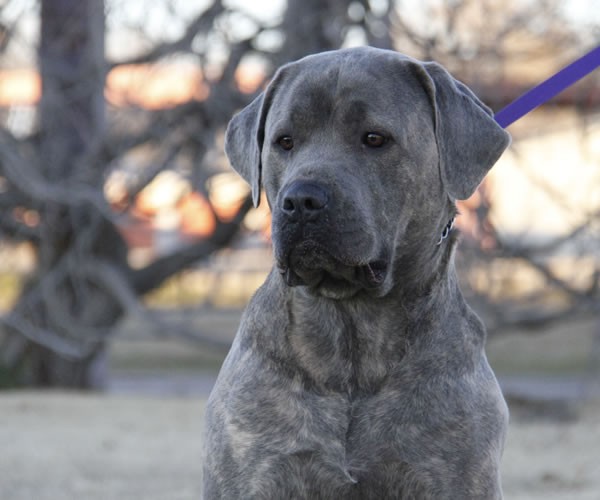
Breed, age, size, or temperament considerations
Guard dog breeds possess powerful protective instincts, high intelligence, and substantial physical mass that demand structured leadership from an early age. When sensory impairments intersect with a large working breed, socialization must be approached with deliberate care and absolute consistency. Young animals navigating the world with limited sight or hearing rely heavily on predictable environments to build confidence and prevent fear-based reactivity. Owners must remain vigilant, ensuring that the sheer physical strength of a large guardian is matched by gentle, positive guidance. Recognizing these distinct needs helps cultivate a balanced, secure companion regardless of visual coat variations.
When to consult a vet or professional trainer — always include this
Professional veterinary consultation is essential whenever a puppy exhibits signs of vision loss, abnormal eye development, or auditory unresponsiveness. Diagnostic evaluations, such as the Brainstem Auditory Evoked Response test, provide definitive answers regarding hearing capacity in young dogs. Additionally, collaborating with a certified behaviorist ensures that any training modifications for sensory-impaired animals utilize safe, reward-based methodologies. Addressing health and behavioral concerns early prevents minor challenges from escalating into chronic distress for the animal.
Closing — link to PetsAnimalsWorld.com resources
Exploring the fascinating world of canine biology deepens the bond between humans and their loyal four-legged companions. Prioritizing ethical breeding practices and proactive healthcare guarantees a thriving future for all magnificent canine companions. Discover more expert advice, breed insights, and wellness tips across PetsAnimalsWorld.com. Expand your knowledge further by exploring our dedicated guides on Dog Breeds, Dog Health, and Dog Care.


