Introduction
Understanding the intricate world of a dog’s digestive system is paramount for responsible pet ownership. Within this complex system, a delicate balance of microorganisms, collectively known as the gut microbiome, plays a crucial role in overall health. This is where the concept of canine probiotics becomes significant. Canine probiotics refer to live beneficial bacteria and yeasts that, when administered in adequate amounts, confer a health benefit to the host. These microscopic allies are designed to support and restore the natural equilibrium of a dogs intestinal flora. An imbalanced gut can manifest in various ways, from digestive upset to compromised immunity. By comprehending the function and application of canine probiotics, dog owners can proactively support their companion’s digestive wellness, potentially leading to improved nutrient absorption, stronger immune defenses, and an enhanced quality of life. Explore more in our Dog Health collection.
💡 Pet Care Key Takeaways:
- Core Focus: Practical health, nutrition, and wellness guidelines for Canine Probiotics.
- Target Scope: Pet owners, animal caregivers, and veterinary support staff.
- Best Recommendation: Maintain consistent daily routines and consult an accredited veterinarian before introducing major diet or medical changes.
Common Causes and Key Factors
Several factors can disrupt a dog’s gut microbiome, making the introduction of canine probiotics a beneficial intervention. One primary cause is dietary changes or inconsistencies. Switching food brands abruptly, consuming low-quality ingredients, or ingesting foreign objects can upset the sensitive balance of intestinal bacteria. Stress is another significant contributor to gut dysbiosis. Environmental shifts, travel, boarding, separation anxiety, or the introduction of new pets or family members can trigger physiological responses that negatively impact digestive health. For more related activities, check out our Home Remedy For Dog With Struvite Crystals.
Perhaps one of the most common disruptors is the use of antibiotics. While essential for treating bacterial infections, antibiotics are indiscriminate, eliminating beneficial bacteria alongside harmful ones. This broad-spectrum action can leave the gut vulnerable to an overgrowth of undesirable microorganisms. Age also plays a role; puppies are still developing their gut flora, and senior dogs often experience a natural decline in digestive efficiency. Furthermore, underlying health conditions such as allergies, inflammatory bowel disease (IBD), or parasitic infections can compromise gut integrity, creating an environment where a healthy microbiome struggles to thrive. Discover more free resources across our collection library.
Signs and Symptoms to Observe
Recognizing the signs that a dog’s gut health may be compromised is the first step toward intervention, often pointing to the potential benefit of canine probiotics. Digestive upset is the most overt indicator, presenting as intermittent or chronic diarrhea, loose stools, constipation, excessive flatulence, bloating, or occasional vomiting. These symptoms suggest an imbalance in the gut’s ability to process food efficiently.
Beyond immediate digestive issues, other signs can emerge. Poor nutrient absorption, despite adequate food intake, might be indicated by a dull coat, dry skin, unexplained weight loss, or persistent low energy levels. A weakened immune system can manifest through frequent infections, slow recovery from illness, or recurring skin allergies and hot spots, as a significant portion of the immune system resides in the gut. In some cases, behavioral changes, such as increased lethargy or irritability, can also be linked to gut dysbiosis, highlighting the intricate gut-brain axis. Observing these indicators carefully can help determine if supplemental gut support is warranted.
Practical Solutions and Management Strategies
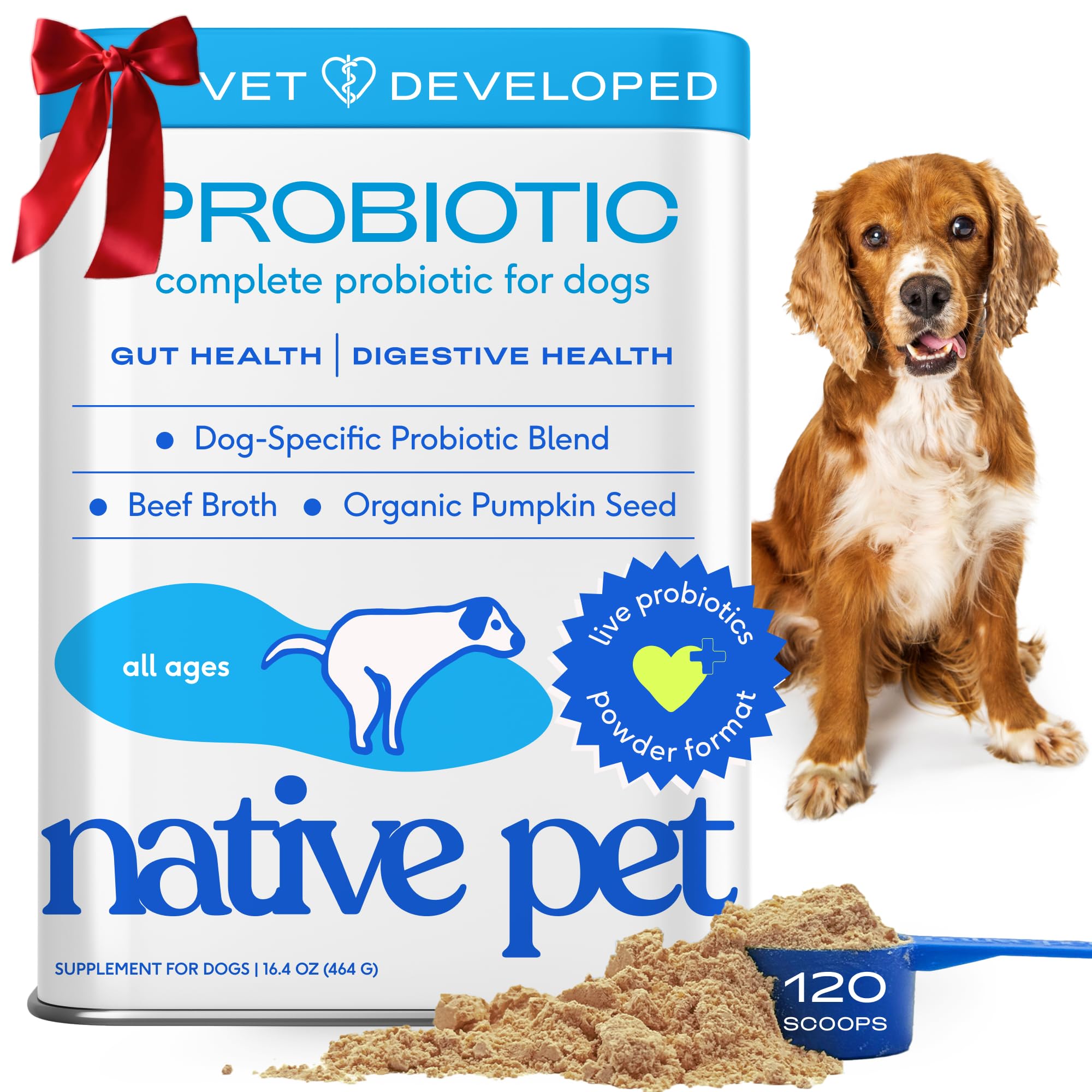
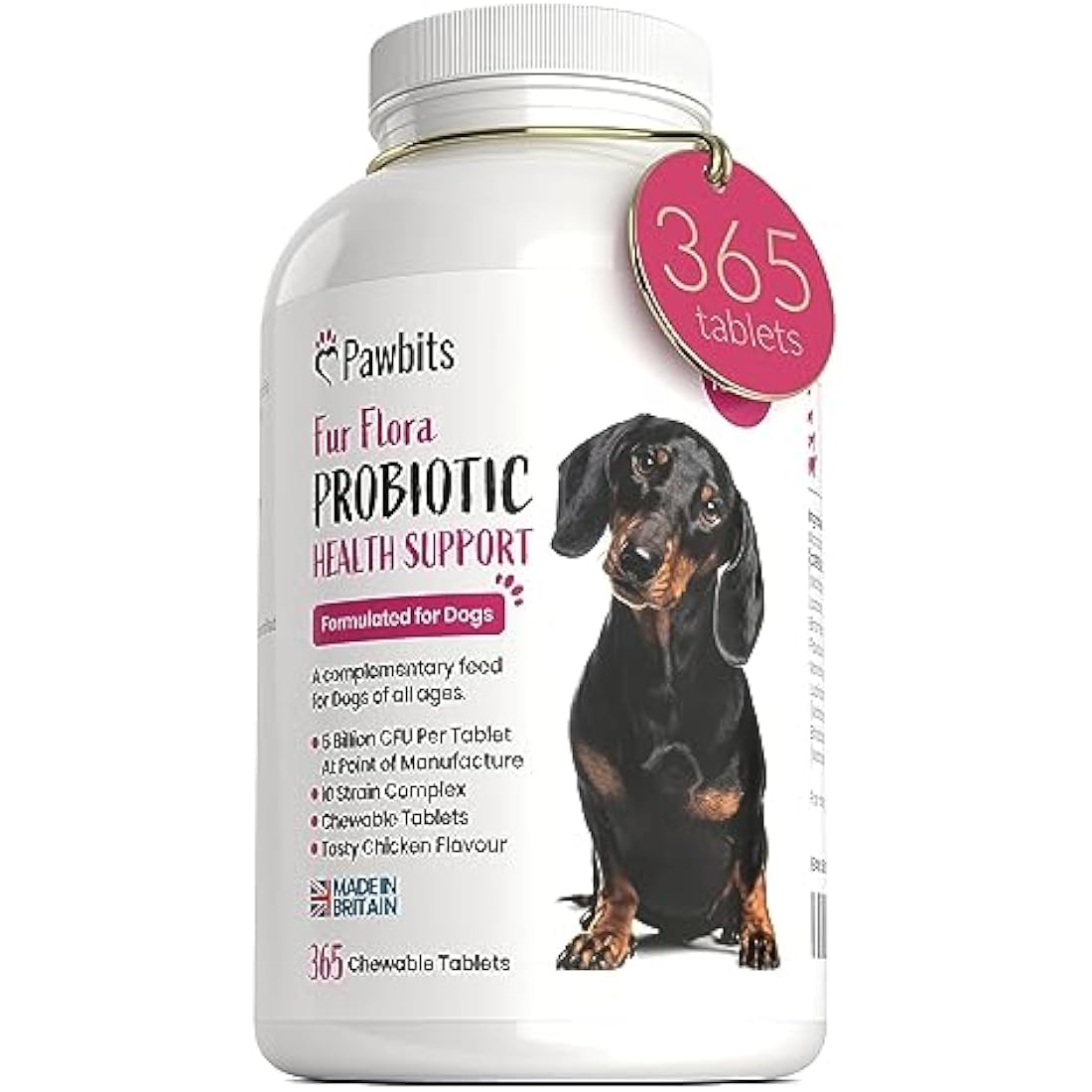
Implementing canine probiotics into a dog’s routine requires a thoughtful approach to maximize their benefits. The first step involves selecting a high-quality, dog-specific probiotic product. These products typically contain strains of bacteria naturally found in a canine gut, such as Lactobacillus and Bifidobacterium, and are formulated to survive the dog’s digestive tract. Consideration should be given to products from reputable brands that clearly state the colony-forming units (CFUs) and a guaranteed analysis.
Administering probiotics can be straightforward, with options including powders that can be sprinkled on food, capsules that can be hidden in treats, or palatable chews. Dosage should always align with the manufacturer’s recommendations or a veterinarian’s advice, often based on the dog’s weight. Consistency is key; probiotics generally need to be given regularly to maintain their beneficial effects on the gut microbiome.
Beyond direct supplementation, dietary adjustments can further support gut health. Feeding a high-quality, species-appropriate diet that is rich in fiber (prebiotics, which feed probiotics) creates an optimal environment for beneficial bacteria to thrive. Reducing environmental stressors, such as maintaining a consistent routine and providing a stable home environment, also contributes positively to overall digestive wellness. When introducing probiotics, a gradual approach, starting with a lower dose, can help a dog’s system adjust without experiencing initial digestive upset.
When Professional Help May Be Needed
While canine probiotics can be a valuable tool for supporting gut health, it is crucial to recognize when a dog’s condition warrants professional veterinary attention. Persistent digestive issues, such as chronic diarrhea, recurrent vomiting, or unexplained weight loss, especially if symptoms do not improve with probiotic supplementation, require immediate veterinary investigation. These signs could indicate underlying medical conditions that extend beyond simple gut dysbiosis, such as inflammatory bowel disease, pancreatitis, parasitic infections, or other systemic illnesses.
Furthermore, if a dog exhibits severe symptoms like blood in the stool, extreme lethargy, loss of appetite for more than 24 hours, or signs of abdominal pain, a veterinary consultation is essential. These can be indicators of serious health emergencies. Before introducing any new supplement, including canine probiotics, it is always prudent to consult a veterinarian, particularly for dogs with pre-existing health conditions, those on medication, or puppies and senior dogs. A veterinarian can offer a proper diagnosis, rule out serious conditions, and provide tailored recommendations for managing a dog’s digestive health effectively and safely.
Conclusion
The exploration of canine probiotics reveals their significant role in maintaining and restoring a dog’s digestive and overall health. These beneficial microorganisms serve as vital allies in promoting a balanced gut microbiome, which is intrinsically linked to efficient nutrient absorption, robust immune function, and even a dog’s mood and vitality. Understanding the factors that can disrupt gut health, observing the indicative signs, and implementing informed management strategies are crucial responsibilities for every dog owner. Through careful selection and consistent administration of appropriate canine probiotics, coupled with a high-quality diet and stress reduction, proactive gut health management significantly contributes to a dog’s longevity and well-being. Prioritizing digestive health empowers dogs to live happier, healthier lives, reinforcing the importance of informed care on petsanimalsworld.com.
Pet Care & Wellness Overview Table
| Life Stage | Daily Activity Level | Key Nutrition / Care Focus |
|---|---|---|
| Puppy / Kitten | High (frequent short bursts) | High-protein growth diet & early socialization |
| Adult Companion | Moderate (30–60 mins daily) | Balanced maintenance nutrition & dental hygiene |
| Senior Pets | Low to Gentle (mindful walks) | Joint support (Glucosamine) & routine vet checks |
Images References