
Understanding the dynamics behind puppy mouthing and traditional training methods is essential for raising a balanced canine companion.
According to the American Society for the Prevention of Cruelty to Animals, behavioral issues remain one of the primary reasons young dogs are relinquished to shelters, making early intervention vital. When a canine youngster enters a home, exploring the environment using the mouth represents a completely normal developmental stage. Canine teeth, though small, can feel remarkably sharp against human skin, often prompting households to seek immediate guidance. Television personalities and public trainers frequently demonstrate specific techniques for managing these behaviors on screen. Among these figures, Cesar Millan has popularized various philosophies regarding energy, leadership, and physical correction when addressing puppy mouthing. Examining these methods through a modern behavioral science lens helps caregivers determine the safest and most effective path forward for their households.
💡 Pet Care Key Takeaways:
- Core Focus: Practical health, nutrition, and wellness guidelines for Cesar Millan Nipping Puppy.
- Target Scope: Pet owners, animal caregivers, and veterinary support staff.
- Best Recommendation: Maintain consistent daily routines and consult an accredited veterinarian before introducing major diet or medical changes.
Cesar Millan nipping puppy philosophies center around establishing calm, assertive leadership to curb unwanted exploratory behavior.
The methodology promoted by the television host relies heavily on replicating how adult dogs naturally correct young pack members in the wild. In canine communication, an older dog might use a quick nudge, a firm body block, or a controlled jaw touch, often referred to as a “tss” sound paired with a physical tap, to communicate boundaries. Translating this to a domestic setting means a handler must remain calm and assertive, intercepting the mouthing before it escalates into full-blown aggression. Proponents of this approach argue that puppies test boundaries continuously, requiring firm, immediate feedback to understand household rules. However, modern certified behaviorists often caution that mimicking canine corrections requires precise timing and expert reading of subtle stress signals, which the average pet owner may struggle to execute safely. For more related activities, check out our Iaabc Dog Training.
Misinterpreting these high-intensity correction techniques can inadvertently heighten fear and elevate stress levels in developing dogs.
Applying a physical correction to a fearful or over-aroused youngster can sometimes backfire, transforming playful mouthing into defensive snapping. In veterinary behavioral medicine, stress triggers a flood of cortisol and adrenaline, making learning nearly impossible for an overwhelmed animal. When a handler uses force or startle tactics to stop a puppy from biting, the interaction may damage the crucial bond of trust between human and pet. In practice, a sharp physical jab or an intrusive touch often causes a sensitive puppy to freeze or defensively retaliate out of sheer confusion. Observing a puppy in a clinical setting reveals that young animals learn far more rapidly through clear communication and positive reinforcement than through intimidation or dominance-based philosophies.
Behavioral science demonstrates that positive reinforcement builds strong neural pathways for impulse control, whereas punitive methods frequently increase anxiety and defensive reactivity. — American Veterinary Society of Animal Behavior
Redirecting attention and rewarding calm choices offer a reliable alternative to traditional dominance-based interventions.
Effective management of puppy mouthing begins with understanding the root causes, which often include teething pain, overtiredness, or a desperate search for mental stimulation. Instead of applying a physical correction when teeth touch human skin, contemporary science-based trainers recommend freezing the interaction entirely by becoming a statue. Once the puppy pauses and removes the mouth, the handler immediately offers an appropriate chew toy as a substitute, rewarding the correct choice with verbal praise. Establishing predictable daily routines for naps prevents the frantic, overtired biting episodes that plague many households during the evening hours. Consistency across all family members ensures that the young dog receives clear, uniform messages about which items are acceptable to chew.
Avoiding common pitfalls ensures that training sessions remain productive, gentle, and free from accidental encouragement of biting behavior.
A frequent mistake involves wiggling hands or feet rapidly when a puppy approaches, which inadvertently mimics the erratic movement of prey and triggers predatory instincts. Furthermore, shouting or using high-pitched squeals can sound like distressed prey sounds to a puppy, paradoxically fueling the excitement and encouraging harder biting. Handlers must also avoid using bare hands to push open a puppy’s mouth, as this can turn into a stimulating wrestling game that the young animal finds highly rewarding. Maintaining a neutral posture and utilizing physical barriers, such as baby gates or tethering lines, helps manage environmental access while teaching emotional self-regulation. Patience remains paramount, as biological teething can last until the permanent adult teeth fully erupt around six months of age.
Puppies experience peak teething discomfort between three and five months of age, during which providing appropriate chew toys is critical for oral health. — American Kennel Club
Pet Care & Wellness Overview Table
| Life Stage | Daily Activity Level | Key Nutrition / Care Focus |
|---|---|---|
| Puppy / Kitten | High (frequent short bursts) | High-protein growth diet & early socialization |
| Adult Companion | Moderate (30–60 mins daily) | Balanced maintenance nutrition & dental hygiene |
| Senior Pets | Low to Gentle (mindful walks) | Joint support (Glucosamine) & routine vet checks |
Images References




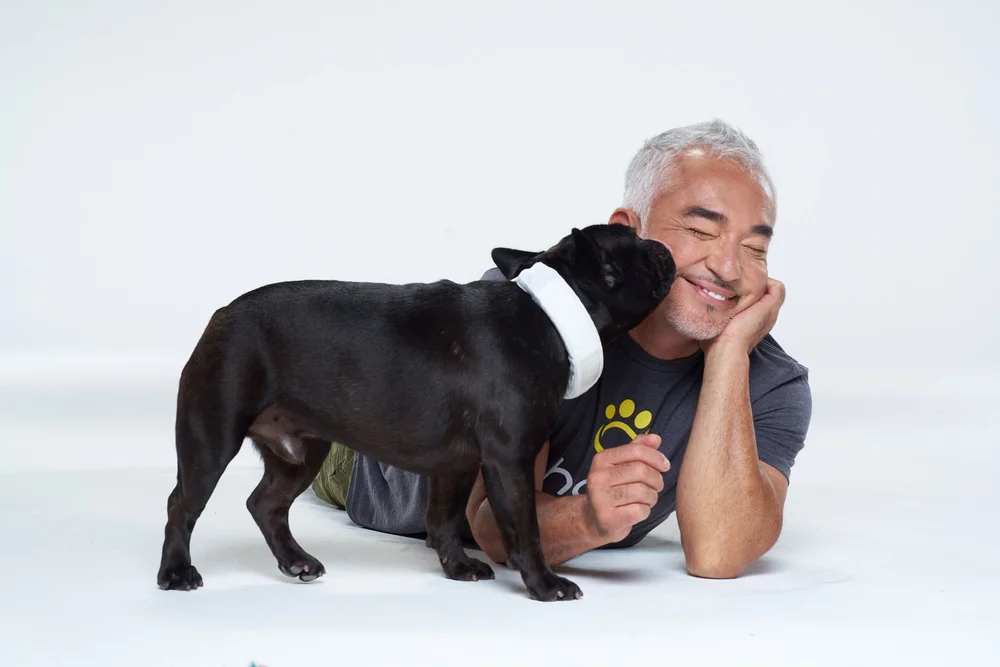
Breed temperament and individual personality traits heavily influence how a puppy responds to different training philosophies.
Working breeds and high-drive terriers often possess intense grip tendencies and high energy levels that require robust outlets rather than suppression. Conversely, sensitive companion breeds may shut down entirely or develop fear-based avoidance when exposed to startling sounds or physical corrections. Understanding these innate predispositions allows caregivers to tailor their approaches, ensuring the chosen strategy aligns with the specific emotional makeup of the dog. While a resilient puppy might shrug off a firm physical boundary, a more fragile canine personality requires a much softer, highly encouraging touch to build confidence. Tailoring the training environment to match the dog prevents accidental psychological trauma during critical socialization windows.
Consulting a certified professional or veterinary behaviorist becomes necessary when standard redirection fails to reduce intense biting.
Professional guidance is strongly recommended if a puppy displays prolonged, unprovoked aggression, hard jaw clamping that breaks human skin consistently, or rigid body freezing during interactions. A certified professional can evaluate whether the behavior stems from normal exploratory mouthing, severe anxiety, or underlying medical pain requiring clinical intervention. Working alongside a qualified expert ensures the implementation of humane, evidence-based behavior modification plans that safeguard both human safety and canine welfare. Relying on specialized support prevents minor developmental challenges from escalating into severe, entrenched behavioral liabilities later in life.
Cultivating a harmonious relationship requires blending modern behavioral science with compassionate, consistent daily structure.
Navigating the challenges of puppyhood demands immense dedication, empathy, and an openness to scientifically validated learning theories. By moving away from outdated dominance paradigms and embracing clear communication, households can foster deep mutual trust with their new canine companions. Exploring resources dedicated to Dog Behavior, Dog Training, and general Dog Care empowers owners to make informed, compassionate choices. Visit PetsAnimalsWorld.com for further expert insights designed to support every stage of your pet parenting journey.



