

Introduction
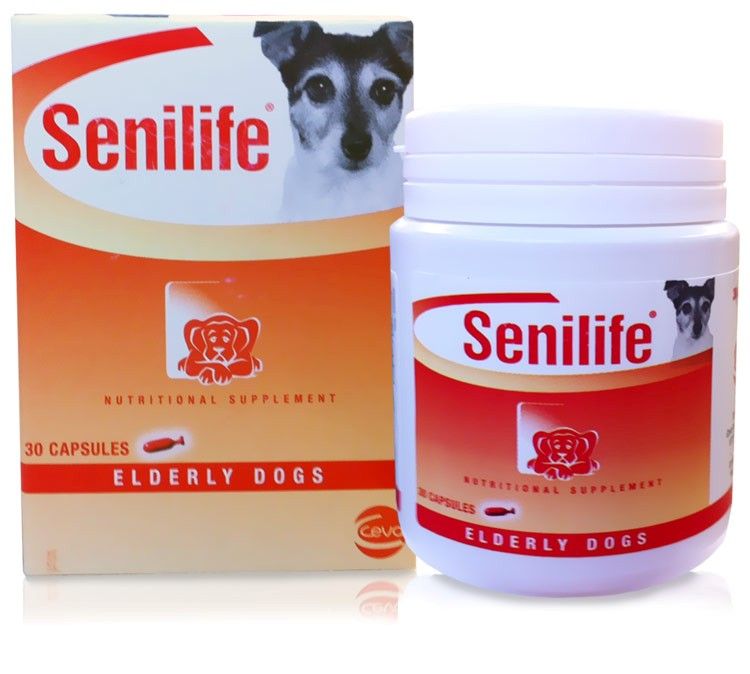
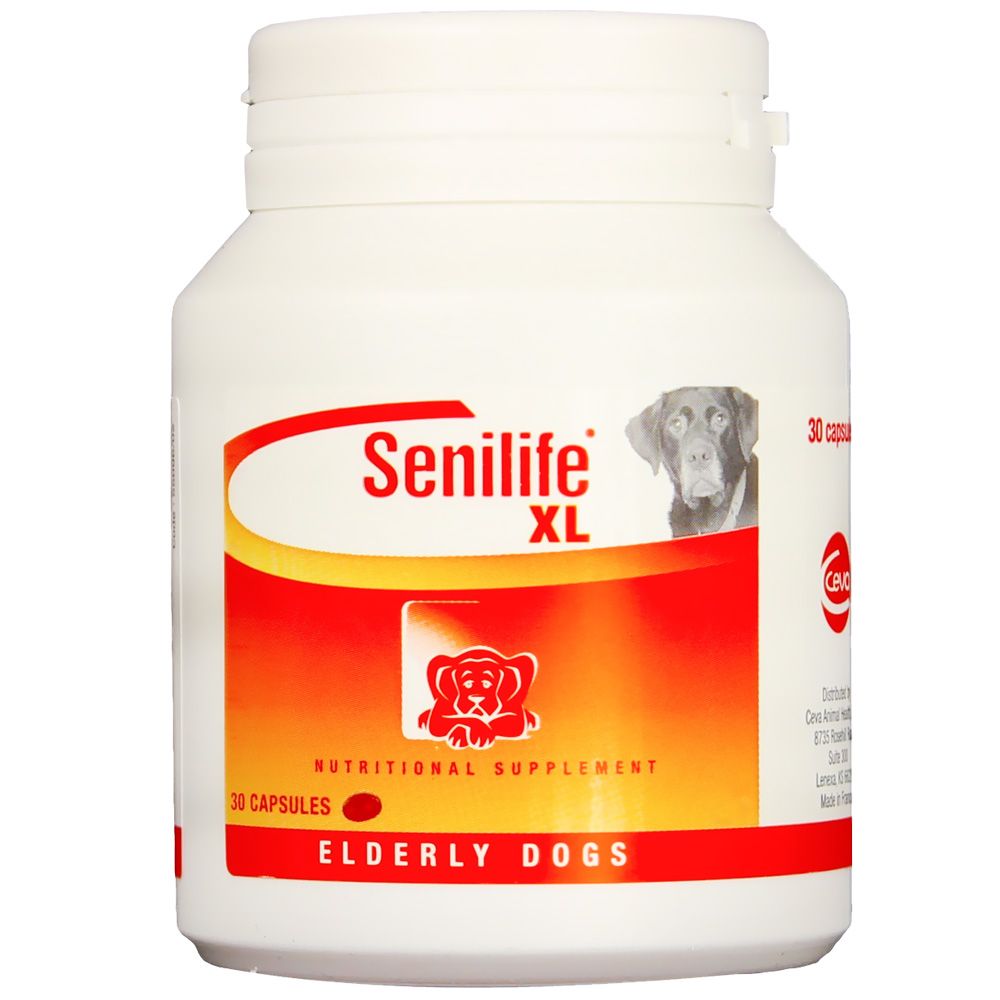
As beloved canine companions gracefully age, just like humans, they can experience a decline in cognitive function. This natural progression can manifest in various ways, impacting their daily routines and overall quality of life. Addressing these changes proactively is a significant aspect of responsible pet ownership. The ceva senilife nutritional supplement for elderly dogs offers a targeted approach to support brain health in senior canines. Understanding how such supplements work and when they are beneficial is crucial for dog owners seeking to maintain their pet’s vitality and mental clarity in their golden years. This article explores the importance of cognitive support for aging dogs and the specific role Senilife can play in enhancing their well-being.
💡 Pet Care Key Takeaways:
- Core Focus: Practical health, nutrition, and wellness guidelines for Ceva Senilife Nutritional Supplement For Elderly Dogs.
- Target Scope: Pet owners, animal caregivers, and veterinary support staff.
- Best Recommendation: Maintain consistent daily routines and consult an accredited veterinarian before introducing major diet or medical changes.
Common Causes and Key Factors
The aging process in dogs is multifaceted, leading to various physiological changes, including those affecting the brain. A primary factor in cognitive decline is oxidative stress, which causes damage to brain cells over time. Reduced cerebral blood flow and the accumulation of abnormal proteins (amyloid plaques) also contribute to neuronal degeneration. These biological changes can impair nerve communication, leading to symptoms often associated with Canine Cognitive Dysfunction (CCD) or Canine Cognitive Dysfunction Syndrome (CDS). Environmental factors, such as a lack of mental stimulation, can also accelerate cognitive decline, making a holistic approach to senior dog care essential. Recognizing these underlying causes helps in understanding why a targeted ceva senilife nutritional supplement for elderly dogs can be a valuable intervention. For more related activities, check out our “Fortiflora” And “Gut Health”.
Signs and Symptoms to Observe
Observing subtle changes in an older dog’s behavior can be key to early intervention for cognitive decline. Common signs of Canine Cognitive Dysfunction often follow the acronym DAISH: Disorientation, Altered Interactions, Changes in Sleep-wake cycles, House-soiling, and Activity level changes. A dog might seem lost in familiar surroundings, stare blankly at walls, or struggle with commands previously mastered. Interactions with family members or other pets may change, becoming more irritable, withdrawn, or demanding. Disruptions in sleep patterns, such as restlessness at night and increased sleeping during the day, are frequently noted. Additionally, senior dogs might begin having accidents indoors despite being house-trained, or their overall activity level might decrease significantly. These symptoms can vary in intensity depending on the dog’s age, breed, and general health, necessitating careful observation by owners.
Practical Solutions and Management Strategies
Managing cognitive decline in elderly dogs involves a multi-faceted strategy, with nutritional supplementation playing a significant role. The ceva senilife nutritional supplement for elderly dogs is formulated with ingredients specifically chosen to support brain health. Key components often include Phosphatidylserine, which is vital for cell membrane structure and function; Ginkgo biloba, known for its antioxidant properties and ability to improve blood circulation to the brain; Vitamin E, a powerful antioxidant protecting cells from oxidative damage; and B Vitamins, which are essential for nerve function and neurotransmitter synthesis.
Integrating such a supplement into a senior dog’s routine should be combined with other supportive measures. These include a balanced diet rich in antioxidants and omega-3 fatty acids, regular but gentle physical exercise to maintain blood flow and muscle tone, and consistent mental stimulation through puzzle toys, short training sessions, or exploring new, safe environments. Maintaining a stable and predictable home environment can also reduce stress and confusion for dogs experiencing cognitive changes. Consistency in routine and patient interaction are fundamental to supporting an aging dog’s well-being.
When Professional Help May Be Needed
While supplements like the ceva senilife nutritional supplement for elderly dogs can be highly beneficial, it is always imperative to consult a veterinarian when observing any signs of cognitive decline or behavioral changes in an aging dog. A veterinary professional can accurately diagnose Canine Cognitive Dysfunction and, critically, rule out other underlying medical conditions that might present with similar symptoms, such as thyroid disorders, kidney disease, hearing or vision loss, arthritis pain, or even brain tumors. A veterinarian can also offer tailored advice on the most appropriate treatment plan, which may include dietary adjustments, environmental modifications, medication, and specific nutritional supplements, ensuring the dog receives the most effective and safe care for their individual needs.
Conclusion
Providing comprehensive care for elderly dogs includes addressing their cognitive health, which is as vital as their physical well-being. Recognizing the subtle signs of aging-related cognitive decline and proactively seeking solutions can significantly enhance a senior dogs quality of life. The ceva senilife nutritional supplement for elderly dogs represents a valuable tool in this effort, designed to support brain function and mitigate the effects of aging on the canine mind. Through diligent observation, a supportive home environment, and professional veterinary guidance, dog owners can help their beloved companions enjoy their golden years with comfort, dignity, and sustained mental engagement. Prioritizing their cognitive health ensures they continue to thrive as cherished members of the family.
Pet Care & Wellness Overview Table
| Life Stage | Daily Activity Level | Key Nutrition / Care Focus |
|---|---|---|
| Puppy / Kitten | High (frequent short bursts) | High-protein growth diet & early socialization |
| Adult Companion | Moderate (30–60 mins daily) | Balanced maintenance nutrition & dental hygiene |
| Senior Pets | Low to Gentle (mindful walks) | Joint support (Glucosamine) & routine vet checks |
Images References




For more expert pet care tips and advice, check out our dedicated Dog Nutrition guides to keep your companions healthy and happy.




