

Introduction
The dietary landscape for canine companions often prompts pet owners to explore various supplements and human-grade foods, leading to questions about their suitability for dogs. Among these, the query “nutritional yeast safe for dogs” frequently arises. Nutritional yeast, a popular culinary ingredient and supplement for humans, is renowned for its savory, cheesy flavor and rich nutrient profile, particularly its abundance of B vitamins. Understanding whether this unique ingredient can be safely incorporated into a dog’s diet is crucial for responsible pet ownership. This article aims to clarify the nature of nutritional yeast, differentiate it from other yeast types, and provide a comprehensive overview of its safety, potential benefits, and appropriate use for canine health, contributing to a more informed approach to a dogs overall well-being and nutritional care.
💡 Pet Care Key Takeaways:
- Core Focus: Practical health, nutrition, and wellness guidelines for Nutritional Yeast Safe For Dogs.
- Target Scope: Pet owners, animal caregivers, and veterinary support staff.
- Best Recommendation: Maintain consistent daily routines and consult an accredited veterinarian before introducing major diet or medical changes.
Common Causes and Key Factors
The question of whether nutritional yeast is safe for dogs stems from several key factors and a common desire among pet owners to enhance their dog’s diet. Nutritional yeast is primarily a strain of Saccharomyces cerevisiae, specifically cultivated and then inactivated with heat during processing, rendering it unable to ferment or cause leavening. This inactivation is a critical distinction, setting it apart from active yeasts, such as baking yeast, which pose significant health risks to dogs. For more related activities, check out our Ol Roy Ingredients List.
One primary reason for interest in nutritional yeast for dogs is its impressive nutritional composition. It is a complete protein source, meaning it contains all nine essential amino acids. Furthermore, it is a powerhouse of B vitamins, including B1 (thiamine), B2 (riboflavin), B3 (niacin), B6 (pyridoxine), and often B12 (cobalamin), especially in fortified varieties. These vitamins play vital roles in metabolic functions, energy production, nerve function, and red blood cell formation, all crucial for canine health. Some formulations also contain trace minerals like zinc, selenium, and chromium.
Another factor driving interest is the anecdotal evidence and some research suggesting potential benefits for skin and coat health, immune system support, and even flea deterrence, though the latter claim lacks strong scientific backing. The savory taste also makes it an appealing addition to picky eaters’ meals. However, concerns naturally arise due to the general understanding that certain yeasts can be problematic for dogs, necessitating a clear differentiation and an understanding of appropriate use.
Signs and Symptoms to Observe
When considering the introduction of any new supplement, including nutritional yeast, careful observation of a dog’s response is paramount. If nutritional yeast is administered in appropriate amounts and is suitable for a particular dog, typically no adverse signs or behavioral changes should be observed. The dog should continue to exhibit normal energy levels, appetite, and stool consistency.
However, if an excessive amount is given, or if a dog has a sensitivity or allergy to yeast, certain signs may manifest. Digestive upset is the most common indicator of intolerance. This can include mild symptoms such as increased flatulence or loose stools, progressing to more noticeable signs like diarrhea or vomiting. It is important to monitor for any changes in stool frequency, consistency, or color.
While rare, an allergic reaction to nutritional yeast is possible, just as with any food ingredient. Signs of an allergic response might include itching, skin redness, hives, ear infections, or paw licking. These symptoms typically indicate an immune system overreaction. It is crucial to distinguish these potential reactions from the severe, acute symptoms associated with active yeast ingestion, which can include severe bloating, abdominal pain, restlessness, and attempts to vomit, requiring immediate veterinary attention. Observing for any deviation from a dog’s normal behavior or physical state after introducing nutritional yeast provides valuable insight into its tolerability.
Practical Solutions and Management Strategies
Incorporating nutritional yeast into a dog’s diet requires a thoughtful approach focused on safety, appropriate dosage, and monitoring. The primary “solution” to the question of “nutritional yeast safe for dogs” lies in responsible administration.
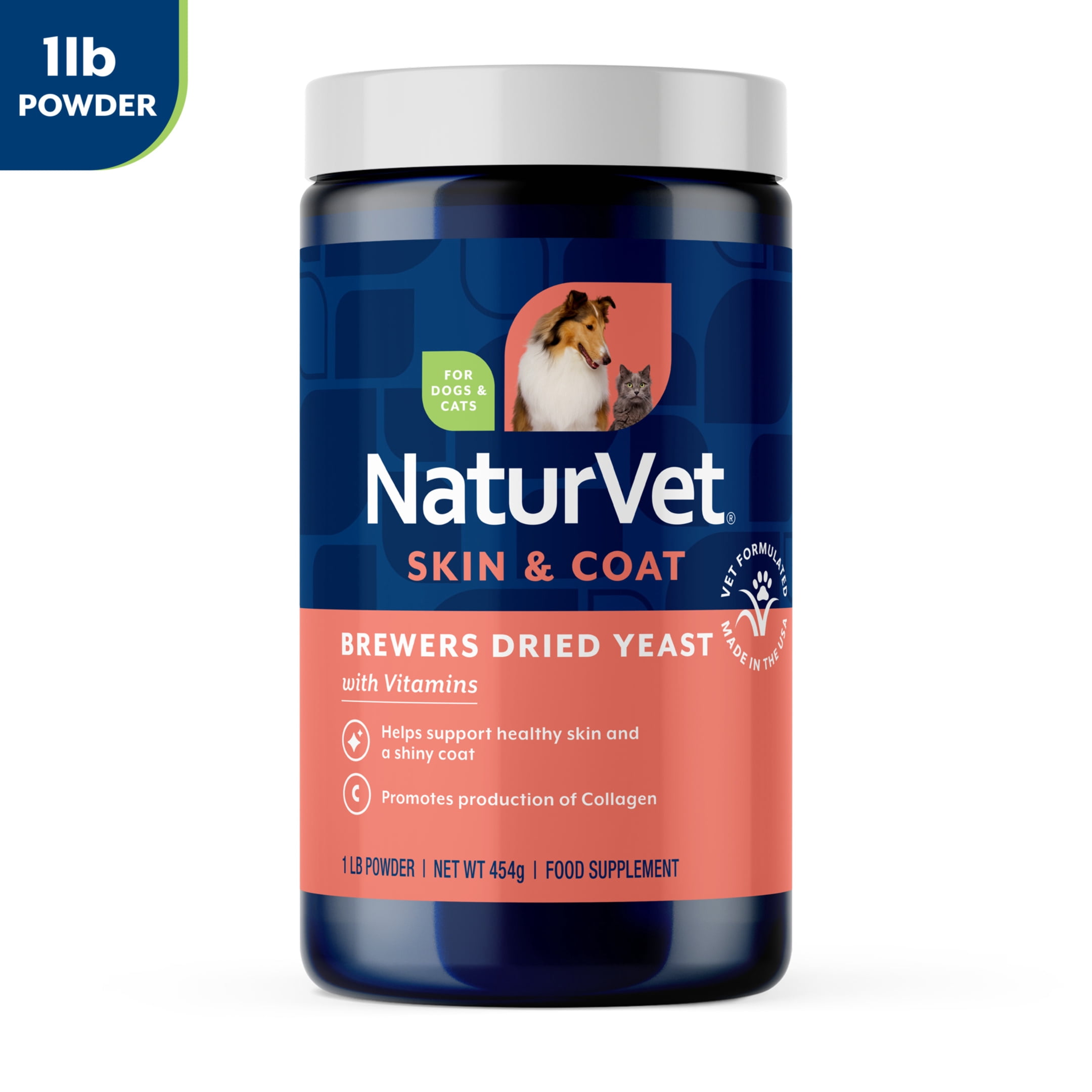
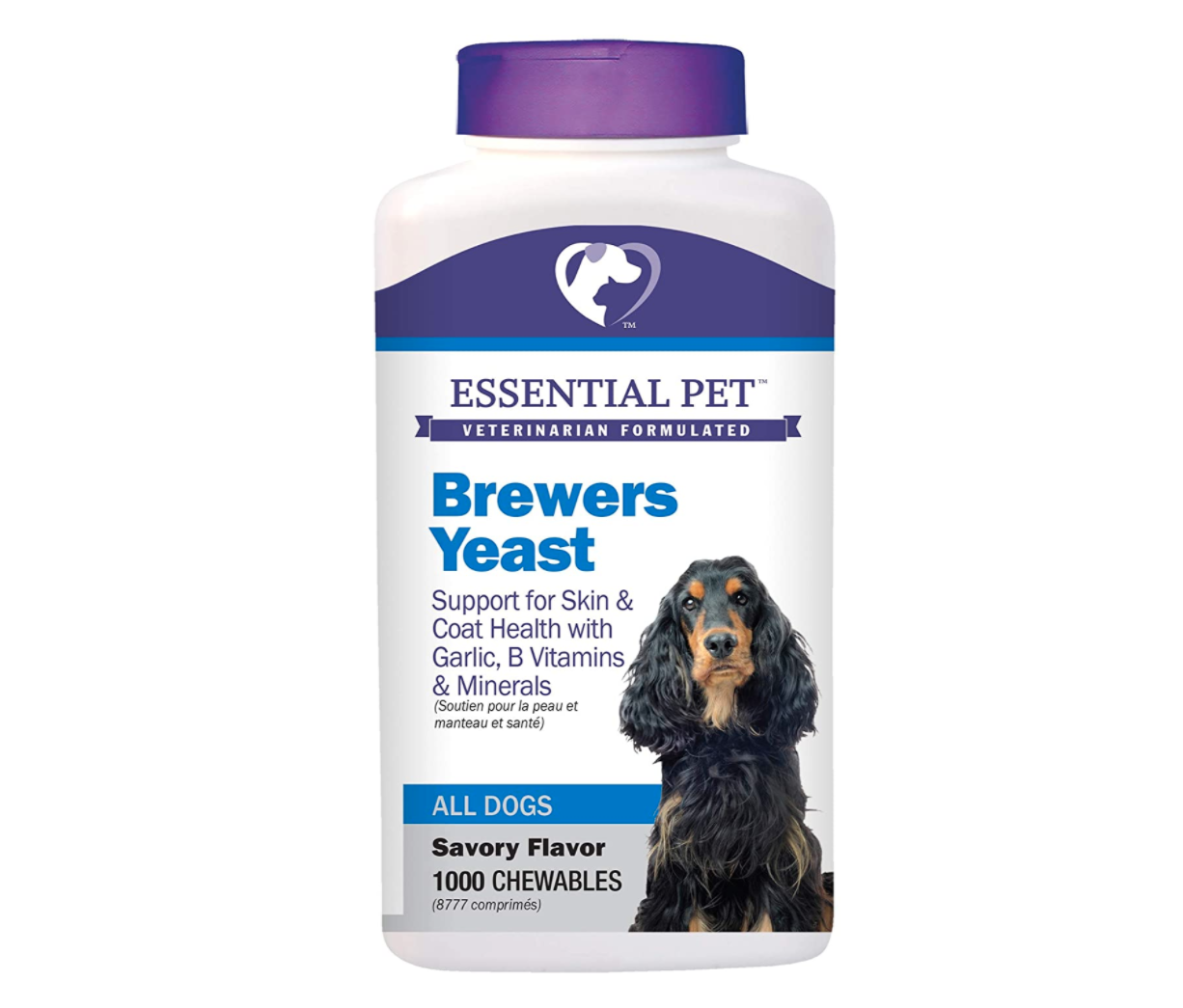
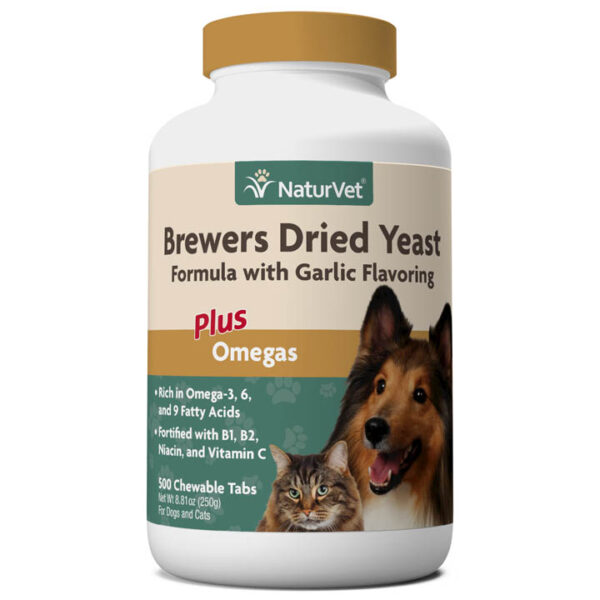
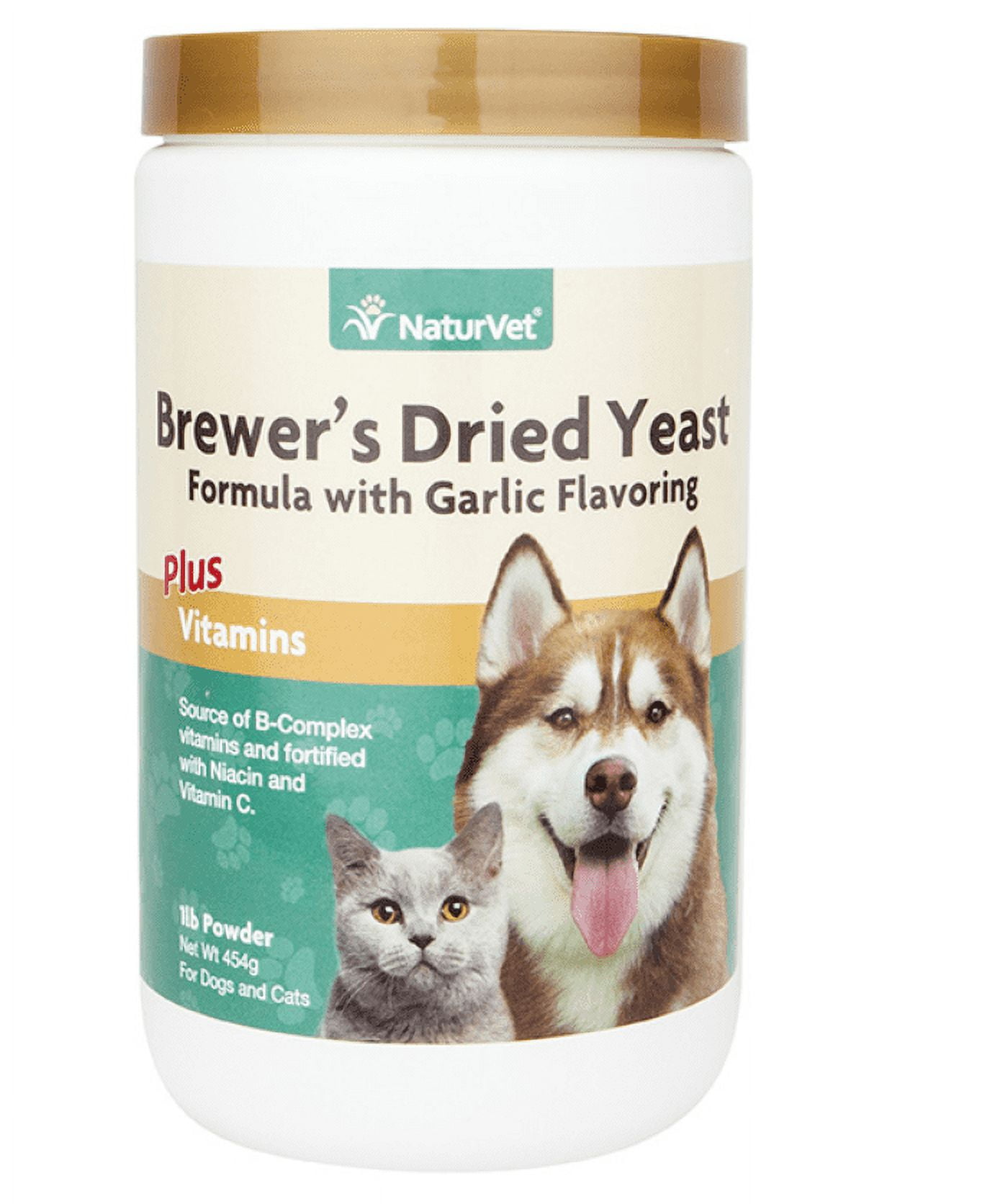
Firstly, always ensure that the product is indeed nutritional yeast (deactivated Saccharomyces cerevisiae) and not active yeast or brewer’s yeast, which has different properties and potential effects. Most human-grade nutritional yeast products are safe, but label verification is essential. Starting with a very small amount is recommended to assess individual tolerance. A common guideline is to begin with about a quarter to a half teaspoon per day for small dogs, and one to two teaspoons for larger breeds, gradually increasing if desired and tolerated. It is always wise to consult with a veterinarian for personalized dosage recommendations, especially for dogs with pre-existing health conditions or those on medication.
Nutritional yeast can be easily sprinkled over a dog’s regular food, mixed into wet food, or even added to homemade treats. Its savory flavor is often palatable to dogs, making it an easy addition. Close observation for any adverse reactions, such as digestive upset or allergic symptoms, should continue for several days after its introduction. If no negative signs appear, it can be continued as a regular supplement.
Ensuring a balanced diet remains the cornerstone of canine health. Nutritional yeast should be viewed as a supplement to a complete and balanced dog food, not a replacement for essential nutrients provided by their primary diet. Maintaining adequate hydration is also important, especially when introducing new foods or supplements.
When Professional Help May Be Needed
While nutritional yeast is generally considered safe for dogs, there are specific circumstances when veterinary consultation or professional guidance becomes necessary. If a dog exhibits persistent or severe digestive upset, such as prolonged diarrhea, recurrent vomiting, or significant changes in appetite after the introduction of nutritional yeast, immediate veterinary attention is advised. These symptoms could indicate an intolerance, an underlying gastrointestinal issue, or an allergic reaction.
Any signs of an allergic reaction, including widespread itching, skin rashes, hives, facial swelling, or difficulty breathing, warrant an emergency visit to the veterinarian. Although rare, such reactions can be serious. Furthermore, if a dog accidentally consumes a large quantity of nutritional yeast or, more critically, ingests active baking yeast, professional medical intervention is imperative due to the risk of gastric dilatation-volvulus (bloat) or alcohol toxicosis.
Veterinary professionals can also offer valuable guidance on dosage, especially for puppies, senior dogs, pregnant or lactating dogs, or those with compromised immune systems, kidney disease, or other chronic conditions. A veterinarian can assess the dog’s overall health and dietary needs, helping to determine if nutritional yeast is an appropriate and beneficial addition to its regimen, ensuring that any supplementation supports rather than detracts from optimal health.
Conclusion
The journey to understanding “nutritional yeast safe for dogs” reveals that this nutrient-rich supplement can indeed be a beneficial addition to a canine’s diet when administered correctly. As a deactivated form of Saccharomyces cerevisiae, nutritional yeast provides a valuable source of B vitamins, protein, and trace minerals, potentially supporting skin and coat health, immune function, and overall vitality. The key to its safe integration lies in distinguishing it from potentially harmful active yeasts and ensuring moderation in dosage.
Responsible pet ownership necessitates careful observation for any individual sensitivities or adverse reactions, starting with small amounts, and always prioritizing a balanced and complete primary diet. While generally safe, vigilance for signs of digestive upset or allergic reactions is crucial. When in doubt, or in cases of pre-existing health concerns, consulting a veterinarian provides personalized advice and ensures that any dietary changes contribute positively to a dog’s long-term health and well-being. This informed approach empowers pet owners to make sound nutritional choices, fostering a happy and healthy life for their cherished canine companions.
Pet Care & Wellness Overview Table
| Life Stage | Daily Activity Level | Key Nutrition / Care Focus |
|---|---|---|
| Puppy / Kitten | High (frequent short bursts) | High-protein growth diet & early socialization |
| Adult Companion | Moderate (30–60 mins daily) | Balanced maintenance nutrition & dental hygiene |
| Senior Pets | Low to Gentle (mindful walks) | Joint support (Glucosamine) & routine vet checks |
Images References





For more expert pet care tips and advice, check out our dedicated Dog Nutrition guides to keep your companions healthy and happy.




