
Introduction
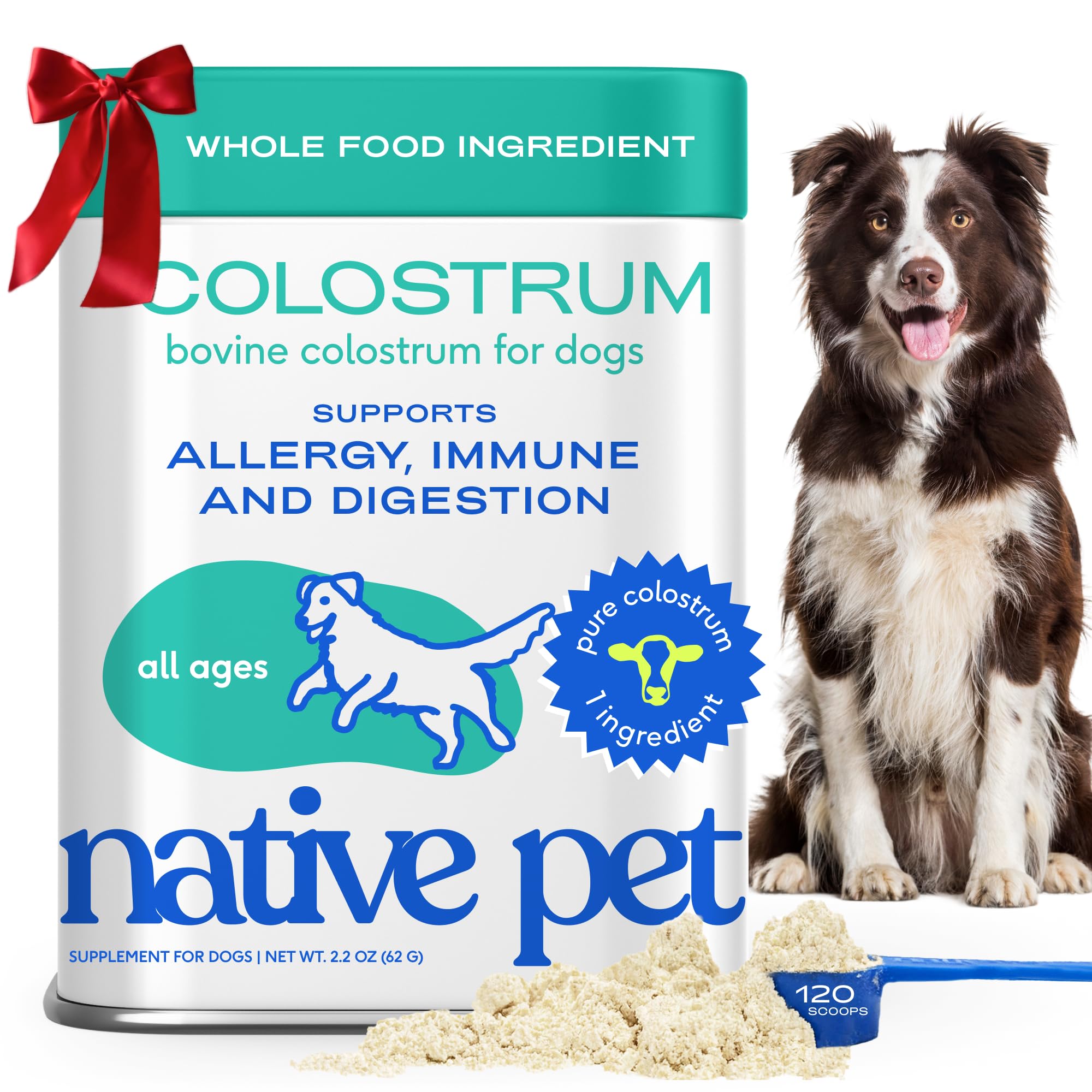
The well-being of canine companions is a primary concern for dedicated pet owners. In the pursuit of optimal health, various nutritional supports are explored, and among these, a “colostrum supplement for dogs” has garnered significant attention. Colostrum, often referred to as “first milk,” is the pre-milk fluid produced by mammals immediately after birth, prior to the production of mature milk. It is incredibly rich in antibodies, growth factors, and nutrients vital for a newborn’s immune system development and overall health. While its natural role is crucial for puppies during their first hours of life, colostrum supplementation for adult dogs extends this natural benefit, offering support for immune function, gut health, and vitality throughout various life stages. Understanding the potential applications and benefits of this supplement can equip dog owners with another tool to enhance their dogs health and resilience against environmental stressors and common ailments.
💡 Pet Care Key Takeaways:
- Core Focus: Practical health, nutrition, and wellness guidelines for Colostrum Supplement For Dogs.
- Target Scope: Pet owners, animal caregivers, and veterinary support staff.
- Best Recommendation: Maintain consistent daily routines and consult an accredited veterinarian before introducing major diet or medical changes.
Common Causes and Key Factors
The decision to introduce a colostrum supplement for dogs often stems from a desire to address specific health challenges or to provide proactive support. Several key factors and common scenarios indicate when such a supplement might be beneficial. For more related activities, check out our Pitbullnutrition.
Immune System Vulnerability: Dogs experiencing frequent infections, seasonal allergies, or those undergoing stress (e.g., rehoming, kenneling, intense training) may have compromised immune systems. Older dogs naturally experience a decline in immune function, making them more susceptible to illness. Puppies that did not receive adequate maternal colostrum at birth can also benefit from immune system reinforcement.
Gastrointestinal Health Issues: The gut plays a pivotal role in overall immune function. Dogs with digestive sensitivities, conditions like inflammatory bowel disease (IBD), “leaky gut” syndrome, or those recovering from antibiotic treatments often suffer from an imbalanced gut microbiome and compromised gut lining integrity. Colostrum’s growth factors and immunoglobulins can support the repair of the intestinal wall and promote a healthy gut environment.
Allergies and Skin Conditions: Many allergies in dogs manifest as skin irritations, chronic itching, or ear infections. These can often be linked to an overactive or imbalanced immune response. Colostrum’s immunomodulatory properties may help regulate the immune system, potentially reducing allergic reactions.
Recovery and Performance Enhancement: Working dogs, athletic dogs, or those recovering from surgery, injury, or strenuous activity can benefit from the growth factors and regenerative properties found in colostrum. It can aid in tissue repair, reduce inflammation, and support quicker recovery times.
General Wellness and Anti-aging: As a natural source of a wide array of beneficial compounds, colostrum can be incorporated into a daily regimen to support overall vitality, maintain a healthy inflammatory response, and potentially slow down age-related declines in health.
Signs and Symptoms to Observe
Observing a dogs behavior and physical condition is crucial for identifying potential health concerns that a colostrum supplement might help address. Various signs and symptoms can indicate an underlying issue that could benefit from immune and gut support.
Recurrent Infections: A dog that frequently develops ear infections, skin infections, urinary tract infections, or respiratory illnesses may have a weakened immune system. The inability to effectively fight off common pathogens is a strong indicator of immune compromise.
Chronic Digestive Upset: Persistent or recurring diarrhea, vomiting, bloating, excessive gas, or changes in appetite can signal problems with gut health. These symptoms often point to inflammation in the digestive tract, malabsorption, or an imbalance in gut flora.
Allergy Manifestations: Signs such as chronic itching, excessive licking or chewing of paws, persistent skin rashes, “hot spots,” or recurring ear infections are common indicators of allergic reactions. These suggest an immune system that is reacting inappropriately to environmental or dietary triggers.
Poor Coat and Skin Condition: A dull, dry, brittle coat, excessive shedding, or flaky skin can sometimes be linked to systemic health issues, including nutrient malabsorption due to poor gut health, or an inflammatory response.
Low Energy Levels and Slow Recovery: A dog exhibiting lethargy, reduced enthusiasm for play or walks, or taking an unusually long time to recover from exercise, injury, or illness might be experiencing general immune or metabolic stress.
Behavioral Changes Related to Stress: Chronic stress can depress immune function. Dogs displaying anxiety, nervousness, or unusual behavioral shifts, especially when accompanied by physical symptoms, could be experiencing a stress-induced physiological toll. These signs can vary depending on a dogs age, breed, and specific environmental factors, necessitating careful and consistent observation.
Practical Solutions and Management Strategies
Integrating a colostrum supplement for dogs into a health regimen requires a thoughtful and informed approach to ensure maximum benefit and safety. The primary goal is to support the dog’s immune system and gut health effectively.
Veterinary Consultation is Paramount: Before introducing any new supplement, particularly for dogs with pre-existing conditions, puppies, senior dogs, or pregnant/lactating dogs, a thorough discussion with a veterinarian is essential. A professional can help determine if colostrum is appropriate, recommend suitable products, and advise on correct dosages.
Selecting a High-Quality Supplement: Not all colostrum products are created equal. Pet owners should seek bovine colostrum supplements, as bovine colostrum is highly similar to canine colostrum and well-tolerated. Look for products that are sourced from grass-fed cows, minimally processed, and tested for contaminants. Critically, the supplement should specify its immunoglobulin G (IgG) content, which indicates its potency in immune factors. Reputable manufacturers often provide third-party testing results. Avoid products with unnecessary fillers, artificial flavors, or colors.
Appropriate Dosage and Administration: Always adhere strictly to the manufacturer’s recommended dosage instructions or the specific guidance provided by a veterinarian. Dosages can vary based on the dog’s weight, the concentration of the supplement, and the specific health concern being addressed. Colostrum supplements are typically available in powder, capsule, or chewable forms. Powders can be easily mixed into a dog’s regular food, wet food, or dissolved in water. Capsules can be given directly or opened and sprinkled onto food.
Consistent Integration with Diet: For optimal results, colostrum supplements should be given consistently as directed. It is often best administered with meals. Over time, observing improvements in a dogs energy, coat quality, digestive regularity, and reduction in allergy symptoms or frequency of infections can help assess the supplement’s effectiveness.
Holistic Health Approach: A colostrum supplement serves as an adjunct to a comprehensive health strategy, not a standalone cure. It is most effective when combined with a balanced, high-quality diet, regular appropriate exercise, stress reduction, and routine veterinary care. Addressing underlying health issues and maintaining a healthy lifestyle for the dog will amplify the benefits of supplementation.
When Professional Help May Be Needed
While a colostrum supplement for dogs can be a valuable tool for supporting health, understanding its limitations and recognizing when professional veterinary intervention is necessary is crucial for responsible pet ownership. A supplement should never delay or replace appropriate medical diagnostics or treatment for serious conditions.
Persistent or Worsening Symptoms: If a dog’s health issues, such as chronic digestive problems, recurring infections, or severe allergy symptoms, do not show improvement within a reasonable timeframe after starting a colostrum supplement, or if they worsen, a veterinary consultation is imperative. This indicates that the underlying cause may be more complex or require specific medical treatment.
New or Severe Symptoms: The sudden onset of severe vomiting, diarrhea, lethargy, loss of appetite, unexplained weight loss, difficulty breathing, or any signs of acute pain or distress warrants immediate veterinary attention. These symptoms could indicate a serious medical emergency that requires prompt diagnosis and treatment.
Diagnosed Chronic Conditions: For dogs already diagnosed with conditions such as severe inflammatory bowel disease, autoimmune disorders, advanced kidney or liver disease, or cancer, colostrum might be considered as part of a broader, veterinarian-guided treatment plan. However, a veterinarian’s oversight is essential to ensure it complements existing medications and therapies without adverse interactions.
Uncertainty Regarding Product Selection or Dosage: With a variety of colostrum supplements available, choosing the right product and determining the correct dosage can be challenging. A veterinarian can provide tailored recommendations based on a dog’s specific health profile, age, breed, and existing medical conditions, ensuring both efficacy and safety.
Before Supplementing Vulnerable Dogs: Puppies, senior dogs, pregnant or lactating dogs, or dogs currently on medication require careful consideration before any new supplement is introduced. Their unique physiological states can alter how they respond to supplements, necessitating professional guidance to prevent potential complications.
Conclusion
The exploration of a “colostrum supplement for dogs” reveals a compelling avenue for enhancing canine health, particularly in areas of immune function and gut integrity. Colostrum, a natural powerhouse of antibodies, growth factors, and nutrients, offers a supportive role in mitigating various health challenges, from recurrent infections and digestive sensitivities to allergic reactions and recovery from physical stress. While its benefits are significant, the importance of informed decision-making, meticulous product selection, and precise dosing cannot be overstated. Pet owners are encouraged to observe their dog’s health closely, recognizing the signs that may indicate a need for such support. Most critically, any integration of colostrum into a dog’s regimen should be discussed with a veterinarian, ensuring it aligns with the dog’s overall health strategy. By combining high-quality nutrition, proactive care, and professional guidance, pet owners can significantly contribute to their dog’s long-term well-being and vitality, fostering a healthier, happier life for their cherished companions.
Pet Care & Wellness Overview Table
| Life Stage | Daily Activity Level | Key Nutrition / Care Focus |
|---|---|---|
| Puppy / Kitten | High (frequent short bursts) | High-protein growth diet & early socialization |
| Adult Companion | Moderate (30–60 mins daily) | Balanced maintenance nutrition & dental hygiene |
| Senior Pets | Low to Gentle (mindful walks) | Joint support (Glucosamine) & routine vet checks |
Images References


For more expert pet care tips and advice, check out our dedicated Dog Nutrition guides to keep your companions healthy and happy.




